
WENERD Corp. (주식회사 위너드)
19.7Km 2025-10-23
#201, Saul Building, 21 Seongmisan-ro 1-gil, Mapo-gu, Seoul
Wenerd provides a total care solution through “Wenerd Care”, combining premium wellness tourism with health check-ups to comprehensively manage clients’ health and beauty.
Mangwon Market (망원시장)
19.7Km 2025-07-11
27 Poeun-ro 6-gil, Mapo-gu, Seoul
Mangwon Market is one of the representative traditional markets of Seoul. Its proximity to both Mangnidan Street and Hangang Park makes it a great place to do some shopping in preparation for a riverside picnic. The market isn’t very large, but it is packed with delicious treats. One can find classics like the deep-fried and braised chicken, braised pigs' feet, crispy deep-fried green chili pepper, and other snack fare there, along with stores offering food and lifestyle items for some browsing.
Yanghwa Hangang Park (한강시민공원 양화지구(양화한강공원))
19.8Km 2022-12-16
221, Nodeul-ro, Yeongdeungpo-gu, Seoul
Situated on the southern part of the Hangang River, Yanghwa Hangang Park stretches between the mouth of Yeouido Saetgang Tributary and the Gayang Bridge in Gangseo-gu, Seoul. This spacious park is lush with vegetation and offers a spectacular view of the river.
The park is located nearby a number of other attractions including Seonyudo Park, an island in the river, which has been transformed into an ecological park; Seonyu Bridge; and the World Cup Fountains, with jets shooting 202 meters in x_height.
There is a wide bike trail that runs through the park that connects this park with the other Hangang River Parks. Every May, the bike trail is flanked by lush green grass and beautiful roses, making it the ideal photo spot.
Dongpyun Korean Medicine Clinic (동편부부한의원)
19.8Km 2025-11-28
#202, 2nd Floor, 188 Burim-ro, Dongan-gu, Anyang-si, Gyeonggi-do
Dongpyeon Korean Medicine Clinic focuses on restoring body balance through holistic treatments.
Specialized in detox care, weight control, skin improvement, and pre/postnatal therapy,
it helps the body recover naturally by addressing root causes, not just symptoms.
Mangnidan Street (망리단길)
19.8Km 2025-05-20
Poeun-ro, Mapo-gu, Seoul
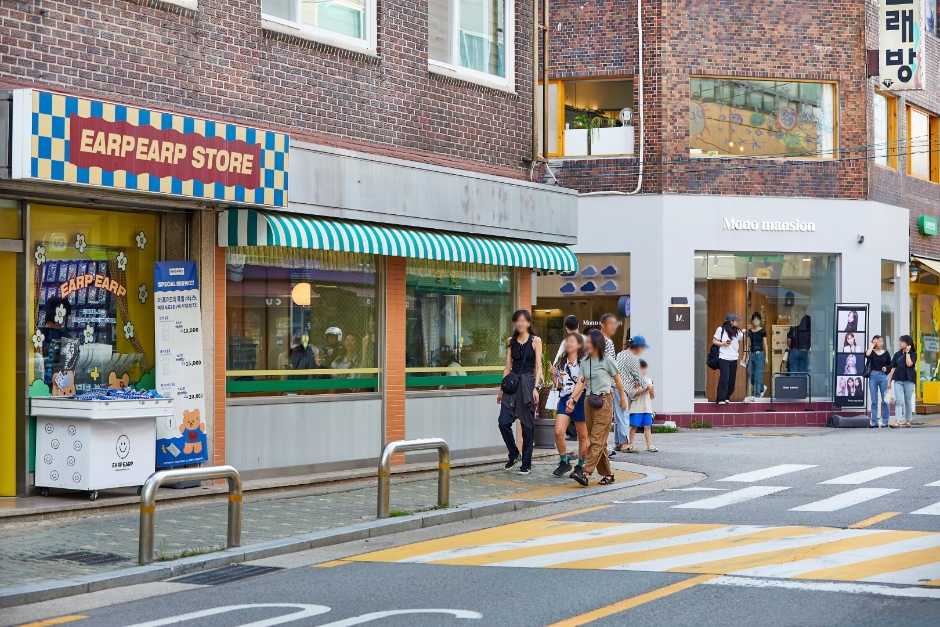
Mangnidan Street is located near Poeun-ro, which can be reached in about 6 to 8 minutes of leisurely walk toward Mangwon Hangang Park from Exit 2 of Mangwon Station on Subway Line 6. Its name comes from the combination of Mangwon-dong and the Gyeongnidan Street in Itaewon, meaning the “Gyeongnidan Street of Mangwon-dong.” There are a variety of restaurants, cafes, dessert shops, and other small shops, each with their own charm, making it a great place to take the kids shopping or just get some rest. This place is quite close to Mangwon Market, so visitors can stop by the market if time allows. Another way to fit this area into the itinerary is as a pit stop for desserts or some shopping before heading to Mangwon Hangang Park.
![[Seoul Trail Course 1] Suraksan · Buramsan Mountain Course ([서울 둘레길 1코스] 수락 · 불암산 코스)](http://tong.visitkorea.or.kr/cms/resource/16/2658216_image2_1.jpg)
[Seoul Trail Course 1] Suraksan · Buramsan Mountain Course ([서울 둘레길 1코스] 수락 · 불암산 코스)
19.8Km 2025-01-06
Junggye-dong, Nowon-gu, Seoul, Republic of Korea
Seoul Trail is a walking trail that encompasses the entire city of Seoul, with a total length of 157km and 8 courses. It weaves together the history, culture, and natural ecology of Seoul through various stories. The 1st course is a gentle path from Suraksan Mountain to Buramsan Mountain, covering 18.6km and taking approximately 8 hours and 10 minutes. This trekking course around Buramsan Mountain passes through Iris Garden, Deongneung-gogae, Information Center, Taereung Royal Tomb, Suamsa Temple, and Hakdoam Temple.
Seonyudo Park (선유도공원)
19.9Km 2025-10-27
343 Seonyu-ro, Yeongdeungpo-gu, Seoul
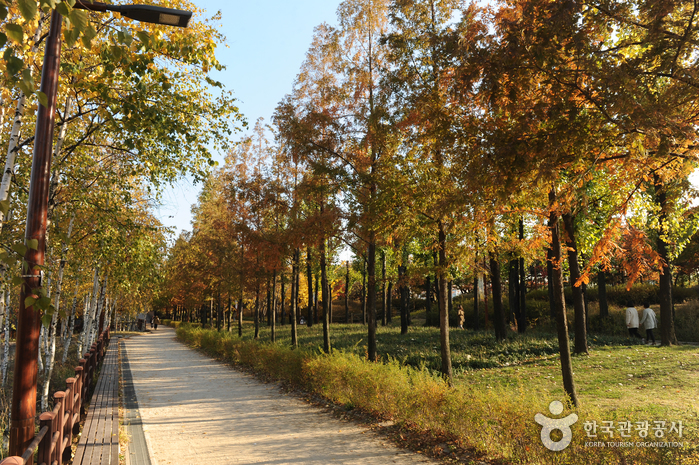
Seonyudo Park is Korea's first water-themed ecological park. The park was renewed from an old water treatment plant. Visitors can observe a water purification system, an aquatic plant garden, and an ecological forest, as well as exhibitions and other interesting facilities. The park also hosts diverse hands-on programs and exhibitions.
Sealala Water Park (씨랄라 워터파크)
19.9Km 2024-03-20
(2nd underground floor), 164, Mullae-ro, Yeongdeungpo-gu, Seoul
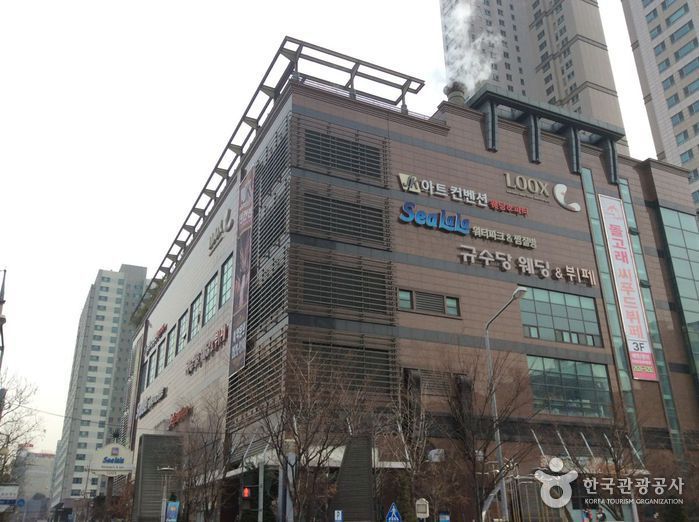
Sealala Water Park is a water park at the heart of the city where one can enjoy water activities across the four seasons. Its name is a portmanteau of the sea and lala, symbolizing the fun one can have in the water park. Inspired by the Mediterranean, the water park has water flowing pool, slides, beach pools, the Kids Land, bath pools, and rotating slides. Amenities onsite include convenience stores, manhwa cafe, and a swimming equipment store. Nearby tourist sites include the Yeongdeungpo Park, The National Assembly Building, and the Yeouido Park.
Cheongansa Temple (천간사)
20.0Km 2021-10-12
20-8, Bulgwang-ro 10-gil, Eunpyeong-gu, Seoul
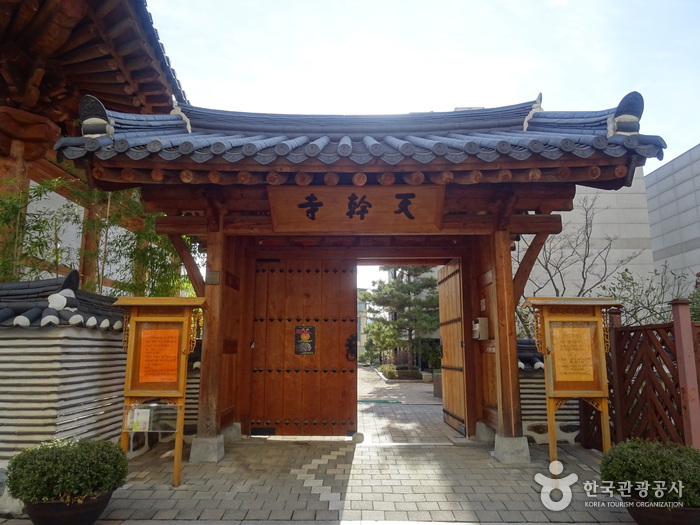
Cheongansa Temple was first built in 1960, and was re-built in 2009. It has many pagodas and monuments: a pagoda filled with sari relics of Buddha; Budotap Pagoda, which is a shrine to the monk who found the temple and his sacred relics; and a monument honoring the late first lady Yuk yeong-su. The re-built temple was awarded the Hanok Prize in the Hanok Competition 2011. Located along the Bukhansan Mt. Dulaegil Trail, the temple provide visitors with the chance to enjoy fresh air and a rest from hiking along the trail.
 English
 한국어
한국어 日本語
日本語 中文(简体)
 Deutsch
 Français
 Español
 Русский


