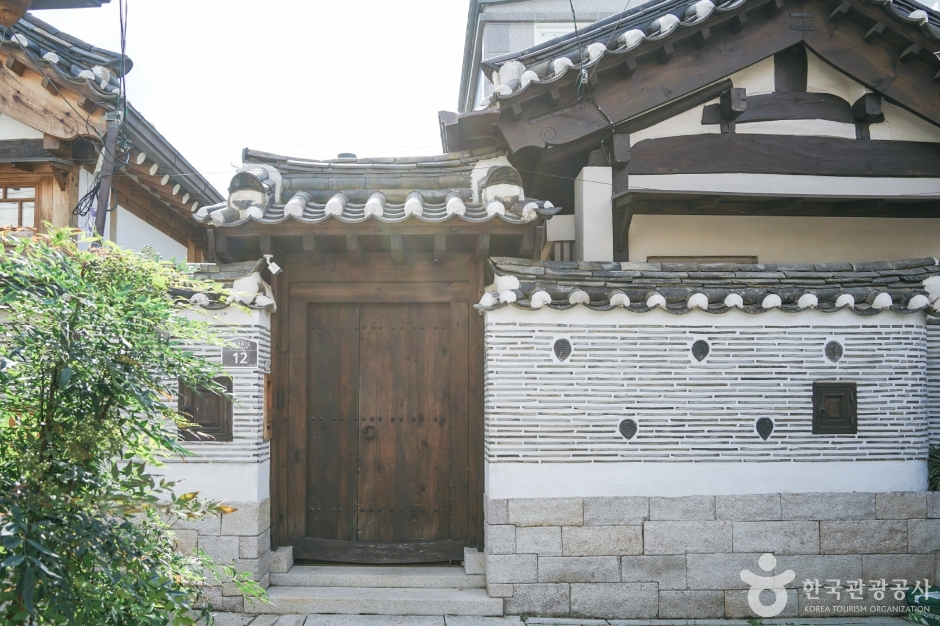
Hanok Essay Seochon (한옥에세이 서촌)
15.2Km 2024-06-04
12 Pirundae-ro 3-gil, Jongno-gu, Seoul
The area of Seochon features both traditional elements as well modern, showing the changes over time. A stay in one of the hanok houses here is the perfect way to feel this unique ambiance. Hanok Essay Seochon provides this experience, open to visitors of all ages.
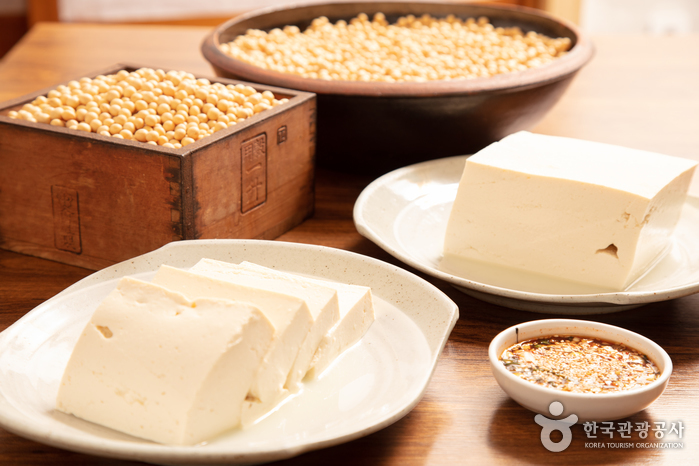
Hwanggeum Kongbat (황금콩밭)
15.2Km 2025-10-31
9 Mapo-daero 16-gil, Mapo-gu, Seoul
Hwanggeum Kongbat specializes in bean curd, using 100% Korean-grown soybeans and salt to make their bean curd fresh daily. The restaurant is famous for their method of making a bean curd that is smooth and maintains the nutty yet sweet flavor of the soybeans.
![Nuengnae Station [Discontinued Station] (능내역 폐역)](http://tong.visitkorea.or.kr/cms/resource/13/2724113_image2_1.jpg)
Nuengnae Station [Discontinued Station] (능내역 폐역)
15.3Km 2025-02-01
566-5 , Dasan-ro, Namyangju-si, Gyeonggi-do
Neungnae Station, located in Namyangju, was discontinued in November 2008 with the opening of Ungilsan Station. The station has been maintained as a monument, with some of the train tracks still in place. A bicycle path in front of the station connects Neungnae Station with the nearby Dasan Historic Site.

Sangchonjae House (상촌재)
15.3Km 2025-11-06
12-11 , Jahamun-ro 17-gil, Jongno-gu, Seoul
Sangchonjae House, run by the Jongno Cultural Foundation, is a traditional hanok cultural space located in Sejong Village, Ogin-dong, Jongno-gu, and operates various cultural Korean programs such as exhibitions, educational experiences, and events to fully experience Korea's four seasons. The name Sangchonjae was conceived from the old name of Sejong Village, the western part of Gyeongbokgung Palace and the birthplace of King Sejong. The house reflects the lifestyle of an ordinary peasant during the Joseon dynasty. It consists of three buildings: the main building, the guesthouse known as sarangchae, and the annex. There is an experience center indoors offering tea ceremonies and traditional game experiences.
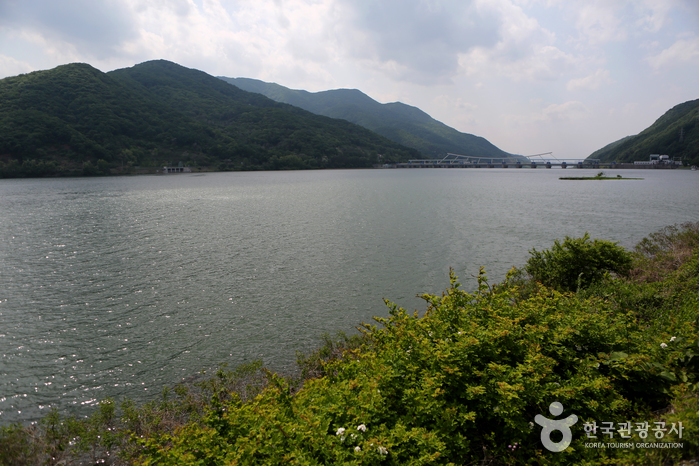
Paldangho Lake (팔당호)
15.3Km 2021-05-25
Namjong-myeon, Gwangju-si, Gyeonggi-do
+82-31-760-2000
Paldangho, a man-made lake, lies beside the townships of Toechon-myeon and Namjong-myeon in Gwangju-si, Gyeonggi-do. Completed in 1973, this reservoir stores approximately 250 million tons of water, which is supplied to the Seoul and Gyeonggi regions. It is also one of Gwangju's tourist attractions, offering an inspiring view and a scenic lakeside drive. Don’t miss a stop at the Paldang Observatory for a breathtaking view of Paldangho Lake.
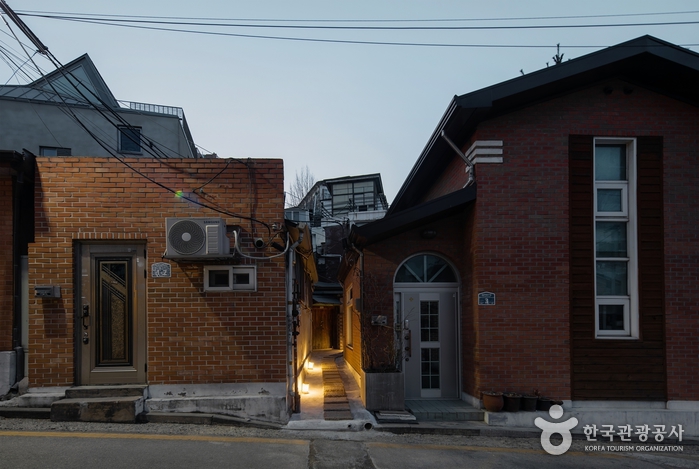
Nuwa (누와)
15.3Km 2024-12-23
3-1 , Pirundae-ro 5na-gil, Jongno-gu, Seoul
+82-504-0904-2313
Nuwa is a small, tastefully-renovated private hanok in the Seochon Village residential area to the west of Gyeongbokgung Palace in Seoul. It gets the light through a window wall in the living room, which contains a walnut table where guests can take tea, and a bathtub: weary travellers will feel better after taking a foot bath or half-body bath. High-quality tea and bath salts are provided. The sleeping space has an unusual round window, like a full moon, facing the bed, through which guests can see the top of Inwangsan Mountain as they fall asleep.
SOSO House (소소하우스)
15.3Km 2024-12-13
16-5 , Pirundae-ro 5ga-gil, Jongno-gu, Seoul
+82-10-5286-0704
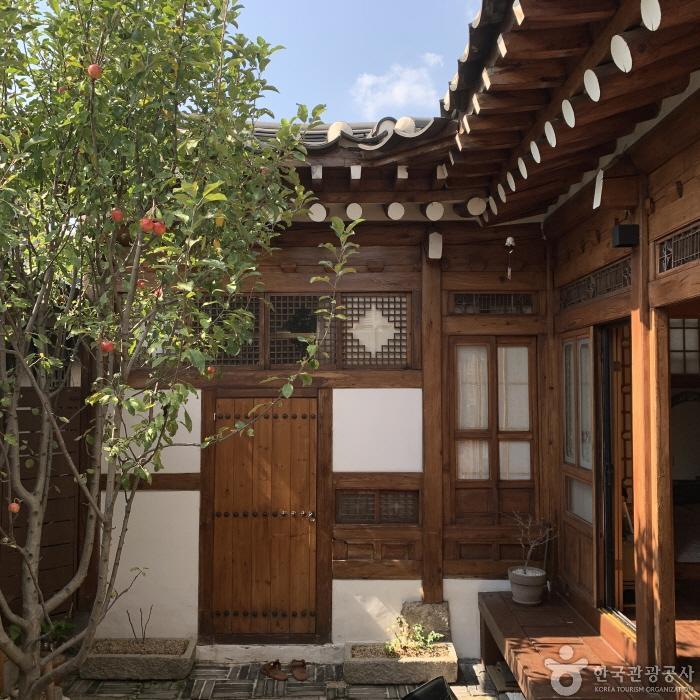
Soso House is a private hanok stay located in Seochon, Jongno-gu, Seoul. Once you enter the gate, you are greeted by a small yard paved with stones and an alpine apple tree. There is a stool on one side of the yard where you can enjoy a cup of tea on a sunny day. In the daecheong maru (wooden-floored hall, there is a master bedroom on one side and a kitchen on the other, and the master bedroom has an attic. Cooking is allowed, and complimentary breakfast includes toast, salad, and coffee, as well as complimentary homemade fruit syrup and tea bags. Gyeongbokgung Palace, Seoul Museum of History, and Park No-Soo Art Museum are all within walking distance.
NUHADANG(누하당)
15.3Km 2024-06-20
49-7 , Pirundae-ro, Jongno-gu, Seoul
+82-2-3391-0010, +82-10-4347-5768
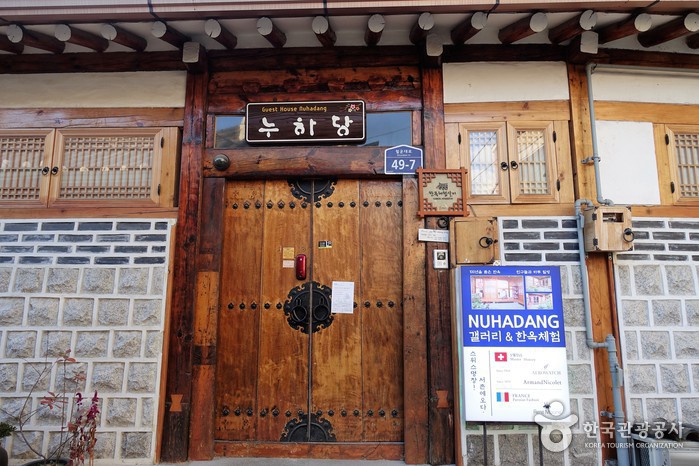
Nuhadang is a traditional hanok with over 100 years of history. It is located in a quiet spot in Seochon, Jongno-gu, Seoul, where many scholars and artists have lived since Joseon times. Rooms are wallpapered with eco-friendly Korean paper, and thick cotton blankets and cypress pillows will sooth travelers' fatigue. In the yard and small garden you can experience traditional Korean culture: janggu drumming, the game of yunnori, and Hanbok clothing. Walking the streets of Seochon - past Yun Dong-ju's hostel, Park No-su's art museum, and Lee Sang's house - you can still feel the atmosphere of old Seoul.
Buramsan Butterfly Garden (불암산나비정원)
15.3Km 2024-07-19
51-27 Hangeulbiseok-ro 12-gil, Nowon-gu, Seoul
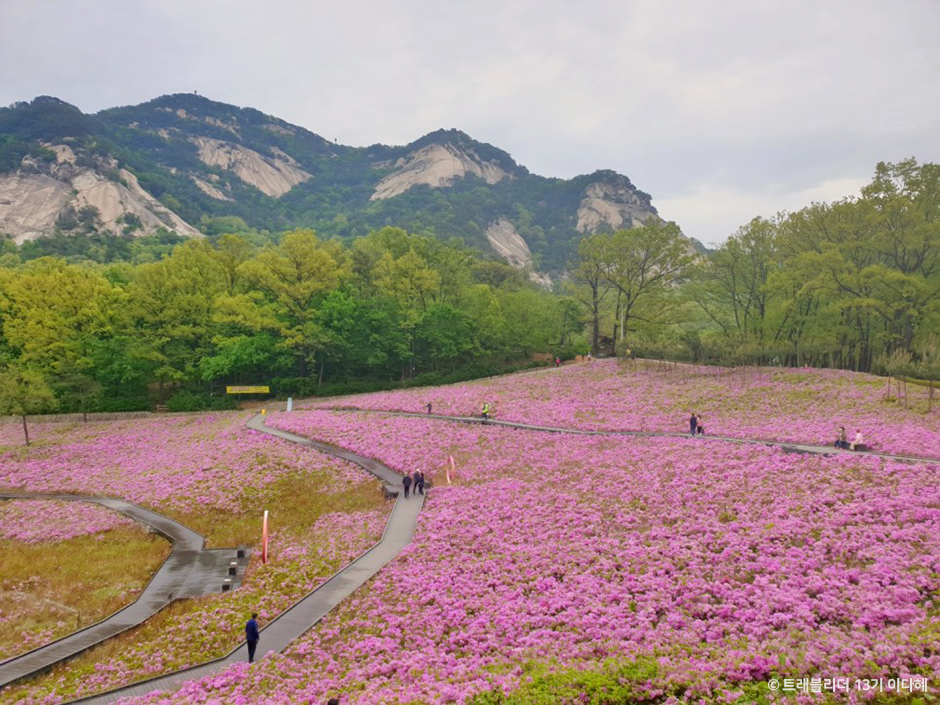
Buramsan Butterfly Garden is located within Buramsan Healing Town in Nowon. It is an exhibition garden where one can observe live butterflies all year round. The main building's first floor comprises an incubation center, a breeding center, and a butterfly greenhouse while the second floor is used as an insect education center. At the insect education center, visiors can observe materials related to and specimens of endangered insect species. Groups require a reservation in advance.
Inwangsan Mountain (인왕산)
15.4Km 2024-03-04
San 2-1, Muak-dong, Jongno-gu, Seoul
+82-2-2148-2834
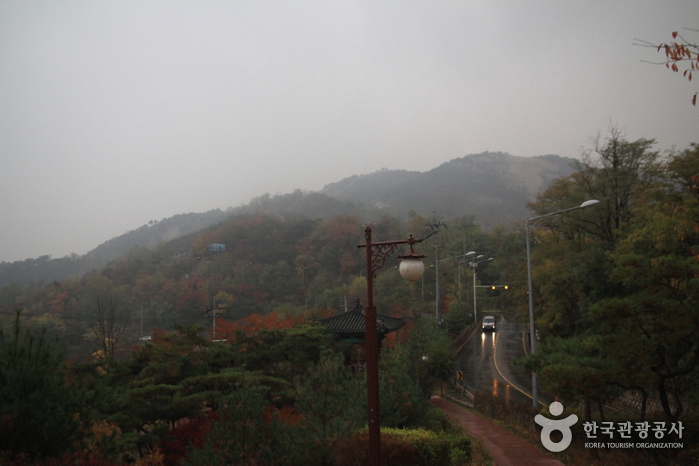
Inwangsan Mountain is a rocky mountain located to the northwestern side of Seoul. It stands 338m tall. The Seoul City Wall is built along its ridge, connecting to the Baegak Mountain Trail. From the summit, one can see the three mountains of Naksan Mountain, Namsan Mountain, and the Bugaksan Mountain surrounding the historical center of Hanyang, the historical name for Seoul in Joseon period, with the Gyeongbokgung Palace at the center. There are five hiking trails, all taking about two hours to complete. It takes about three hours if you want to visit all the peaks of the mountain.
 English
 한국어
한국어 日本語
日本語 中文(简体)
 Deutsch
 Français
 Español
 Русский


