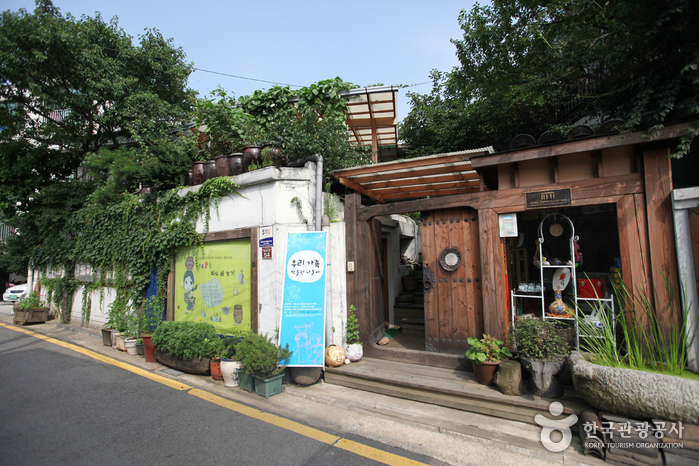
Bukchon Museum (북촌생활사박물관)
14.4Km 2022-08-30
90, Bukchon-ro 5na-gil, Jongno-gu, Seoul
+82-2-736-3957
The Bukchon Museum displays items that have been collected from Bukchon, a historical village that was once home to the nation’s nobility. The museum was founded to observe urban development that took place in the recent decades through collected and preserved veryday household items that were used by Bukchon residents. Visitors are even allowed to touch items on display to better be able to imagine life in Korea before industrialization.
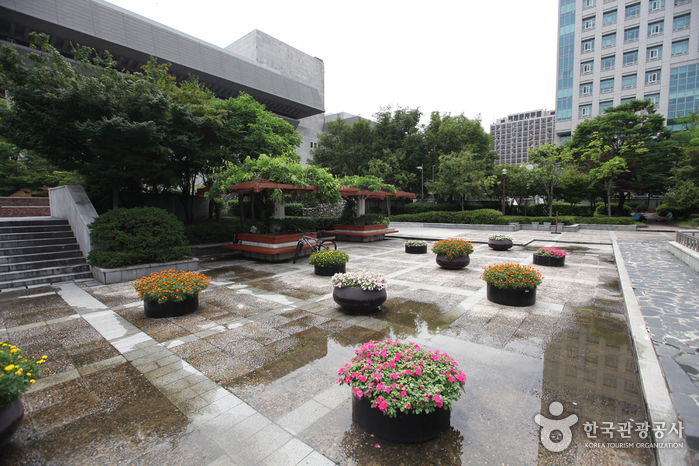
Sejong-ro Park (세종로공원)
14.4Km 2022-08-31
jiha 189, Sejong-daero, Jongno-gu, Seoul
+82-2-722-9598
Sejong-ro Park is located next to Sejong Center for the Performing Arts in central Seoul. Inside the park, there are wooden benches and shaded areas where people can sit and relax. Also available are water fountains, a round outdoor stage, and various sculptures. The lunch crowd from the nearby office buildings often come to the park during weekdays. On the weekends, the park is also used as a venue for outdoor weddings.
Seoul's anthem and the poem "Bulnori" by Ju Yo-han are written on a memorial stone that can be found inside the park.
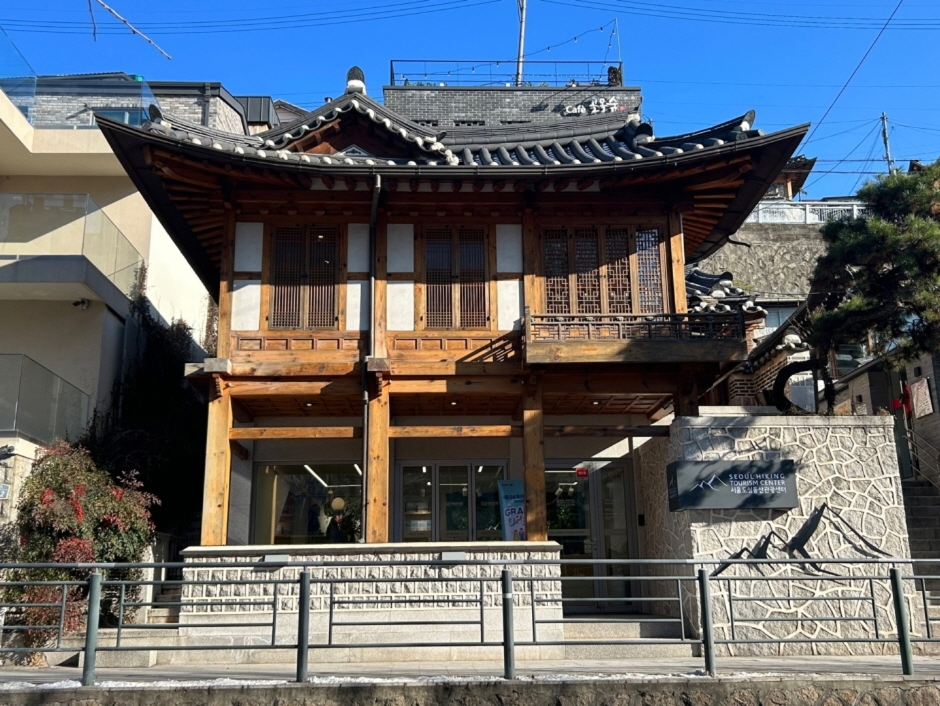
Seoul Hiking Tourism Center - Bugaksan Branch (서울도심등산관광센터(북악산))
14.4Km 2024-03-05
88 Samcheong-ro, Jongno-gu, Seoul
The Bugaksan branch of Seoul Hiking Tourism Center is located on Samcheong-dong Culture Street and provides various services to hikers. It provides hiking course guidance and information (available in Korean, English, Chinese, and Japanese) about the mountains of Seoul, including Bukhansan, Bugaksan, and Inwangsan Mountains, as well as promotional materials such as Seoul hiking tourism guidebooks and maps. Also, it operates hiking tour programs with various themes every week for foreigners and offers hiking gear rental services such as hiking boots, hiking attire, trekking poles, gloves, and crampons for foreigners. (Koreans accompanied by foreigners can also rent the gear.) In addition, there is a storage locker and lounge for visitors, so they can pack up and rest before hiking.

La:ppland [Tax Refund Shop] (라플란드)
14.4Km 2024-04-16
Bldg. Ga. 1F, 83, Samcheong-ro, Jongno-gu, Seoul
-
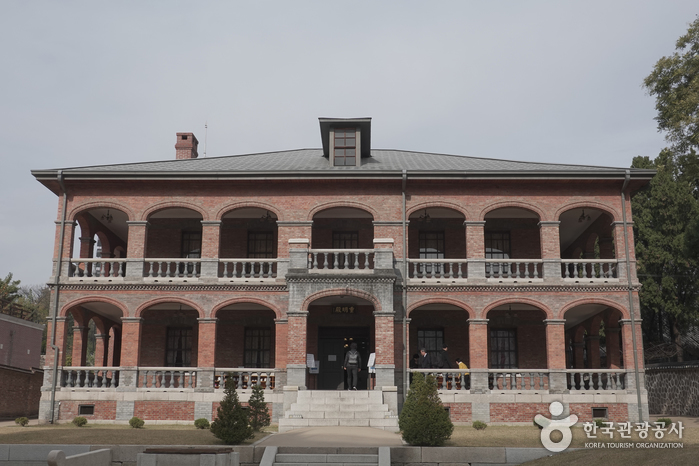
Jungmyeongjeon Hall (중명전)
14.4Km 2025-01-09
41-11, Jeongdong-gil, Jung-gu, Seoul
+82-2-752-7525
Located near Deoksugung Palace, Jungmyeongjeon Hall is a red-brick modern Western-style building. It was built in 1899 as the imperial library of the Korean Empire. After Deoksugung Palace caught on fire in 1904, the place became the temporary residence of Emperor Gojong. It also witnessed the tragic part of history in which the infamous Eulsa Treaty (Japan-Korea Protectorate Treaty), an illegal treaty forced by Japan, was signed in 1905. Its exhibition hall serves as a place for historical education.
SEVEN LUCK CASINO - Seoul Dragon City Branch (세븐럭카지노(서울드래곤시티점))
14.4Km 2023-07-21
95, Cheongpa-ro 20-gil, Yongsan-gu, Seoul
A special experience at the center of Seoul
Seven Luck Casino in Seoul Dragon City is located in Yongsan, Seoul, the center of Korean tradition and culture. This casino branch presents a grand x_height and wide space, decorated with a sensual interior design for elegance and comfort on a site of 3,146.96 m2. It is full of up-to-date casino facilities, such as Baccarat, Blackjack, Roulette, Tai-Sai, Seven Luck Poker, Casino War, Electronic Table Games (ETG), and slot machines. There are many famous hotels, tourist sites, and cultural heritage sites nearby Seven Luck Casino in Seoul Dragon City. Besides the casino, visitors can experience various traditional and contemporary cultures of South Korea.
* Seven Luck Casino is exclusively for the use of foreigners.
* Must be 19 years of age or older to enter.
* Passports are required to verify the age and nationality of patrons.
* Metal detectors are used as an added safety precaution.
Gilsangsa Temple (Seoul) (길상사(서울))
14.4Km 2025-06-17
68 Seonjam-ro 5-gil, Seongbuk-gu, Seoul
+82-2-3672-5945
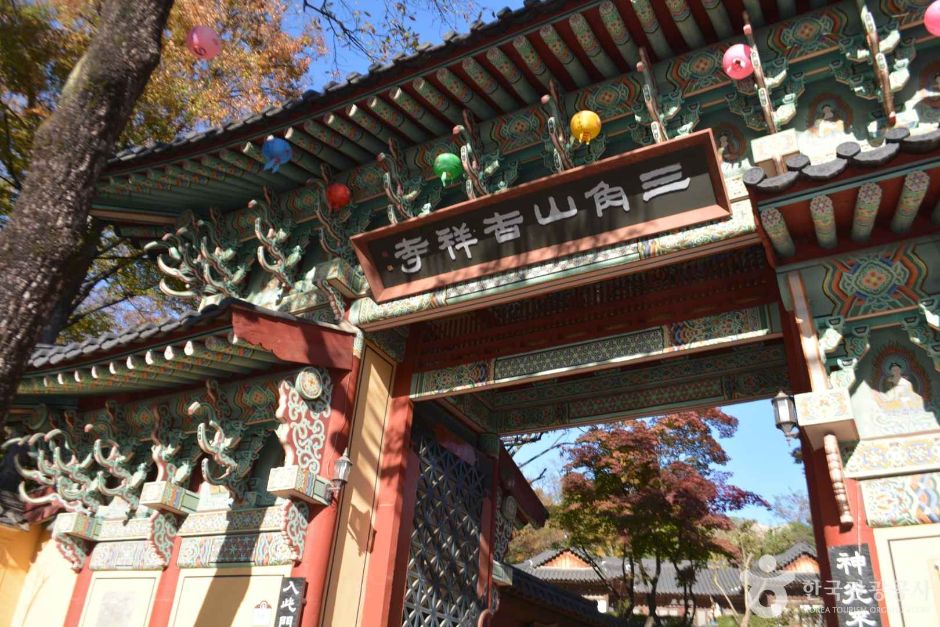
Gilsangsa Temple is a prominent temple located in Seongbuk-dong, Seoul. The name Gilsangsa means "a favorable and auspicious temple." Visitors can experience temple, participate in Buddhist practices, and even enjoy Templestay programs on weekends. In fall, visitors can admire red spider lilies and wildflowers, immersing themselves in the beauty of nature and finding inner peace.
Hyosajeong Pavilion (효사정)
14.4Km 2025-01-13
55, Hyeonchung-ro, Dongjak-gu, Seoul
+82-2-820-9848
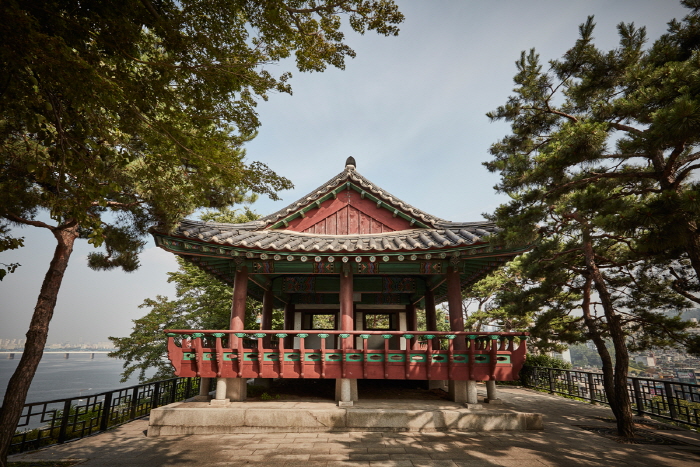
Hyosajeong Pavilion is where Nohan, the second vice premier of the Joseon dynasty during King Sejong and King Sejo’s reign, stayed. After he lost his mother, he built the pavilion to mourn at her grave while still being able to see his father’s grave in Gaeseong to the North. His brother-in-law, then Minister of the Interior, Gang Sa-deok named the pavilion “Hyosajeong,” which means pavilion of filial piety.
In order to find the original location of the pavilion, poems by Jeong Inji and Seo Geojeong and an old map of Korea were referenced, but the pavilion was not found because the surrounding landscape had changed too much. As a result, a location was selected and the pavilion was reconstructed at its current location. The house is 3 kan* in the front and 2 kan* on the side. The roof is a hip-and-gable roof. The pavilion has one room with under floor heating and a railing around the pavilion
(* kan: a traditional measurement that corresponds to the space between two columns)
Seosomun Historical Park (서소문역사공원)
14.4Km 2023-08-11
5, Chilpae-ro, Jung-gu, Seoul
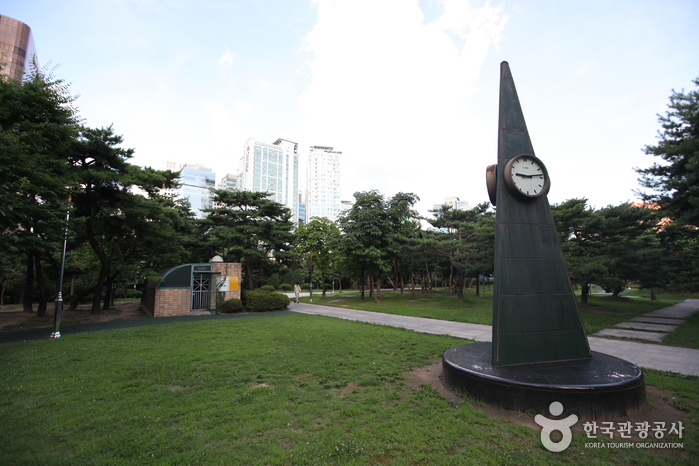
The Seosomun Gate area, which is located outside Seosomun Gate, was used as a persecution site in the 19th century before it turned into the local park of today. Many Catholics were suppressed and martyred here, making the area a holy site for Korean Catholics. Seosomun Gate was a gateway to Chilpae Market located near Namdaemun Gate. It was always busy with passerbys and the persecution site was established outside the gate to set an example of crime punishment to all the witnesses.
On May 15, 1999, a memorial tower was raised at the center of the park in honor of the martyrs. In 2013, Seoul's Jung-gu district also founded Seosumun Holy Shrine History Museum with a memorial exhibition hall in their honor.
Gwanghwamun Gate (광화문)
14.4Km 2024-12-04
161 Sajik-ro, Jongno-gu, Seoul
+82-2-3700-3900
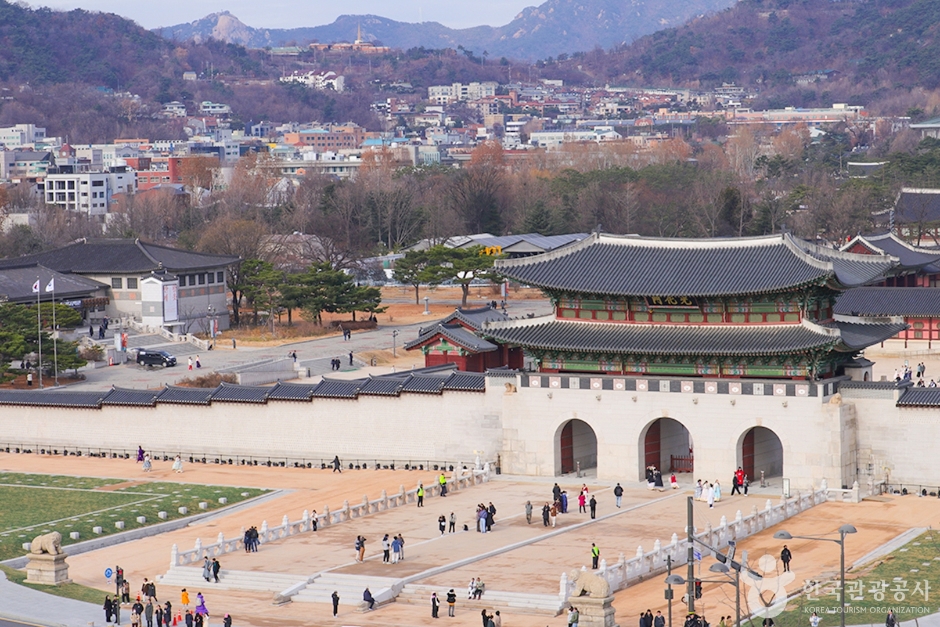
Built in 1395 under the reign of King Taejo, the first king of the Joseon dynasty, Gwanghwamun Gate is the southern gate of Gyeongbokgung Palace. It is also the main gate of the palace, therefore larger and fancier in comparison to the other gates. Gwanghwamun Gate consists of three arched gates; the center gate was used by the king, while the other two were used by the crown prince and royal officials. The tall granite walls of the gate serve as a platform for the wooden gate tower that watches over the city. The gate has a sign with its name written at the top center of the gate tower.
Gwanghwamun Gate went through several damages and restorations over the course of history. It was first severely damaged during the Imjin War (1592-1598) and was not restored until the reconstruction of Gyeongbokgung Palace in 1864. Under the Japanese administration, the gate was demolished and relocated to the north of the palace's eastern gate, followed by series of damages during the Korean War (1950-1953). In 1968, Gwanghwamun Gate was relocated back to the south of the palace and was rebuilt using concrete; however, the gate’s position was shifted a few meters away from its original location. In 2006, a major reconstruction project took place to restore Gwanghwamun Gate to its original state and location, disassembling the structure completely and replacing concrete with granite and wood. After three years and eight months of construction, Gwanghwamun Gate was fully restored to its original form and was open to the public on August 15, 2010.
 English
 한국어
한국어 日本語
日本語 中文(简体)
 Deutsch
 Français
 Español
 Русский


