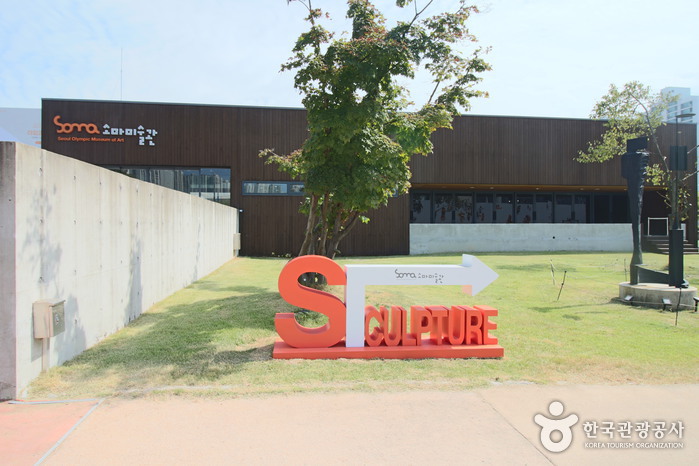
Soma Museum of Art (소마미술관)
2.9Km 2023-04-13
424, Olympic-ro, Songpa-gu, Seoul
+82-2-425-1077
Soma Museum of Art was opened in September 2004 as a cultural space amid the nature of Seoul Olympic Park. The museum displays over 222 sculptures, and offers a variety of cultural and educational programs, including the nation's first drawing center and archive.
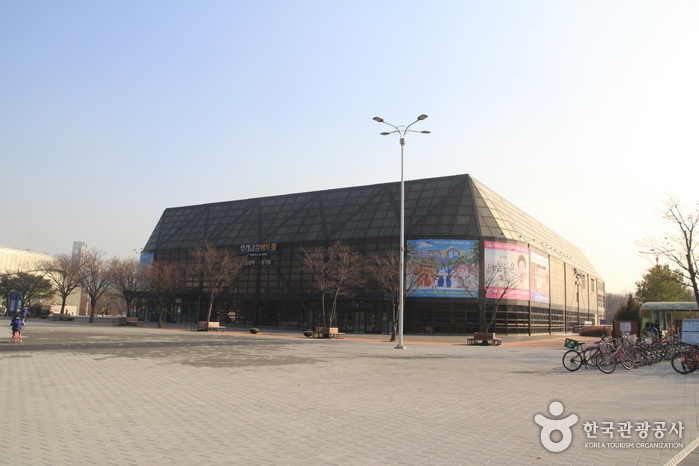
Olympic Park Stadium (올림픽공원 경기장)
2.9Km 2021-06-11
424, Olympic-ro, Songpa-gu, Seoul
+82-2-410-1114
Olympic Park is an expansive outdoor area for Seoul residents to enjoy, offering facilities and venues for a range of events including athletic competitions, concerts and other performances. The park houses athletic facilities including the gymnasium of the ’88 Seoul Olympic Games, a fencing stadium, weightlifting stadium, swimming pool and tennis courts. Moreover, those venues are multi-purpose facilities that can host a wide range of events and performances.
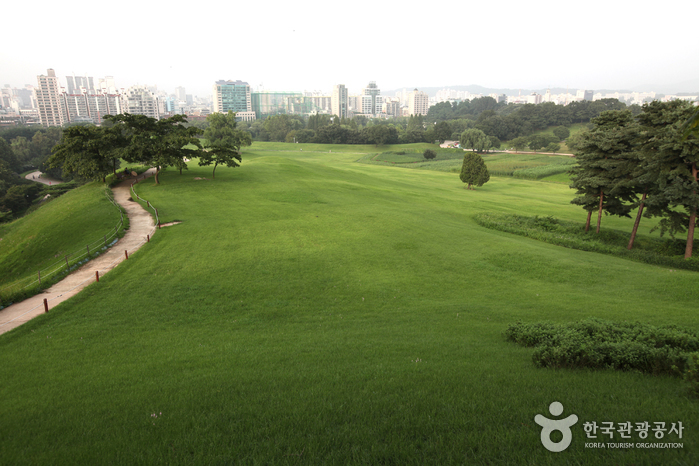
Seoul Mongchontoseong Earthen Fortification (서울 몽촌토성)
2.9Km 2024-03-12
424, Olympic-ro, Songpa-gu, Seoul
+82-2-2147-2814
Mongchontoseong Earthen Fortification is an ancient earthen fortress built during the Hanseong period of the ancient Korean kingdom of Baekje (BC 18-AD 660). It is believed to have been constructed in the 3rd to 4th centuries. Utilizing the natural advantages of the Hangang River, it served defensive purposes with its trench and log barrier. Excavated relics from the Baekje era are on display at the Seoul Baekje Museum. The site is situated within the Olympic Park in Songpa, Seoul.
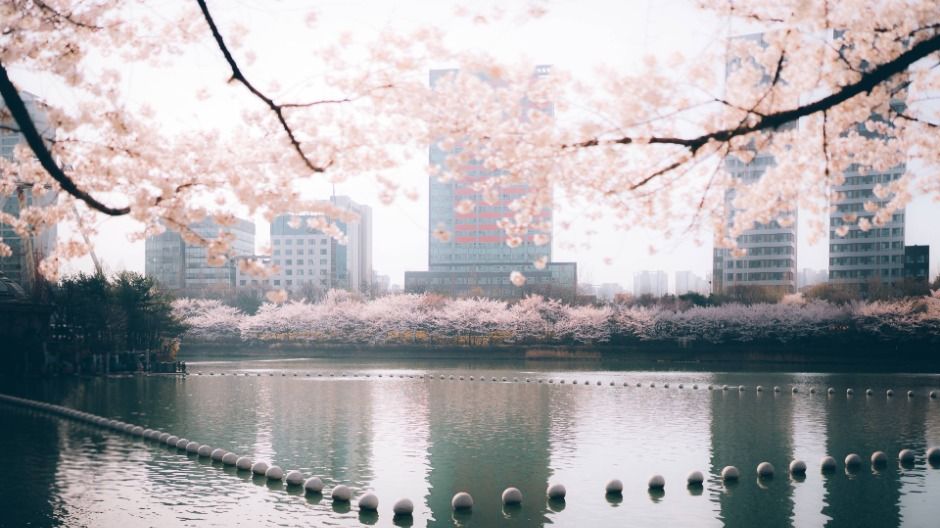
Seokchon Lake Cherry Blossom Festival (호수벚꽃축제)
3.0Km 2025-03-25
136 Samhaksa-ro, Songpa-gu, Seoul
+82-2-2147-2800
Seokchon Lake Cherry Blossom Festival is an annual event held at Seokchon Lake. The event takes place between late March to mid-April, when cherry blossoms beautifully decorate the lakeside park. In addition, a variety of performances, exhibitions, and hands-on activities also take place during the festival period.
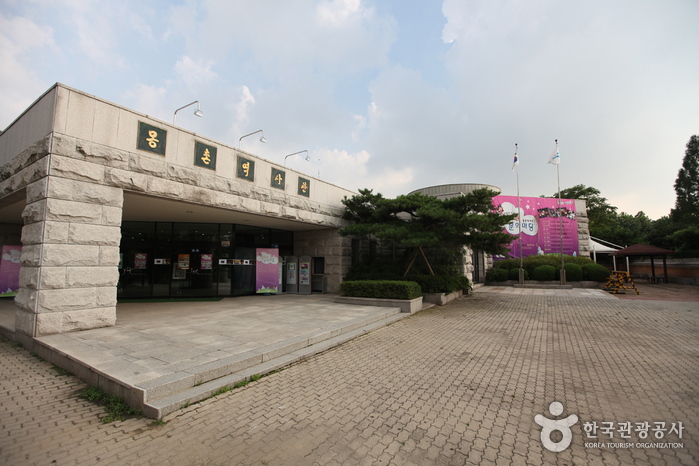
Mongchon Museum of History (몽촌역사관)
3.0Km 2021-08-13
424, Olympic-ro, Songpa-gu, Seoul
+82-2-2152-5900
The Mongchon Museum of History, located within Olympic Park, displays artifacts from the excavations of Mongchontoseong Fortress, such as earthen fortifications as well as other artifacts of the Baekje Kingdom period, offering a glimpse into Baekje culture. A model of a Baekje dugout hut site reveals ancient dwelling patterns. Also, the facility displays a perfectly preserved model of ancient houses and tombs, giving visitors the feel of traveling back to prehistoric ages.

Olympic Park (올림픽공원)
3.0Km 2023-10-19
424 Olympic-ro, Songpa-gu, Seoul
+82-2-410-1114
Olympic Park is an impressive leisure facility in which historic remains from the Baekje era share space with modern, state-of-the-art sports stadiums, an eco-friendly forest, and spacious grass fields. The legacy of the 1988 Seoul Olympics, the park not only houses the country’s largest sports arena, but has also become a place where Seoul residents come to relax and unwind.
Spread across approximately 1.45 million square meters, Olympic Park encompasses the land that was once Mongchontoseong Fortress and Mongchonhaeja (manmade lake) from the early Baekje period. The park is divided into several zones, including a leisure sports park, a cultural art park, an eco-park, and the History Experience Park dedicated to the area’s rich historic heritage.
Because Olympic Park is so large and takes over three hours to explore, visitors are advised to familiarize themselves with entrances and exits and travel routes before they start. To further save time, visitors can ride the Road Train (“Hodori Train”) located next to Peace Square.
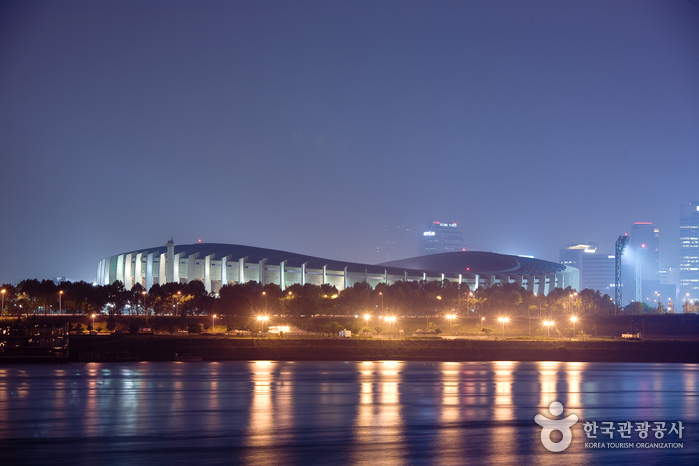
Seoul Sports Complex (Jamsil Sports Complex) (서울종합운동장(잠실종합운동장))
3.0Km 2024-12-02
25 Olympic-ro, Songpa-gu, Seoul
Seoul Sports Complex, located in Songpa, Seoul, hosted the 1986 Asian Games and the 1988 Summer Olympics. It consists of a main stadium, a baseball stadium, an indoor stadium, a students' gymnasium, an indoor swimming pool, and auxiliary stadiums. It serves as the venue for professional baseball and basketball games in Korea, as well as frequent K-pop concerts. Conveniently linked to subway lines 2 and 9, it offers easy access for visitors.

Songwol Naengmyeon (송월냉면)
3.1Km 2023-12-22
26 Gucheonmyeon-ro 29-gil, Gangdong-gu, Seoul
Songwol Naengmyeon is a cold noodle restaurant passed down for two generations, from 1988 to the present. It is a restaurant specializing in naengmyeon, or cold buckwheat noodles. It has three simple menu items: yeolmu naengmyeon (cold buckwheat noodles with young summer radish kimchi), mul naengmyeon (cold buckwheat noodles), and bibim naengmyeon (spicy buckwheat noodles). Yeolmu is the stem of young radish and is used as an ingredient in kimchi, one of the traditional Korean fermented foods, as well as salads, naengmyeon, and bibimbap. Harvest usually begins in early summer, so it can often be found on dinner tables in the summer. The combination of naengmyeon with ice, young radish, and cool dongchimi (radish water kimchi) creates a wholesome and refreshing taste. This restaurant is also popular among locals and visitors may have to wait in line during peak hours, but manages their table turnover in an organized fashion so their customers in queue won’t have to wait for too long.
![LG Best Shop - Songpa Branch [Tax Refund Shop] (엘지베스트샵 송파점)](http://tong.visitkorea.or.kr/cms/resource/25/2879325_image2_1.jpg)
LG Best Shop - Songpa Branch [Tax Refund Shop] (엘지베스트샵 송파점)
3.1Km 2024-04-18
476, Songpa-daero, Songpa-gu, Seoul
-
![Artbox - Jamsilsaenae Branch [Tax Refund Shop] (아트박스 잠실새내점)](http://tong.visitkorea.or.kr/cms/resource/21/3314521_image2_1.jpg)
Artbox - Jamsilsaenae Branch [Tax Refund Shop] (아트박스 잠실새내점)
3.1Km 2024-06-27
88, Seokchonhosu-ro, Songpa-gu, Seoul
-
 English
 한국어
한국어 日本語
日本語 中文(简体)
 Deutsch
 Français
 Español
 Русский


