
Cheonggyesan Mountain (청계산)
10.7Km 2024-03-20
Makgye-dong, Gwacheon-si, Gyeonggi-do
Standing at 618 meters above sea level, Cheonggyesan Mountain boarders the area of Yangjae-dong, Seoul and Gwacheon-si, Seongnam-si, and Uiwang-si, Gyeonggi-do. From the top, visitors can enjoy panoramic views of Seoul's city center and Gyeonggi-do. The mountain is well-maintained with various hiking trails, making it easy to climb even for beginners. In the fall, the mountain is known for its stunning fall foliage, attracting numerous visitors.
Nodeul Island (노들섬)
10.7Km 2024-11-01
445 Yangnyeong-ro, Yongsan-gu, Seoul
Nodeul Island seems like an island floating in the middle of the Hangang River. The island was opened to the public in 2012 as a recreational area while preserving most of its original form. In 2019, the island was equipped with more facilities to serve as a cultural entertainment spot to the public.
JaneDMCKorea (주)제인디엠씨코리아)
10.7Km 2025-10-23
(4th Floor), 51 Mallijae-ro, Mapo-gu, Seoul
Jane DMC Korea is an inbound travel agency and international patient recruitment organization established in 2006. Headquartered in Seoul, with branch offices in Busan, Indonesia, and India, the company develops and sells programs for international clients in 40 countries while also attracting international patients.
Hwanggeum Kongbat (황금콩밭)
10.8Km 2025-10-31
9 Mapo-daero 16-gil, Mapo-gu, Seoul
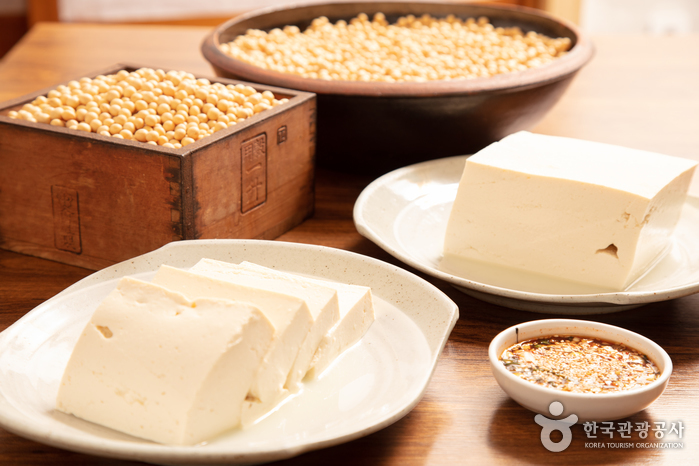
Hwanggeum Kongbat specializes in bean curd, using 100% Korean-grown soybeans and salt to make their bean curd fresh daily. The restaurant is famous for their method of making a bean curd that is smooth and maintains the nutty yet sweet flavor of the soybeans.
Nuwa (누와)
10.8Km 2024-12-23
3-1 , Pirundae-ro 5na-gil, Jongno-gu, Seoul
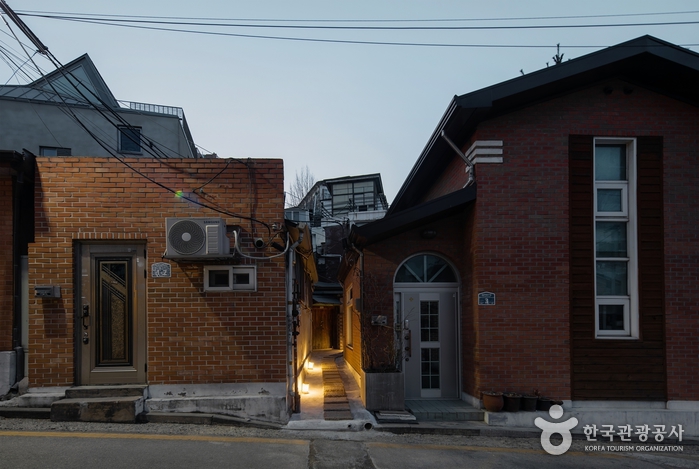
Nuwa is a small, tastefully-renovated private hanok in the Seochon Village residential area to the west of Gyeongbokgung Palace in Seoul. It gets the light through a window wall in the living room, which contains a walnut table where guests can take tea, and a bathtub: weary travellers will feel better after taking a foot bath or half-body bath. High-quality tea and bath salts are provided. The sleeping space has an unusual round window, like a full moon, facing the bed, through which guests can see the top of Inwangsan Mountain as they fall asleep.
SOSO House (소소하우스)
10.8Km 2024-12-13
16-5 , Pirundae-ro 5ga-gil, Jongno-gu, Seoul
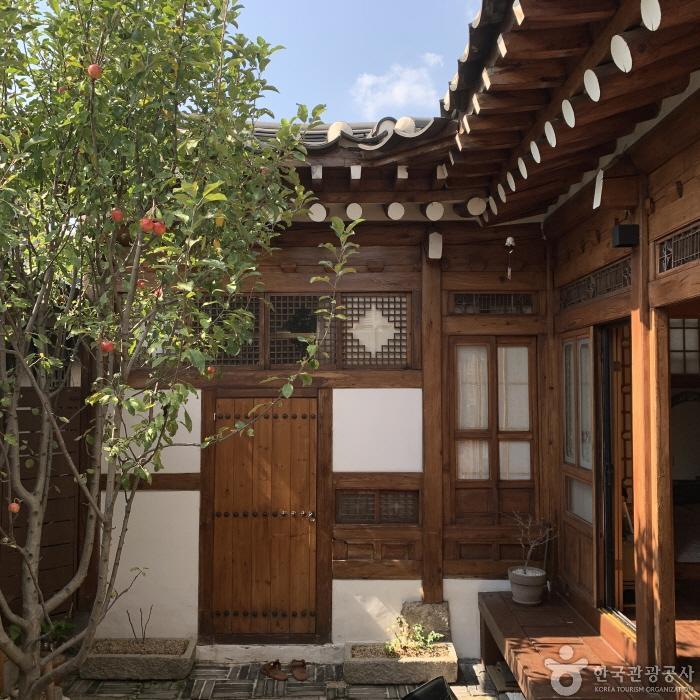
Soso House is a private hanok stay located in Seochon, Jongno-gu, Seoul. Once you enter the gate, you are greeted by a small yard paved with stones and an alpine apple tree. There is a stool on one side of the yard where you can enjoy a cup of tea on a sunny day. In the daecheong maru (wooden-floored hall, there is a master bedroom on one side and a kitchen on the other, and the master bedroom has an attic. Cooking is allowed, and complimentary breakfast includes toast, salad, and coffee, as well as complimentary homemade fruit syrup and tea bags. Gyeongbokgung Palace, Seoul Museum of History, and Park No-Soo Art Museum are all within walking distance.
NUHADANG(누하당)
10.8Km 2024-06-20
49-7 , Pirundae-ro, Jongno-gu, Seoul
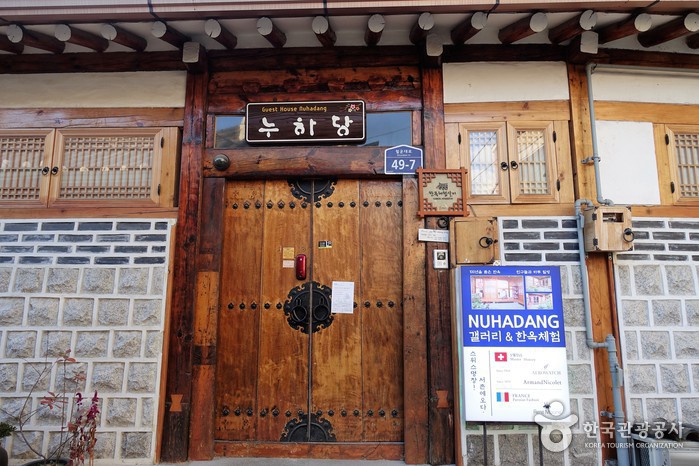
Nuhadang is a traditional hanok with over 100 years of history. It is located in a quiet spot in Seochon, Jongno-gu, Seoul, where many scholars and artists have lived since Joseon times. Rooms are wallpapered with eco-friendly Korean paper, and thick cotton blankets and cypress pillows will sooth travelers' fatigue. In the yard and small garden you can experience traditional Korean culture: janggu drumming, the game of yunnori, and Hanbok clothing. Walking the streets of Seochon - past Yun Dong-ju's hostel, Park No-su's art museum, and Lee Sang's house - you can still feel the atmosphere of old Seoul.
Chung-Ang Uiversity Hospital (중앙대학교병원)
10.8Km 2025-10-23
102 Heukseok-ro, Dongjak-gu, Seoul
Since its foundation in 1968, Chung-Ang University Hospital has been striving to contribute to the health and happiness of humanity by achieving the best in medical treatment, research, and education based on our core values of "professionalism, fairness, change/innovation, communication/harmony, and empathy/care.”
As a leader in severe disease treatment, we work with highly qualified medical staff and specialized professionals, receiving the top rating in all cancer procedures evaluated (colon, stomach, breast, and lung) by the Ministry of Health and Welfare and the Health Insurance Review and Assessment Service, and the top rating in the care appropriateness evaluation for acute stroke, coronary artery bypass, intensive care unit (adults and newborns), and hemodialysis.
In a “rating from visitor reviews” conducted by a major domestic portal site, we ranked first out of 13 major tertiary hospitals in Seoul, maintaining our reputation as the friendliest hospital in Korea trusted by patients.
DOWON TOUR (도원국제여행사)
10.8Km 2025-10-23
(#323), 9 Gongneung-ro 59ga-gil, Nowon-gu, Seoul
Based on my previous experience as a Korean and Japanese language guide in China, I established Dowon International Travel Agency in 2023.
Our main focus is on medical tourism for Chinese clients, offering not only tours of popular destinations and shopping in Korea, but also services for VIP guests such as plastic surgery and health checkups.
Inwangsan Mountain (인왕산)
10.8Km 2024-03-04
San 2-1, Muak-dong, Jongno-gu, Seoul
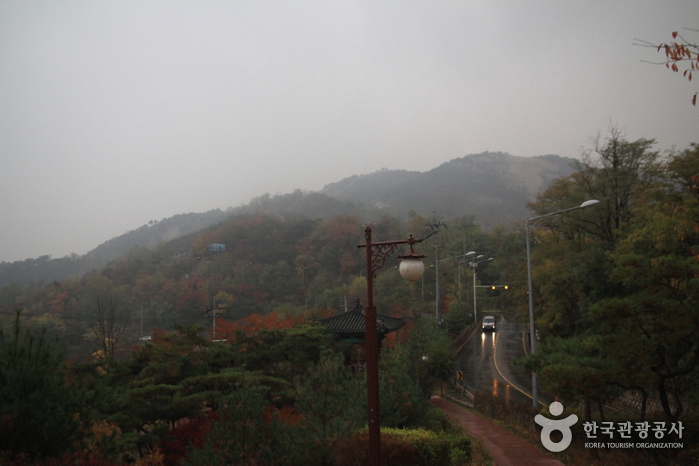
Inwangsan Mountain is a rocky mountain located to the northwestern side of Seoul. It stands 338m tall. The Seoul City Wall is built along its ridge, connecting to the Baegak Mountain Trail. From the summit, one can see the three mountains of Naksan Mountain, Namsan Mountain, and the Bugaksan Mountain surrounding the historical center of Hanyang, the historical name for Seoul in Joseon period, with the Gyeongbokgung Palace at the center. There are five hiking trails, all taking about two hours to complete. It takes about three hours if you want to visit all the peaks of the mountain.
 English
 한국어
한국어 日本語
日本語 中文(简体)
 Deutsch
 Français
 Español
 Русский


