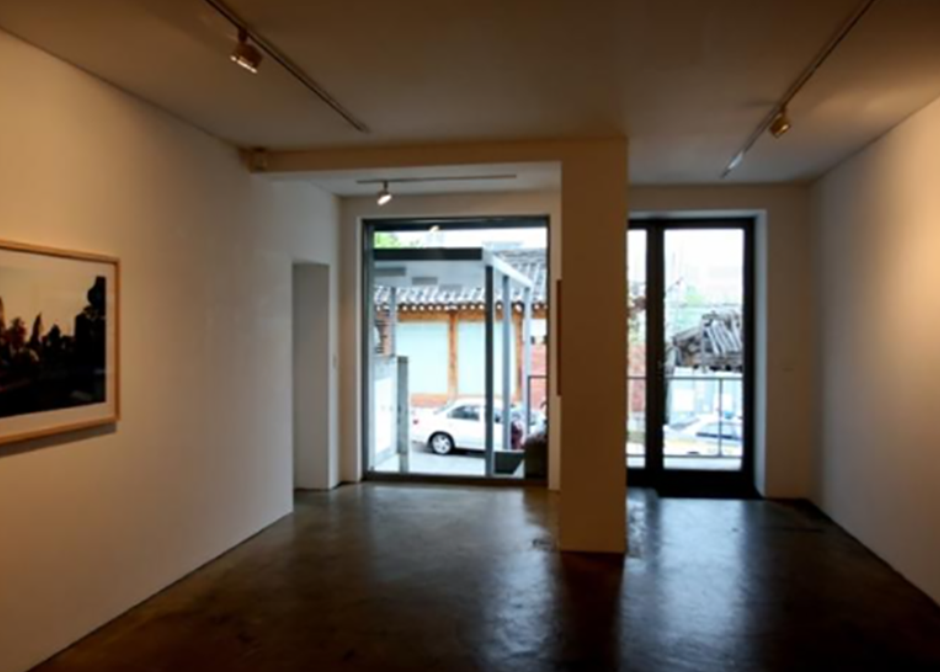
PKM Gallery (PKM갤러리)
9.4Km 2024-03-18
40 Samcheong-ro 7-gil, Jongno-gu, Seoul
PKM Gallery, now providing 397 square meters of exhibition space, includes a main building with a maximum x_height of 5.5 meters comprising two upper stories and a two-story basement. PKM+, an annex built in 2018, has one upper story and a basement floor and is equipped with a boutique-like gallery space.
The gallery not only exhibits the works of leading figures in Korean contemporary art, but has also succeeded in introducing renowned international artists to the Korean audience. As an incubator for emerging young artists, PKM Gallery has been organizing exhibitions to encourage their growth as leading artists of the next generation. PKM gallery, the first among the Korean galleries invited to participate in the Frieze Art Fair in 2004, played a major role in advancing Korean contemporary art to the global art market.
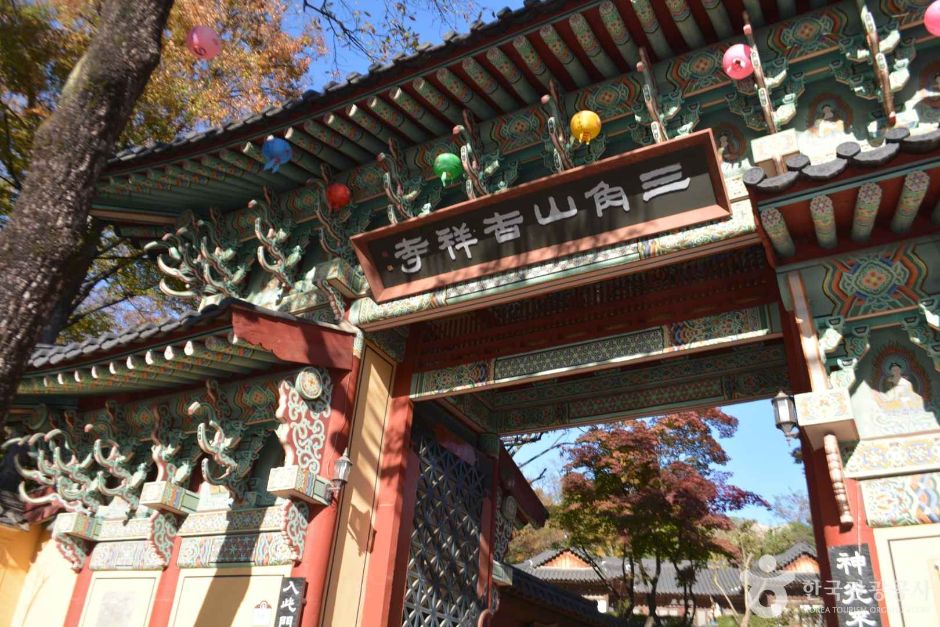
Gilsangsa Temple (Seoul) (길상사(서울))
9.4Km 2025-06-17
68 Seonjam-ro 5-gil, Seongbuk-gu, Seoul
+82-2-3672-5945
Gilsangsa Temple is a prominent temple located in Seongbuk-dong, Seoul. The name Gilsangsa means "a favorable and auspicious temple." Visitors can experience temple, participate in Buddhist practices, and even enjoy Templestay programs on weekends. In fall, visitors can admire red spider lilies and wildflowers, immersing themselves in the beauty of nature and finding inner peace.
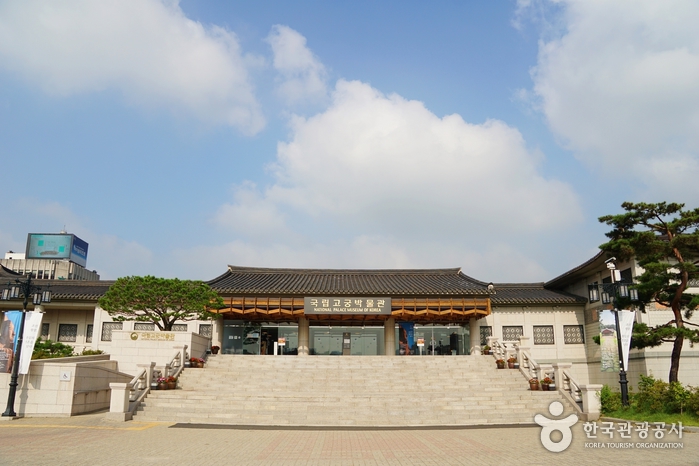
National Palace Museum of Korea (국립고궁박물관)
9.4Km 2023-03-24
12, Hyoja-ro, Jongno-gu, Seoul
+82-2-3701-7500
The National Palace Museum of Korea displays over 40,000 relics from the Joseon dynasty. With various treasures on exhibit, the museum continues to provide information on the dignity of royal culture and the creativity of royal cultural assets.

Artbox - Guri Branch [Tax Refund Shop] (아트박스 구리)
9.4Km 2024-04-19
A section and 2F, 247, Gyeongchun-ro, Guri-si, Gyeonggi-do
-
![Olive Young - Guri Station Branch [Tax Refund Shop] (올리브영 구리역)](http://tong.visitkorea.or.kr/cms/resource/63/2888663_image2_1.jpg)
Olive Young - Guri Station Branch [Tax Refund Shop] (올리브영 구리역)
9.4Km 2024-04-18
247, Gyeongchun-ro, Guri-si, Gyeonggi-do
-
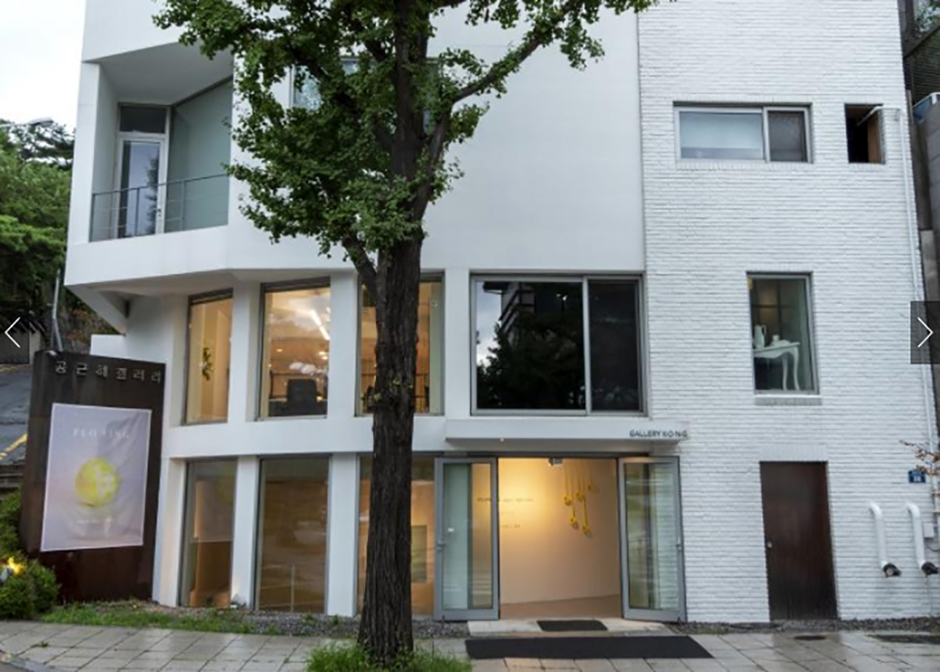
K.O.N.G Gallery (공근혜갤러리)
9.4Km 2025-10-28
38 Samcheong-ro 7-gil, Jongno-gu, Seoul (Samcheong-dong)
Since its opening in 2005, the gallery has made a significant impact on the Korean photography scene by introducing world-class photographers to Korea. It relocated to its present site next to the Cheongwadae, Samcheong-dong, in 2010, adding spaces for painting, sculpture, video, installation, and other forms of contemporary art. The gallery focuses on artists based in Paris, London, and New York, presenting works that represent the current state of contemporary art in the 21st century. It also plays a vital role as a Korean gallery by discovering young Korean artists and supporting their overseas activities.
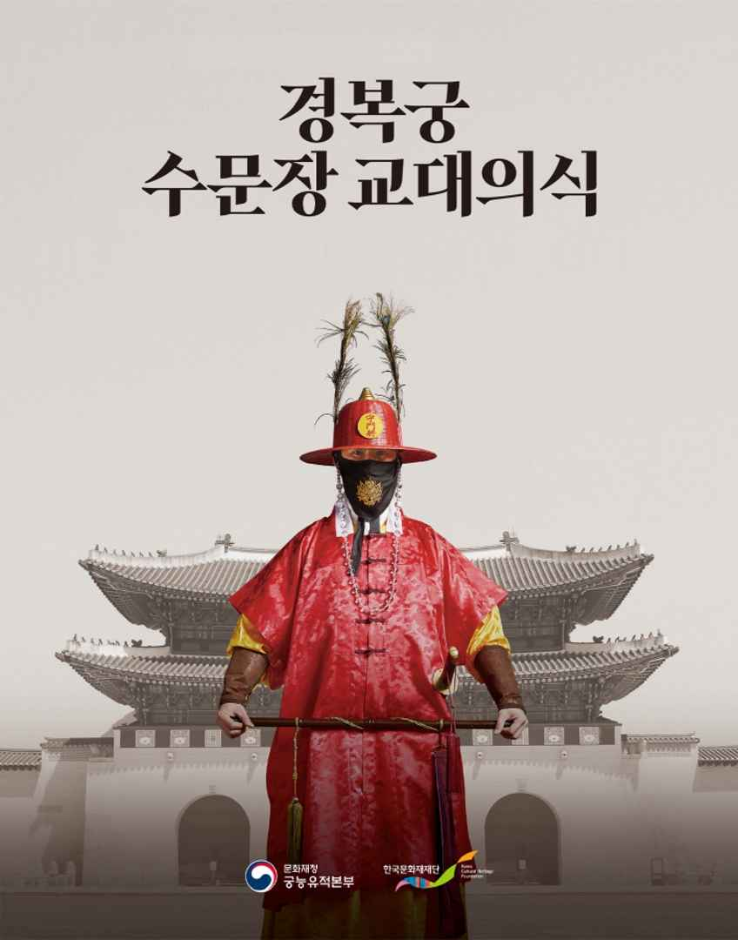
Palace Royal Guard Changing Ceremony (수문장 교대의식)
9.4Km 2025-07-11
161 Sajik-ro, Jongno-gu, Seoul
+82-2-3210-1645
In the Joseon dynasty, the royal guards of the palace were gatekeepers who were responsible for guarding the the main gates of Gyeongbokgung Palace as well as the main gates of the city such as Heunginjimun Gate and Sungnyemun Gate. The royal guards worked in shift duties and were in charge of opening and closing Gwanghwamun Gate. Before the royal guard system was enforced in 1469, the palace gates were protected by soldiers of the central army. The Palace Royal Guard Changing Ceremony held at Gyeongbokgung Palace and the Gwanghwamun area reenacts the guard-changing procedure that took place during the Joseon dynasty, along with the reproduction of costumes and weapons, based on historical records.
![ER Shoopen - IPARK Mall Branch [Tax Refund Shop] (ER 슈펜 아이파크몰)](http://tong.visitkorea.or.kr/cms/resource/76/2888676_image2_1.jpg)
ER Shoopen - IPARK Mall Branch [Tax Refund Shop] (ER 슈펜 아이파크몰)
9.4Km 2024-04-19
2F, 55, Hangang-daero 23-gil, Yongsan-gu, Seoul
-
![Nike - IPARK Mall Branch [Tax Refund Shop] (나이키 용산아이파크)](http://tong.visitkorea.or.kr/cms/resource/16/2889616_image2_1.jpg)
Nike - IPARK Mall Branch [Tax Refund Shop] (나이키 용산아이파크)
9.4Km 2024-04-23
6F, 55, Hangang-daero 23-gil, Yongsan-gu, Seoul
-
![Zara - IPARK Mall Branch [Tax Refund Shop] (자라 아이파크몰)](http://tong.visitkorea.or.kr/cms/resource/67/2889867_image2_1.jpg)
Zara - IPARK Mall Branch [Tax Refund Shop] (자라 아이파크몰)
9.4Km 2024-04-23
55, Hangang-daero 23-gil, Yongsan-gu, Seoul
-
 English
 한국어
한국어 日本語
日本語 中文(简体)
 Deutsch
 Français
 Español
 Русский


