Owl Museum (부엉이박물관)
10.0Km 2022-09-19
143, Bukchon-ro, Jongno-gu, Seoul
+82-2-3210-2902
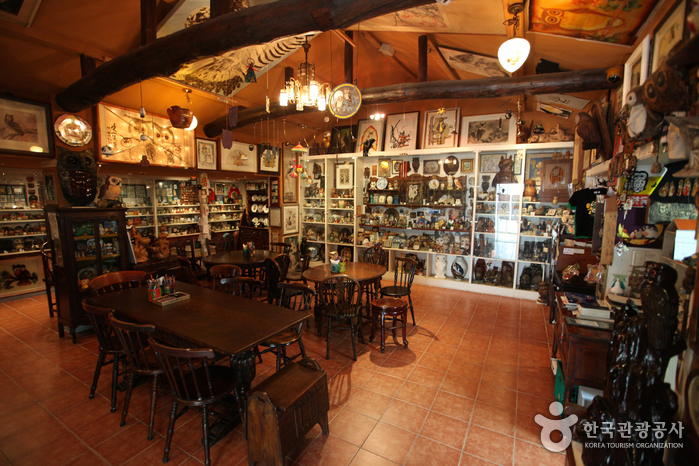
The Owl Museum is filled with over 2,000 pieces of owl-themed arts and crafts collected from all over the world by the owner. Renovated from a house, the museum has a feel of an antique café as the owner offers a cup of coffee or tea to visitors. Located near the city, those interested in owls should stop for a view and a drink. Various stories of how the collection was gathered as well as information on owls are also interesting.
K.O.N.G Gallery (공근혜갤러리)
10.1Km 2025-10-28
38 Samcheong-ro 7-gil, Jongno-gu, Seoul (Samcheong-dong)
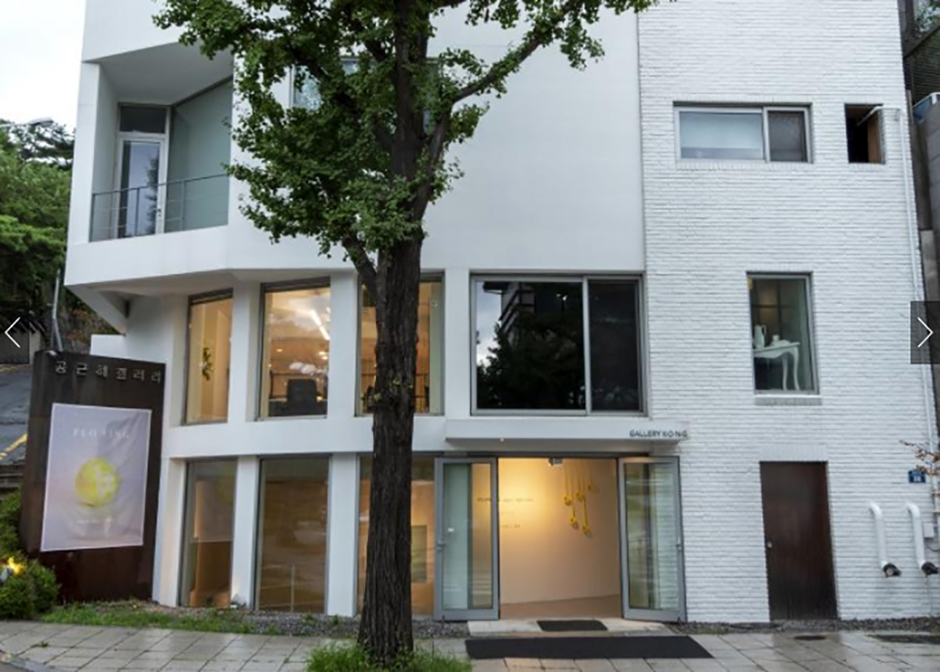
Since its opening in 2005, the gallery has made a significant impact on the Korean photography scene by introducing world-class photographers to Korea. It relocated to its present site next to the Cheongwadae, Samcheong-dong, in 2010, adding spaces for painting, sculpture, video, installation, and other forms of contemporary art. The gallery focuses on artists based in Paris, London, and New York, presenting works that represent the current state of contemporary art in the 21st century. It also plays a vital role as a Korean gallery by discovering young Korean artists and supporting their overseas activities.
Seoureseo Duljjaero Jalhaneunjip (서울서둘째로잘하는집)
10.1Km 2024-03-15
122-1 Samcheong-ro, Jongno-gu, Seoul
+82-2-734-5302
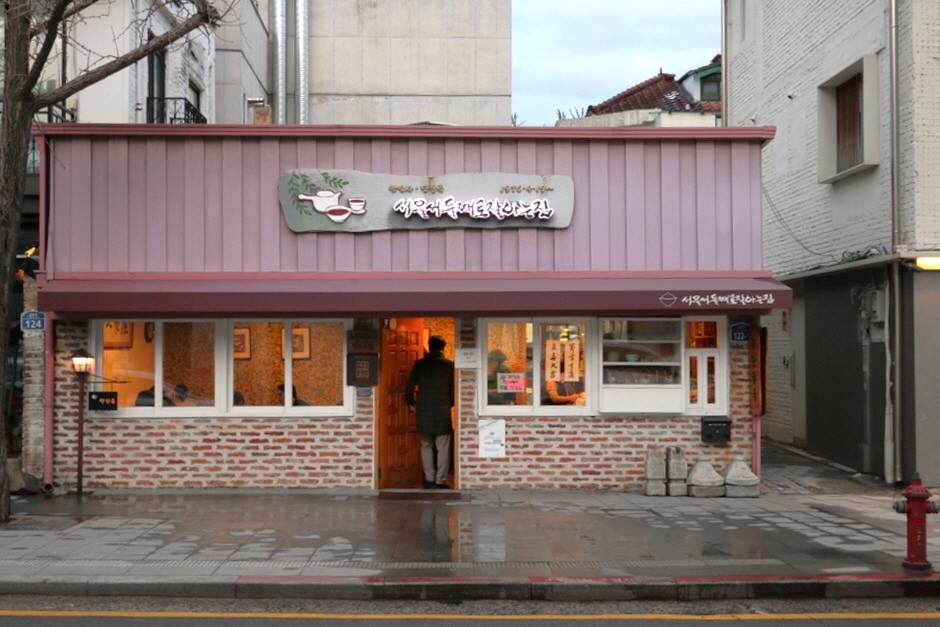
Seoureseo Duljjaero Jalhaneunjip is a sweet red bean porridge and traditional tea house near Gyeongbokgung Palace. Sweet red bean porridge is a sweet and smooth dish typically containing chewy rice cakes and chestnuts. In Korea, it's a traditional food eaten during dongji (the shortest day and longest night of the year). They also offer traditional teas like ssanghwatang (herbal tonic tea), which contains seven medicinal herbs, sujeonggwa (cinnamon punch) with a blend of cinnamon and ginger flavors, and sikhye (sweet rice punch), a drink known for aiding digestion.
Seoul Gyeonggyojang House (서울 경교장)
10.1Km 2021-09-15
29, Saemunan-ro, Jongno-gu, Seoul
+82-2-735-2038
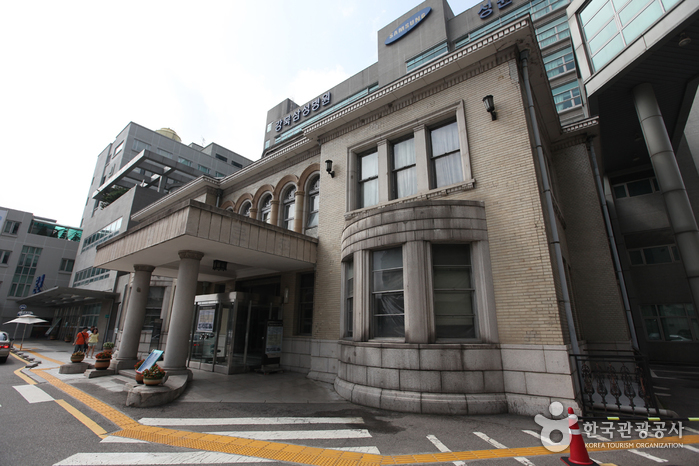
Gyeonggyojang House, a designated Historic Site, was the location of the provisional government and the place where Baekbeom Kim Koo passed away. Seoul reproduced the historical site, Gyeonggyojang House, to use the area as an educational site. Also, the house exhibits the history of the provisional government in order to see the history more clearly.
Restoration work included the demolition of the interior that was changed when the building was turned into a hospital facility and embassy after Kim Koo passed away in 1949. During the work, the remaining parts were maintained with the utmost care. Reconstructed parts were based on the building's floor plan written in Chosun and Architecture (8th edition in 1938). Visitors can see various contents related to the Korean Provisional Government history through relics, video, and information searching corners.

Sporado Adidas - Lotte Mia Branch [Tax Refund Shop] (스포라도 아디다스 롯데미아)
10.1Km 2024-04-23
5F, 62, Dobong-ro, Gangbuk-gu, Seoul
-
Uniqlo - Lotte Mia Branch [Tax Refund Shop] (유니클로 롯데미아)
10.1Km 2024-04-18
7F, 62, Dobong-ro, Gangbuk-gu, Seoul
-
Galaxy - Lotte Mia Branch [Tax Refund Shop] (갤럭시 롯데 미아점)
10.1Km 2024-04-16
62, Dobong-ro, Gangbuk-gu, Seoul
-
Beanpole - Lotte Mia Branch [Tax Refund Shop] (빈폴 롯데 미아점)
10.1Km 2024-04-18
62, Dobong-ro, Gangbuk-gu, Seoul
-
![Elcanto [Tax Refund Shop] (엘칸토)](http://tong.visitkorea.or.kr/cms/resource/04/3314504_image2_1.jpg)
 English
 한국어
한국어 日本語
日本語 中文(简体)
 Deutsch
 Français
 Español
 Русский


