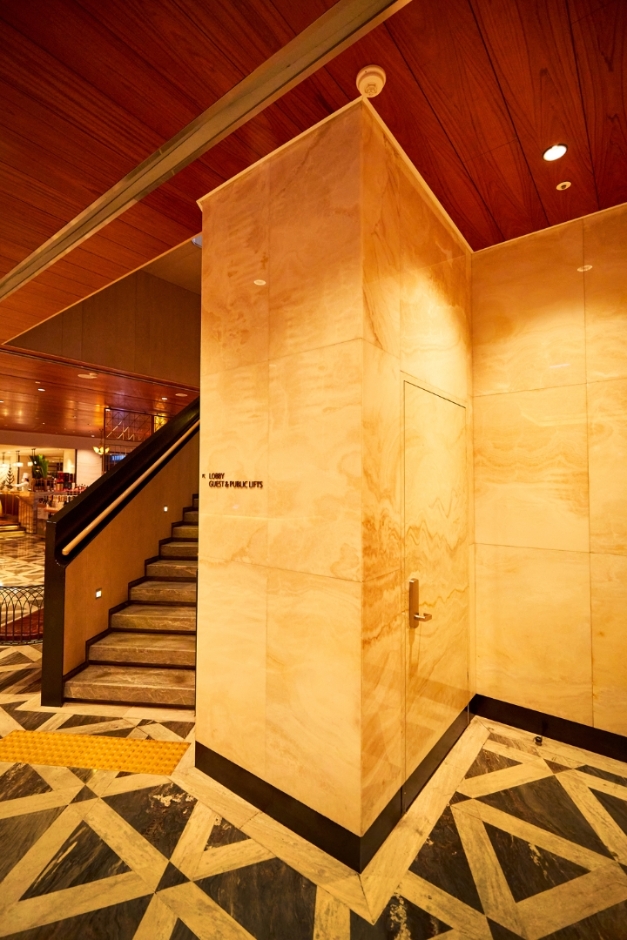
Four Seasons Charles H. (포시즌스호텔서울 찰스.H)
9.6Km 2024-03-15
97 Saemunan-ro, Jongno-gu, Seoul
This bar is named after the legendary American writer Charles H. Baker. It is inspired by speakeasy bars, which were bars hidden from sight during the Prohibition period, so its door blends into the surrounding walls. So, when one steps into the space, it is like stepping into a secret hangout. A cover charge of 10,000 won gives patrons a welcome drink, finger foods, and snacks. The menu is inspired by cocktails that Charles H. Baker had across the world, such as New York City, Mexico, Shanghai, Cuba, and Tahiti. It won 7th place in Asia’s 50 Best Bars list and 42nd place in the World’s 50 Best Bars list. The ambience is relaxed, and attentive services ensure that you can have a comfortable time here.
![Olive Young - Seokgye Station Branch [Tax Refund Shop] (올리브영 석계역)](http://tong.visitkorea.or.kr/cms/resource/30/2888130_image2_1.jpg)
Olive Young - Seokgye Station Branch [Tax Refund Shop] (올리브영 석계역)
9.6Km 2024-04-17
14, Seokgye-ro 1-gil, Nowon-gu, Seoul
-
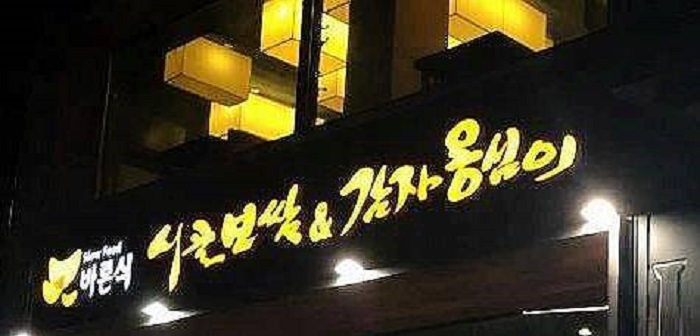
Sigol Bossam (시골보쌈)
9.6Km 2024-10-14
25 Bangbaecheon-ro 2-gil, Seocho-gu, Seoul
+82-2-3473-7358
Potato Ongsim is also a popular dish. The best menu at this restaurant is kimchi cabbage wraps with pork. This Korean dishes restaurant is located in Seocho-gu, Seoul.
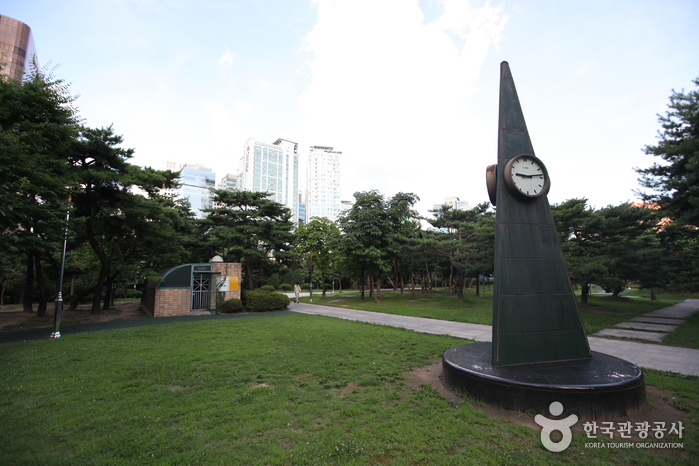
Seosomun Historical Park (서소문역사공원)
9.6Km 2023-08-11
5, Chilpae-ro, Jung-gu, Seoul
The Seosomun Gate area, which is located outside Seosomun Gate, was used as a persecution site in the 19th century before it turned into the local park of today. Many Catholics were suppressed and martyred here, making the area a holy site for Korean Catholics. Seosomun Gate was a gateway to Chilpae Market located near Namdaemun Gate. It was always busy with passerbys and the persecution site was established outside the gate to set an example of crime punishment to all the witnesses.
On May 15, 1999, a memorial tower was raised at the center of the park in honor of the martyrs. In 2013, Seoul's Jung-gu district also founded Seosumun Holy Shrine History Museum with a memorial exhibition hall in their honor.
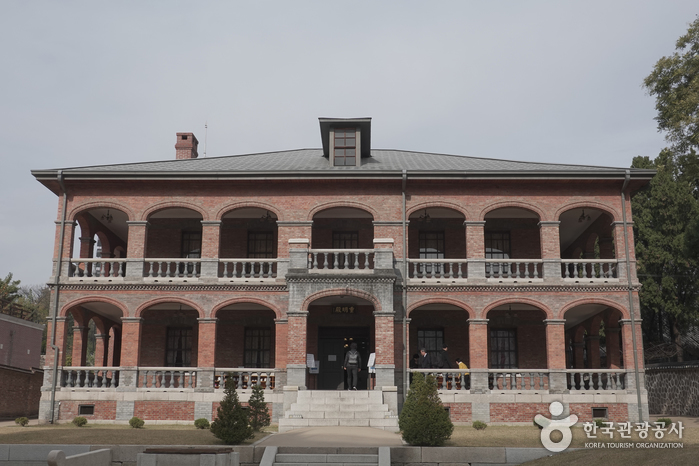
Jungmyeongjeon Hall (중명전)
9.6Km 2025-01-09
41-11, Jeongdong-gil, Jung-gu, Seoul
+82-2-752-7525
Located near Deoksugung Palace, Jungmyeongjeon Hall is a red-brick modern Western-style building. It was built in 1899 as the imperial library of the Korean Empire. After Deoksugung Palace caught on fire in 1904, the place became the temporary residence of Emperor Gojong. It also witnessed the tragic part of history in which the infamous Eulsa Treaty (Japan-Korea Protectorate Treaty), an illegal treaty forced by Japan, was signed in 1905. Its exhibition hall serves as a place for historical education.
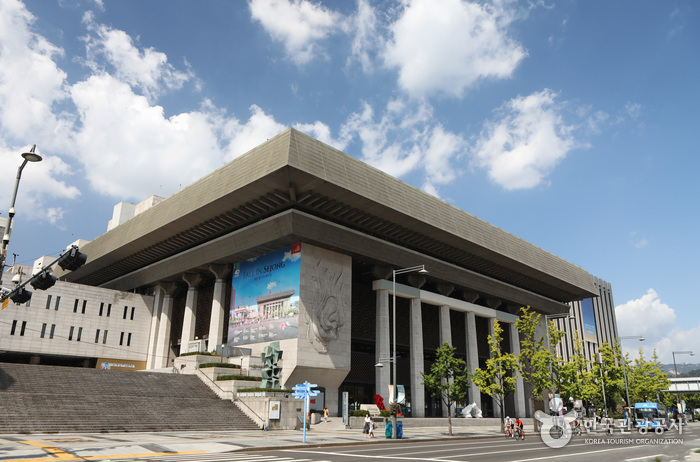
Sejong Center (세종문화회관)
9.6Km 2023-06-14
175, Sejong-daero, Jongno-gu, Seoul
+82-2-399-1000
Sejong Center, officially known as Sejong Center for the Performing Arts, opened on July 1, 1999 to provide citizens with a cultural art space. Having completed a grand remodeling project in 2007, Sejong Center offers customer-friendly programs aimed at improving the quality of art performances in a comfortable resting area. Comprising the Grand Theater of Sejong Center, Sejong M Theater, Sejong Chamber Hall, Exhibition Hall, and other subsidiary facilities, Sejong Center is a multicultural art center.
Various genres of performances including traditional, classic, and crossover have taken place in the center, giving many opportunities for cultural nostalgia.
* Opened April 14, 1978
![Lotte Himart - Mia Branch [Tax Refund Shop] (롯데하이마트 미아점)](http://tong.visitkorea.or.kr/cms/resource/25/2890125_image2_1.jpg)
Lotte Himart - Mia Branch [Tax Refund Shop] (롯데하이마트 미아점)
9.6Km 2024-04-16
10, Dobong-ro, Gangbuk-gu, Seoul
-

Olive Young - Namwirye Station Branch [Tax Refund Shop] (올리브영 남위례역점)
9.6Km 2024-06-27
46, Wiryeseoil-ro, Sujeong-gu, Seongnam-si, Gyeonggi-do
-
Homeplus Express - Gwanghwamun Branch [Tax Refund Shop] (홈플러스익스프레스 광화문)
9.6Km 2024-04-18
91, Saemunan-ro, Jongno-gu, Seoul
-
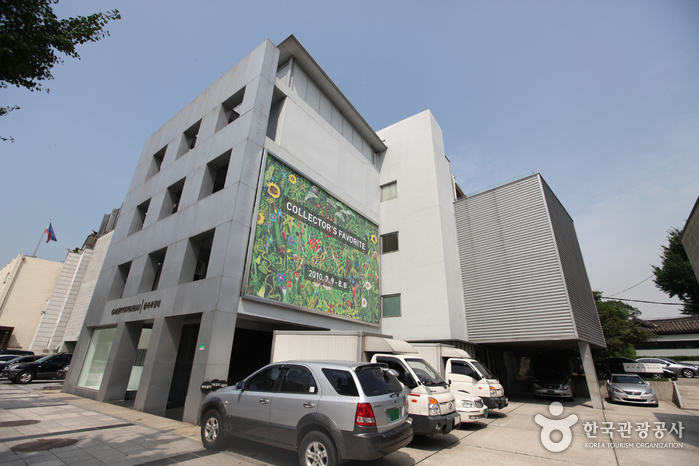
Gallery Hyundai (갤러리 현대)
9.6Km 2021-03-18
14, Samcheong-ro, Jongno-gu, Seoul
+82-2-2287-3500
Gallery Hyundai has been improving daily for over 40 years since April 1970, working closely with various Korean artists in modern art. Gallery Hyundai introduces varied artists including prominent artists, as well as up-and-coming artists, regardless of genre through sophisticated exhibitions, showing domestic and overseas art all in one place.
 English
 한국어
한국어 日本語
日本語 中文(简体)
 Deutsch
 Français
 Español
 Русский


