
Gyeongnidan Street (경리단길)
14.8Km 2023-01-18
Itaewon-dong, Yongsan-gu, Seoul
Gyeongnidan Street refers to the 937-meter-long road from the main gate of MND Financial Management Corps to Grand Hyatt Seoul as well as all of the nearby streets and alleys. It is called Gyeongnidan Street because the Korean army's central finance corps, or Gyeongnidan in Korean, used to be located here, and has gained fame for presenting a different vibe than that of Itaewon despite being part of Itaewon-dong. Gyeongnidan Street is an area of culture and youth where people are able to enjoy diverse and special cuisine and dishes at unique restaurants and cafes. Although it resembles a typical neighborhood of Seoul, it features foreigners who have come from many different places around the globe living in natural harmony with Korean locals, which exudes a unique, exotic atmosphere. It is fun to walk along the various streets and alleys to discover novel and sophisticated shops.
Apgujeong Oracle Clinic (압구정오라클피부과)
14.8Km 2025-10-23
(4th Floor, Miseung Building, Sinsa-dong) 23 Apgujeong-ro 30-gil, Gangnam-gu, Seoul
A happy choice for a beautiful life!
Welcome to Apgujeong Oracle Clinic led by Dr. Park Je-young, a dermatologist from Seoul National University.
Dr. Park has given academic lectures and facilitated live seminars in and outside of Korea for 15 years. He is also certified as a Master Key Doctor for Ulthera, Thermage, Titanium, etc.
As a doctor who teaches doctors, Dr. Park is the largest source of competitive advantage for Apgujeong Oracle Clinic, a clinic beyond comparison with other hospitals.
Experience personalized care from dermatology specialists.
In addition, we offer personalized aesthetic programs according to each individual's skin type, and visitors can access comprehensive skin care services as well as skin disease treatment.
Yeson Voice Center (예송이비인후과 음성센터)
14.8Km 2025-10-23
773 Samseong-ro, Gangnam-gu, Seoul
Yeson Voice Center is the only center of its kind in Korea that implements various high-tech treatment methods.
It provides multilaryngeal muscle Botox injection tailored to patients with spasmodic dysphonia to significantly increase the length of their normal voice period, while increasing the possibility of curing the disease. As such, the center provides patients with spasmodic dysphonia, a disease previously considered incurable, with renewed hope.
Additionally, the center uses advanced surgical techniques, including microflap laryngomicrosurgery, to treat various diseases such as vocal cord nodules, vocal cord polyps, Reinke's edema or vocal fold cyst, allowing patients to recover their clean and clear voices.
The center also provides laryngoplasty, enabling transgender individuals to change their voices to their preferred gender identity, for a thorough transition.
Yeson Voice Center has created a new healthcare treatment culture. It is committed to steadfastly conducting research to provide patients in Korea with new medical services they have not experienced before and to get closer to its patients.
DM Plastic Surgery (디엠성형외과)
14.8Km 2025-12-09
(2nd Floor), 158 Apgujeong-ro, Gangnam-gu, Seoul
DM Plastic Surgery is a clinic run by a doctor from Yonsei University College of Medicine, the first university in Korea to establish a plastic surgery department.
As a former professor of plastic surgery at Severance Hospital of Yonsei University College of Medicine for 16 years and a board member of the Korean Society of Plastic and Reconstructive Surgeons, the chief director of DM is always striving to be a model in the medical industry. We promise to spare no effort, guided by the tenet of diligence and sincerity, to advance plastic surgery technology in Korea and to fulfill our responsibilities as plastic surgeons.
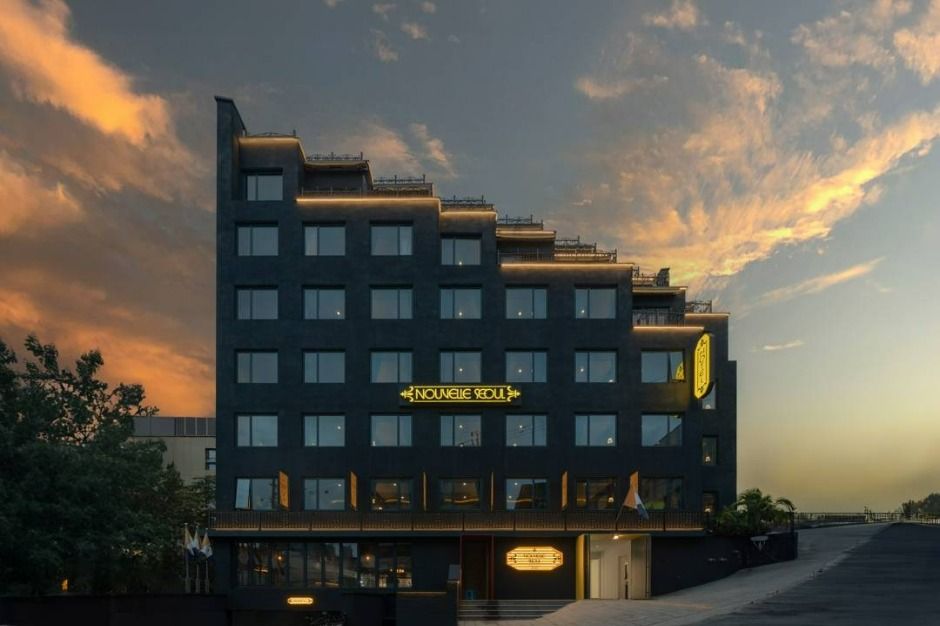
The Hyoosik Nouvelle Seoul Itaewon (더휴식 누베르 서울 이태원점)
14.8Km 2025-04-08
11 Usadan-ro 14-gil, Yongsan-gu, Seoul
The Hyoosik Nouvelle Seoul Itaewon aims to rediscover Seoul through creativity and inspiration. The overall design of the hotel is inspired by French avant-garde, using a variety of objects and props to create an artistic and stylish atmosphere. The hotel has Collection T room type, a twin bedroom; Collection D room type, a double bedroom; and Collection S room type, a single bedroom. On the first floor of the hotel is a guest lobby and a pasta restaurant. The hotel's parking lot is limited in space, and therefore guests are advised to use a nearby public parking lot.
![Lindapick [Korea Quality] / 린다픽 [한국관광 품질인증]](http://tong.visitkorea.or.kr/cms/resource/10/2803310_image2_1.jpg)
Lindapick [Korea Quality] / 린다픽 [한국관광 품질인증]
14.9Km 2024-10-30
26-5, Itaewon-ro 23-gil, Yongsan-gu, Seoul
+82-507-1326-4206
Lindapick is a guesthouse located a five-minute walk from Itaewon Station (line 6). The host of this new guesthouse, open in May 2021, prioritizes cleanliness by washing bedding and disinfect the whole place every time a guest leaves. The CCTVs that are installed outside and at the shared inner space are operated around the clock, strengthening the security. The light-lemon-color exterior walls of the accommodation and the muted-colored rooms are in harmony, forming a fresh and calm atmosphere. The room that can accommodate two persons shows how the host is considerate. A 100% natural aroma diffuser emits peppermint scent that makes guest unwind, and the lavender scent lets guests sleep tight. The kitchen with a refrigerator and a microwave oven is where you can cook a simple dishes, and the air purifier and the washing machine let you enjoy a fresher rest. From the entrance to the room, there is a garden that is decorated as an outdoor terrace, where you can have a leisurely time sunning yourself.
Itaewon Special Tourist Zone (이태원 관광특구)
14.9Km 2024-11-27
196 Itaewon-ro, Yongsan-gu, Seoul
Itaewon was the first special tourist zone in Seoul, designated in 1997. It is a multicultural place where over 20,000 foreigners live and is widely recognized by international visitors.
The name Itaewon started to spread worldwide in the 1980s when Korea hosted the 1986 Seoul Asian Games and the 1988 Seoul Olympic Games, as well as many international conferences. Since then, Itaewon has become a popular travel destination. Clothes and accessories with unique designs, and leather products in particular are famous. This is a go-to place for both shopping and entertainment. The street is crowded with shops selling clothes and bags, as well as hotels, restaurants, entertainment facilities and travel agencies. With about 2,000 shops and stores lining every street, visitors can experience a multicultural atmosphere. Also famous in the district is Antique Furniture Street where more than 100 shops selling furniture and antiques stretch from Hamilton Hotel toward Bogwang-ro.
Travelers can taste authentic cuisine and experience culture from around the globe on World Food Street where there are 40 restaurants operated by foreigners. Since the late 1990s, an increase in the number of tourists from Southeast Asia and the Middle East has transformed the streets from being US Army-oriented into culturally diverse. Various performances and events are held in the area. In particular, Itaewon Global Village Festival, held every October, is a famous festival. Tourists can pay in US dollars, Japanese yen, or another currency freely. In addition, visitors can use various languages like English, Japanese, and Chinese with the sellers.
Leaders Dermatology Clinic CheongdamDosandaero (리더스피부과의원 청담도산대로점)
14.9Km 2025-10-23
4th-5th Floors, S&S TOWER, 409 Dosan-daero (Cheongdam-dong), Gangnam-gu, Seoul
Founded in 2001 by board-certified dermatologists from Seoul National University College of Medicine, Leaders Dermatology has grown into a trusted network of over 12 clinics across Korea and internationally, with a team of more than 20 dermatologists and 150 medical professionals.
Our doctors are actively involved in global academic circles delivering lectures at renowned conferences and seminars and are dedicated to raising the bar for dermatological care. With a systematic, patient-centered approach, our mission is to become the No.1 dermatology clinic in customer satisfaction through excellence in service and results.
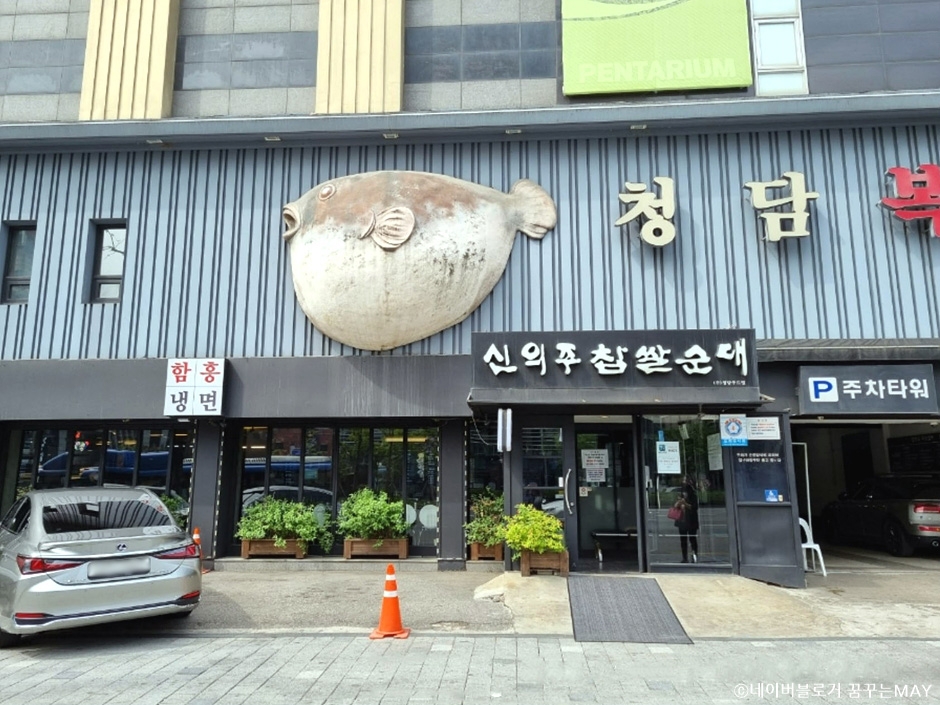
Shinuiju Chapsal Sundae (신의주찹쌀순대)
14.9Km 2025-10-29
725 Yeongdong-daero, Gangnam-gu, Seoul
SHINee's Key and Minho's Soul Food
It is a Sundae and Rice Soup restaurant that SHINee's Key and Minho have chosen as the soul food that they used to eat after their schedules since their trainee days. Rice Soup can be enjoyed white with only salted shrimp in the soup, or it is delicious with minced seasoning. The bowl will be empty in no time when eaten with Julienne Radish Fresh Salad to a plain soup without the smell of pork. The Stuffed Squid that Key ordered is also a delicacy.
Chaum (차움의원)
14.9Km 2025-10-23
(2nd Floor, Pie'n Polus), 442 Dosan-daero, Gangnam-gu, Seoul
Founded in 1960, CHA Hospital has grown into a global medical institution, delivering high-quality care across 91 facilities in 7 countries, backed by over 60 years of medical expertise. Among its distinguished institutions is Chaum, a cutting-edge anti-aging and wellness center that integrates western medicine, oriental medicine, integrative medicine, and holistic approaches, including exercise prescription and food therapy, to promote optimal health.
At Chaum, we go beyond standard checkups. Unlike typical dermatology clinics, we offer advanced skin care solutions utilizing stem cell conditioned media. Our treatments focus on wrinkle prevention, enhancing skin hydration, and reducing melanin production, helping you maintain youthful, radiant skin.
 English
 한국어
한국어 日本語
日本語 中文(简体)
 Deutsch
 Français
 Español
 Русский


