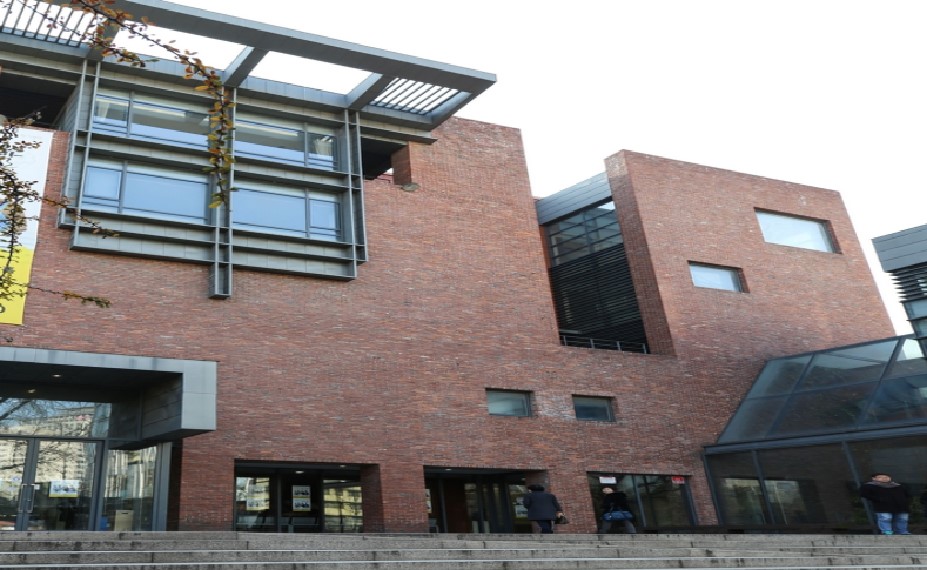
Ewha Centennial Hall (이화여고100주년기념관)
13.0Km 2024-02-20
26 Jeongdong-gil, Jung-gu, Seoul
Ewha Centennial Hall is a multimedia education center located next to Ewha Girls' High School. Spanning underground and five above-ground floors, it features a gallery, a cafe, music rooms, individual practice rooms, and audio-visual rooms. The Hwaham Hall on the first and second floors is utilized for performances such as musicals and concerts, as well as educational events.

Seoul Museum of Art (서울시립미술관(서소문본관))
13.1Km 2024-06-19
61 Deoksugung-gil, Jung-gu, Seoul
+82-2-2124-8800
The Seoul Museum of Art (SeMA) is a space for all to meet and experience the joy of art. Located in the center of Jeong-dong, a district that retains traces of Seoul’s modern and contemporary history, the museum integrates the historical facade of the former Supreme Court with modern architecture. In addition to various programs―encompassing exhibitions, educational outreach initiatives, screenings, workshops, performances, and talks, communal spaces including SeMA Cafe, the artbook store, the open space lobby, and the outdoor sculpture park SeMA WALK provide a rich range of ways for visitors to experience art.
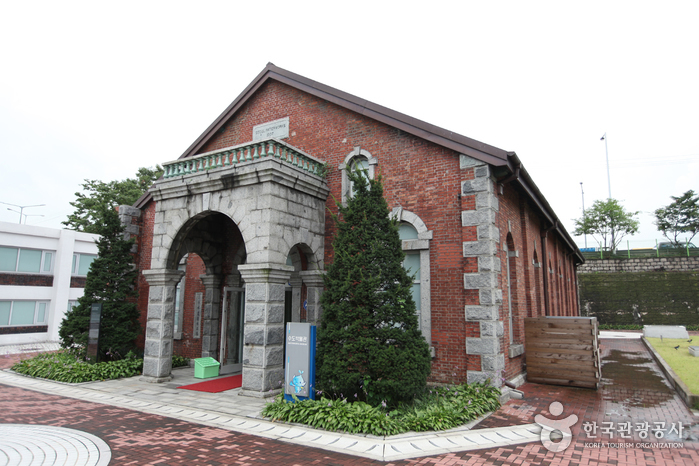
Waterworks Museum (수도박물관)
13.1Km 2025-01-17
27, Wangsimni-ro, Seongdong-gu, Seoul
+82-2-3146-5936
The Ttukseom Water Purification Plant (Waterworks Museum and Slow Sand Filtration Basin) was completed in August 1908 as the first water purification plant ever built in Korea. In 2008, it celebrated 100 years of history with the opening of the Waterworks Museum, which showcases the history and value of Seoul's public waterworks. The museum was recognized for its modern architectural design and designated Tangible Cultural Asset of Seoul No.72.
![Hongneung and Yureung Royal Tombs [UNESCO World Heritage] (남양주 홍릉(고종과 명성황후)과 유릉(순종과 순명,순정 황후) [유네스코 세계문화유산])](http://tong.visitkorea.or.kr/cms/resource/20/2005620_image2_1.jpg)
Hongneung and Yureung Royal Tombs [UNESCO World Heritage] (남양주 홍릉(고종과 명성황후)과 유릉(순종과 순명,순정 황후) [유네스코 세계문화유산])
13.1Km 2021-07-19
352-1, Hongyureung-ro, Namyangju-si, Gyeonggi-do
+82-31-591-7043
Hongneung and Yureung Royal Tombs is Historic Site No. 207. Hongneung Tomb is the resting place of Emperor Gojong and his wife Empress Myeongseong, while Yureung Tomb is the resting place of Emperor Sunjong, his first wife Empress Sunmyeonghyo, and his second wife, Empress Sunjeonghyo. Hongneung and Yureung look different from other royal tombs. When the name of the country changed from the Joseon dynasty to the Daehan Empire, the rulers of Korea were called emperors. Therefore, the tombs of the two emperors were modeled after the tomb of the Ming dynasty’s ruler, King Taizu (Zhu Yuanzhang). Surrounding Hongneung and Yureung are statues carved in the shape of animals such as giraffes, elephants, and lions, which can’t be seen at the other royal tombs of the Joseon dynasty. The stonework of Hongneung tomb was made in a traditional way, while the stonework of Yureung tomb shows a more realistic and advanced technique.
Leaders Dermatology Clinic Myeongdong (리더스피부과의원 명동점)
13.1Km 2025-10-23
B1 Floor, 72 Toegye-ro (Hoehyeon-dong 1-ga, SK Leaders' View Namsan), Jung-gu, Seoul
Founded in 2001 by board-certified dermatologists from Seoul National University College of Medicine, Leaders Dermatology has grown into a trusted network of over 12 clinics across Korea and internationally, with a team of more than 20 dermatologists and 150 medical professionals.
Our doctors are actively involved in global academic circles delivering lectures at renowned conferences and seminars and are dedicated to raising the bar for dermatological care. With a systematic, patient-centered approach, our mission is to become the No.1 dermatology clinic in customer satisfaction through excellence in service and results.
Seodaemun Independence Park (서대문독립공원)
13.1Km 2022-12-15
251, Tongil-ro, Seodaemun-gu, Seoul
+82-2-3140-8305
Seodaemun Independence Park was built on the former Seoul Detention Camp. It was used to imprison thousands of Korean independence activists until the liberation from the Japanese occupation on August 15, 1945, as well as the political prisoners during the political turmoil in the 1960s. When the prison was moved to Uiwang-si, Gyeonggi-do in November 1987, the area was restored and turned into a memorial park in August 15, 1992 to honor the sacrifices of the martyrs. The park preserves seven prison buildings, an execution ground, underground women’s prison, and the March 1st Movement Monument that has been moved from Tapgol Park in Jongno.
One of the most significant monuments of the Seodaemun Independence Park is Dongnimmun Gate (Independence Gate), which has been designated a Historic Site. Nearby is Dongnipgwan (Independence Hall), originally called Mohwagwan, which was used to greet Chinese envoys during the Joseon dynasty. Today, the hall enshrines 2,327 tablets inscribed with the names of Koreans who died for the cause of national independence. Standing right next to Dongnimmun Gate are the remnants of Yeongeunmun Gate, another Historic Site. Other sights inside the park include the Patriotic Martyr Monument, Declaration of Independence Monument, and Statue of Dr. Seo Jae-pil, who was an independence activist and publisher of Korea’s first independent newspaper. The main highlight of the park is the Seodaemun Prison History Hall, a former prison building that was renovated into a history museum.
Namsan Cable Car (남산 케이블카)
13.2Km 2024-10-25
83 Sopa-ro, Jung-gu, Seoul
+82-2-753-2403
Namsan Cable Car provides a panoramic view of downtown Seoul. The cable car has been in operation for over 40 years, taking tourists and residents alike to Namsan Seoul Tower, one of the most representative tourist attractions in the city.
Jinju Hoegwan (진주회관)
13.2Km 2024-06-19
26 Sejong-daero 11-gil, Jung-gu, Seoul
+82-2-753-5388
Jinju Hoegwan is a renowned kongguksu (noodles in cold soybean soup) eatery near City Hall Station. Kongguksu is a traditional Korean summer dish made by boiling and grinding soybeans into a creamy broth, served with noodles, offering a refreshing and nutty flavor. Kongguksu is available from March to November. Their staff-recommended menu includes kimchi bokkeumbap (kimchi fried rice), freshly roasted by the staff, along with kimchi jjigae and samgyeopsal (pork belly).
Hangang River (한강)
13.2Km 2024-10-29
257 Gangbyeonbuk-ro, Seongdong-gu, Seoul
+82-2-120
The Hangang River is a iconic river in Korea that crosses Seoul from north to south. Various parks and cultural facilities are located along the river, attracting numerous people to enjoy leisure and relaxation. Many people enjoy walking, biking, and jogging along the river. Water sports such as fishing, kayaking, and sailing are also popular, and the night view of the river from a cruise ship makes it even more beautiful. Events such as concerts, drone festivals, and fireworks displays are also a must-see.
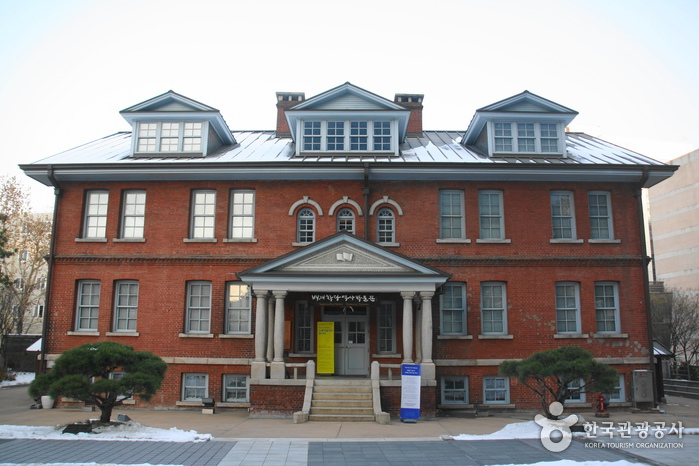
Appenzeller Noble Memorial Museum (배재학당 역사 박물관)
13.2Km 2022-10-14
19, Seosomun-ro 11-gil, Jung-gu, Seoul
+82-2-319-5578
The Appenzeller Noble Memorial Museum is dedicated to Henry Gerhart Appenzeller, the missionary who opened the first Western-style educational institution in Korea in 1885. The school started with English and core subjects, but expanded into the Pai Chai University, Pai Chai High School, and Pai Chai Middle School and has many famous alumni, including Rhee Syng-man. The memorial hall opened in 2008 in the east wing of the original school building, which was built in 1916 and designated as a Seoul Monument. With dynamically arranged permanent exhibitions, annual special exhibitions and special lectures, the museum offers a unique learning experience to visitors and people with an interest in the history of education in Korea.
 English
 한국어
한국어 日本語
日本語 中文(简体)
 Deutsch
 Français
 Español
 Русский


