Dream Forest (북서울 꿈의숲)
12.8Km 2023-10-19
173 Wolgye-ro, Gangbuk-gu, Seoul
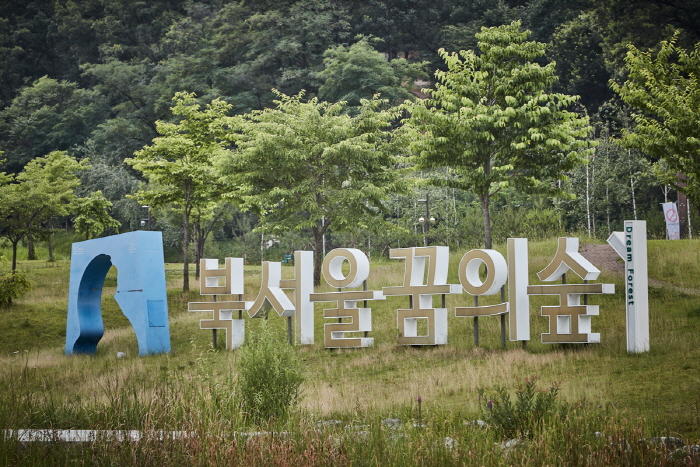
Dream Forest, previously known as Odong Neighborhood Park, is located in Gangbuk-gu, Seoul. The park is surrounded by cherry blossom trees, and the northern section is filled with maple trees, making the park especially attractive in spring and fall. The Changnyeongwigung Ritual House (Registered Cultural Heritage) has been restored with traditional landscaping such as a pond, pavilion and waterfall created nearby to double the genuine beauty of a traditional Korean park. Major attractions of the park include Wolyeongji Pond, Grass Square, Wolgwangpokpo Falls, Aewoljeong Pavilion, Chilbokji Falls, Event Garden, Children’s Gallery, Wild Grass Garden, Deer Ranch, Exploring Path, Forest Rest, and a water park. The slanted hillside which served as sledding slopes is now a complex cultural space with Buk-Seoul Art Center that houses a fantastic-looking observatory, performance hall, book café, gallery, restaurant, jumping fountain, and children’s playground.

Ceramic Cafe JOOL(도자기카페 줄)
12.9Km 2025-11-05
11, Sinchon-ro 4-gil, Mapo-gu, Seoul
'24/365 with BLACKPINK' filming location
This is the studio where JISOO and ROSÉ visited and made pottery in BLACKPINK's exclusive reality content '24/365 with BLACKPINK'. Through the one-day class, you can draw a picture on a mug or make your own pottery by hand. If you follow the teacher's class and pay attention, you will feel great fun even if you are clumsy. Just touching the moist clay dough has the effect of relieving daily stress. Classes require reservations.
Samseongsan Holy Ground (삼성산성지)
13.0Km 2021-08-17
454-16, Hoam-ro, Gwanak-gu, Seoul
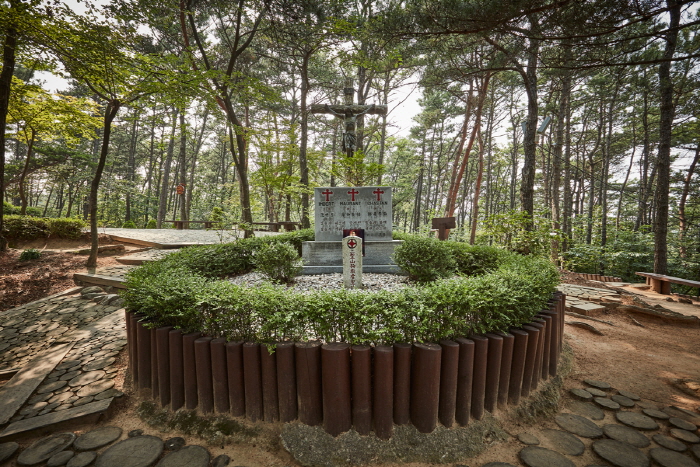
During the Gihae Persecution of 1839, three French Catholic priests were sentenced to death for spreading Catholicism in Korea. Saint Laurent Joseph Marius Imbert (Bishop), Saint Pierre Philibert Maubant (Priest), and Saint Jacques Honore Chastan (Priest) were beheaded on September 21, 1839 at Saenamteo, currently known as the Saenamteo Catholic Holy Place of the Martyrs, and their bodies were buried at Samseongsan Mountain and later transferred to the grotto of Myeondong Cathedral.

Tutorial (튜토리얼)
13.0Km 2025-10-30
39-15, Wausan-ro, Mapo-gu, Seoul
Singer Zion.T
The tutorial run by singer Zion.T and his father gives a comfortable first impression with white interior and spacious seats. The signature menu, 'Crumpled Paper Cake', is topped with non-smooth white icing and, as the name suggests, looks like crumpled paper. Chocolate sauce is provided here, so customers can write their own pictures or letters. Even if you're not good at it, you can make your own cake, so it's really fun. His dog ‘Haemeogi’ resting in the store as if indifferent is another specialty.

LEESEL Hanbok (리슬한복)
13.0Km 2025-11-05
136-11, Eoulmadang-ro, Mapo-gu, Seoul
Hanbok, the beauty of Korea
It is a Hanbok brand that produced BTS Jimin's stage costumes and CHUNG HA's Hanbok worn in the 2022 season's greeting pictorial. The ‘Sochangui Maxi Coat’ worn by SHINee's TAEMIN received an explosive response and became more known. LEESEL x SPAO's collaboration pajamas gained great popularity not only among celebrities but also among the general public. In 2022, Hanbok debuted at Milan Fashion Week for the first time. The head office is located in Jeonju.
Jangmo Bapsang (장모밥상)
13.1Km 2024-10-15
5, Haogae-ro 344beon-gil, Bundang-gu, Seongnam-si, Gyeonggi-do
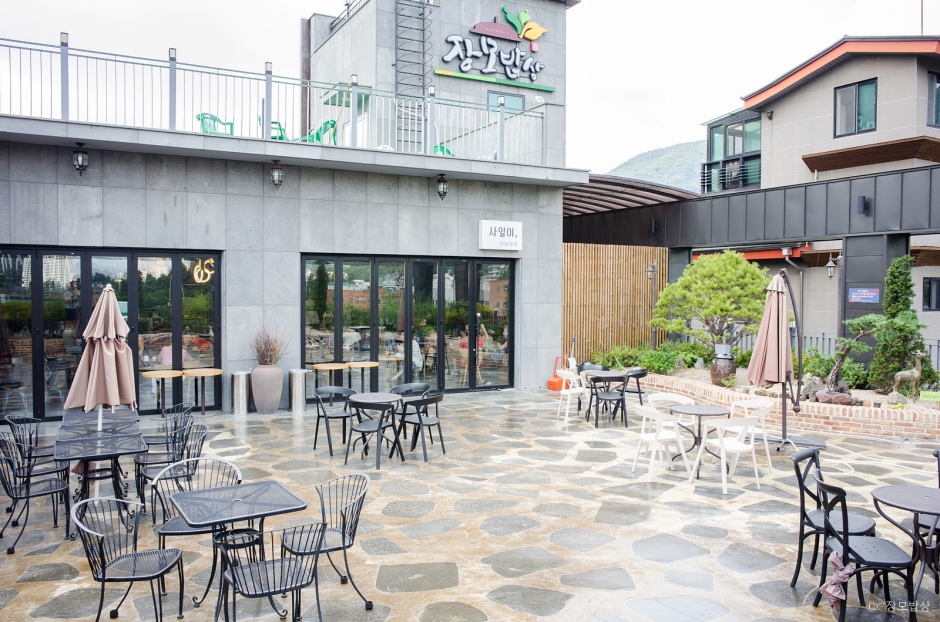
This restaurant specializes in elegant Korean table d’hote. Order the flagship set menu, Jangmo Bapsang, which includes nearly 20 types of side dishes. These dishes range from Saengseongui (Grilled fish), Suyuk (Boiled pork slices), Ganjanggejang (Soy sauce marinated crab), Japchae, Kimchi, Doenjangjjigae (Soybean paste jjigae), Namul (Salad), and Cheongpomukmuchim (Mung bean jelly salad), all served with Gamasotbap (Rice Cooked in Cast-iron Pot). You can enjoy extra servings of side dishes from the self-service bar. The dishes are known for their refined taste. After your meal, enjoy a cup of tea at the café on the second floor.

TEISTY BURGER (테이스티버거)
13.1Km 2025-11-06
67-11 Dongmak-ro, Mapo-gu, Seoul
Singer Tei
This is a handmade burger restaurant of singer Tei, who is famous for being a gourmand. The representative menu is the ‘KRAKEN BURGER’ with squid ink buns, squid patties, and tartar sauce. Crispy and chewy squid patties are attractive. You can enjoy the burger even more moistly by pressing the burger bun and popping the egg yolk. In addition to the main store in Hongdae, there is also a store in Jamsil.
SANRIO LOVERS CLUB(산리오 러버스 클럽)
13.1Km 2025-11-05
18, Wausan-ro 19-gil, Mapo-gu, Seoul
'BLACKPINK HOUSE' filming location
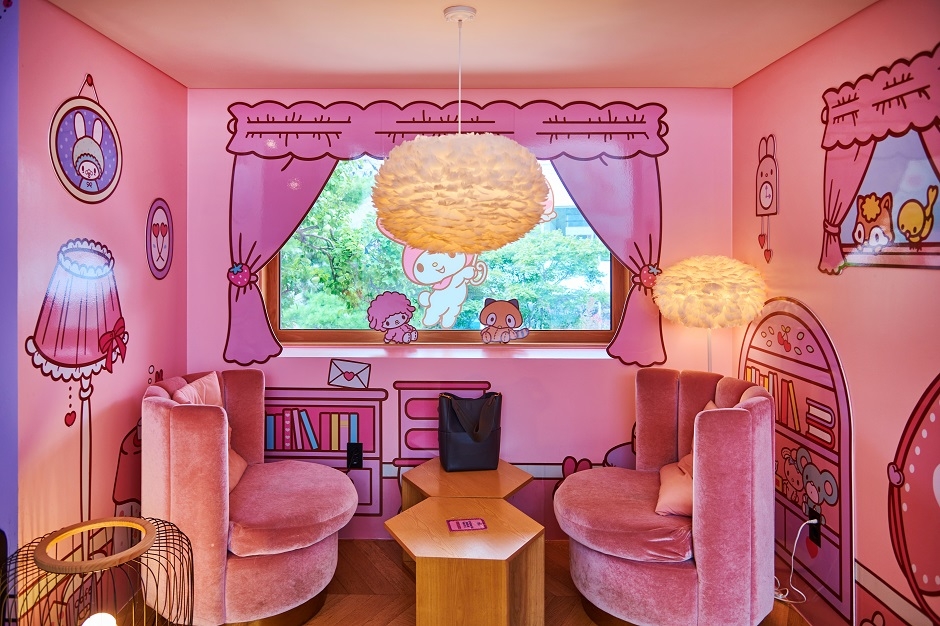
In the past, it was a Hello Kitty cafe, but it was renovated and used as accommodation when BLACKPINK's first reality content, 'BLACKPINK HOUSE' was filmed. Currently, it is operated as an exhibition experience and cafe for Sanrio characters. The inside and outside of the two-story building in pastel colors are full of Sanrio characters. You must make a reservation in advance to enter the cafe on the second floor. You can visit and purchase at the MD Shop on the 1st floor without a separate reservation.

Nemamdaero Hongdae Branch(내맘대로폰케이스 홍대점)
13.1Km 2025-11-05
21 Wausan-ro 19-gil, Mapo-gu, Seoul
JENNIE and JISOO’s phone case
This is where JENNIE and JISOO made mobile phone cases on V LIVE. It has a huge number of parts, and you can choose the color and shape of the bond. The advantage is that you can use all parts as much as you want without restrictions. You can follow JENNIE and JISOO’s design, or you can make your own case. Decorating top loaders for photo cards and making slime are also popular. It is the perfect for travel souvenirs or gifts.

Hwarangdae Railroad Park (화랑대 철도공원)
13.2Km 2023-08-11
Gongneung-dong, Nowon-gu, Seoul
Hwarangdae Railroad Park is a 400-meter-long light park featuring 10 different themed courses with various lit sculptures. It was renovated from abandoned Hwarangdae Station. Visitors can see ann exhbition of real trains that operated in the past and enjoy a cup of coffee at the train cafe.
 English
 한국어
한국어 日本語
日本語 中文(简体)
 Deutsch
 Français
 Español
 Русский


