
Seoul Upcycling Plaza (서울새활용플라자)
5.6Km 2024-01-05
49 Jadongchasijang-gil, Seongdong-gu, Seoul
Saehwaryong is a Korean term for upcycling, a process of redesigning or recycling discarded resources or materials to give them a new value or purpose. Seoul Upcycling Plaza operates upcycling-related exhibitions, upcycling practice education and experience programs, design studios, upcycling stores, workshops, and more. It is a great place to look around for ideas and inspirations on how to use products for longer periods of time. The plaza demonstrates the first step to creating a resource-recycling society.
Soon Chun Hyang University Hospital Seoul (순천향대학교 부속 서울병원)
5.6Km 2025-10-23
59 Daesagwan-ro, Yongsan-gu, Seoul
Soonchunhyang University Hospital Seoul has established a systematic and dedicated system for international patients covering all stages from pre-entry processes to departure and aftercare. Based on the medical records provided by the patient, we consult with the medical staff of each specialty to come up with an estimated treatment plan and costs to help patients prepare for their treatment in Korea. Our dedicated outpatient and inpatient teams provide expert medical interpretation, guidance, and integrated appointment management to ensure prompt and organized medical care for international patients throughout their stay. Complete with spacious and comfortable rooms, the International Ward is staffed by coordinators and a nursing team reserved for international patients. Multidisciplinary care with organized systems, state-of-the-art medical equipment, and top-notch medical staff ensure accurate diagnosis and the best treatment outcomes possible.
Seorae Village (서래마을)
5.6Km 2022-12-16
Banpo-dong, Seocho-gu, Seoul
Seorae Village is located in between Banpo 4-dong and Bangbaebon-dong in Seocho-gu, Seoul. Seorae Village took its form as a French neighborhood when French residents moved to the area after Ecole Francaise de Seoul, a school for French residents in Korea, was established here in 1985. According to 2008 census, about half of the total 1,000 French citizens residing in Korea were registered to be living in Seorae Village. The area naturally took shape as a global neighborhood as many international residents settled at Seorae Village much thanks to the strong presence of French residents. In addition to its convenient location near the central district area as well as Gangnam area and Hangang River Park, Seorae Village serves as a pleasant environment space for all.
Many shops and restaurants in Seorae Village are small in size and rather charming, resembling those in Europe. A bakery that makes traditional French baguettes using ingredients directly imported from France can be found here. In recent years, Seorae Village has undergone several changes, gaining much attention as one of the most modern and fanciest regions found in Seoul.
Junggok-dong Furniture Street (중곡동 가구거리)
5.7Km 2025-03-17
Cheonho-daero, Gwangjin-gu, Seoul
Junggok-dong Furniture Street stretches between Achasan Subway Station and Gunjagyo Bridge, hosting a concentration of furniture stores on either side of the main road. This area accommodates a diverse range of furniture stores, featuring well-known domestic and international brands alongside smaller and medium-sized furniture shops. It serves as a convenient destination for customers to compare and purchase various furniture items, including beds, sofas, dining tables, wardrobes, chairs, and interior accessories, all within close proximity. The accessibility to Gunja Subway Station makes it easily reachable via public transportation.
National Gugak Museum (국립국악박물관)
5.7Km 2021-08-13
2364, Nambusunhwan-ro, Seocho-gu, Seoul
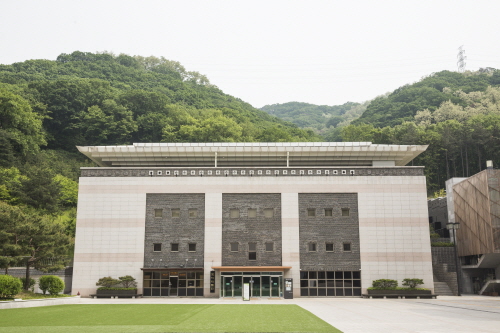
The National Gugak Museum opened on February 23, 1995 as the first gugak museum in Korea, featuring approximately 6,000 pieces of gugak-related materials and relics which have both historical and cultural value. It is comprised of seven themed permanent exhibition halls that present 250 pieces of audio and video clips regarding gugak. In the 3D room, visitors can enjoy 3D animation at all times. The museum also hosts special exhibitions in unique and interesting themes.
National Gugak Center (국립국악원)
5.7Km 2025-01-17
2364 Nambusunhwan-ro, Seocho-gu, Seoul
The National Gugak Center is the governing body established to preserve and promote traditional Korean performing arts. The center can accommodate every type of traditional performing arts, such as palace music, court music, and all other genres including major productions of changgeuk (Korean musical drama). Originally opened in Busan in 1951, the center moved to its current location in Seoul in 1987. The center also opened branch locations in Namwon, Jindo, and Busan in 1992, 2004, and 2008 respectively.
Golden Blue Marina (골든블루마리나)
5.7Km 2025-10-27
2085-14 Olympic-daero, Seocho-gu, Seoul
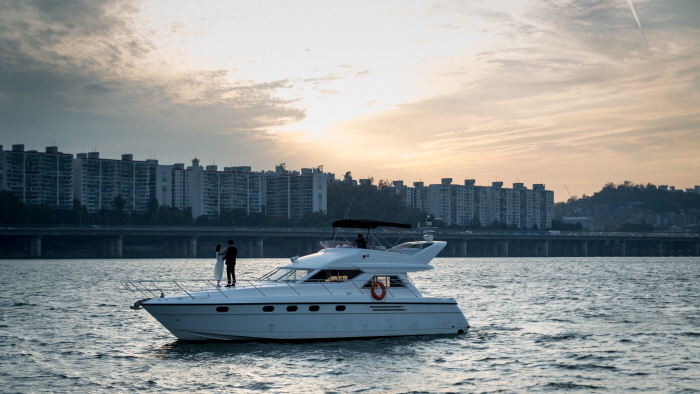
Golden Blue Marina, located on Some Sevit, is a cultural destination on the water, offering a unique way to enjoy views of Seoul along the Hangang River. This popular spot for parties and proposals helps you cruise through the city on a luxury yacht, creating a private retreat. In the evening, you can see the N Seoul Tower and the Rainbow Fountain illuminated by 200 lights, making it feel like you’re floating through the Milky Way.
◎ Travel information to meet Hallyu’s charm - variety show "Entertainment Weekly"
This is where the members of TWICE enjoyed a fall sports day at Banpo Hangang Park during their appearance on "Entertainment Weekly." The losing team rode a pedal boat, while the winners celebrated with a yacht ride, creating fun and memorable moments.

Olympic Park (올림픽공원)
5.7Km 2023-10-19
424 Olympic-ro, Songpa-gu, Seoul
Olympic Park is an impressive leisure facility in which historic remains from the Baekje era share space with modern, state-of-the-art sports stadiums, an eco-friendly forest, and spacious grass fields. The legacy of the 1988 Seoul Olympics, the park not only houses the country’s largest sports arena, but has also become a place where Seoul residents come to relax and unwind.
Spread across approximately 1.45 million square meters, Olympic Park encompasses the land that was once Mongchontoseong Fortress and Mongchonhaeja (manmade lake) from the early Baekje period. The park is divided into several zones, including a leisure sports park, a cultural art park, an eco-park, and the History Experience Park dedicated to the area’s rich historic heritage.
Because Olympic Park is so large and takes over three hours to explore, visitors are advised to familiarize themselves with entrances and exits and travel routes before they start. To further save time, visitors can ride the Road Train (“Hodori Train”) located next to Peace Square.
Some Sevit (세빛섬)
5.8Km 2022-12-16
2085-14, Olympic-daero, Seocho-gu, Seoul
Some Sevit is a culture complex made up of three man-made floating islands near the southern end of Banpo Bridge. The islands were created with the theme of "flowers of the Hangang River" and represent the view, life, and the earth, as well as a flower in various stages of life. The largest island, 'Some Gavit' symbolizes the view and takes the form of a flower in full bloom. It is a multi-functional cultural facility that can be used as a venue for performances, international conferences, exhibitions, and more. The second island, 'Some Chavit' looks like a flower bud, an image of life. A range of cultural experiences and event zones including Beat Square, Youth Woods, and restaurants using 3D to bring themes to life are located here. The third and smallest island, 'Some Solvit' takes the form of a seed planted in the earth. This island has water sports facilities and an outdoor garden from which you may enjoy the picturesque scenery of the Hangang River. Around the floating islands are LED lights that create a fantastic night view under the theme of "a gleaming light in the mist."
Soma Museum of Art (소마미술관)
5.8Km 2023-04-13
424, Olympic-ro, Songpa-gu, Seoul
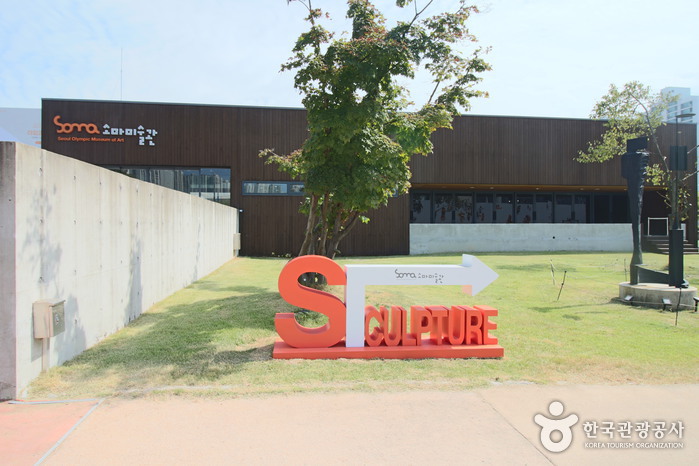
Soma Museum of Art was opened in September 2004 as a cultural space amid the nature of Seoul Olympic Park. The museum displays over 222 sculptures, and offers a variety of cultural and educational programs, including the nation's first drawing center and archive.
 English
 한국어
한국어 日本語
日本語 中文(简体)
 Deutsch
 Français
 Español
 Русский


