
National Hangeul Museum (국립한글박물관)
7.0Km 2022-12-15
139, Seobinggo-ro, Yongsan-gu, Seoul
The National Hangeul Museum was established to preserve, spread, and develop the Korean alphabet, Hangeul. The museum showcases the history and value of Korean orthography, Korean’s most-valued cultural asset, through exhibitions, activities, and education. Occupying over 11,322 ㎡, the museum has one basement level and three ground levels, along with an outdoor grass field and rest area perfect for cultural events, exhibits, and education.
The museum is comprised of the Hangeul library on the first floor, a permanent exhibition hall, ㅎ Café, and cultural product shop on the second floor, and a planned exhibition hall and Hangeul playground for children and foreigners on the third floor.
Gyeongnidan Street (경리단길)
7.0Km 2023-01-18
Itaewon-dong, Yongsan-gu, Seoul
Gyeongnidan Street refers to the 937-meter-long road from the main gate of MND Financial Management Corps to Grand Hyatt Seoul as well as all of the nearby streets and alleys. It is called Gyeongnidan Street because the Korean army's central finance corps, or Gyeongnidan in Korean, used to be located here, and has gained fame for presenting a different vibe than that of Itaewon despite being part of Itaewon-dong. Gyeongnidan Street is an area of culture and youth where people are able to enjoy diverse and special cuisine and dishes at unique restaurants and cafes. Although it resembles a typical neighborhood of Seoul, it features foreigners who have come from many different places around the globe living in natural harmony with Korean locals, which exudes a unique, exotic atmosphere. It is fun to walk along the various streets and alleys to discover novel and sophisticated shops.
Stay Passport Sindang Ryokan (스테이 패스포트 신당 료칸)
7.0Km 2025-04-24
33 Nangye-ro 11-gil, Jung-gu, Seoul
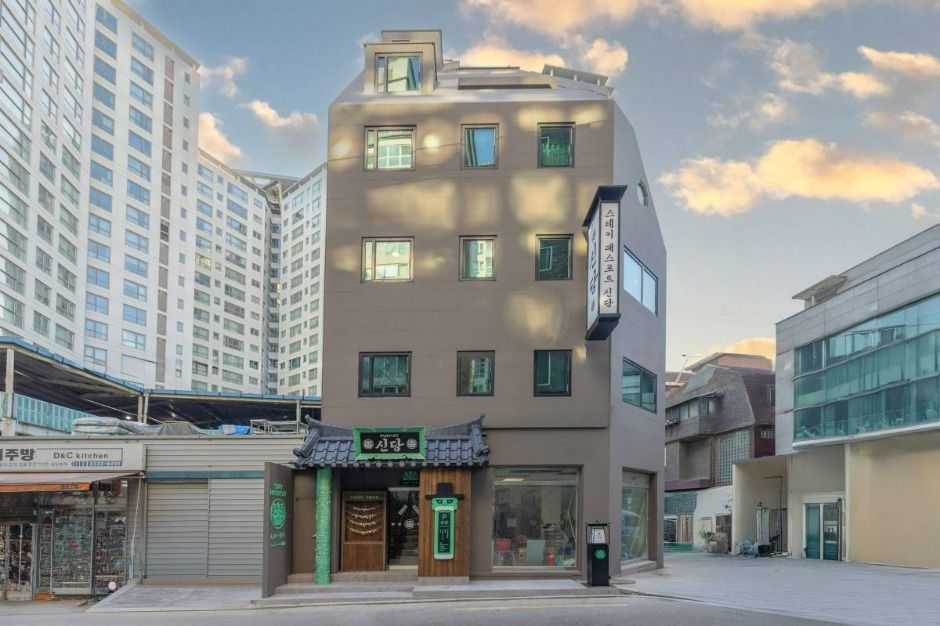
Stay Passport Sindang Ryokan offers a four major room types: "Goyo" and "Sohyang," designed for two who seek privacy and relaxation away from the busy city life; "Pungryu," accommodating up to four people, perfect for family guests or a group of friends; and "Pungyo," designed to offer utmost relaxation.
Cheonggyecheon Museum (청계천박물관)
7.1Km 2021-11-02
530, Cheonggyecheon-ro, Seongdong-gu, Seoul
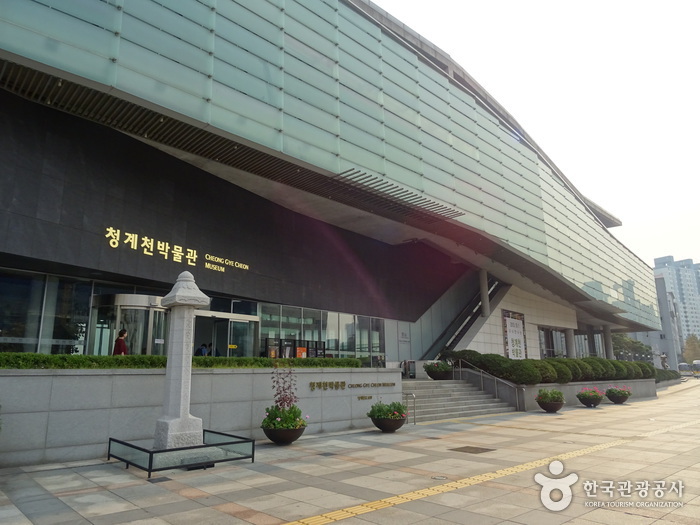
Cheonggyecheon Museum officially opened in October 2005. The museum’s long, glass exterior represents the flowing waters of Cheonggyecheon Stream, which runs through the heart of Seoul. The museum has a permanent exhibition hall, special exhibition hall, educational hall, and an auditorium. The museum contains visual representations of Seoul before and after the transition of Cheonggyecheon Stream. The permanent exhibition hall was remodeled in October 2015, and now offers even more ways to view the history of Seoul as shaped by Cheonggyecheon Stream.
National Museum of Korea (국립중앙박물관)
7.1Km 2025-11-21
137 Seobinggo-ro, Yongsan-gu, Seoul
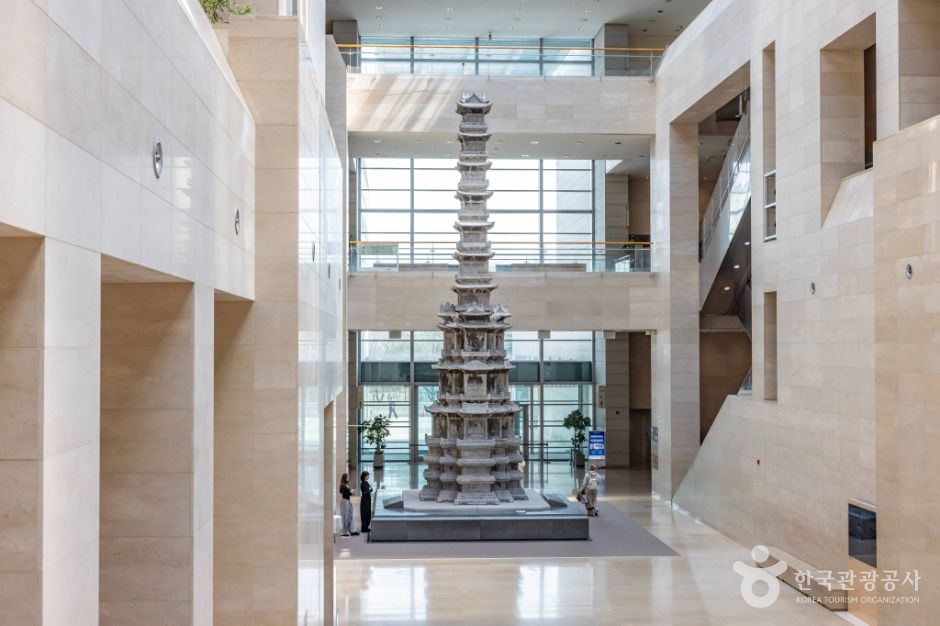
The National Museum of Korea houses a vast collection of artifacts from ancient times to the modern era in a wide range of topics, including art and culture. The museum houses a Children's Museum, where visitors can learn more about the nation's history through educational programs and experiences. The outdoor grounds feature pagodas and other stone artworks too large to be on display inside.
In addition to galleries with a wide array of national and international pieces, the National Museum of Korea is a stage for a number of cultural activities related to collection, preservation, research and analysis, social training, academic publications, intercultural exchange programs, concerts, and more.
Childrens Museum of the National Museum of Korea (국립중앙박물관 어린이박물관)
7.1Km 2021-09-15
137, Seobinggo-ro, Yongsan-gu, Seoul
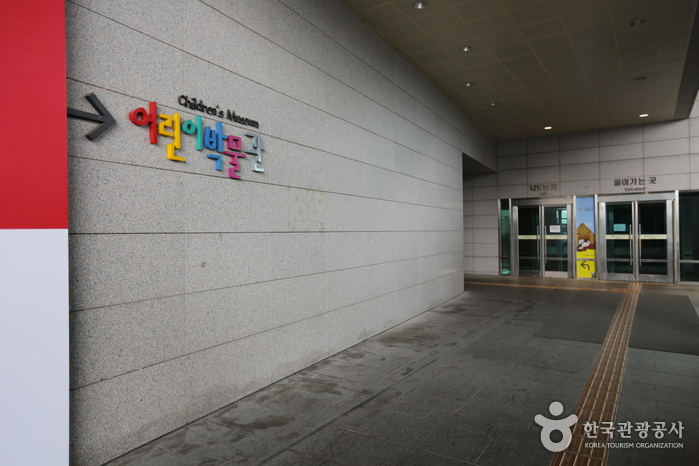
The Children’s Museum of the National Museum of Korea is an experience-oriented museum where children can see, touch, and feel history through hands-on programs and games. The permanent exhibition hall displays replicas of historical items so children can learn about Korea’s cultural heritage in a fun and interactive way. Children can also experience the lifestyle and wisdom of the past through experience programs.
Gwangnaru Hangang Park (광나루한강공원)
7.2Km 2021-12-25
83-66, Seonsa-ro, Gangdong-gu, Seoul
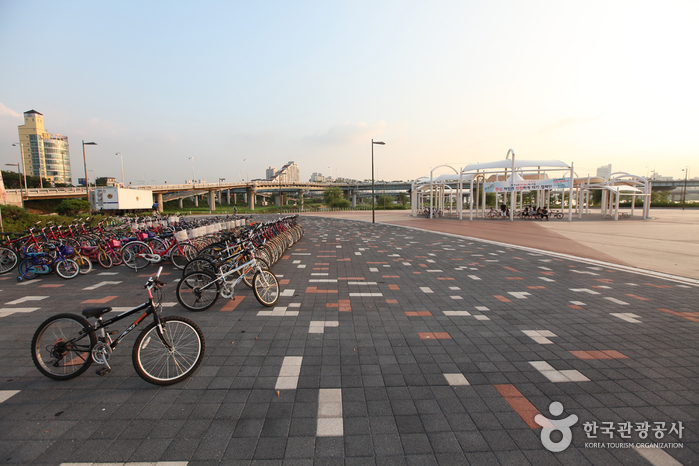
Hangang Citizen's Park, composed of 12 areas including Jamsil, Ttukseom and Jamwon, is an eco-friendly park providing areas for sports and leisure. The park is equipped with various cultural and recreational facilities and also has an ecological park. Gwangnaru Hangang Park formed naturally through rich silt that flowed in from the upper Hangang River that was then filled with reeds, creating an ideal habitat for groups of migratory birds.
HILLS & EUROPA (힐즈앤유로파)
7.2Km 2025-11-05
35 Sinheung-ro, Yongsan-gu, Seoul
Haebangchon's Hot Place
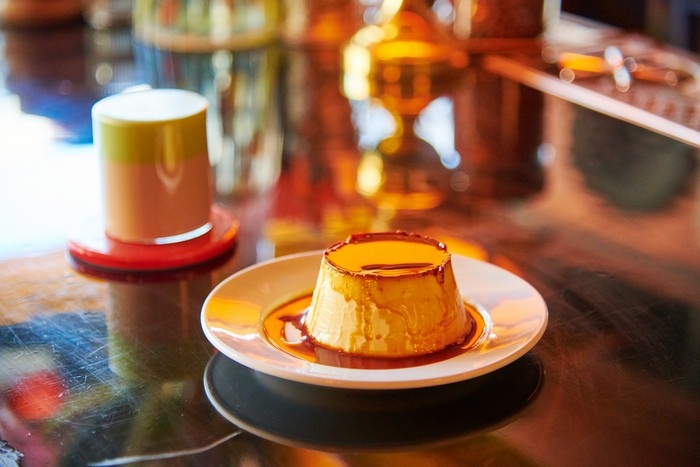
Singer Lee Hyori's OTT entertainment program 'Seoul Check-in' was filmed, and you can enjoy the atmosphere of Haebangchon properly. The low wooden ceiling and walls filled with unique objects and LPs from all over the world create a unique and cozy atmosphere. It is always full of customers as you can enjoy great visual cocktails and delicious dishes against the backdrop of various genres of music. During the day, it is good to enjoy coffee and dessert like a cafe. It is famous for its delicious cream caramel pudding, along with coffee that makes use of the taste of coffee beans from each region of origin. There are also various types of signature cocktails, but we recommend the unique visual 'Cigar in a Glass' that Lee Hyori and Park Narae drank.
Chungmu Arts Center (충무아트센터)
7.2Km 2024-03-06
387, Toegye-ro, Jung-gu, Seoul
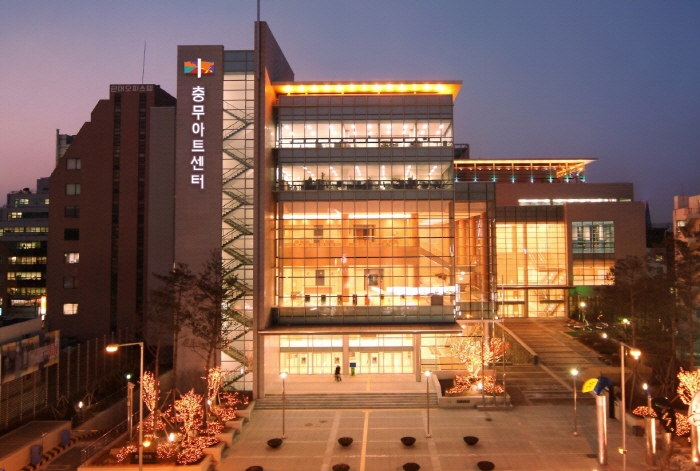
Chungmu Arts Center is a complex cultural facility with an optimal conditions for watching performances. It has a large theater, a medium theater (black), and a small theater (blue). It also boasts great galleries, studios, and a swimming pool, attracting numerous visitors. In addition, one can enjoy performances of various genres, including classical music, plays, musicals, and concerts. Located close to Dongdaemun, it has good accessibility.
Hwanghak-dong Flea Market (Dokkaebi Market / Manmul Market) (황학동 벼룩시장 (도깨비시장/만물시장))
7.4Km 2025-04-11
11-7 Majang-ro 5-gil, Jung-gu, Seoul
Hwanghak-dong Flea Market was named after the way how merchants travel from one place to another all over the country, as if like fleas hopping around from one spot to another, to collect rare and valuable items. This market was once a haven of antiques and collectibles, but with the formation of old-fashioned art street in 1983 in Janganpyeong, many classic art shops had moved out, leaving only used item and general goods stores. Now, visitors can find stores selling antiques, used furniture, electronics, clocks, jewelry, musical instruments, camera, and machinery – pretty much anything one can name. Hwanghak-dong Flea Market is also referred to as Dokkaebbi Market, to describe how even the most rundown items become just like new, as if like the work of a dokkaebi (Korean folk goblin).
 English
 한국어
한국어 日本語
日本語 中文(简体)
 Deutsch
 Français
 Español
 Русский


