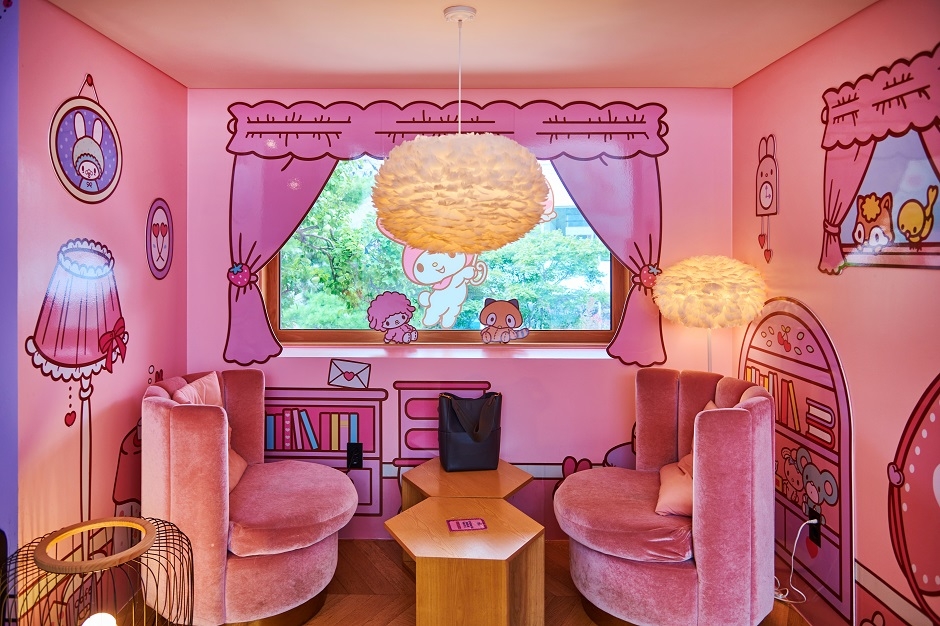
SANRIO LOVERS CLUB(산리오 러버스 클럽)
12.8Km 2025-11-05
18, Wausan-ro 19-gil, Mapo-gu, Seoul
'BLACKPINK HOUSE' filming location
In the past, it was a Hello Kitty cafe, but it was renovated and used as accommodation when BLACKPINK's first reality content, 'BLACKPINK HOUSE' was filmed. Currently, it is operated as an exhibition experience and cafe for Sanrio characters. The inside and outside of the two-story building in pastel colors are full of Sanrio characters. You must make a reservation in advance to enter the cafe on the second floor. You can visit and purchase at the MD Shop on the 1st floor without a separate reservation.

TEISTY BURGER (테이스티버거)
12.8Km 2025-11-06
67-11 Dongmak-ro, Mapo-gu, Seoul
Singer Tei
This is a handmade burger restaurant of singer Tei, who is famous for being a gourmand. The representative menu is the ‘KRAKEN BURGER’ with squid ink buns, squid patties, and tartar sauce. Crispy and chewy squid patties are attractive. You can enjoy the burger even more moistly by pressing the burger bun and popping the egg yolk. In addition to the main store in Hongdae, there is also a store in Jamsil.

Nemamdaero Hongdae Branch(내맘대로폰케이스 홍대점)
12.8Km 2025-11-05
21 Wausan-ro 19-gil, Mapo-gu, Seoul
JENNIE and JISOO’s phone case
This is where JENNIE and JISOO made mobile phone cases on V LIVE. It has a huge number of parts, and you can choose the color and shape of the bond. The advantage is that you can use all parts as much as you want without restrictions. You can follow JENNIE and JISOO’s design, or you can make your own case. Decorating top loaders for photo cards and making slime are also popular. It is the perfect for travel souvenirs or gifts.
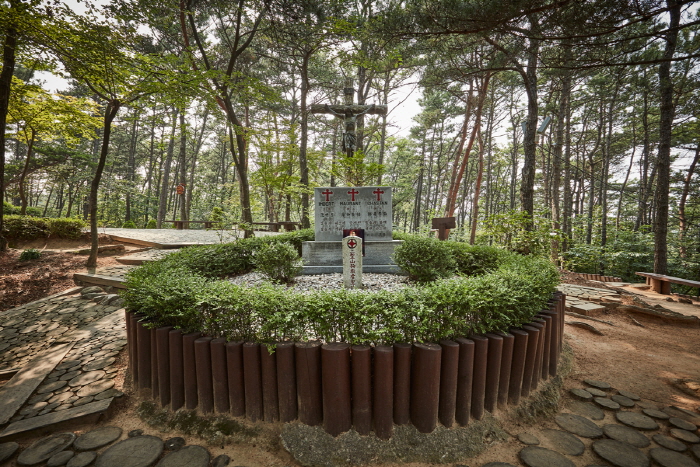
Samseongsan Holy Ground (삼성산성지)
12.8Km 2021-08-17
454-16, Hoam-ro, Gwanak-gu, Seoul
During the Gihae Persecution of 1839, three French Catholic priests were sentenced to death for spreading Catholicism in Korea. Saint Laurent Joseph Marius Imbert (Bishop), Saint Pierre Philibert Maubant (Priest), and Saint Jacques Honore Chastan (Priest) were beheaded on September 21, 1839 at Saenamteo, currently known as the Saenamteo Catholic Holy Place of the Martyrs, and their bodies were buried at Samseongsan Mountain and later transferred to the grotto of Myeondong Cathedral.

Hongdae (Hongik University Street) (홍대)
12.9Km 2025-04-14
20 Hongik-ro, Mapo-gu, Seoul
Hongdae is a neighborhood known for its youthful ambience, with shops selling everything from clothing and cosmetics to living goods and books, as well as unique cafés and restaurants. The streets are also filled with buskers and dance performances, making a walk here quite entertaining. Special streets such as ateliers’ street (lined with private institutions for art students preparing for university entrance exams), Picasso’s Street, and Club Street are also must-go places for anyone hoping to fully experience the Hongdae area.
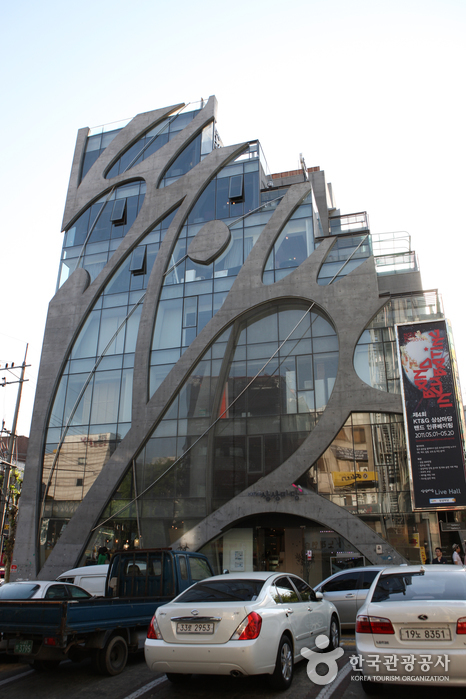
KT&G Sangsangmadang Arts Space (Hongik University) (KT&G 상상마당(홍대))
12.9Km 2024-03-12
65 Eoulmadang-ro, Mapo-gu, Seoul
KT&G Sangsangmadang Arts Space is a multifaceted cultural space established in 2007. Spanning 660 meters with a total floor area of 3,366 meters, it features facilities such as a theater, a concert hall, a design square, a gallery, and cafés. It offers opportunities for close engagement with culture. Located near Hongik University Station, it boasts excellent accessibility and attracts many visitors due to its diverse attractions.
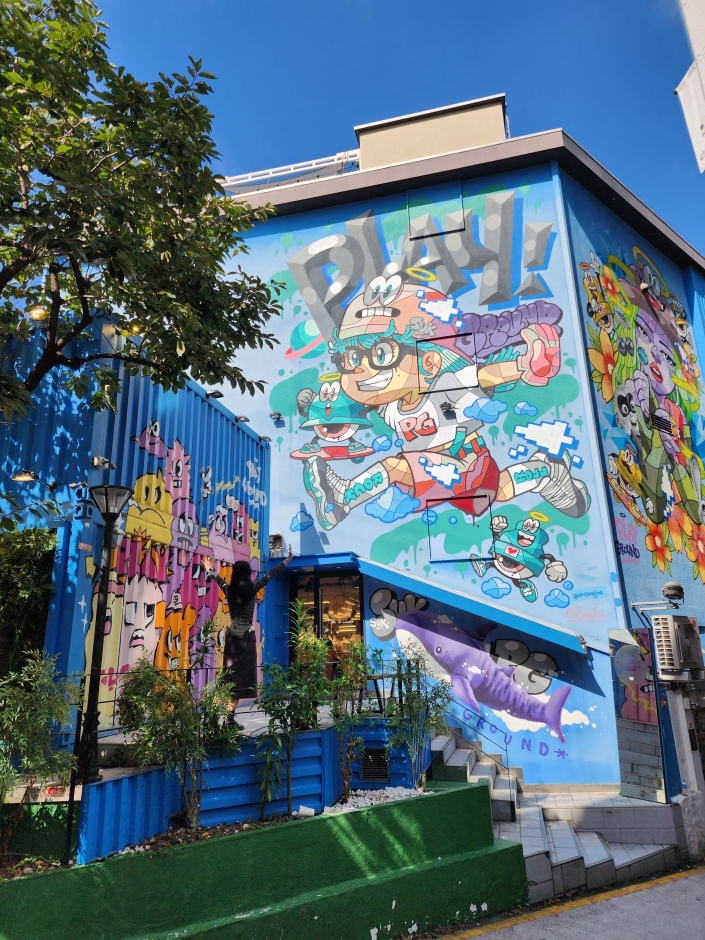
M Playground - Hongdae Branch (엠플레이그라운드 홍대본점)
12.9Km 2024-09-05
94 Eoulmadang-ro, Mapo-gu, Seoul
M Playground is a casual boutique brand known for its signature exterior design of blue shipping containers. The shop does its best to present the latest fashion trends and the hip, street vibe found exclusively in Hongdae. Most visitors range in age between teens and young adults in their 30s, looking for trending clothing, accessories, and other products.
Goobne Playtown (굽네 플레이타운)
12.9Km 2025-01-16
23 Jandari-ro 2-gil, Mapo-gu, Seoul
Goobne Playtown is a culture and experience center operated by Goobne, one of Korea's chicken franchises that specializes in oven-roasted chicken instead of the standard fried chicken. Visitors can taste the latest products in a relaxing space, as well as enjoy media art and changing items in the pop-up zone.
PETERPAN 1978 (피터팬1978)
12.9Km 2025-10-29
10 Jeungga-ro, Seodaemun-gu, Seoul
◎ Travel information to meet Hallyu’s charm - "BLACKPINK's Favorite Spots"
Jennie found it on YouTube during her bread tour in Yeonhui-dong. Since opening in 1978, it has been in the same place for over 40 years. There are many delicious breads such as the signature bread “Baby Buttocks” and “Sweet Red Bean Bread 1978,” which has kept the same flavor since 1978. There are many breads that give off a deep flavor when you take a bite, but the “Potato Bread” recommended by JENNIE is particularly savory for its fluffy texture.
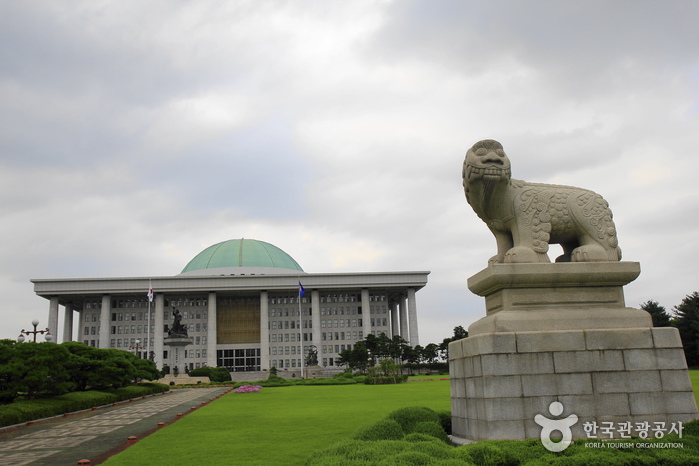
The National Assembly Building (국회의사당)
12.9Km 2024-02-29
1, Uisadang-daero, Yeongdeungpo-gu, Seoul
The National Assembly Building stands as the symbol of Korean democracy. It consists of the National Assembly Building, the National Assembly Library, and the Memorial Hall. Visitors can take part in programs such as observing the Plenary Chamber and visiting the Children's Museum. Because it is a great place to learn about Korean history and politics, it is a popular tourist site. Visitors are required to make reservations for their visit, which can be done through the webpage.
 English
 한국어
한국어 日本語
日本語 中文(简体)
 Deutsch
 Français
 Español
 Русский


