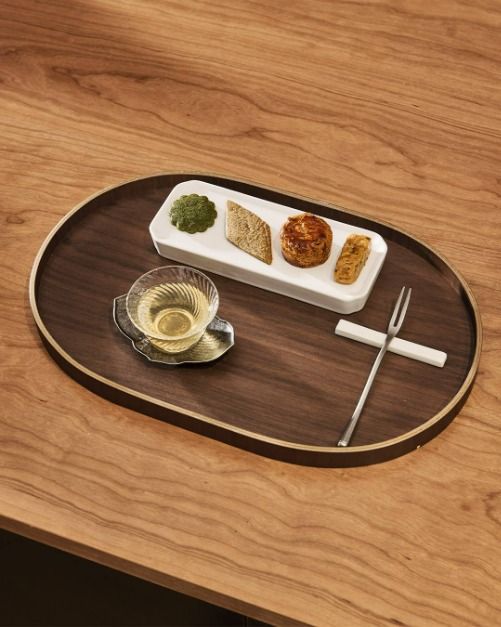
Pyunkang Yul Flagship & Tea house (편강 율 플래그십&티하우스)
10.3Km 2025-12-10
35-4 Bukchon-ro 5ga-gil, Jongno-gu, Seoul
Pyunkang Yul Flagship & Tea house is a cafe in Bukchon Hanok Village near Gyeongbokgung Palace. The first floor is a teahouse where one can enjoy Korean tea infused with traditional ingredients and delightful desserts with a view of the cafe's serene garden, and the second floor is a flagship store of Pyeongang Yul, a K-beauty brand known for integrating hanbang (traditional Korean medicine) in their skincare products. The third floor features a rooftop that offers a sweeping view of the Bukchon Hanok Village and Gyeongbokgung Palace.
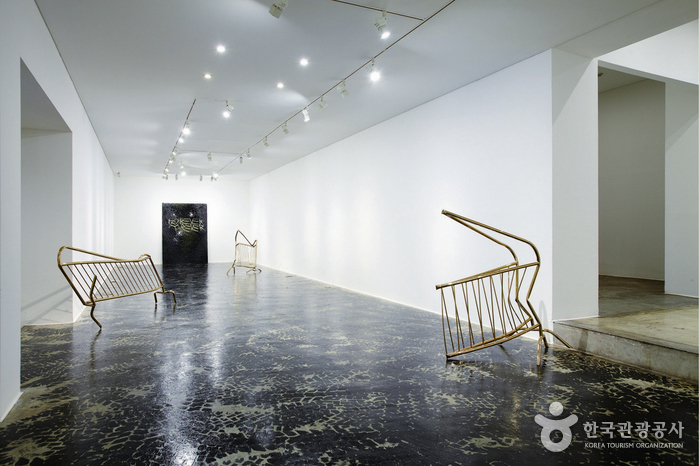
Kukje Gallery (국제갤러리)
10.3Km 2021-07-29
54, Samcheong-ro, Jongno-gu, Seoul
The Kukje Galley has been committed to presenting the work of significant Korean and international contemporary artists to the public since 1982. The gallery has established itself as a leading venue for international exhibits such as Helen Frankenthaler, Sam Francis, Jim Dine, Frank Stella, Robert Mangold, Anthony Caro, Cy Twombly, Edward Ruscha, Anselm Kiefer, Joseph Beuys, and Bill Viola, attracting enthusiastic responses from both the public and the media.
The gallery has placed emphasis on collaborations between artists, galleries, and art dealers around the world and nurturing upcoming artists by sponsoring their artwork and giving them international exposure.
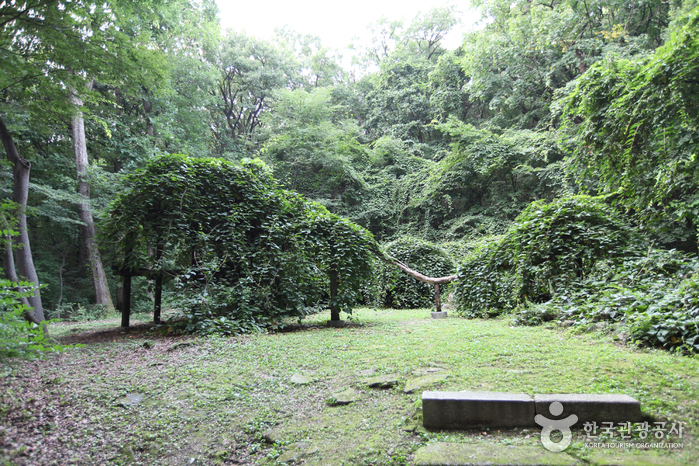
Daraenamu Tree in Changdeokgung Palace (창덕궁 다래나무)
10.3Km 2025-01-13
99, Yulgok-ro, Jongno-gu, Seoul
Daraenamu Tree in Changdeokgung Palace is estimated to be 600 years old, meaning it had likely been planted before the palace was built. The tree stands 19m in x_height, and has six separate trunks sprawling in all directions. It is the biggest and the oldest in Korea. It is designated and protected as a National Natural Monument.
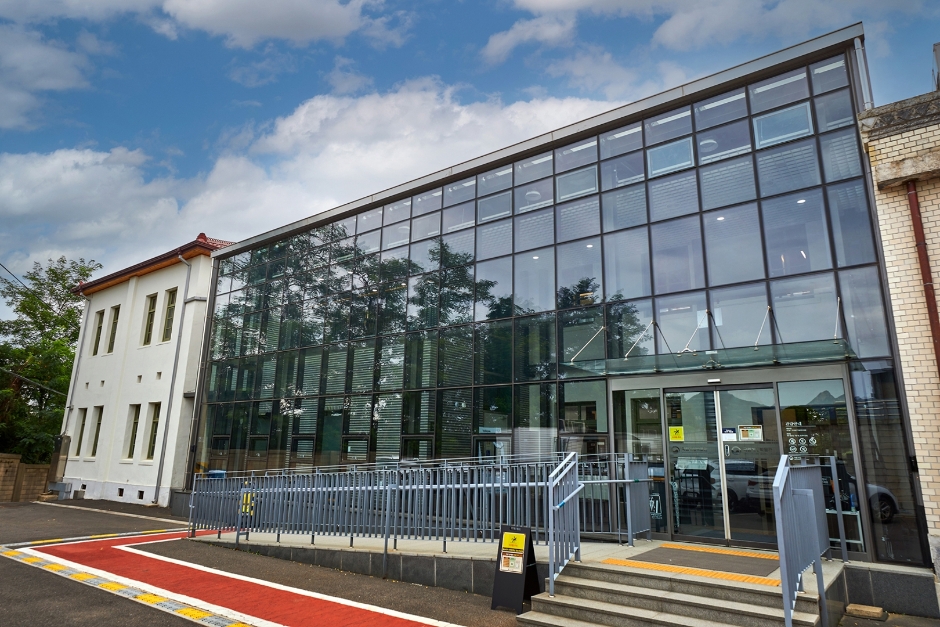
National Meteorological Museum of Korea (국립기상박물관)
10.3Km 2024-03-26
52 Songwol-gil, Jongno-gu, Seoul
A museum where one can look at Korea's meteorological observation history and technological development through exhibitions. The museum has the world's first rain gauge, invented in 1441, in the early Joseon dynasty. The museum operates approximately 350 meteorological observatories across Korea and focuses on promoting the uniqueness and excellence of Korea's meteorological science. There are permanent collections and special exhibitions. The permanent collections focus on the history of meteorological science in Korea. At the same time, the special exhibitions take a closer look at the history and information about meteorological science and natural disasters (e.g., earthquakes) that occurred in various regions of Korea. There are experience programs related to meteorological science, such as making a rain gauge or learning about rain gauges.

I'mdr. LLC. (아임닥터 유한책임회사)
10.3Km 2025-10-23
3F, 6-3 Bugahyeon-ro 2-gil, Seodaemun-gu, Seoul
I'mdr. LLC., leads the global medical tourism market with Korea's cutting-edge medical technology and world-class medical services.
With I'mdr, a health and beauty trip to Korea will be safer and more comfortable. It provides both aesthetic medical services and treatment for severely ill patients. Enjoy innovative, patient-centered medical tourism experience through I'mdr.'s customized medical concierge services.
K-Royal Culture Festival (궁중문화축전)
10.4Km 2025-07-29
161 Sajik-ro, Jongno-gu, Seoul
+82-1522-2295
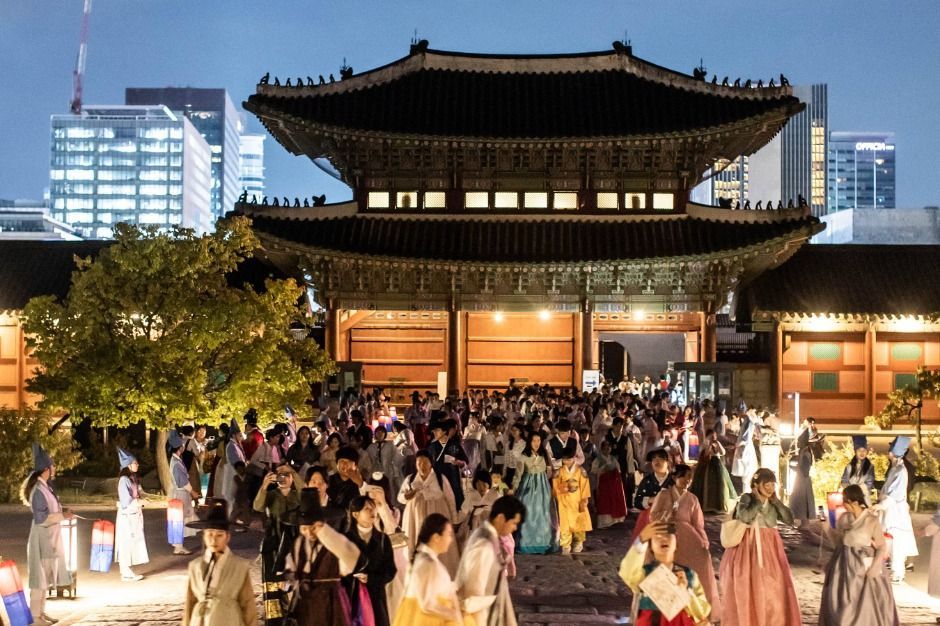
The K-Royal Culture Festival is held at the five Royal Palaces and Jongmyo Shrine. The festival first began in 2014 and provides visitors with first-hand knowledge of these important cultural heritages through unique performances, exhibitions, experiences and programs. The festival expanded in 2021 to be hosted twice a year, in spring and in fall.
GRANDHAND. Gahoe (그랑핸드 가회점)
10.4Km 2025-12-04
61 Bukchon-ro 11-gil, Jongno-gu, Seoul
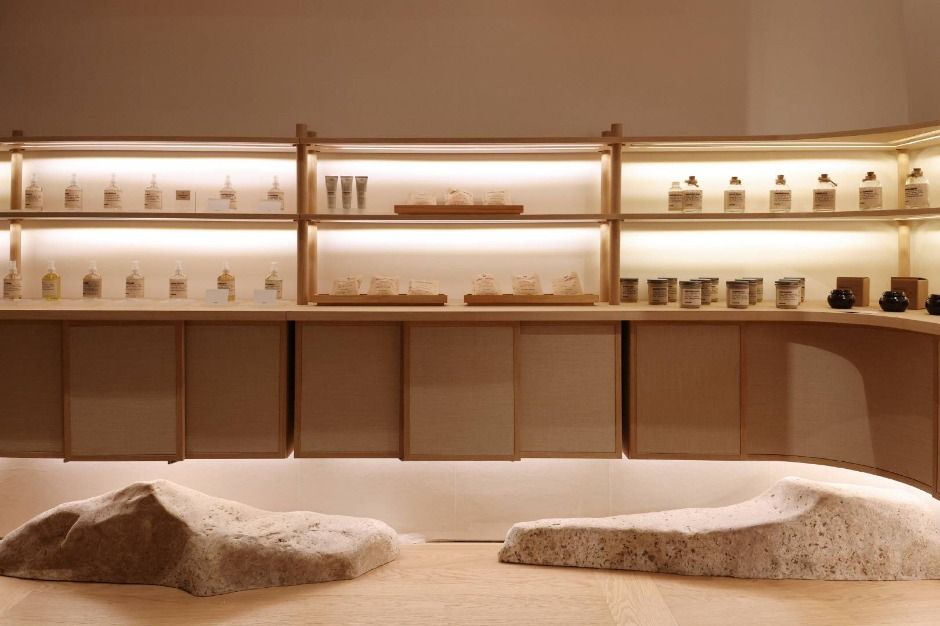
Launched in 2014 at a small hanok in Bukchon Hanok Village, this Korean perfume brand now has nine stores around Seoul. With no advertisements or online sales, GRANDHAND has preserved its roots for years. GRANDHAND. Gahoe located amidst the beautiful surroundings of Bukchon Hanok Village and various art museums has customers of all ages and nationalities.
Choi Sunu House (최순우 옛집)
10.4Km 2021-12-21
9, Seongbuk-ro 15-gil, Seongbuk-gu, Seoul
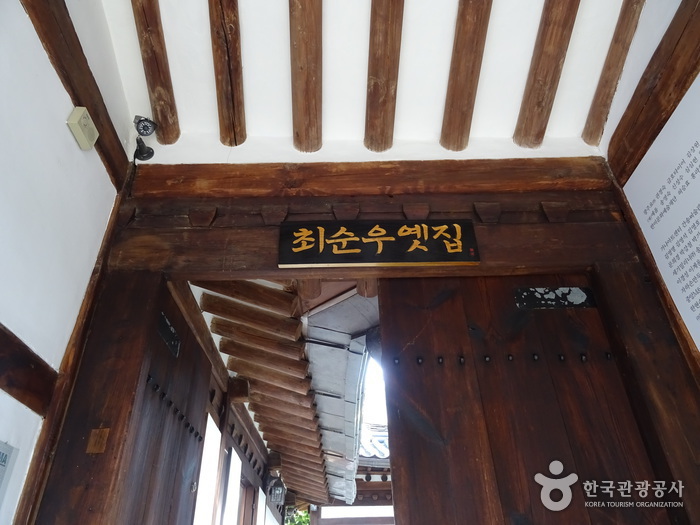
The Choi Sunu House is the old residence of Hyegok Choi Sunu (1916-1984), who lived in this house from 1976 until the day he passed away. The house is designated as Korea’s Registered Cultural Property. Choi Sunu was a leading art historian who served as the director of the National Museum of Korea. He devoted his life to rediscovering the beauty of Korean art and made many academic accomplishments in the areas of Korean ceramics, traditional woodcraft, and the history of painting.
The house has been open to the public as the Hyegok Choi Sunu Memorial Hall since 2004. The memorial hall displays Choi Sunu’s relics as a permanent exhibition and holds special exhibitions in the fall as well as cultural programs every spring and fall.
Guri Hangang Park (Cosmos Park) (구리시민한강공원 (코스모스공원))
10.4Km 2021-09-15
Topyeong-dong, Guri-si, Gyeonggi-do
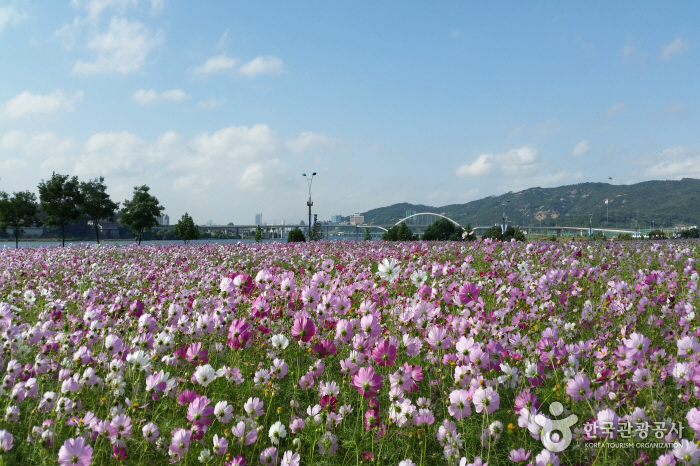
Guri Hangang Park offers a perfect rest area for visitors where visitors can feel the cool breeze coming off the river and rest amidst the beautiful natural scenery. The park’s bounties of flowers are at their peak in May with field of canola flowers, and in September when the cosmos bloom.
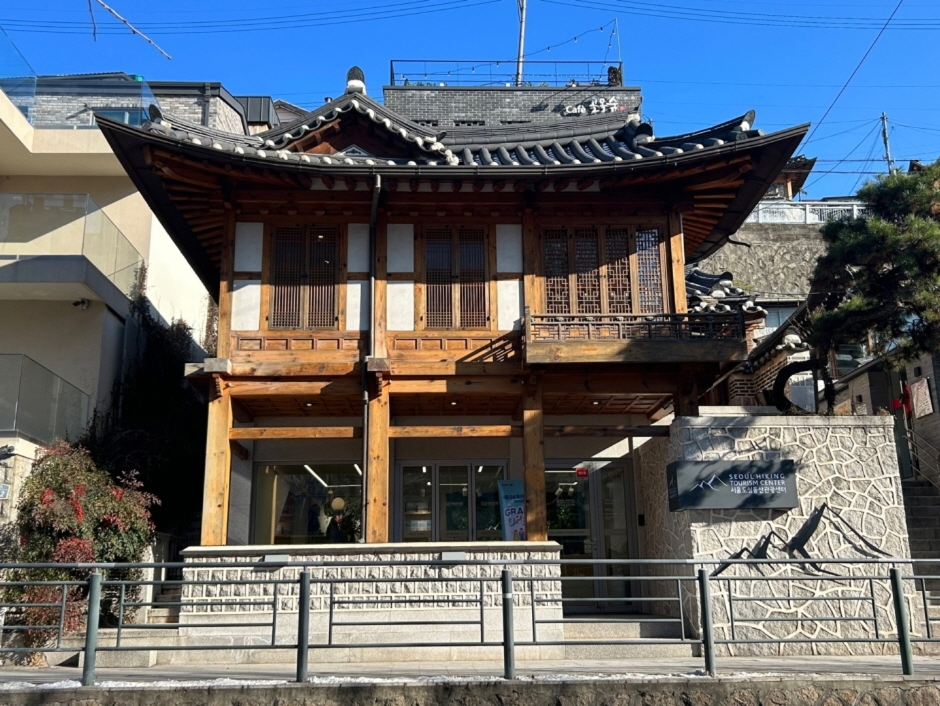
Seoul Hiking Tourism Center - Bugaksan Branch (서울도심등산관광센터(북악산))
10.4Km 2024-03-05
88 Samcheong-ro, Jongno-gu, Seoul
The Bugaksan branch of Seoul Hiking Tourism Center is located on Samcheong-dong Culture Street and provides various services to hikers. It provides hiking course guidance and information (available in Korean, English, Chinese, and Japanese) about the mountains of Seoul, including Bukhansan, Bugaksan, and Inwangsan Mountains, as well as promotional materials such as Seoul hiking tourism guidebooks and maps. Also, it operates hiking tour programs with various themes every week for foreigners and offers hiking gear rental services such as hiking boots, hiking attire, trekking poles, gloves, and crampons for foreigners. (Koreans accompanied by foreigners can also rent the gear.) In addition, there is a storage locker and lounge for visitors, so they can pack up and rest before hiking.
 English
 한국어
한국어 日本語
日本語 中文(简体)
 Deutsch
 Français
 Español
 Русский


