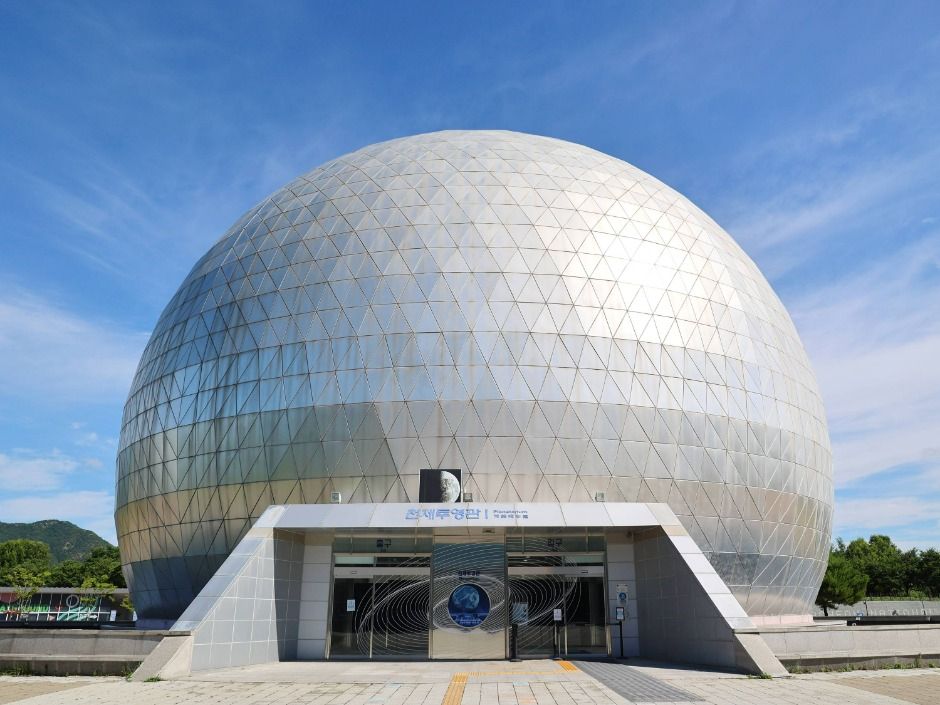
Gwacheon National Science Museum (국립과천과학관)
12.3Km 2025-07-14
110, Sanghabeol-ro, Gwacheon-si, Gyeonggi-do
As a landmark facility representing Korea’s advanced science and technology capabilities, Gwacheon National Science Museum strives to encourage young visitors to become interested in science and shares with the public scientific principles that govern daily life. The museum has permanent exhibition halls, special exhibition halls, a planetarium, outdoor exhibitions, and more. Over 50% of the exhibition items on display are interactive, allowing visitors to jump in and experience science first-hand using their minds and their imagination.

Seoulland Sledding Hills (서울랜드 눈썰매장)
12.3Km 2022-11-22
Makgye-dong, Gwacheon-si, Gyeonggi-do
Seoulland Sledding Hills offers two slopes, one for children (50 meters long) and another for adults (120 meters long). Amenities include food stands that sell various foods, including eomuk (fish cake) soup, resting lounge and medical office. Various performances are also prepared to entertain visitors at the main stage nearby the sledding hill.
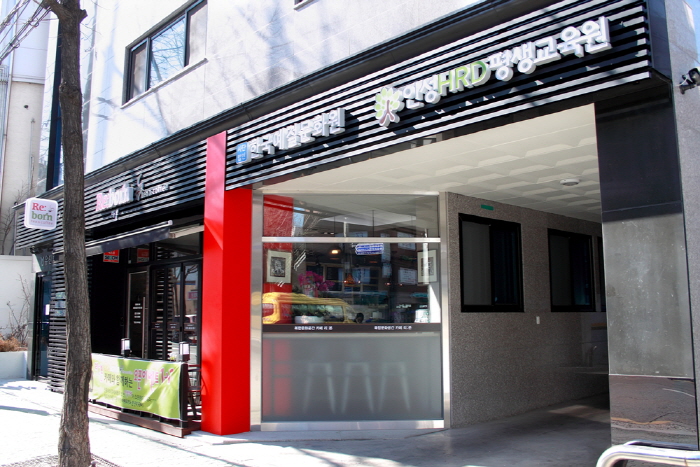
Korea Etiquette Institute (한국예절문화원)
12.4Km 2022-07-08
43 , Gajaeul-ro 4-gil, Seodaemun-gu, Seoul
Korea Etiquette Institue is dedicated to observing, researching, developing and passing down Korea's etiquette. Education programs are also available.

Gyeongui Line Forest Park (Yeontral Park) (경의선숲길(연트럴파크))
12.5Km 2023-08-11
133, Donggyo-ro 51-gil, Mapo-gu, Seoul
Gyeongui Line Forest Park is a linear city park located in Mapo-gu and is also called Yeontral Park. It includes Daeheung-dong, Yeonnam-dong, Saechanggogae Pass, Changjeon-dong, Sinsu-dong, and Wonhyo-ro, which were opened in this order. Gyeongui Line Forest Park is established atop the Gyeongui railroad line and the Gyeongui Line and Airport Railroad Express are constructed as a double track underground. Gyeongui Line Forest Park was designed to be incomplete on purpose to invite the citizens in completing the park. The area which could have been left empty and neglected has turned into a meaningful green park for the citizens by the citizens.
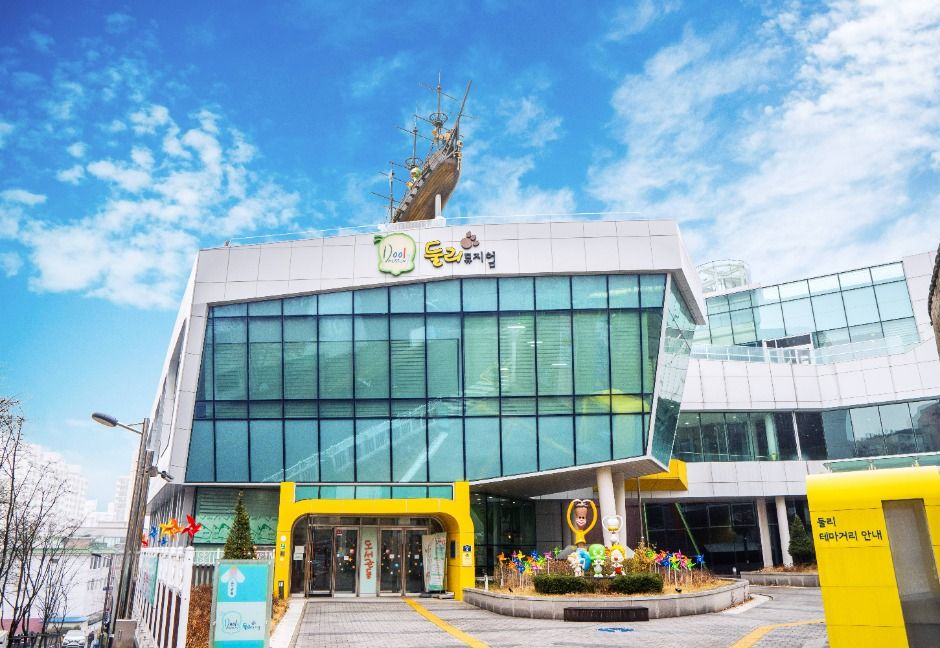
Dooly Museum (둘리뮤지엄)
12.5Km 2025-03-31
6 Sirubong-ro 1-gil, Dobong-gu, Seoul
Dooly Museum is Korea's first museum to be dedicated to a single character. The museum is dedicated to Dooly, the main character from the Korean cartoon series "Dooly the Little Dinosaur." The cartoon was published as a series on a comic magazine called "Bomulseom" from 1983 to 1993, following Dooly's adventure that begins from his arrival to Ssangmun-dong inside a glacier from the Ice Age. Inspired by the series, this interactive museum was founded in Ssangmun-dong and explores the value and meaning of the hit series through the expansion of its works such as the animation series, character merch, and other media sources.
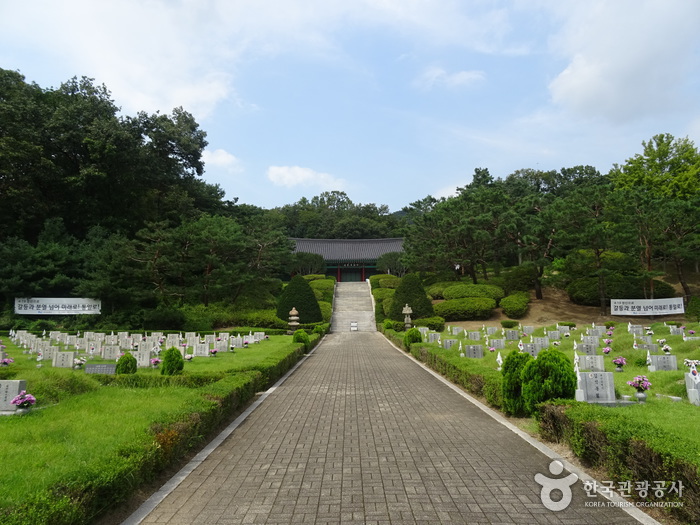
April 19th National Cemetery (국립4.19민주묘지)
12.6Km 2023-01-02
17, 4.19-ro 8-gil, Gangbuk-gu, Seoul
Located at the foot of Bukhansan Mountain, the April 19th National Cemetery was established in memory of the 224 people who lost their lives during the 4.19 Revolution in 1960. The cemetery features a memorial hall and a traditional wooden structure that houses the grave of the historic figure Yu Yeongbong.
At the cemetery is a pond surrounded by sculptures such as "Symbolic Door," "Roots of Democracy," and "Sparks of Justice" and a memorial tower bearing an inscription for the brave patriots who lost their lives during the revolution. Groves of pine, juniper, yew, and maple trees and the well-kept hiking path add a natural charm to the overwhelming ambiance of peace and serenity. Many people visit to see the spring blossoms in May, and throughout the year to take in the glorious scene of the sunset over Bukhansan Mountain.
Gyujanggak Library of Seoul National University (서울대학교 규장각)
12.7Km 2022-07-27
1, Gwanak-ro, Gwanak-gu, Seoul
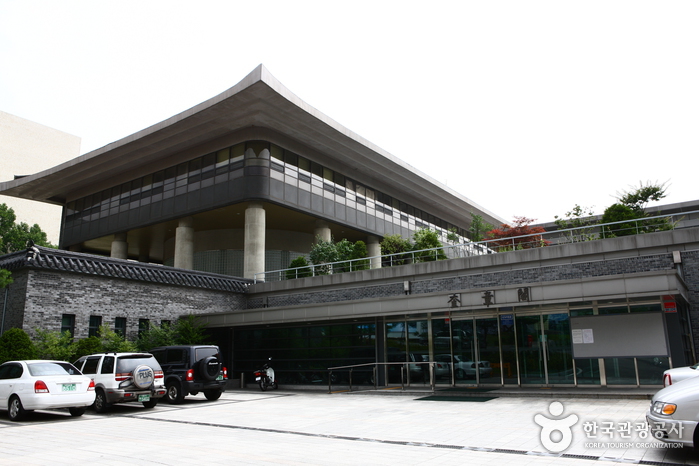
Gyujanggak Library was founded in 1776 during the reign of King Jeongjo, the 22nd ruler of the Joseon dynasty, at which time it was located within the Changdeokgung Palace grounds. It functioned as the royal library, which housed writings of the previous kings, their relics and books from home and abroad.
Today Seoul National University maintains the items of Gyujanggak in a traditional Korean building which is equipped with state-of-the-art facilities necessary for the preservation of cultural heritages. Moreover, Gyujanggak Library of Seoul National University collects and publishes books from a variety of sectors such as politics, economy and society.
Gyujanggak now houses more than 270,000 items including 7 national treasures, 8 treasures, 180,000-plus old books, about 50,000 documents and 18,000 printing blocks. Among them, Joseon Wangjo Sillok (the Annals of the Joseon Dynasty, a National Treasure), Seungjeongwon Ilgi (the Diaries of the Royal Secretariat, a National Treasure) and Uigwe (the Royal Protocols of the Joseon Dynasty) have been designated as UNESCO World Cultural Heritages.
Seoul National University (서울대학교)
12.7Km 2023-07-07
1, Gwanak-ro, Gwanak-gu, Seoul
Founded in 1946, Seoul National University is the most reputable university in Korea based on its long academic history and tradition. It was the first national university in Korea established by merging several institutions of higher education around the Seoul area, including Kyongsong University
Seoul Geumseonsa Temple (금선사(서울))
12.7Km 2021-08-17
137, Bibong-gil, Jongno-gu, Seoul
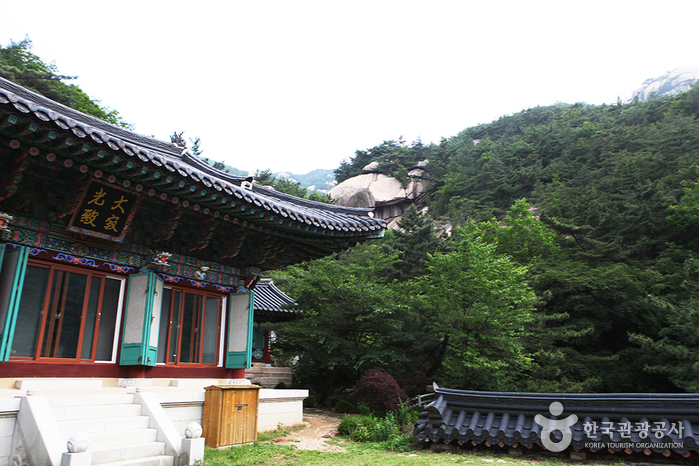
Geumseonsa Temple is located within Bukhansan National Park, just behind Cheong Wa Da (The Blue House) and Gyeongbokgung Palace. The entrance to the temple is just off the hiking path to Bibong Peak.
After passing Banyajeon Hall, where Buddhist services are held, visitors will see a pine tree over 200 years old, and beyond that, a staircase with 108 steps leading up to Daejeokgwangjeon Hall in the temple's main area. To the right is Samseonggak House and Hongyegyo Bridge over the clear waters flowing down from the mountain.
Additional temple buildings include Mitajeon Hall and Yeonhwadang Hall, built in 2004 by Monk Beopan; and Jeokmukdang Hall, built using traditional construction techniques.
The National Assembly Building (국회의사당)
12.7Km 2024-02-29
1, Uisadang-daero, Yeongdeungpo-gu, Seoul
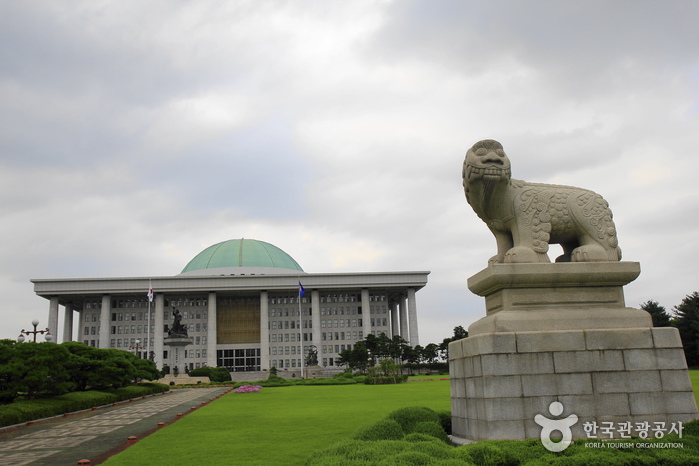
The National Assembly Building stands as the symbol of Korean democracy. It consists of the National Assembly Building, the National Assembly Library, and the Memorial Hall. Visitors can take part in programs such as observing the Plenary Chamber and visiting the Children's Museum. Because it is a great place to learn about Korean history and politics, it is a popular tourist site. Visitors are required to make reservations for their visit, which can be done through the webpage.
 English
 한국어
한국어 日本語
日本語 中文(简体)
 Deutsch
 Français
 Español
 Русский


