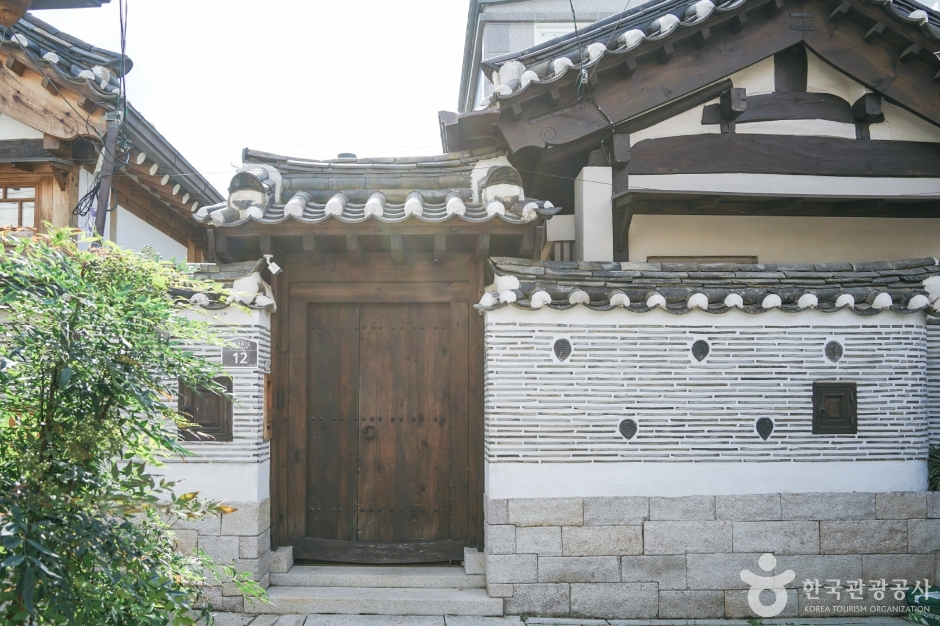
Hanok Essay Seochon (한옥에세이 서촌)
11.0Km 2024-06-04
12 Pirundae-ro 3-gil, Jongno-gu, Seoul
The area of Seochon features both traditional elements as well modern, showing the changes over time. A stay in one of the hanok houses here is the perfect way to feel this unique ambiance. Hanok Essay Seochon provides this experience, open to visitors of all ages.
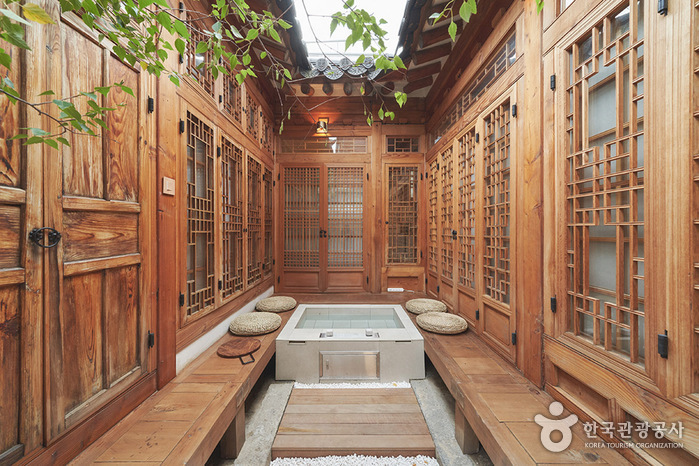
Of one book and stay (일독일박)
11.0Km 2024-12-23
11-1 , Pirundae-ro 3-gil, Jongno-gu, Seoul
Ildogilbak in Seochon Village, Seoul, is a private hanok stay that has been stylishly renovated with modern facilities. The bedroom, kitchen and dining room are located around the courtyard. Tired travellers can soak their feet in the small courtyard footbath while sitting on the veranda. There’s a queen size bed in the bedroom, and a large table in the dining room where you can read a book and chat. There is also an attic space where you can fall asleep looking at the stars through a small skylight. The kitchen is well equipped, and there’s a tub in the bathroom.
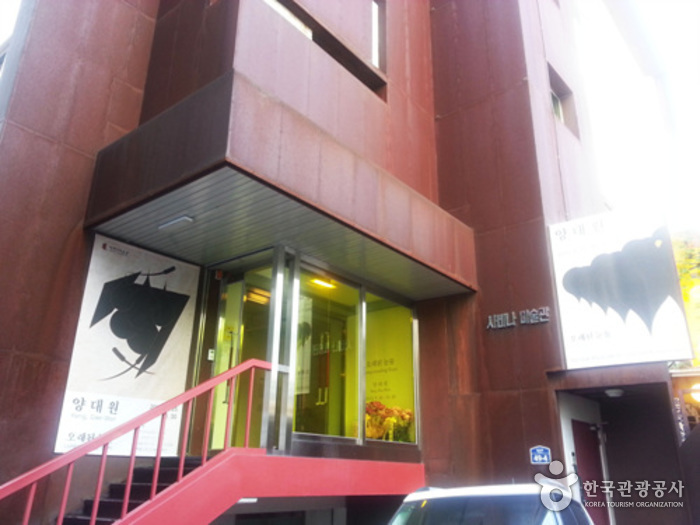
Savina Museum of Contemporary Art (사비나 미술관)
11.1Km 2022-10-20
93 , Jingwan 1-ro, Eunpyeong-gu, Seoul
The Savina Museum provides visitors with fresh and exciting pieces that reflect the diverse and dynamic aspects of Korean modern art. Museum organizers actively focus on developing the museum’s exhibitions, educational programs, publications, and art collections, continually working to transform the museum into a living, breathing center of arts. The museum not only supports the development of artists from a more traditional list of fields like painting, sculpture, photography and media arts, but also introduces exhibits highlighting new trends in the art world.
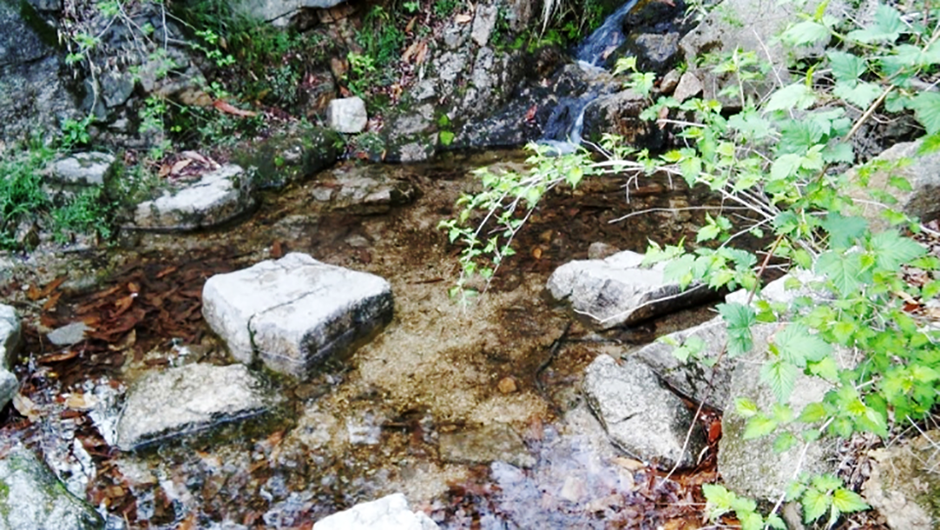
Suseongdonggyegok Valley (수성동계곡)
11.1Km 2023-08-17
185-3, Ogin-dong, Jongno-gu, Seoul 서울특별시 종로구 옥인동
Suseong-dong Valley's stream runs down from Inwangsan Mountain and joins Cheonggyecheon Stream, and it is said that the name of the village was called Suseong-dong during the Joseon dynasty due to the loud and clear sound of the flowing water. It appears in the painting "Jangdong Palgyeongcheop," which is Jangdong Eight Scenic Views, that depicts the eight scenic views of Bugaksan Mountain and Inwangsan Mountain as well as in other historical books of the Joseon dynasty as a place of scenic beauty. The valley was so famous for its beauty, that Prince Anpyeong of the Joseon dynasty built his house "Bihaedang" to fully enjoy the view, and the valley and its stone bridge were designated as a cultural property of Seoul in 2010.
Sejong-ro Park (세종로공원)
11.1Km 2022-08-31
jiha 189, Sejong-daero, Jongno-gu, Seoul
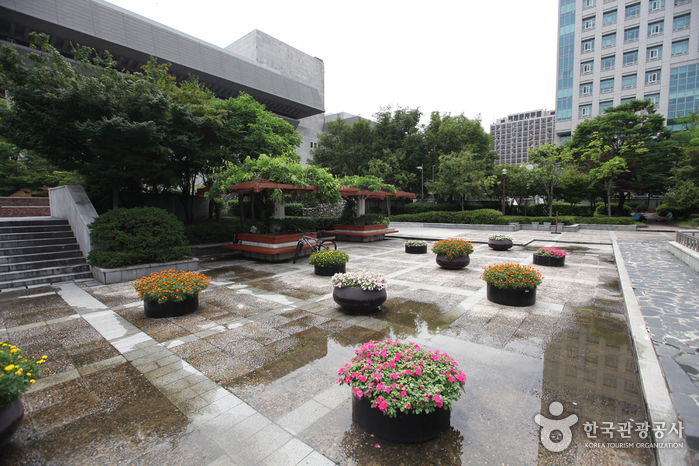
Sejong-ro Park is located next to Sejong Center for the Performing Arts in central Seoul. Inside the park, there are wooden benches and shaded areas where people can sit and relax. Also available are water fountains, a round outdoor stage, and various sculptures. The lunch crowd from the nearby office buildings often come to the park during weekdays. On the weekends, the park is also used as a venue for outdoor weddings.
Seoul's anthem and the poem "Bulnori" by Ju Yo-han are written on a memorial stone that can be found inside the park.
Cheongansa Temple (천간사)
11.1Km 2021-10-12
20-8, Bulgwang-ro 10-gil, Eunpyeong-gu, Seoul
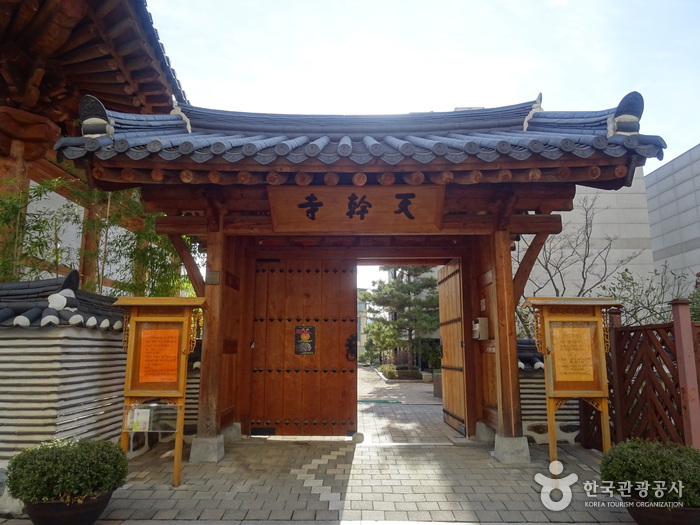
Cheongansa Temple was first built in 1960, and was re-built in 2009. It has many pagodas and monuments: a pagoda filled with sari relics of Buddha; Budotap Pagoda, which is a shrine to the monk who found the temple and his sacred relics; and a monument honoring the late first lady Yuk yeong-su. The re-built temple was awarded the Hanok Prize in the Hanok Competition 2011. Located along the Bukhansan Mt. Dulaegil Trail, the temple provide visitors with the chance to enjoy fresh air and a rest from hiking along the trail.

Myungbo Art Hall (명보아트홀)
11.1Km 2025-04-15
47 Mareunnae-ro, Jung-gu, Seoul
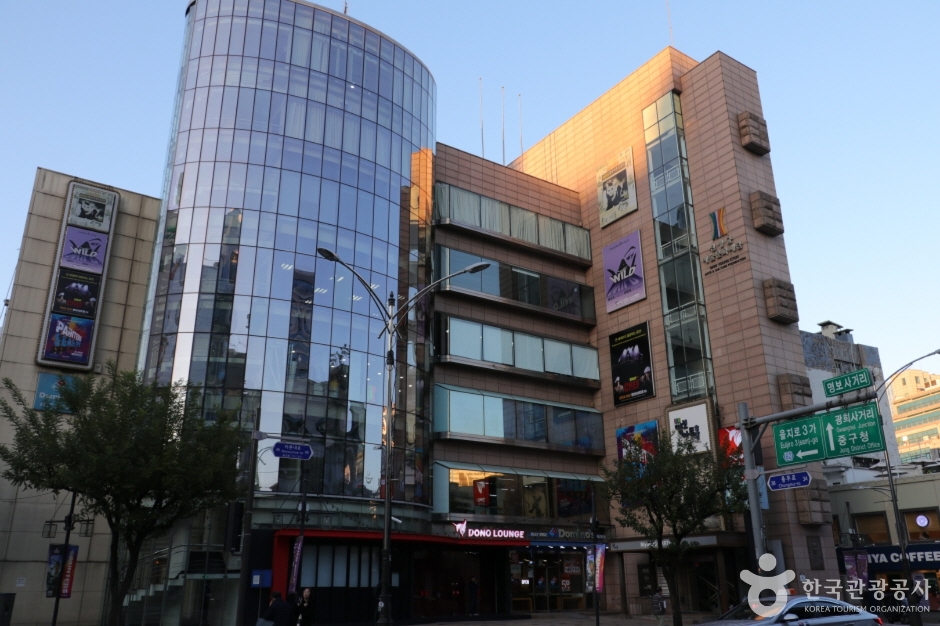
Located in Euljiro 3(sam)-ga, the heart of Seoul, Myungbo Art Hall is a cultural complex that consists of a professional theatre hall. Renovated from Myungbo Theater in 2009, Myungbo Art Hall is equipped with state-of-the-arts lighting and sound equipment that guarantees high-quality theatre experience for the audience. In addition, the hall also has comfortable seats along with other amenities for the audience's convenience. Myungbo Art Hall aims to globalize Korean performance culture by creating a variety of content that incorporate Korean theatre with tourism. This area is also where the house of Admiral Yi Sun-sin was located, which is honored with a memorial plaque listing his accomplishments.
Statue of Admiral Yi Sun-Shin (충무공 이순신 동상)
11.1Km 2024-03-04
175, Sejong-daero, Jongno-gu, Seoul
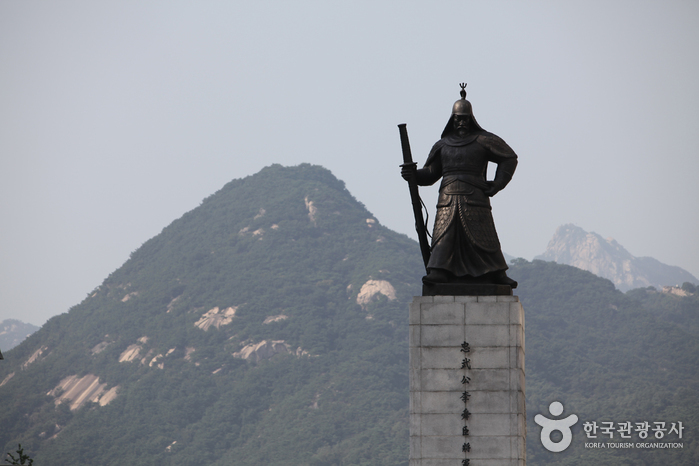
The Statue of Admiral Yi Sun-Shin can be found at Gwanghwamun Square in Seoul. Admiral Yi Sun-shin (1545-1598) was a naval commander who served during the Japanese invasion of Korea (also known as Imjin War: 1592-1598). The undefeated admiral achieved 23 victories against the Japanese navy using innovative tactics, and he is thus considered as one of the greatest generals in the history of Korea. Admiral Yi’s likeness can be found on the 100 won coin.
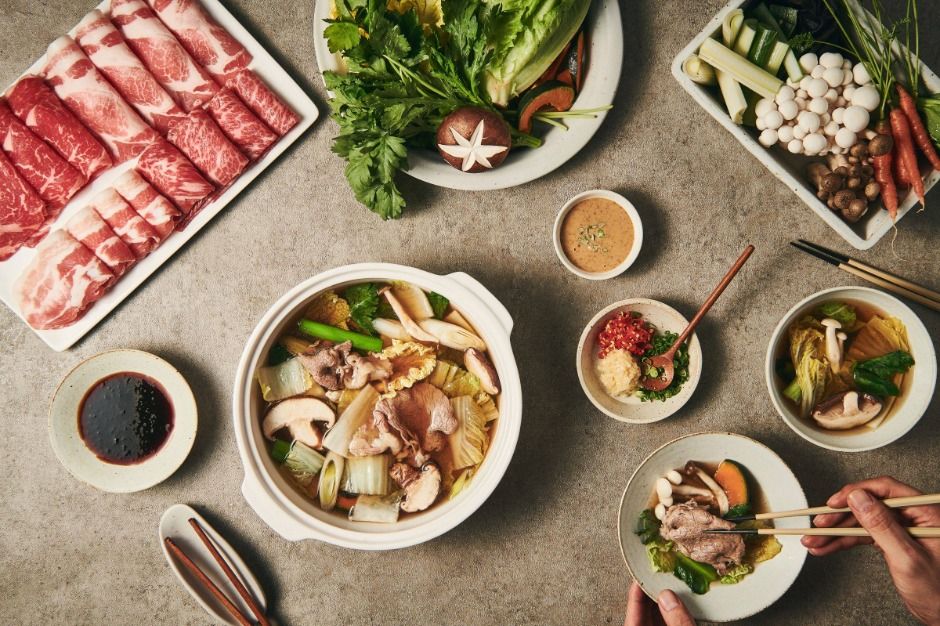
Modern Shabu House Gwanghwamun D Tower Branch (모던샤브하우스 광화문D타워점)
11.1Km 2025-12-02
17 Jong-ro 3-gil, Jongno-gu, Seoul
Located in Jongno-gu, Modern Shabu House Gwanghwamun D Tower Branch offers a selection of specialty broths to enjoy unlimited beef, pork, and vegetables. The restaurant serves four cuts of pork and beef in every course. The interior is designed with natural materials like earth, stone, and wood, inspired by the fluid process of cooking ingredients like meat and vegetables in a pot. The design reflects the natural movement and flow of ingredients as they cook together. The restaurant also has a range of private rooms, making it a popular choice for families with children and for gatherings, providing a comfortable dining experience.
 English
 한국어
한국어 日本語
日本語 中文(简体)
 Deutsch
 Français
 Español
 Русский


