
Seoul Doseonsa Temple (도선사(서울))
3.5Km 2025-06-25
504 Samyang-ro 173-gil, Gangbuk-gu, Seoul
Doseonsa Temple was established 1,100 years ago during the latter part of the Silla Kingdom when the renowned Buddhist priest Doseonguksa was traveling through the mountains. After visiting the site, Doseonguksa made a prophecy that led to the construction of the temple. According to legend, he used only his walking stick to carve the large Bodhisattva that sits at the temple. Interestingly enough, the statue does not show any evidence of chisel marks, further adding to the mystery of how the statue was made.
During the 7th year of King Gwangmu of the Joseon dynasty, Doseonsa Temple was officially named the representative temple of Korea with the purpose of promoting Cheongdamdaejongsa's Korean Buddhism movement, aiming at a religious revival. Due to these special circumstances Deseonsa Temple gained a high reputation and much recognition, which have held strong to this day.
Inside the temple, visitors can view the remains and written works of Cheongdamdaejongsa in the Cheongdamdaejongsa Memorial Hall. Next to the road leading to Cheonbuljeon Hall is a pond where you can toss a coin and make a wish and just past Yongammun Gate is a hiking path connecting Baegundae Cliff and Insubong Peak. Inside the Ksitigarbha Hall are portraits of President Park Chung-hee, Yuk Yeong-su, and Hyundai Chairman Chung Ju-yung. In front of the hall is a tree that is said to have been planted by a Buddhist priest who brought it from India 200 years ago. Historical artifacts can be found throughout the temple.
![Bukhansan Dulle Trail Section 1 ([북한산 둘레길] 1 소나무숲길 )](http://tong.visitkorea.or.kr/cms/resource/30/1898430_image2_1.jpg)
Bukhansan Dulle Trail Section 1 ([북한산 둘레길] 1 소나무숲길 )
3.6Km 2024-01-04
12 Samyang-ro 173-gil, Gangbuk-gu, Seoul
Bukhansan Mountain is a mountain representing Seoul, which 5 million people visit every year. It is not easy to hike up to the top, but the dulle trail allows one to enjoy the beauty of the mountain without too much effort. Bukhansan Dulle Trail is a low-lying, horizontal walking trail created by connecting and refining existing side paths, allowing for a leisurely walk along the foot of the mountain. The Pine Forest Trail, one section of the trail consisting of 21 themes, is 2.9 kilometers long from the entrance to Uiryeong Trail to the top of Solbat Neighborhood Park. It is filled with majestic pine trees, and the road is wide and gentle, making it a perfect place to enjoy a walk. Most of the section is shaded by trees, so visitors can feel cool while walking up even on hot summer days.
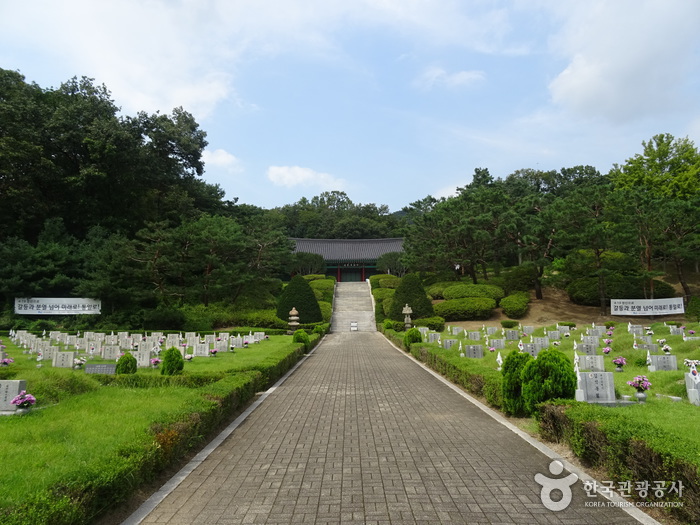
April 19th National Cemetery (국립4.19민주묘지)
3.7Km 2023-01-02
17, 4.19-ro 8-gil, Gangbuk-gu, Seoul
+82-2-996-0419
Located at the foot of Bukhansan Mountain, the April 19th National Cemetery was established in memory of the 224 people who lost their lives during the 4.19 Revolution in 1960. The cemetery features a memorial hall and a traditional wooden structure that houses the grave of the historic figure Yu Yeongbong.
At the cemetery is a pond surrounded by sculptures such as "Symbolic Door," "Roots of Democracy," and "Sparks of Justice" and a memorial tower bearing an inscription for the brave patriots who lost their lives during the revolution. Groves of pine, juniper, yew, and maple trees and the well-kept hiking path add a natural charm to the overwhelming ambiance of peace and serenity. Many people visit to see the spring blossoms in May, and throughout the year to take in the glorious scene of the sunset over Bukhansan Mountain.
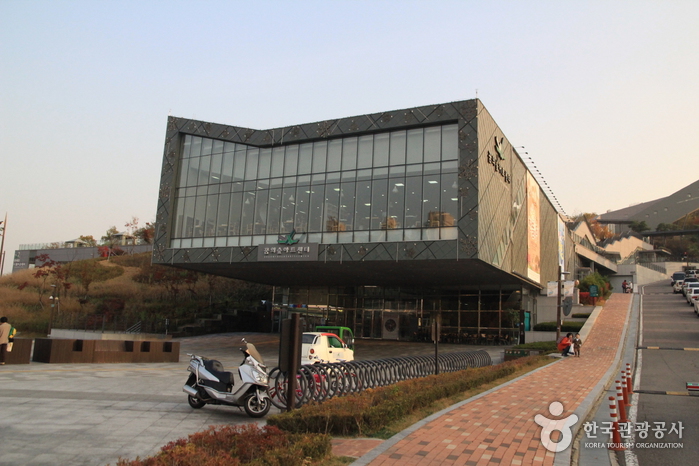
Dream Forest Art Center (꿈의숲 아트센터)
3.7Km 2025-01-15
173, Wolgye-ro, Gangbuk-gu, Seoul
Dream
Forest Art Center, located in Gangbuk, Seoul, is operated by the Sejong Center
for the Performing Arts. Composed of two performance venues (Performance
Hall and Concert Hall), alongside with Sang Sang Tok Tok Art Gallery and Dream
Gallery, there are also a Chinese restaurant, cafe and an observatory deck available
for all visitors to enjoy.
Seoul Hiking Tourism Center - Bukhansan Branch (서울도심등산관광센터(북한산))
3.7Km 2024-03-05
5F, 181-7 Ui-dong, Gangbuk-gu, Seoul
+82-1533-2608
The Seoul Hiking Tourism Center is located 5 minutes on foot from Exit 2 of Bukhansan Ui Station and provides various services to hikers. It provides hiking course guidance and information (available in Korean, English, Chinese, and Japanese) about the mountains of Seoul, including Bukhansan, Bugaksan, and Inwangsan Mountains, as well as promotional materials such as Seoul hiking tourism guidebooks and maps. Also, it operates hiking tour programs with various themes every week for foreigners and offers hiking gear rental services such as hiking boots, hiking attire, trekking poles, gloves, and crampons for foreigners. (Koreans accompanied by foreigners can also rent the gear.) In addition, there is a storage locker and lounge for visitors, so they can pack up and rest before hiking.
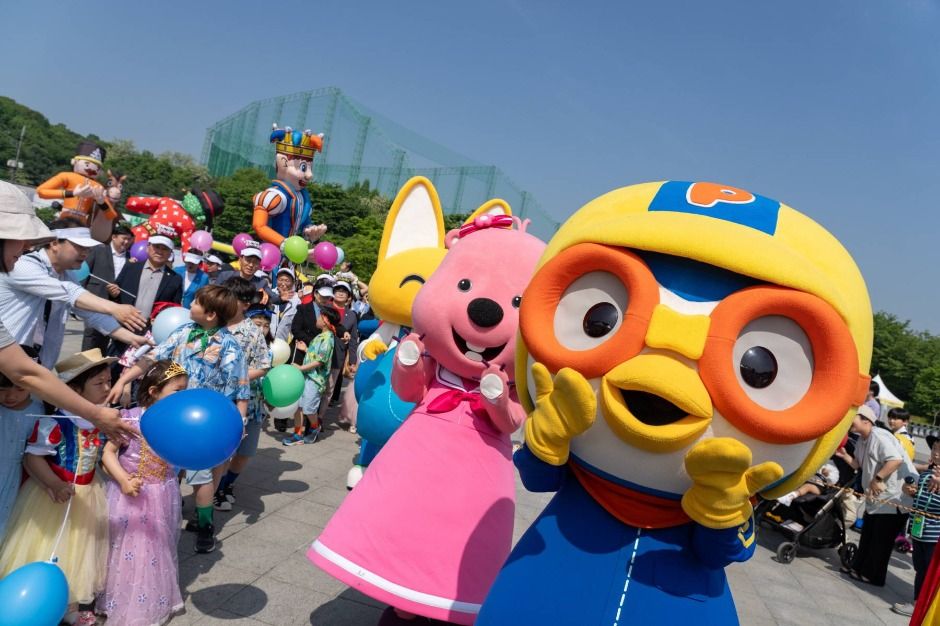
Gangbuk-gu Children's Day Festival (강북구 어린이날 대축제)
3.8Km 2025-05-08
173 Wolgye-ro, Gangbuk-gu, Seoul
+82-2-554-9795
Gangbuk-gu Children's Day Festival takes place at Dream Forest in celebration of Children's Day, which falls on May 5. Programs such as a sing-along show, parades, stage performances, interactive games, and a variety of fun rides are prepared to provide a day filled with fun and laughter.
![[Seoul Trail Course 1] Suraksan · Buramsan Mountain Course ([서울 둘레길 1코스] 수락 · 불암산 코스)](http://tong.visitkorea.or.kr/cms/resource/16/2658216_image2_1.jpg)
[Seoul Trail Course 1] Suraksan · Buramsan Mountain Course ([서울 둘레길 1코스] 수락 · 불암산 코스)
4.0Km 2025-01-06
Junggye-dong, Nowon-gu, Seoul, Republic of Korea
Seoul Trail is a walking trail that encompasses the entire city of Seoul, with a total length of 157km and 8 courses. It weaves together the history, culture, and natural ecology of Seoul through various stories. The 1st course is a gentle path from Suraksan Mountain to Buramsan Mountain, covering 18.6km and taking approximately 8 hours and 10 minutes. This trekking course around Buramsan Mountain passes through Iris Garden, Deongneung-gogae, Information Center, Taereung Royal Tomb, Suamsa Temple, and Hakdoam Temple.
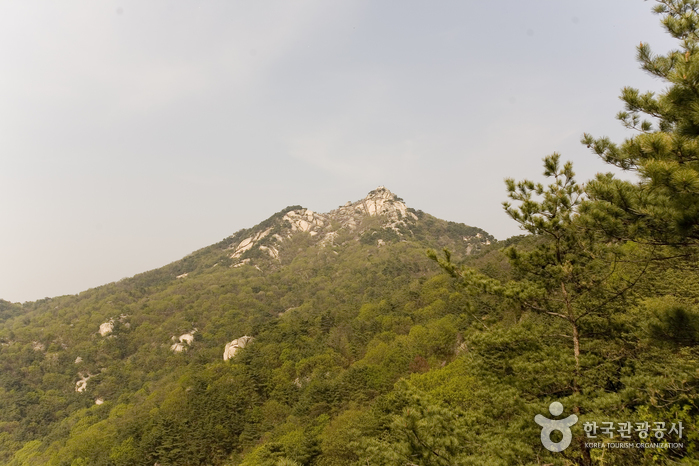
Buramsan Mountain (불암산)
4.0Km 2021-04-23
22, Deongneung-ro 130ga-gil, Nowon-gu, Seoul
+82-2-2116-3943
Buramsan Mountain is an 508-meter high rock mountain, drawing the border between Junggye-dong and Sanggye-dong in Nowon-gu and Byeolnae-myeon in Namyangju.
The total area is approximately 5,355,396 square meters and was designated as a city nature park in 1977. The mountain is named after its appearance that resembles Buddha wearing songnak (headgear) and is also referred to as Cheonbosan or Piramsan Mountain. The ridge stretches long enough to enjoy the scenery and it's an easy hike because it is not too steep. In particular, the stunning view of Seoul at night unfolds at the top of the mountain.
Buramsanseong Fortress is located 420 meters above sea level and the rock cliffs are often used as rock climbing spots. There are also various hiking trails and about ten springs to get fresh mineral water. Burampokpo Falls is popular in winter among ice climbing enthusiasts.
Suraksan Mountain (수락산)
4.1Km 2021-06-01
San 1-1, Sanggye-dong, Nowon-gu, Seoul
+82-2-2116-3943
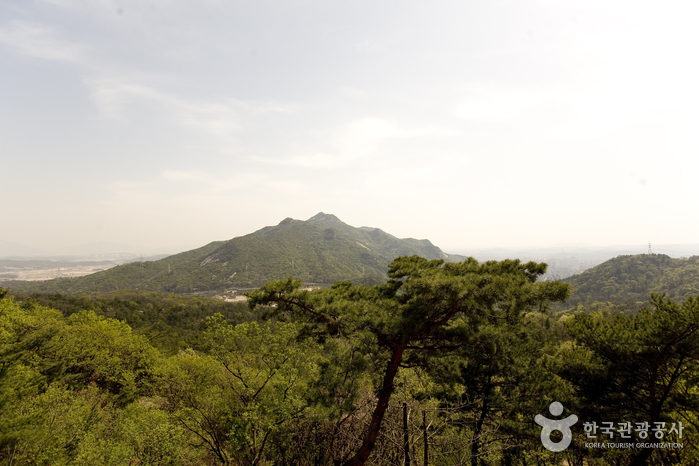
Along with the other great mountains near Seoul, Suraksan Mountain has its own unique beauty throughout the year. Its cluster of small peaks is reminiscent of Seoraksan or Wolchulsan Mountains and among its valleys and peaks, a number of treasures unfold. These include Geunnyu, Eunnyu, and Ongnyu Waterfalls, Heungguksa, Naewonsa and Seongnimsa Temples, and Gwesanjeong Pavilion.
One of the most popular hiking courses on Suraksan Mountain is the one that starts from Danggogae Station (Seoul Subway Line 4) and passes Hangnimsa Temple and Yongguram Hermitage. In the springtime, the ridge between Suraksan Mountain and Buramsan Mountain is covered with gorgeous royal azalea blossoms.
Korea Institute of Radiological & Medical Sciences, Korea Cancer Center Hospital (한국원자력의학원 원자력병원)
4.2Km 2025-11-28
75 Nowon-ro, Nowon-gu, Seoul
KCCH (Korea Cancer Center Hospital) is a leading institution specializing in cancer diagnosis, treatment, and research using radiation. It has established an efficient collaborative care system and an integrated multidisciplinary approach to treatment. In addition to cancer care, the hospital operates a hospice palliative care center, offering holistic care to patients. As a government-funded organization, it actively conducts molecular cancer research and studies on the effects of radiation on the human body. With the introduction of PET/MRI diagnostics, KCCH develops more precise treatment plans and leads international clinical research, continuously improving cancer treatment outcomes through advanced research.
 English
 한국어
한국어 日本語
日本語 中文(简体)
 Deutsch
 Français
 Español
 Русский


