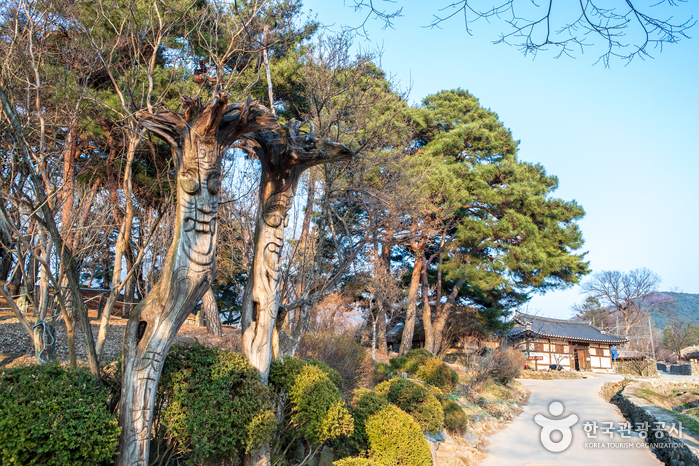
Oeam Folk Village (외암민속마을)
3.0Km 2025-12-16
13-2 Oeamminsok-gil 9beon-gil, Songak-myeon, Asan-si, Chungcheongnam-do
+82-41-540-2110
Oeam Folk Village, located in Asan, boasts a history spanning over 500 years. This agricultural village has preserved its ancient houses and cultural heritage remarkably well. At the entrance, visitors are greeted by a recreation of a traditional market. The village offers Hanokstay programs, allowing guests to stay in traditional Korean houses, and provides interactive experiences that recreate traditional Korean agricultural practices and crafts.
◎ Travel Information to Discover Hallyu’s Charm - K-Drama "Missing: The Other Side 2 (2023)"
The main filming location for the K-Drama "Missing: The Other Side 2" is Oeam Folk Village. As the protagonists investigate the truth in a village of souls that only they can see, the peaceful scenery of Oeam Folk Village provides a mysterious backdrop, adding depth and immersion to the series.
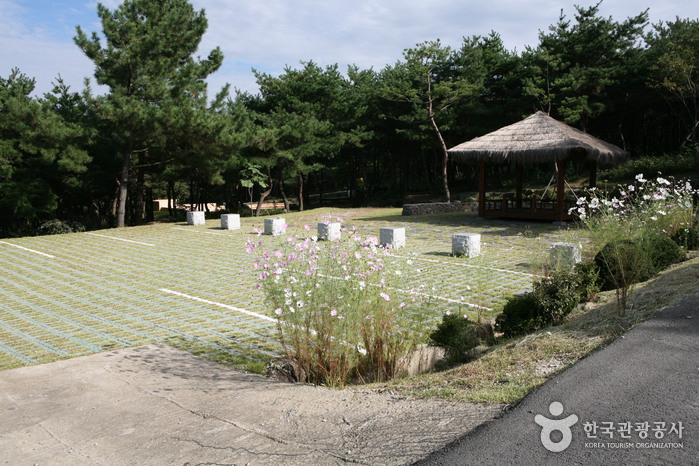
Taehaksan Recreational Forest (태학산자연휴양림)
4.9Km 2021-06-15
188, Donmaru 1-gil, Dongnam-gu, Cheonan-si, Chungcheongnam-do
+82-41-529-5108
Taehaksan Mountain is located south of the borders of Sucheol-ri, Asan; Samtae-ri, and Maedang-ri in Cheonan. The mountain is known for the Rock-carved Standing Buddha (Treasure No. 407), which displays typical patterns of Buddha statues from the Goryeo era. The mountain gets its name from its shape that resemble a dancing crane. Native flowers and trees are scattered throughout the mountain, and the park's dense pine forest makes this park a great family vacation destination.
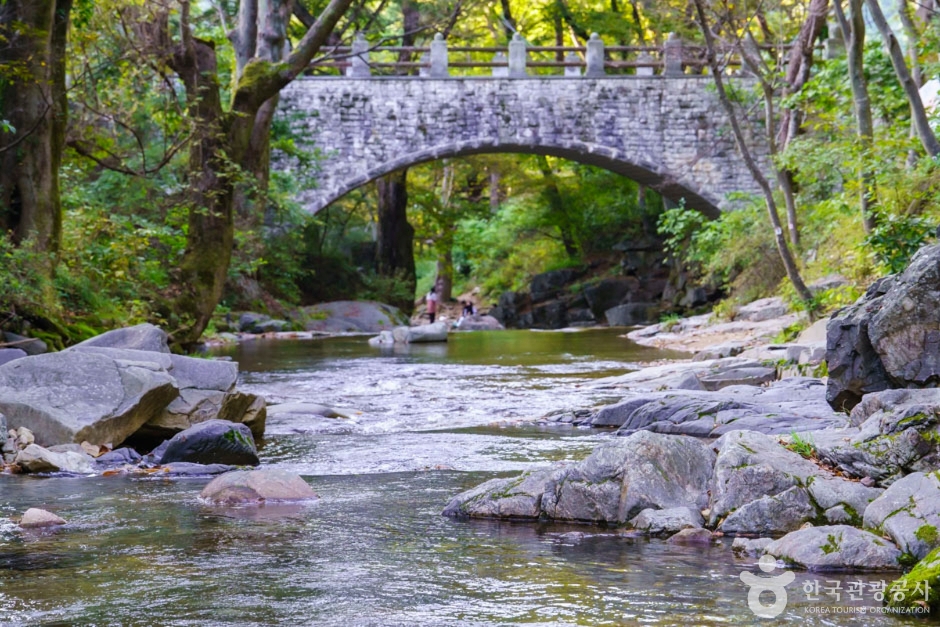
Gangdanggolgyegok Valley (강당골계곡)
4.9Km 2024-02-22
510, Gangdang-ri, Songak-myeon, Asan-si, Chungcheongnam-do
Gangdanggolgyegok Valley is located at the northern foot of Gwangdeoksan Mountain at the boundary between Asan and Cheonan, through which the Oeamcheon Stream flows. The valley has clear water and a lush forest, making it a great place for forest bathing and summertime swimming. Gwangdeoksan Mountain also has excellent hiking trails. The village has campgrounds and pensions for accommodations, along with several restaurants.
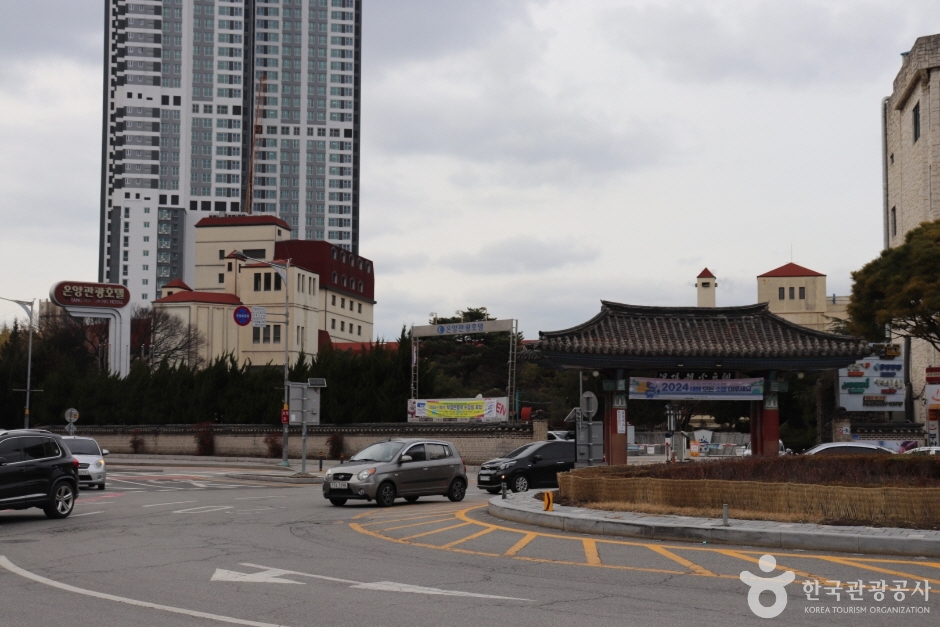
Onyang Hot Springs (온양온천지구)
5.5Km 2024-03-28
1459 Oncheon-daero, Asan-si, Chungcheongnam-do
+82-41-540-1234
Onyang Hot Springs is the oldest hot springs complex in Korea, a place where the kings of Joseon (1392-1897) recuperated and bathed, thanks to its proximity to Seoul. In the 1970s and 1980s, it was a popular honeymoon destination. The water here has a temperature of about 44-60℃ and contains substances that are beneficial for the human body. The area boasts a large number of hotels and water parks.

Asan Mediterranean Village (지중해마을)
5.8Km 2024-02-22
55-7, Tangjeongmyeon-ro 8beon-gil, Tangjeong-myeon, Asan-si, Chungcheongnam-do
Asan Mediterranean Village, also called Blue Crystal Village, is made up of buildings reminiscent of those found in a Mediterranean village. It is particularly interesting because it is housed in the heart of a modern city. The village is divided into two sections, one taking after the Provence in southern France and the other resembling Santorini in Greece. Famous sights include the photo areas of angel’s wings and a lighthouse-shaped red postbox, along with cafés and stores.
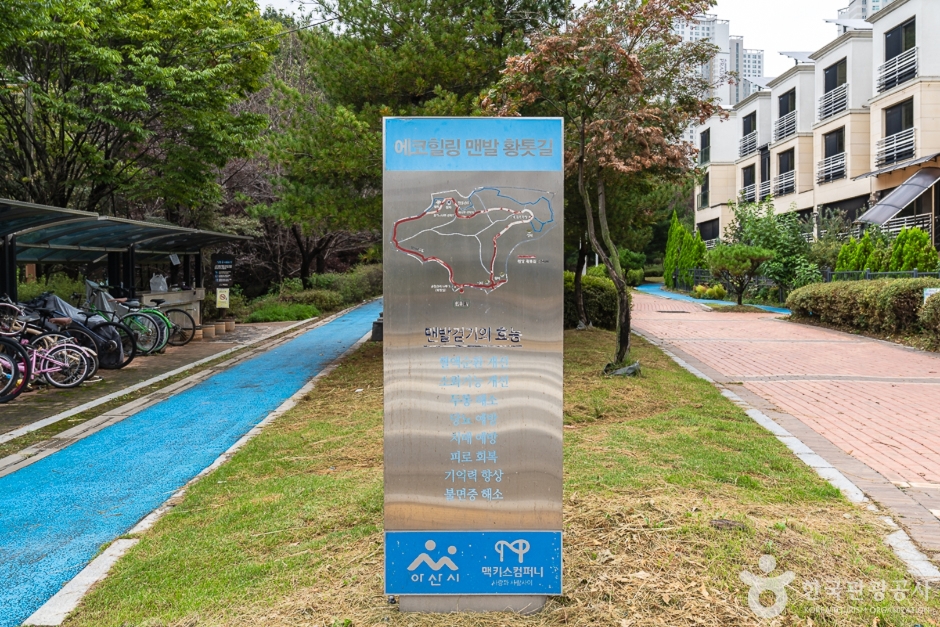
Eco Healing Red Clay Trail (에코힐링 황톳길)
7.5Km 2024-02-22
159 Gongwon-ro, Seobuk-gu, Cheonan-si, Chungcheongnam-do
The Eco Healing Red Clay Trail is located along the border of Cheonan and Asan. This 2.5km walking path is intended for barefoot hiking, featuring both mats and red clay surfaces. It links to conventional hiking trails that ascend into the mountains. The surrounding forest offers opportunities for forest bathing, with the chance to spot small wildlife among the trees. For relaxation, pavilions and chairs are dispersed along the trail, and facilities for foot washing are available at the end of the trail.
Cheonan-Asan Station (천안아산역)
7.7Km 2025-08-19
100, Huimang-ro, Asan-si, Chungcheongnam-do
+82-1544-7788
Cheonan-Asan Station began its operation along with the opening of KTX railway. Its location overlaps the admistrative district of both Cheonan city and Asan city, hence the name.
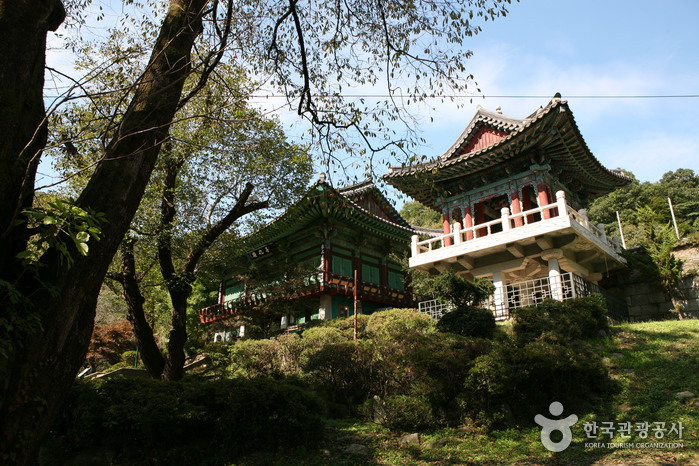
Cheonan Gwangdeoksa Temple (광덕사(천안))
7.9Km 2021-12-01
30, Gwangdeoksa-gil, Dongnam-gu, Cheonan-si, Chungcheongnam-do
+82-41-567-0050
Gwangdeoksa Temple is said to be established in 637 by Monk Jajang Yulsa during the Silla Kingdom and was refurbished during the reign of King Heungdeok (832). The temple sits in the southeast of Gwangdeoksan Mountain, which borders Asan-si and Cheonan-si, and the southwest of Taehwasan Mountain. It was the biggest temple within Chungcheong and Gyeonggi regions before the Japanese invasion. However, it was burnt down during the Japanese invasion and the main buildings such as Daeungjeon, Myeongbujeon and Cheonbuljeon Halls are relatively new compared to the other original facilities.
![Homeplus Stores - Cheonan Sinbang Branch [Tax Refund Shop] (홈플러스스토어즈 천안신방)](http://tong.visitkorea.or.kr/cms/resource/53/2883253_image2_1.jpg)
Homeplus Stores - Cheonan Sinbang Branch [Tax Refund Shop] (홈플러스스토어즈 천안신방)
8.3Km 2024-04-23
23, Sinchon 1-gil, Dongnam-gu, Cheonan-si, Chungcheongnam-do
-
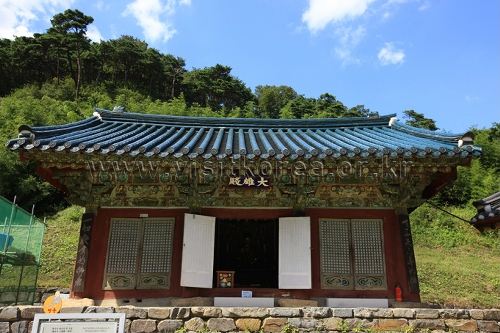
Bonggoksa Temple (봉곡사)
8.6Km 2021-05-15
138, Dosong-ro 632beon-gil, Asan-si, Chungcheongnam-do
+82-41-543-4004
Surrounded by lush wildlife Bonggoksa Temple is located alongside the northeast valley in Bongsusan Mountain in Namdan, Songak-myeon. Both Daeeungjeon and Hyanggakjeon sit facing east, and to the north, is the large Yosache (residence for Buddhist monks). Behind the residence, an area has been leveled down for a restroom and storehouse. And Samseongak (a building where three saints are worshipped) is situated on top of the mound to the south of the temple. Although Samseongak was constructed in recent years, both Daeungjeon and Yosache are identified in the restored record that was found by Buddhist monk, Seobong in 1891. The temple has gained renown for being the place where Saint Mangong attained his Buddhist awakening and recited Odoseong, the zen poetry in July, 1895.
 English
 한국어
한국어 日本語
日本語 中文(简体)
 Deutsch
 Français
 Español
 Русский


