
Seoulland Sledding Hills (서울랜드 눈썰매장)
18.6Km 2022-11-22
Makgye-dong, Gwacheon-si, Gyeonggi-do
+82-2-509-6000
Seoulland Sledding Hills offers two slopes, one for children (50 meters long) and another for adults (120 meters long). Amenities include food stands that sell various foods, including eomuk (fish cake) soup, resting lounge and medical office. Various performances are also prepared to entertain visitors at the main stage nearby the sledding hill.
Jaunam Hermitage (자운암)
18.6Km 2023-05-08
Gwanak-ro, Gwanak-gu, Seoul
+82-2-882-3839
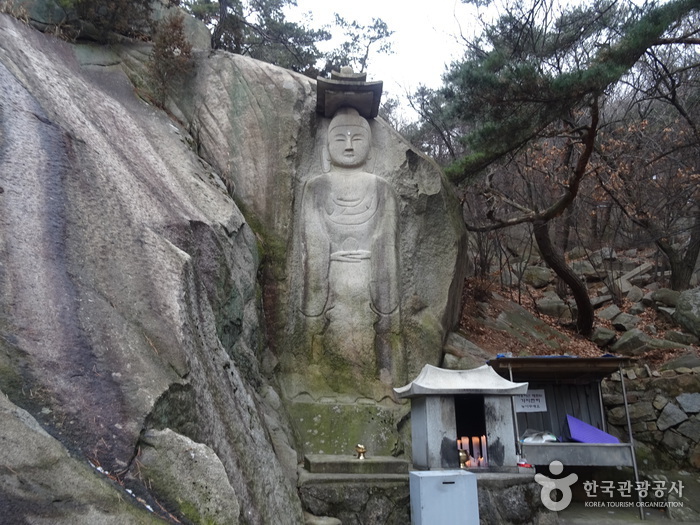
Jaunam Hermitage was originally built in 1396 by Great Monk Muhak of Joseon dynasty. It was renovated in 1734, and finally took shape of the hermitage we know today in 1976 when Monk Boryun added Daeungjeon Hall, Chilseonggak Pavilion, and Sansigak Pavilion. It is currently located in the famous Jahadong Valley on the Seoul National University campus.
Gwanaksan Mountain (관악산)
18.7Km 2023-01-02
Gwanak-ro, Gwanak-gu, Seoul
+82-2-879-6521
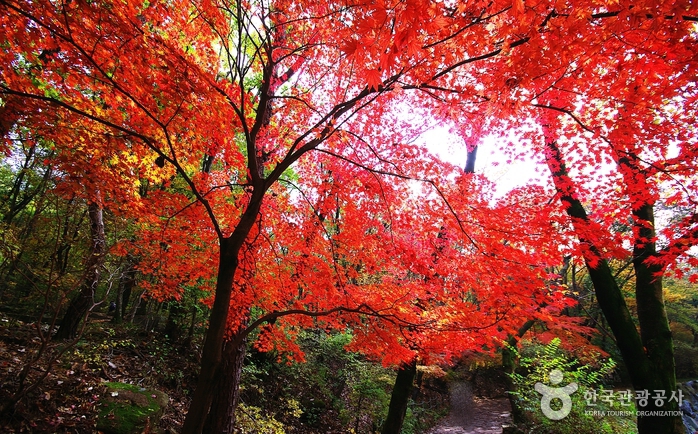
Reaching 632.2 meters in x_height, Gwanaksan Mountain is the symbol and pride of Gwanak-gu district in Seoul. Most of the cultural heritage of the district originates from Gwanaksan Mountain. Since it was designated as a city natural park in 1968, it has continued to serve as a favorite place for relaxation and excursion for Seoul citizens. The various rocky peaks and the deep valleys give the mountain a rugged feel. The mountain's size and close proximity to Seoul make it easy for Seoul residents to make a day trip.
In the spring, cherry blossoms are in full bloom near the entrance to the mountain, and a Rhododendron Festival is held when the rhododendrons are in full bloom. At the mountain's summit are Wongaksa Temple and Yeonjuam Hermitage, which were built by Taejo Yi Seong-gye (the founder of the Joseon dynasty) to ward off misfortune when he decided to move the capital to Seoul. There are also other temples and hermitages, and a ground radar observation post. Yeonjudae Hermitage, located atop a cliff, is where all the hiking trails of Gwanaksan Mountain meet.
Netmarble Game Museum (넷마블게임박물관)
18.7Km 2025-05-14
38 Digital-ro 26-gil, Guro-gu, Seoul
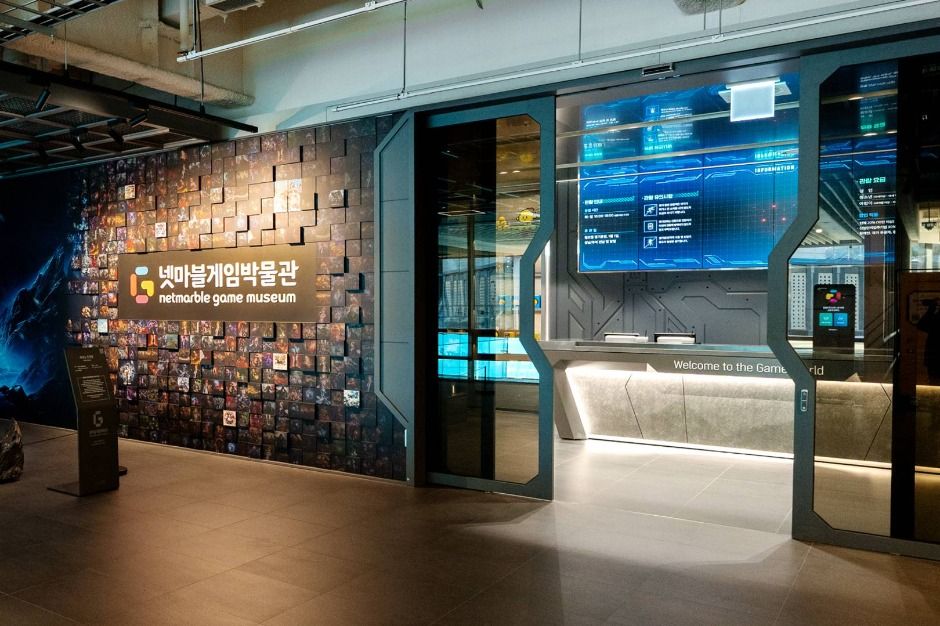
The Netmarble Game Museum offers visitors an opportunity to explore the history and culture of games and discover their social and cultural values. The museum features an exhibition space showcasing a diverse collection of domestic and international, a learning space with various gaming education materials, and a gaming space where visitors can enjoy playing different types of games. The exhibition space is organized around three main themes: game history, game world, and gaming culture. In particular, the Play Collection zone includes classic arcade games, console games, and PC games, allowing children to have fun and adults to reminisce about their memories.

National Women's History Exhibition Hall (국립여성사전시관)
18.7Km 2021-09-23
50, Hwajung-ro 104beon-gil, Deogyang-gu, Goyang-si, Gyeonggi-do
+82-31-819-2288
The National Women’s History Exhibition Hall opened on December 9, 2002 in Daebang-dong, Seoul, but was moved to its current location in Goyang, Gyeonggi-do on September 1, 2014. The hall uses both traditional display techniques as well as creative media art to showcase the history and culture of women in Korea. The exhibition hall aims to give women their rightful place in Korean history, in addition to enhancing women’s sense of pride and expand gender equality through various activities, including public education programs and special exhibitions.
THE FIRST STAY (더퍼스트스테이 호텔)
18.8Km 2024-12-23
23 , Magokdong-ro 4-gil, Gangseo-gu, Seoul
+82-2-2600-8300
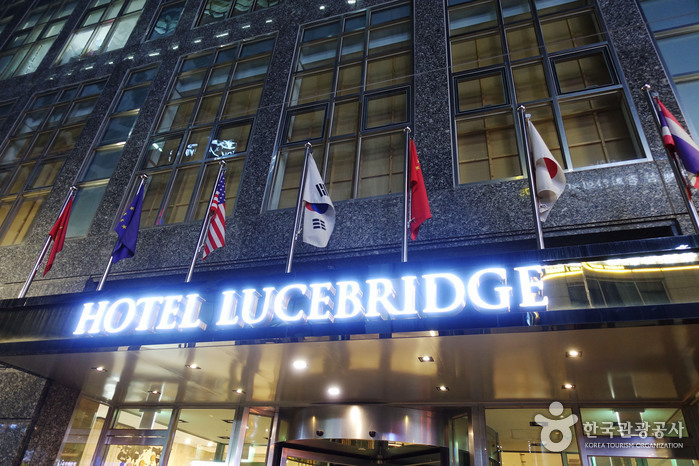
The First Stay Hotel, located in Magok-dong, Gangseo-gu, Seoul, is chosen by many frequent business trippers as well as domestic and foreign travelers because of its modern styling, practical prices, and convenient transport links. Gimpo Airport is 10 minutes and Incheon International Airport just 30 minutes away, while subway and bus stops are within a 5-minute walk. The hotel has ample parking space, and self-catering is possible in some rooms.
Ewha Womans University Seoul Hospital (이화의대부속서울병원)
18.8Km 2025-10-23
260 Gonghang-daero, Gangseo-gu, Seoul
Ewha Womans University Seoul Hospital is designed with a focus on optimizing care for infectious diseases, featuring 3-bed standard wards and single-bed rooms in all intensive care units. Building on our long history of excellence in women’s education, treatment, and research, we have established a competitive edge by specializing in women’s cancers, including breast, thyroid, uterine, and ovarian cancers. Our expertise extends beyond women’s health, offering specialized medical services for severe conditions such as bladder, stomach, and colorectal cancers, as well as cardiovascular diseases. We also provide comprehensive care for chronic adult conditions like hypertension, diabetes, and obesity.
Our recently opened Ewha Womans University Cerebrovascular Hospital and Ewha Womans University Aorta and Vascular Hospital are equipped with the latest technology to offer advanced surgery and treatment for stroke, aneurysms, heart, and aortic diseases. The Ewha Womans University Mother and Baby Hospital is dedicated to the specialized care of high-risk mothers and newborns, ensuring the best outcomes for maternal and child health. Additionally, we offer personalized health management through our specialized centers, including the Wellness Health Checkup Center and the Well-Aging Center, to support our patients’ overall well-being.
Samseongsan Holy Ground (삼성산성지)
18.9Km 2021-08-17
454-16, Hoam-ro, Gwanak-gu, Seoul
+82-2-875-2271
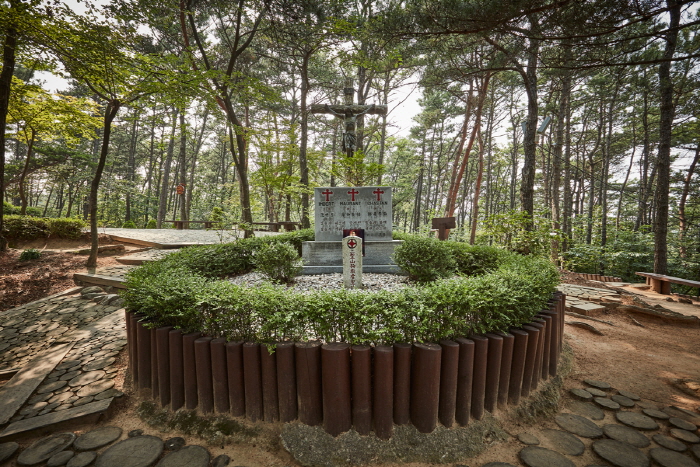
During the Gihae Persecution of 1839, three French Catholic priests were sentenced to death for spreading Catholicism in Korea. Saint Laurent Joseph Marius Imbert (Bishop), Saint Pierre Philibert Maubant (Priest), and Saint Jacques Honore Chastan (Priest) were beheaded on September 21, 1839 at Saenamteo, currently known as the Saenamteo Catholic Holy Place of the Martyrs, and their bodies were buried at Samseongsan Mountain and later transferred to the grotto of Myeondong Cathedral.
Ononsa Guesthouse (온온사)
18.9Km 2023-07-17
58 Gwanaksan-gil, Gwacheon-si, Gyeonggi-do
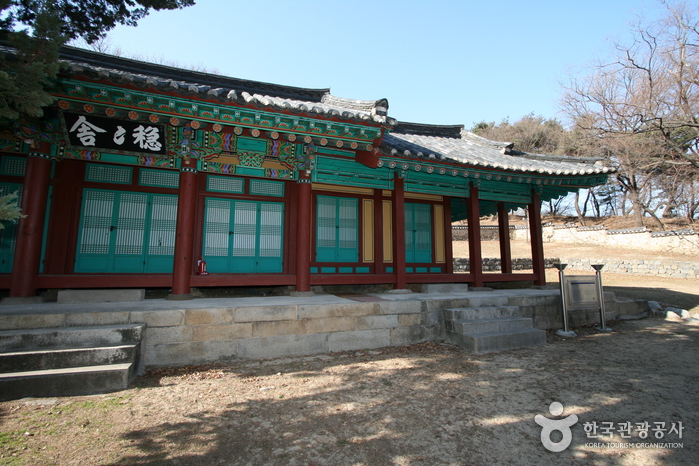
Though Ononsa, which was a guesthouse in Gwacheon, was constructed in the 27th year of King Injo's reign in the Joseon dynasty (1649), the name, "Ononsa," was given to this area during the reign of King Jeongjo. On February 11, 1790 during his royal procession to the tomb of his father, Crown Prince Sado, stayed at an inn in Gwacheon and, as he felt that it "has nice views and provides a comfortable stay," he bestowed upon the place plaques that he wrote himself - "Ononsa" to Seoheon and "Burimheon," which was the old nickname of Gwacheon, to Dongheon. This is how this place began to be called Ononsa.
It was designated as a Tangible Cultural Heritage of Gyeonggi-do on June 2, 1980, and it was restored on December 2, 1986 after being torn down.
Sungsam Medical Foundation, Miz Medi Hospital (성삼의료재단미즈메디병원)
19.0Km 2025-10-23
295 Gangseo-ro, Gangseo-gu, Seoul
MizMedi Hospital began as an obstetrics and gynecology center specializing in infertility treatment in 1991. In 2000, we expanded to become a general hospital for women, providing comprehensive care for infertility and a wide range of women's health issues.
- The first JCI-certified hospital in Korea specializing in women's healthcare
- An obstetrics and gynecology hospital accredited by the Ministry of Health and Welfare
- 64 specialists and 322 highly skilled employees
- Serving 390,000 patients and delivering 4,000 babies each year
- Performing over 8,000 surgeries each year, with most gynecologic conditions treated laparoscopically, and more than 1,700 in vitro fertilization procedures, frozen embryo transfers, and artificial insemination treatments— with a pregnancy success rate of over 50%
Proudly, we are MizMedi Hospital.
 English
 한국어
한국어 日本語
日本語 中文(简体)
 Deutsch
 Français
 Español
 Русский


