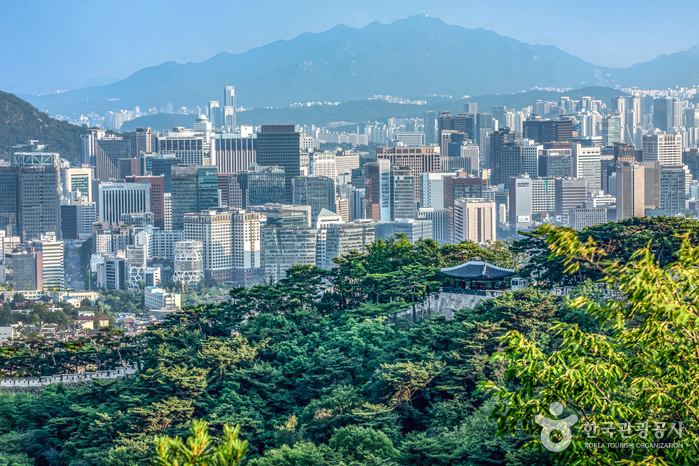
Bugak Skyway Palgakjeong Pavilion (북악스카이 팔각정)
12.8Km 2024-12-31
267 Bugaksan-ro, Jongno-gu, Seoul
Bugak Skyway Palgakjeong Pavilion exudes a tranquil, serene beauty regardless of the season. The pavilion, which sits on Bugaksan's 1,652,900 square meter summit at an altitude of 345 meters, was built in a traditional Korean-style and became a popular attraction within the city. There are also spaces for visitors to enjoy food and drinks.

East Nine Royal Tombs [UNESCO World Heritage] (구리 동구릉 [유네스코 세계문화유산])
12.8Km 2024-03-20
197 Donggureung-ro, Guri-si, Gyeonggi-do
The East Nine Royal Tombs, situated on the eastern outskirts of Hanyang (the Joseon dynasty capital), represent a significant collection of nine royal burial sites. This area serves as the final resting place for seven kings and ten queens from the Joseon era. The surrounding forest paths are accessible to the public during the spring and fall seasons. Additionally, the East Nine Royal Tombs Healing Culture and Arts Festival takes place here every autumn, offering a blend of cultural and artistic experiences.
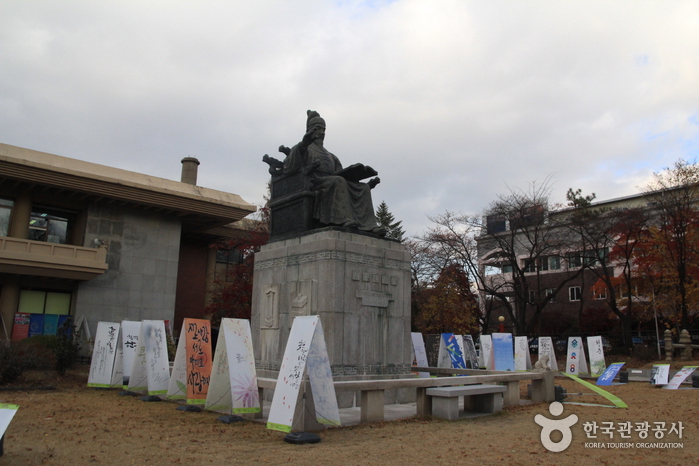
King Sejong The Great Museum (세종대왕박물관)
12.9Km 2024-03-08
56, Hoegi-ro, Dongdaemun-gu, Seoul
King Sejong The Great Museum is a cultural complex located in the heart of Seoul, near Gwanghwamun Plaza.The Hangeul Room exhibits documents published during the reign of King Sejong, the Science Room displays Cheugugi and celestial planisphere, and the Korean Traditional Music Room showcases various traditional Korean musical instruments. The Biography Room features Portrait of King Sejong and paintings depicting scenes from his life. Outdoors, there are statues of King Sejong, the scahe sundial, the clepsydra, and Cheugugi.
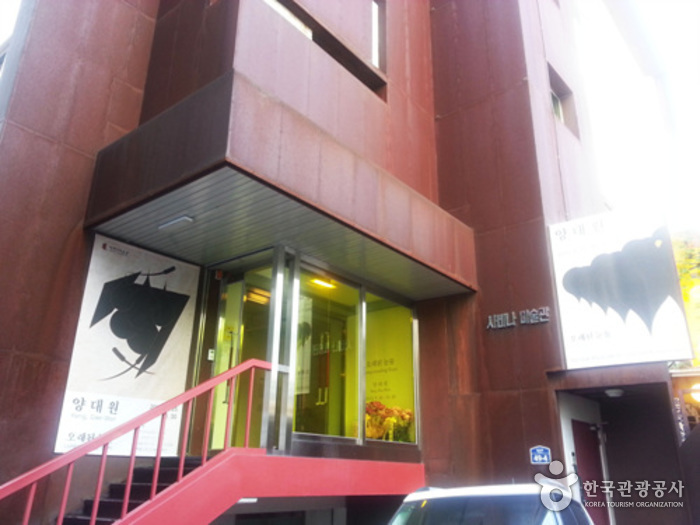
Savina Museum of Contemporary Art (사비나 미술관)
12.9Km 2022-10-20
93 , Jingwan 1-ro, Eunpyeong-gu, Seoul
The Savina Museum provides visitors with fresh and exciting pieces that reflect the diverse and dynamic aspects of Korean modern art. Museum organizers actively focus on developing the museum’s exhibitions, educational programs, publications, and art collections, continually working to transform the museum into a living, breathing center of arts. The museum not only supports the development of artists from a more traditional list of fields like painting, sculpture, photography and media arts, but also introduces exhibits highlighting new trends in the art world.
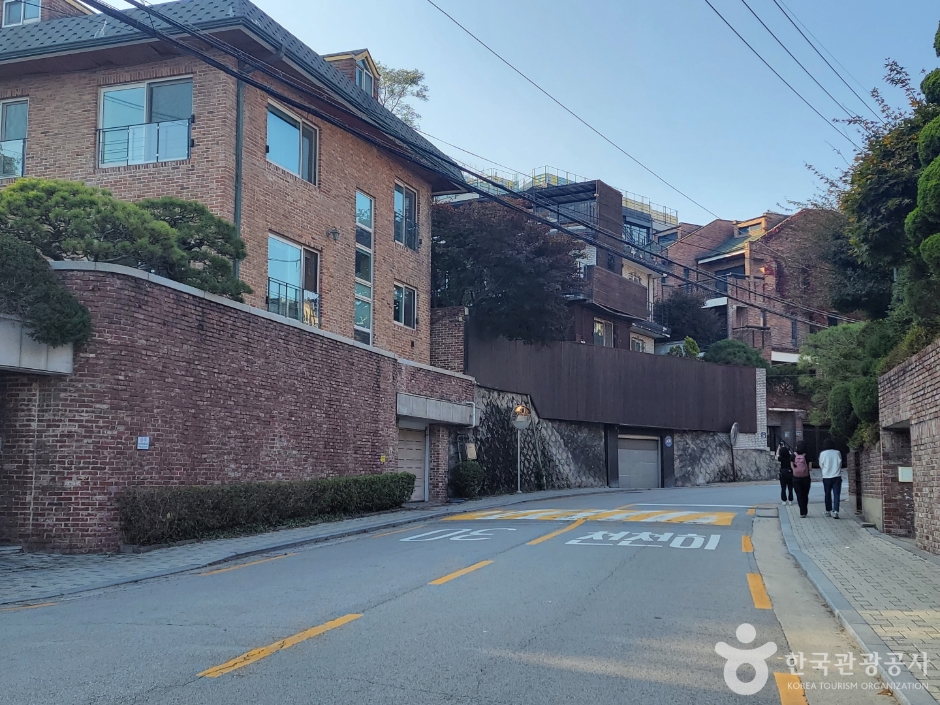
Seongbuk-dong–Bukchon Hanok Village Course (성북동고택북촌산책길)
12.9Km 2025-11-06
68, Seonjam-ro 5-gil, Seongbuk-gu, Seoul
The Seongbuk-dong–Bukchon Hanok Village Course is a nostalgic path connecting famous old houses in Seongbuk-dong and Bukchon Hanok Village, divided by the old city walls. Along the way, you'll find historic sites like Gilsangsa Temple, Jeongbeopsa Temple, Han Yong-un’s Simujang House, and novelist Lee Tae-jun's House. The trail also features charming cultural spots, such as the traditional tea house Sooyeon Sanbang and the Seongbuk Museum of Art.
◎ Travel information to meet Hallyu’s charm - "Parasite"
The scene in the alley where Ki-woo visited Mr. Park's house in a wealthy neighborhood for expensive tutoring was filmed in a residential area in Seongbuk-dong. Seongbuk-dong, an old wealthy village, has luxury mansions lined up in. There are many pretty cafés and galleries here and there, so it's good to take a leisurely look around. Mr. Park's house was a filming set, which was demolished after filming.
K-medi Spring (한강애봄)
13.0Km 2025-12-09
6th Floor, 63 Dongsomun-ro, Seongbuk-gu, Seoul
HanGang AeBom is a certified agency specializing in attracting international patients, offering customized programs that combine Korea’s advanced medical services with tourism. The agency collaborates with medical institutions to arrange consultations, interpretation, accommodation, and travel itineraries.
Sooyeon Sanbang (수연산방)
13.0Km 2025-10-23
8 Seongbuk-ro 26-gil, Seongbuk-gu, Seoul
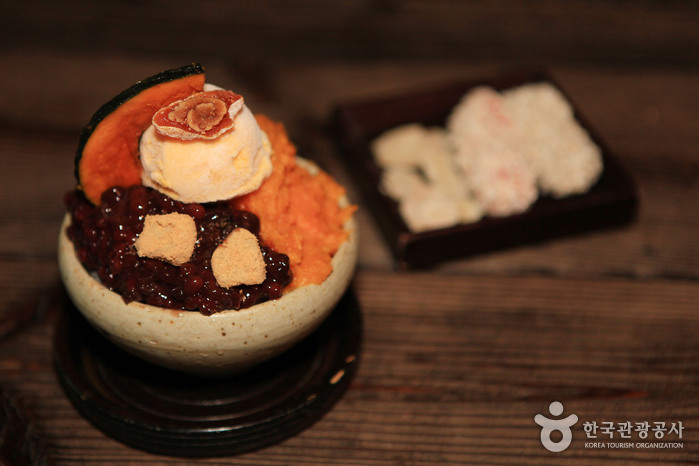
Sooyeon Sanbang is a traditional tea house located in Seongbuk-dong. It was originally built during the Japanese colonial period and was the hanok of the literary figure Lee Taejun. Today, it is operated as a tea house by the writer's granddaughter. The name Sooyeon Sanbang means "a house where literati gather in the mountains." Visitors can enjoy traditional teas such as daechucha (jujube tea) and ssanghwacha (medicinal herb tea), along with snacks like injeolmi (bean-powder-coated rice cake).
Kansong Art Museum (간송미술관(서울 보화각))
13.1Km 2025-06-30
102-11 Seongbuk-ro, Seongbuk-gu, Seoul
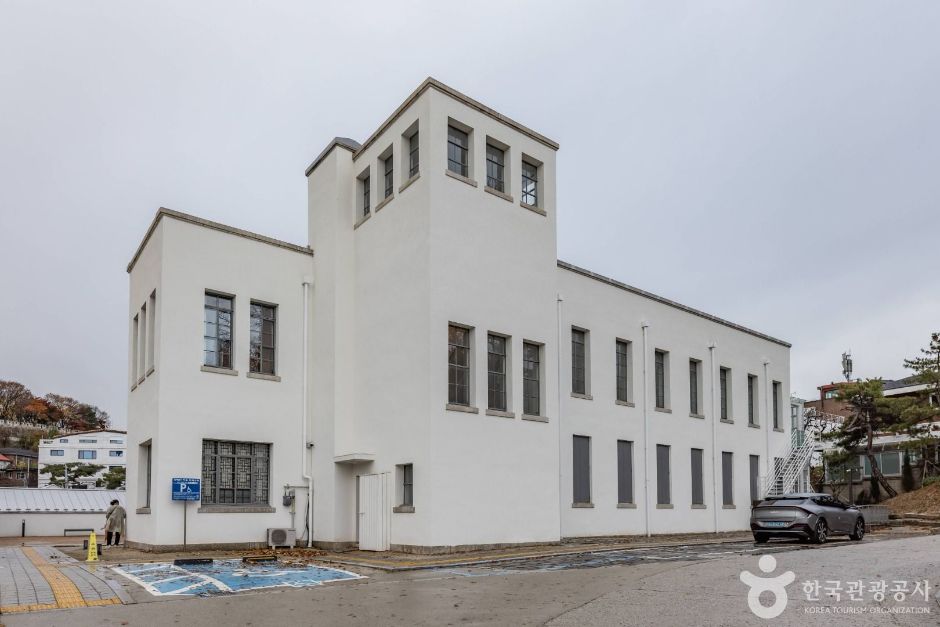
Kansong Art Museum was the first private art museum in Korea, opened as Bohwagak in 1938 by Kansong Jeon Hyeong-pil. The name was changed to the current Kansong Art Museum in 1966. Bohwagak was designated as National Registered Cultural Heritage No. 768 on December 30, 2019. Jeon Hyeong-pil dedicated his life to preserving and researching Korea’s representative relics that were devaluated and purposefully obliterated during the Japanese colonial era, as well as to acknowledging their cultural excellence and beauty. The museum houses 11 national treasures and 24 treasures.
Choi Sunu House (최순우 옛집)
13.1Km 2021-12-21
9, Seongbuk-ro 15-gil, Seongbuk-gu, Seoul
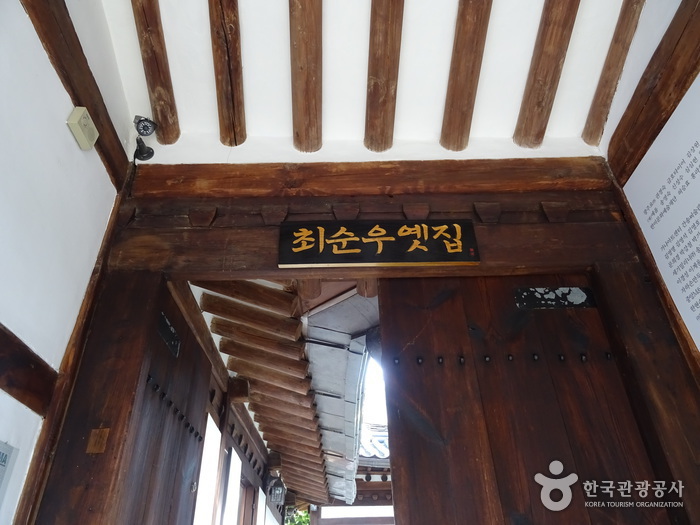
The Choi Sunu House is the old residence of Hyegok Choi Sunu (1916-1984), who lived in this house from 1976 until the day he passed away. The house is designated as Korea’s Registered Cultural Property. Choi Sunu was a leading art historian who served as the director of the National Museum of Korea. He devoted his life to rediscovering the beauty of Korean art and made many academic accomplishments in the areas of Korean ceramics, traditional woodcraft, and the history of painting.
The house has been open to the public as the Hyegok Choi Sunu Memorial Hall since 2004. The memorial hall displays Choi Sunu’s relics as a permanent exhibition and holds special exhibitions in the fall as well as cultural programs every spring and fall.
Bukjeong Village (북정마을)
13.4Km 2024-02-15
132-3 Seongbuk-ro 23-gil, Seongbuk-gu, Seoul
Bukjeong Village, situated along the slopes of Seongbuk-dong, offers a glimpse into Korea's old alleyways. The village expanded as refugees from the Korean War (1950–1953) and people from various regions settled, building houses under the collapsed walls of Hanyang doseong (Seoul City Wall). Presently, the village is home to young artists, and the broad street in front of the village bus stop hosts various community events.
 English
 한국어
한국어 日本語
日本語 中文(简体)
 Deutsch
 Français
 Español
 Русский


