
Jinju Hoegwan (진주회관)
17.0Km 2024-06-19
26 Sejong-daero 11-gil, Jung-gu, Seoul
Jinju Hoegwan is a renowned kongguksu (noodles in cold soybean soup) eatery near City Hall Station. Kongguksu is a traditional Korean summer dish made by boiling and grinding soybeans into a creamy broth, served with noodles, offering a refreshing and nutty flavor. Kongguksu is available from March to November. Their staff-recommended menu includes kimchi bokkeumbap (kimchi fried rice), freshly roasted by the staff, along with kimchi jjigae and samgyeopsal (pork belly).
Junggok-dong Furniture Street (중곡동 가구거리)
17.1Km 2025-03-17
Cheonho-daero, Gwangjin-gu, Seoul
Junggok-dong Furniture Street stretches between Achasan Subway Station and Gunjagyo Bridge, hosting a concentration of furniture stores on either side of the main road. This area accommodates a diverse range of furniture stores, featuring well-known domestic and international brands alongside smaller and medium-sized furniture shops. It serves as a convenient destination for customers to compare and purchase various furniture items, including beds, sofas, dining tables, wardrobes, chairs, and interior accessories, all within close proximity. The accessibility to Gunja Subway Station makes it easily reachable via public transportation.
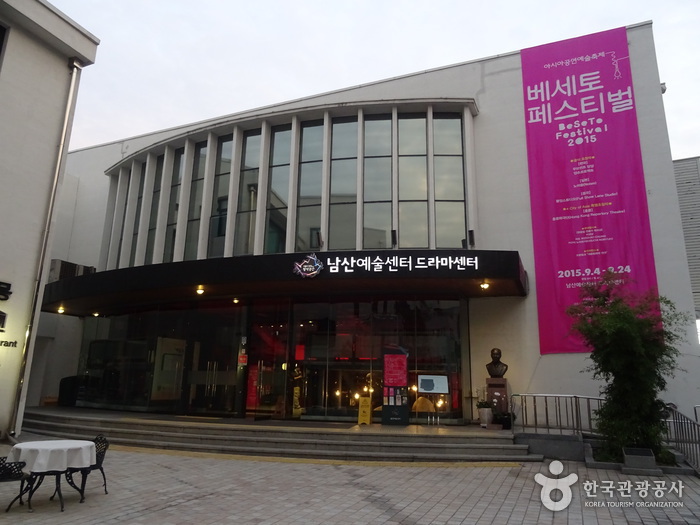
Namsan Arts Center (남산예술센터)
17.1Km 2021-08-26
138, Sopa-ro, Jung-gu, Seoul
Namsan Arts Center, reopened as a creative space in Seoul in September 2009. It redefined the colors and characteristics of the theater, aiming for a modern theater production center centered on creative premieres, a contemporary performance venue where visitors can feel the pulse of the times, and a theater capable of various experiments.
Namsan Arts Center Drama Center is the first modern folk theater in Korea and the oldest performance hall in which the original architectural form has been preserved. Under the concept of "Contemporary & New Wave," the center continues to produce domestic original plays, and through active exchanges with excellent overseas theaters, build a repertoire of high-quality works that can read domestic and overseas trends, and present contemporary cultural diversity.
Leaders Dermatology Clinic Myeongdong (리더스피부과의원 명동점)
17.2Km 2025-10-23
B1 Floor, 72 Toegye-ro (Hoehyeon-dong 1-ga, SK Leaders' View Namsan), Jung-gu, Seoul
Founded in 2001 by board-certified dermatologists from Seoul National University College of Medicine, Leaders Dermatology has grown into a trusted network of over 12 clinics across Korea and internationally, with a team of more than 20 dermatologists and 150 medical professionals.
Our doctors are actively involved in global academic circles delivering lectures at renowned conferences and seminars and are dedicated to raising the bar for dermatological care. With a systematic, patient-centered approach, our mission is to become the No.1 dermatology clinic in customer satisfaction through excellence in service and results.
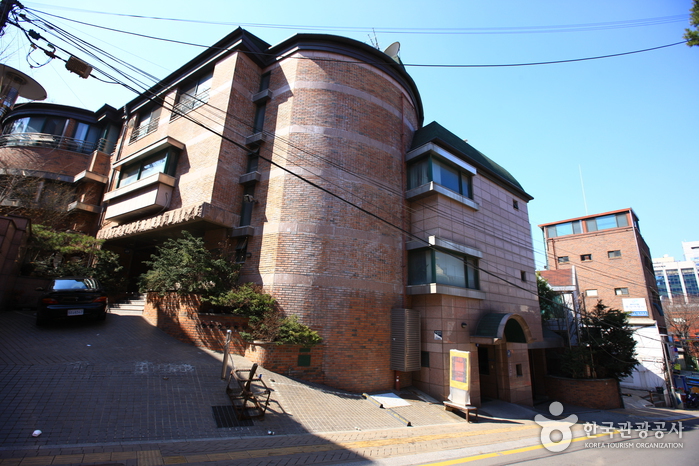
Chojun Textile & Quilt Art Museum (초전섬유ㆍ퀼트박물관)
17.2Km 2024-03-06
29, Toegye-ro 16-gil, Jung-gu, Seoul
Opened in 1998, Chojun Textile & Quilt Art Museum is the only textile art museum in Korea. Visiotrs can learn about the excellence and tradition of Korean textiles by observing a wide range of domestic and international textile artworks. In addition to exhibiting its collection, the museum also holds special exhibitions as well as textile and quilt competitions, giving visitors the opportunity to get up close and personal with textile artworks.
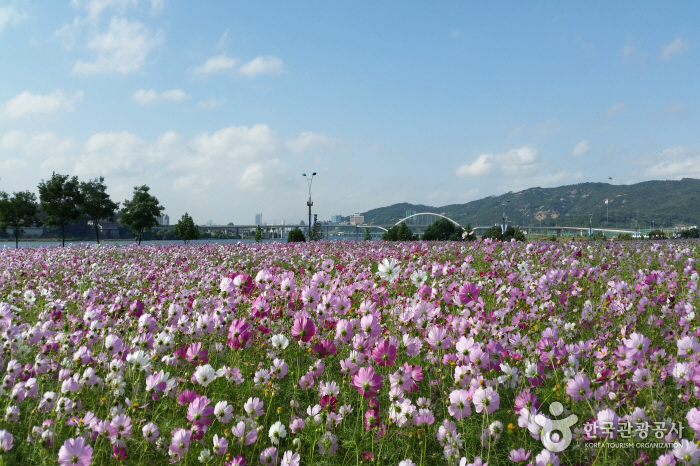
Guri Hangang Park (Cosmos Park) (구리시민한강공원 (코스모스공원))
17.2Km 2021-09-15
Topyeong-dong, Guri-si, Gyeonggi-do
Guri Hangang Park offers a perfect rest area for visitors where visitors can feel the cool breeze coming off the river and rest amidst the beautiful natural scenery. The park’s bounties of flowers are at their peak in May with field of canola flowers, and in September when the cosmos bloom.
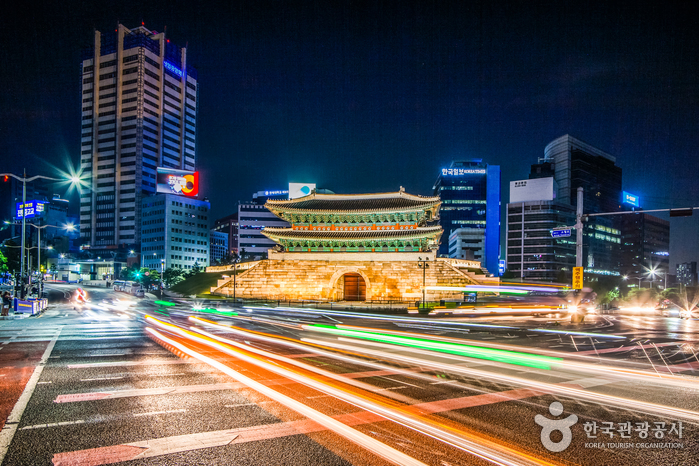
Sungnyemun Gate (숭례문)
17.3Km 2024-11-27
40 Sejong-daero, Jung-gu, Seoul
Sungnyemun Gate is Korea’s National Treasure No. 1, and its unofficial name is Namdaemun Gate. Sungnyemun Gate is the largest castle gate stone structure with an arched entrance in the middle. There’s a column on top of a platform, raising the roof, distinguishing the upper stories and lower stories of the building. Passageways for traffic are located at the east and west ends of the gate. Different from the other gates, Sungnyemun Gate’s tablet has its name written vertically.
On February 10, 2008, Sungnyemun was destroyed by fire. After a 5-year reconstruction work, the gate was re-opened to the public again on May 4, 2013.
Myeong-dong, Namdaemun, Bukchang-dong, Da-dong and Mugyo-dong Special Tourist Zone (명동 남대문 북창동 다동무교동 관광특구)
17.3Km 2021-12-30
40, Sejong-daero, Jung-gu, Seoul
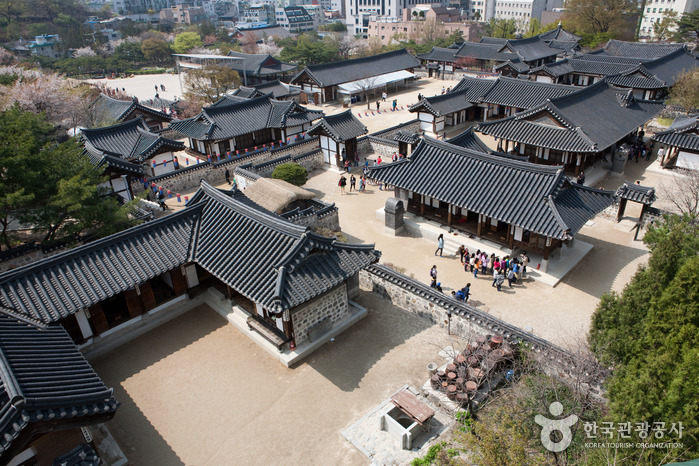
Myeong-dong, Namdaemun, Bukchang-dong and Da-dong are widely known among international visitors as hot spots for shopping and food.
Myeong-dong is a popular destination for shopping, culture, arts and fashion. Major shopping malls such as Lotte Department Store, Shinsegae Department Store, Myeong-dong Migliore and Samik Fashion Town are located here. Shoppers can find a variety of products here from high-end items to relatively inexpensive clothes. There’s also no shortage of street food, traditional restaurants, coffee shops and fancy cafes.
Namdaemun Market is the biggest traditional market in Korea. Visitors can purchase souvenirs and local produce at an affordable price in the shopping complex crowded with stores and street stalls. The market sells a variety of clothes, kitchenware, toys, accessories, food, flowers and imported goods.
Bukchang-dong and Sogong-dong have high-end accommodations including Lotte Hotel Seoul and Westin Chosun Seoul, duty-free shops, and restaurants serving traditional dishes.
[Myeong-dong, Namdaemun Market and Bukchang-dong Special Tourist Zone]
Areas included: Myeong-dong, Bukchang-dong, Mugyo-dong and Da-dong, Seoul
Area size: 872,809 ㎡
Tourist attractions: Myeong-dong, Namdaemun Market and Bukchang-dong, Department Stores (Lotte Department and Shinsegae Department Store, etc.), Traditional Market, Duty-free Shop, Hanok Village, N Seoul Tower, etc.
Supsok Hanbang Land (숲속한방랜드)
17.3Km 2024-03-18
75-7 Bongwonsa-gil, Seodaemun-gu, Seoul
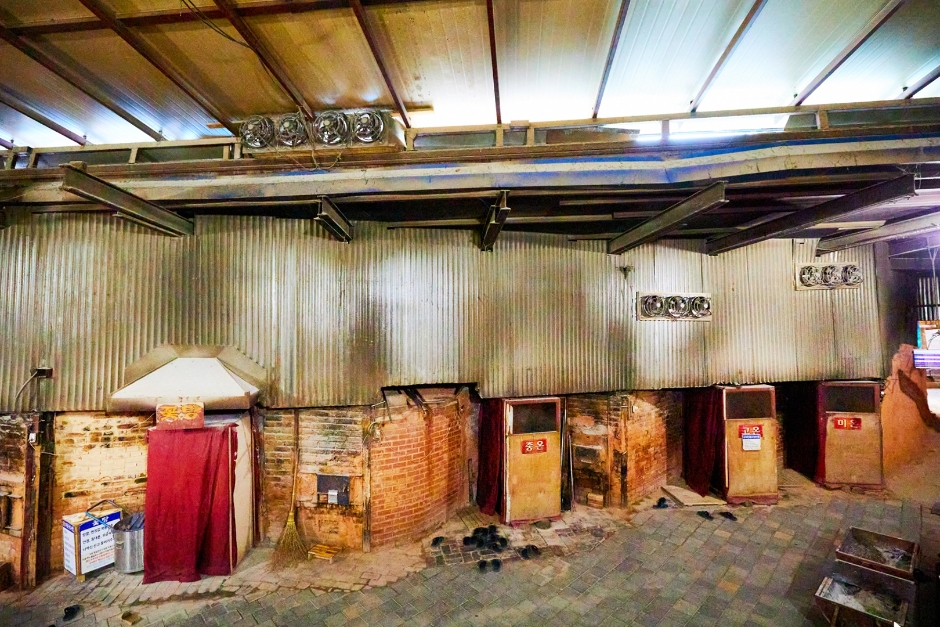
Jjimjjilbang, a Korean-style sauna that combines a traditional bathhouse with a hot steam room, is often ranked high among the unique experiences in Korea chosen by foreigners. Taking a steam bath in a charcoal kiln discharges waste products from the skin through sweat and eliminates accumulated fatigue. Supsok Hanbang Land has several charcoal kilns for different temperatures. Using them in order from low to high-temperature rooms is good, but the highest-temperature room, “Kkottang,” has a risk of causing skinburn, so visitors are advised to wear socks and cotton gloves to enter the room. Another unique experience is to grill sweet potatoes or rice cakes on the brazier in front of the charcoal kiln.
Seoul Namsan Park (남산공원(서울))
17.3Km 2024-03-18
231 Samil-daero, Jung-gu, Seoul
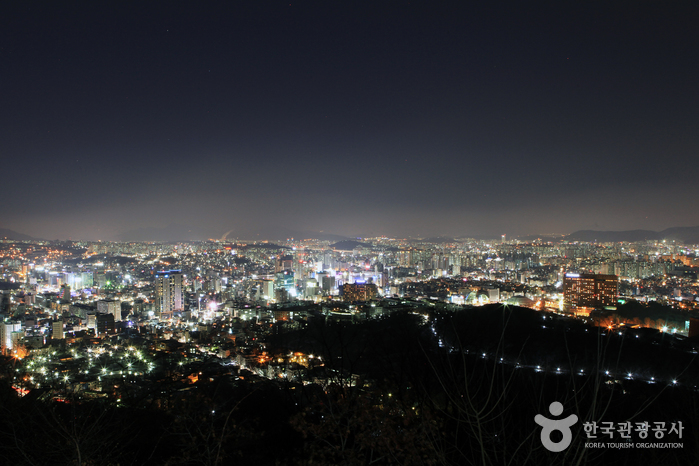
Namsan Mountain rises in the heart of Seoul at an altitude of 265 meters and has been a significant landmark since the Joseon dynasty (1392-1897), leaving behind several ruins. It was heavily damaged in the early 20th century, but was partially restored in 1968 with the creation of the park. Highlights include Namsan Tower and love locks left by numerous couples. Visitors can also easily reach the top by a cable car or bus.
 English
 한국어
한국어 日本語
日本語 中文(简体)
 Deutsch
 Français
 Español
 Русский


