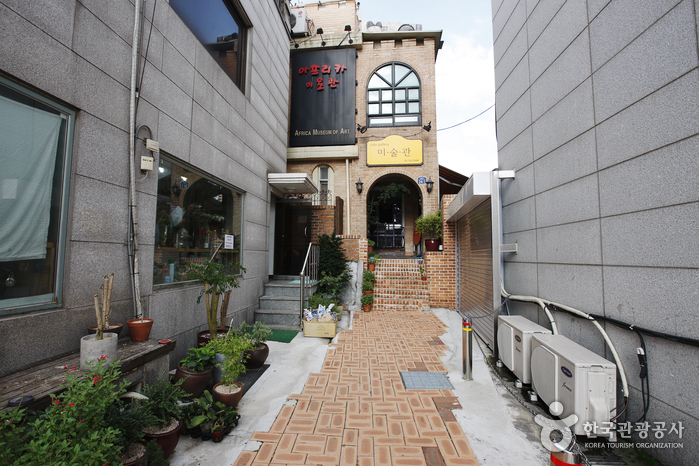
Africa Museum of Art (아프리카미술관)
12.7Km 2022-10-26
24-1, Samcheong-ro, Jongno-gu, Seoul
The Africa Museum of Art was established with the purpose of hosting various art festivals and providing the grounds for researching various art themes. A major principle of the gallery is to promote works of art that actively attempt to explore the human mind.
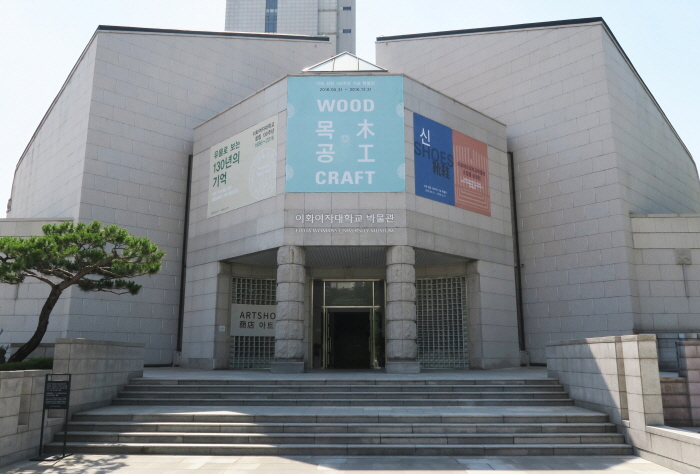
Ewha Womans University Museum (이화여자대학교박물관)
12.7Km 2022-09-14
52, Ewhayeodae-gil, Seodaemun-gu, Seoul
The Ewha Womans University Museum was established in 1935 with the goal of preserving the cultural heritage of Korea. Originally, items related to folk art, traditional woodwork, and pottery were put on display in the hall of the main university to keep them from being confiscated during the Japanese occupation. This later led to the opening of the museum to display and store the growing collection.
Regular exhibitions of the museum’s collection have been taking place annually from 1972. Since 1996, the museum also held special exhibitions that focus on other themes related to cultural heritage. Additional small-scale exhibitions are also held frequently to promote Korea's traditional culture and art.
A ceramics research facility as well as a more traditional museum, a large portion of the museum’s efforts is focused on the research and excavation of kilns. To this aim, excavation teams from the museum have traveled to various parts of the country to conduct studies on historic sites and assess the value of artifacts. Through the publication of books and reports on its discoveries, the museum has contributed to raising knowledge and awareness of Korean cultural heritage in academia and among the public.

Ewha Welcome Center (이화웰컴센터)
12.7Km 2022-09-13
52, Ewhayeodae-gil, Seodaemun-gu, Seoul
Ewha Welcome Center opened in 2013 as the first promotional center and visitor center of its kind on a university campus in Korea, comprised of an information desk, exhibition lounge, and gift shop. The information desk offers useful information to help visitors get the most out of their Ewha campus experience. The exhibition lounge introduces the history, traditions, and vision of the present-day and future of the university year-round. Visitors can purchase university gear at the gift shop. Furthermore, foreign visitors can take part in a range of campus tour programs in English and Chinese for an enriching experience.
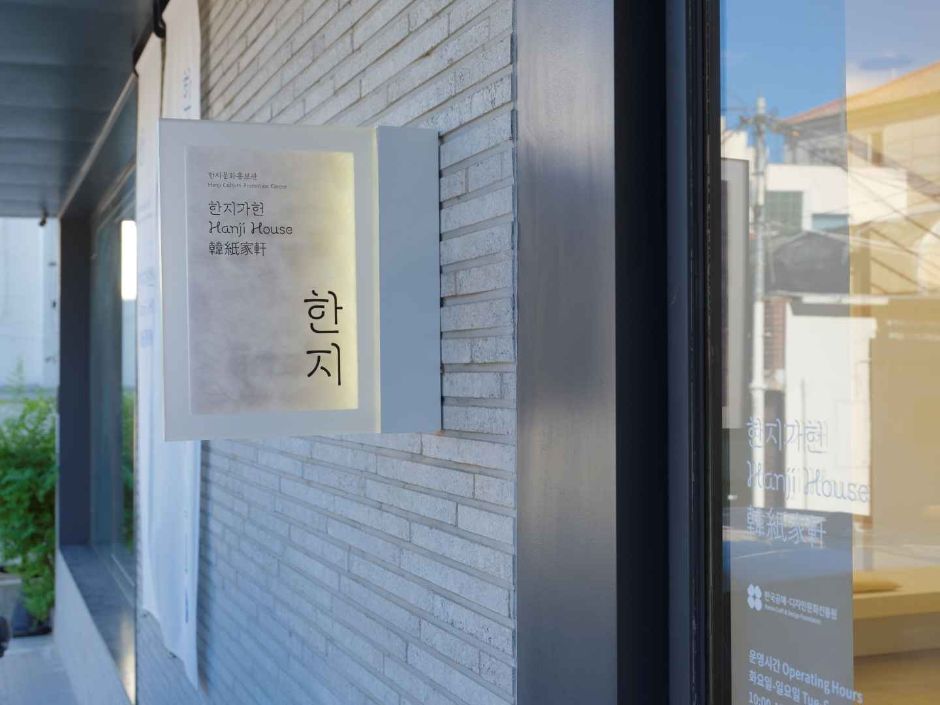
Hanji House (한지가헌)
12.7Km 2025-07-25
31-9 Bukchon-ro, Jongno-gu, Seoul
Hanji House was founded to pass on the cultural heritage of hanji, traditional Korean paper, as well as to promote its excellence and uses in everyday life. The center is operated by Korea Craft & Design Foundation, and offers a variety of programs that consist of exhibitions, hands-on activities, classes, and marketing hanji products. On the first floor is Hanji Showroom, where various exhibitions take place to showcase hanji of the past and the present. The basement floor comprises Hanji Open Archive, Hanji Print Studio, and Hanji Workroom, where most of the hands-on activities and classes are held. Hanji House also offers a docent program for exploring the whole area.
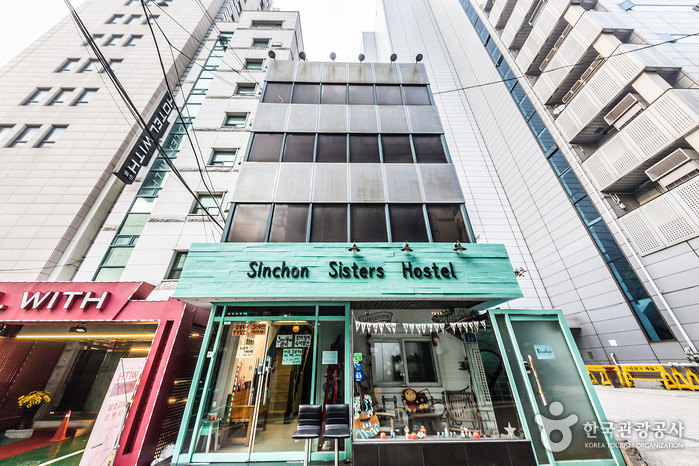
Sinchon Sisters Hostel (신촌 시스터즈)
12.7Km 2024-12-23
24 , Baekbeom-ro 2-gil, Mapo-gu, Seoul
Sinchon Sisters is a friendly guesthouse in Mapo-gu, Seoul, that caters for young travelers. Rooms are for two, three or four people, and each room has its own bathroom. There is no separate dining area, but you can bring food into your room and there’s a microwave for visitors’ use. Washing machines and dryers are also provided (payment needed). Transport is convenient: Sinchon Station and Sogang University Station are a 5 minutes’ walk away, and there are bus stops nearby - including for the airport express bus service. The Hongdae, Hapjeong, Mangwon, and Sangsu areas are all nearby.
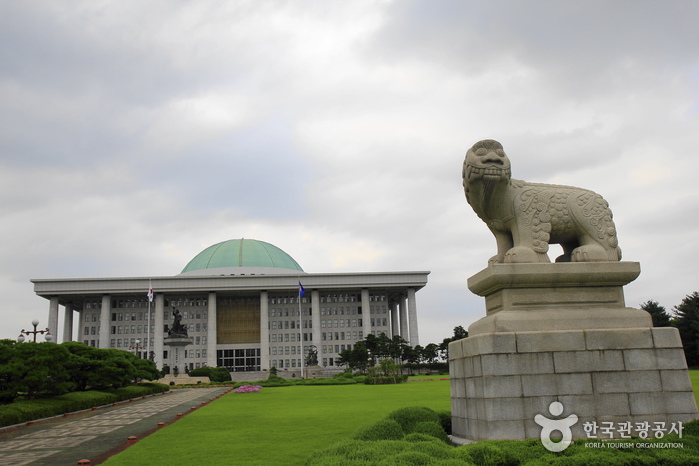
The National Assembly Building (국회의사당)
12.7Km 2024-02-29
1, Uisadang-daero, Yeongdeungpo-gu, Seoul
The National Assembly Building stands as the symbol of Korean democracy. It consists of the National Assembly Building, the National Assembly Library, and the Memorial Hall. Visitors can take part in programs such as observing the Plenary Chamber and visiting the Children's Museum. Because it is a great place to learn about Korean history and politics, it is a popular tourist site. Visitors are required to make reservations for their visit, which can be done through the webpage.
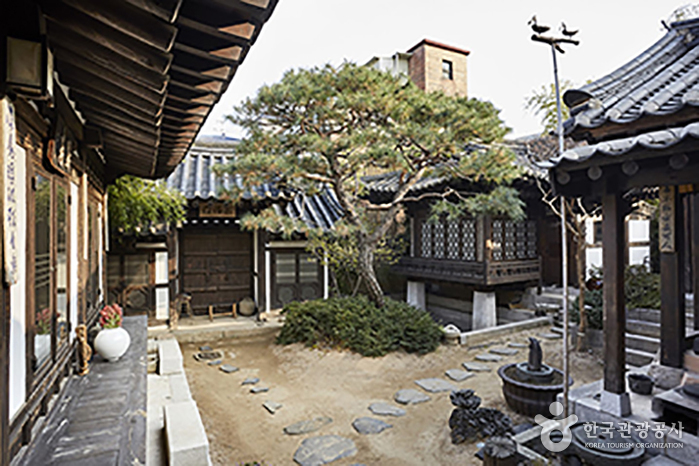
Rakkojae Seoul Bukchon Hanok Hotel (락고재 서울 북촌 한옥호텔)
12.7Km 2025-10-27
49-23 , Gyedong-gil, Jongno-gu, Seoul
Rakgojae Bukchon Hanok Hotel in Jongru-gu, Seoul, is a traditional hanok compound with a 130-year history, renovated by master carpenter Jeong Yeong-jin. The elegant gate and stone walls, the traditional roof tiles, the jangdokdae jar store, the pavilions and ponds - not to mention the beautiful pine trees - express the archetypal beauty of hanok. Sitting on the daecheongmaru (wooden patio) with a breeze in the trees, guests will feel taken back in time. Guestrooms are clean and comfortable, and visitors can relax in a wood-fired red-clay sauna and a jade-covered ondol room,. Traditional culture programs are available.
Artee Riders Club (아띠인력거)
12.8Km 2022-09-15
43, Bukchon-ro 5-gil, Jongno-gu, Seoul
Artee Riders Club is the first company that offers rickshaw tours in the nation. Not only do you get to ride on the rickshaw to tour around popular attractions including Bukchon Village, Seochon Village, the rickshaw tour guides you to the smaller alleys as well. Travelers to Bukchon Village may have their belongings or luggage stored at the center, and individual's insurance as well as a complimentary drink are offered.
Sinchon Dain Dental Hospital (신촌다인치과병원)
12.8Km 2025-10-23
(10th-11th Floors, Grand Plaza), 94 Sinchon-ro, Mapo-gu, Seoul
Our main dental hospital, spanning approximately 1,740 square meters, is conveniently located near Sinchon Station, just a 40-minute drive from both Gimpo International Airport and Incheon International Airport, making it easily accessible for international patients. We are staffed by around 60 specialized medical professionals and equipped with the latest technology, including an in-house laboratory for fast and precise dental work. Our team includes nine expert directors in orthodontics, prosthodontics, conservative dentistry, oral surgery, and periodontology, ensuring comprehensive and systematic care in each specialty. We offer a wide range of advanced procedures for our international patients, including implants, complex extractions, orthodontics, periodontal treatment, and prosthetic care, as well as high-quality neurological and aesthetic treatments.
Amsa-dong Prehistoric Site Museum (암사동선사유적박물관)
12.8Km 2023-12-22
875 Olympic-ro, Gangdong-gu, Seoul
The archaeological sites in Amsa-dong, Seoul, were a collective settlement where people lived during the Neolithic Age about 6,000 years ago and became known to the world after the sand dunes along the Hangang River caved in during the great flood of 1925, exposing numerous pieces of comb-patterned pottery. The area designated as a historic site in 1979, and excavation of the site took place from 1981 to 1988. The cultural heritage protection area was expanded to a total area of 78,133㎡. Currently, nine Neolithic dugout huts and one experiential dugout hut have been restored. The exhibitions currently open to the public are Exhibition Hall 1, which displays a restoration of a Neolithic Age dugout, and Exhibition Hall 2, which displays various panels and models to help understand the prehistoric era as a whole.
 English
 한국어
한국어 日本語
日本語 中文(简体)
 Deutsch
 Français
 Español
 Русский


