
Amsa-dong Prehistoric Site Museum (암사동선사유적박물관)
10.3Km 2023-12-22
875 Olympic-ro, Gangdong-gu, Seoul
The archaeological sites in Amsa-dong, Seoul, were a collective settlement where people lived during the Neolithic Age about 6,000 years ago and became known to the world after the sand dunes along the Hangang River caved in during the great flood of 1925, exposing numerous pieces of comb-patterned pottery. The area designated as a historic site in 1979, and excavation of the site took place from 1981 to 1988. The cultural heritage protection area was expanded to a total area of 78,133㎡. Currently, nine Neolithic dugout huts and one experiential dugout hut have been restored. The exhibitions currently open to the public are Exhibition Hall 1, which displays a restoration of a Neolithic Age dugout, and Exhibition Hall 2, which displays various panels and models to help understand the prehistoric era as a whole.
Yonsei University (연세대학교)
10.3Km 2023-07-04
50, Yonsei-ro, Seodaemun-gu, Seoul
+82-1599-1885
Yonsei University, which opened in 1885, is a prestigious university that boasts a beautiful campus. In particular, it is famous for its wooden trails, antique buildings covered with ivy, and Cheongsongdae Forest, a popular dating spot among couples. Yonsei University also has a Korean language institute for foreigners interested in learning Korean.
Supsok Hanbang Land (숲속한방랜드)
10.4Km 2024-03-18
75-7 Bongwonsa-gil, Seodaemun-gu, Seoul
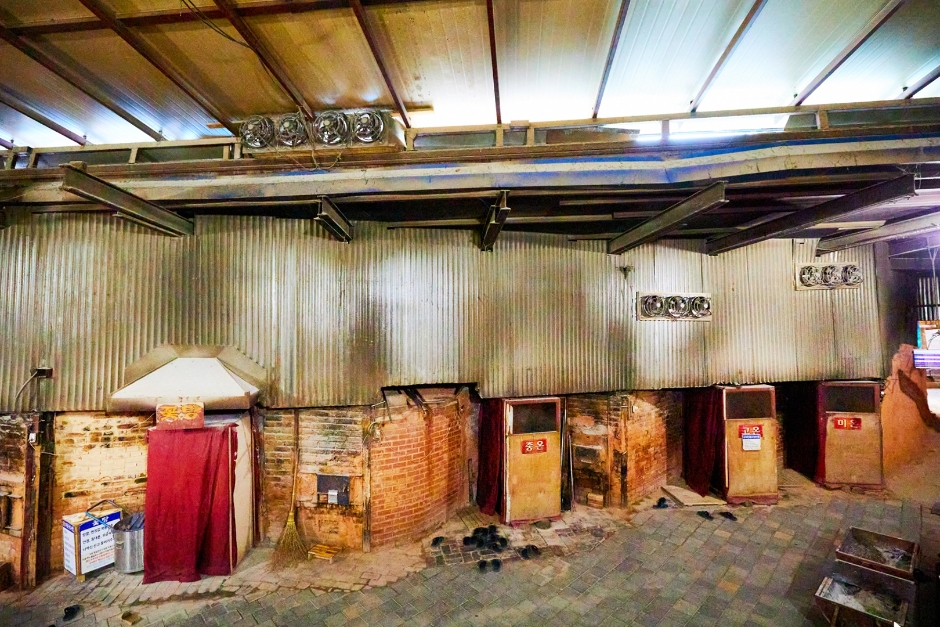
Jjimjjilbang, a Korean-style sauna that combines a traditional bathhouse with a hot steam room, is often ranked high among the unique experiences in Korea chosen by foreigners. Taking a steam bath in a charcoal kiln discharges waste products from the skin through sweat and eliminates accumulated fatigue. Supsok Hanbang Land has several charcoal kilns for different temperatures. Using them in order from low to high-temperature rooms is good, but the highest-temperature room, “Kkottang,” has a risk of causing skinburn, so visitors are advised to wear socks and cotton gloves to enter the room. Another unique experience is to grill sweet potatoes or rice cakes on the brazier in front of the charcoal kiln.
Archaeological Site in Amsa-dong, Seoul (서울 암사동 유적)
10.4Km 2021-07-27
875, Olympic-ro, Gangdong-gu, Seoul
+82-2-3425-6520
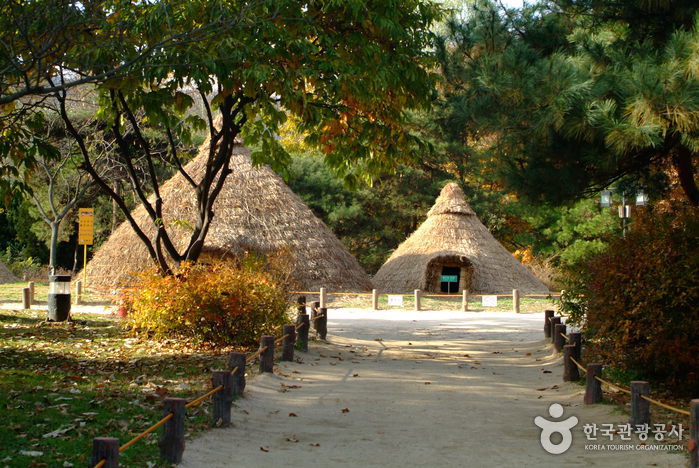
The Archaeological Site in Amsa-dong reproduces the lifestyle of the Neolithic Era. Even the entrance gate is shaped like a huge dolmen and the trash cans are ancient diagonal-line patterned earthenware. Archaeological Site in Amsa-dong was excavated in 1925 when a flood washed away the soil on the banks of the Hangang River and exposed a large number of diagonal-line patterned earthenware. After several excavations, the Archaeological Site in Amsa-dong was established.
The site was a location for a massive colony, thus many ancient buildings, stone axes and stone arrows have been uncovered as well as countless diagonal-line patterned earthenware. The housing site is round with a spot in the center for fire. The site is colossal and possesses nine mud huts, two exhibition halls displaying ancient artifacts and an open mud hut where visitors can experience life in the Neolithic Era. The site offers many attractions such as mud huts and promenades. Archaeological Site in Amsa-dong is also very educational for children and families who want to learn and experience the Neolithic Age.
Bongwonsa Temple (봉원사)
10.4Km 2023-03-13
120, Bongwonsa-gil, Seodaemun-gu, Seoul
+82-2-392-3007
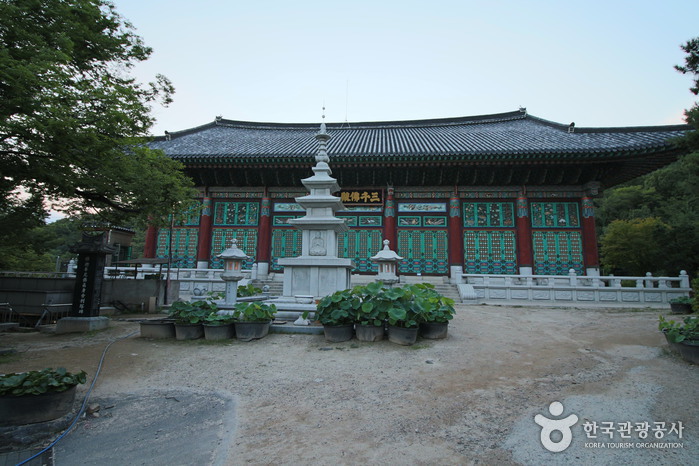
Located on the outskirts of Ansan Mountain in Bongwon-dong, Seodaemun-gu, Seoul, Bongwonsa Temple, as the center of Korean Buddhism Taego, is a thousand-year-old temple with a long history and tradition. In 889 (3rd year of Shilla Queen Jinseong’s reign), Monk Doseon founded it at the ground of Yeonhui Palace (now Yonsei Univ.) and named it Banyasa temple. It was destroyed during the Imjin War in 1592, and later in 1748 (the 24th year of Joseon King Yeongjo’s reign), it was rebuilt and renamed “Bongwonsa” by two Buddhist monks, Chanjeup and Jeungam.
“Yeongsanjae,” one of the Buddhist rituals and also a National Intangible Cultural Property, takes place at Bongwonsa on June 6 every year wishing for world peace and the reunification of North and South Korea. It was designated as one of the Intangible Cultural Heritage of Humanity by UNESCO in 2009. During Yeongsanjae, visitors can enjoy the Buddhist arts such as Beompae (Buddhist temple music for rituals) and dancing. Also, during summertime, Seoul Lotus Flower Culture Festival takes place, where visitors can enjoy the beautiful lotus flowers which are a symbol of Buddhism.
Gilsangsa Temple (Seoul) (길상사(서울))
10.6Km 2025-06-17
68 Seonjam-ro 5-gil, Seongbuk-gu, Seoul
+82-2-3672-5945
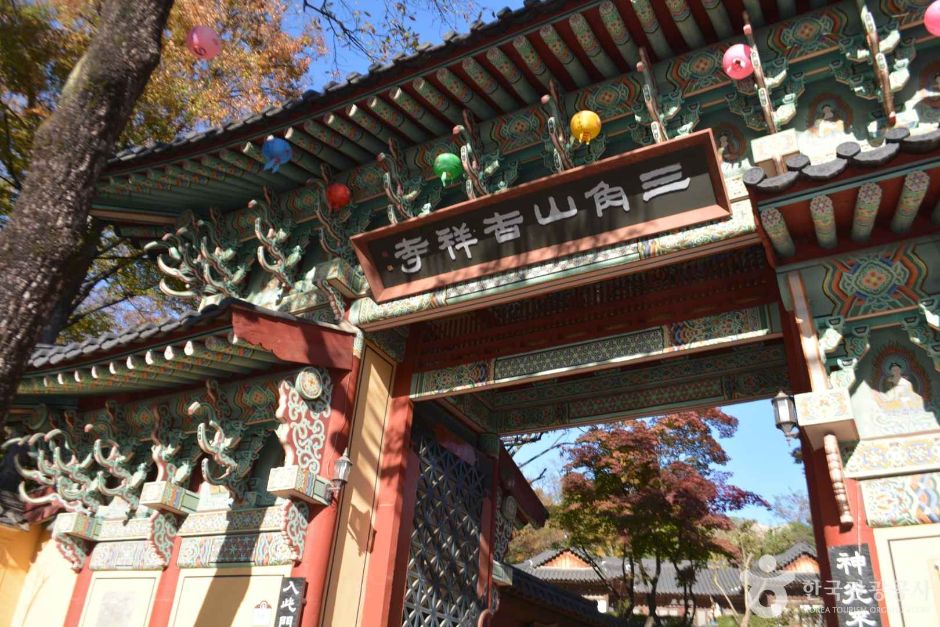
Gilsangsa Temple is a prominent temple located in Seongbuk-dong, Seoul. The name Gilsangsa means "a favorable and auspicious temple." Visitors can experience temple, participate in Buddhist practices, and even enjoy Templestay programs on weekends. In fall, visitors can admire red spider lilies and wildflowers, immersing themselves in the beauty of nature and finding inner peace.
Unplugged Hongdae Branch(언플러그드)
10.6Km 2025-11-05
26 Wausan-ro 33-gil, Mapo-gu, Seou
IU ‘Sleepless Rainy Night’
As the name suggests,it is a cafe with an analog charm. Old wooden floors and furniture, pianos and guitars, and turntables are old and more stylish. In a space full of LPs and CDs, you can feel the warmth and coziness you felt in the music video. A variety of menus are available, from drinks to beer and pretty cocktails named after musicians. There is a performance hall in the basement, where performances are often held.
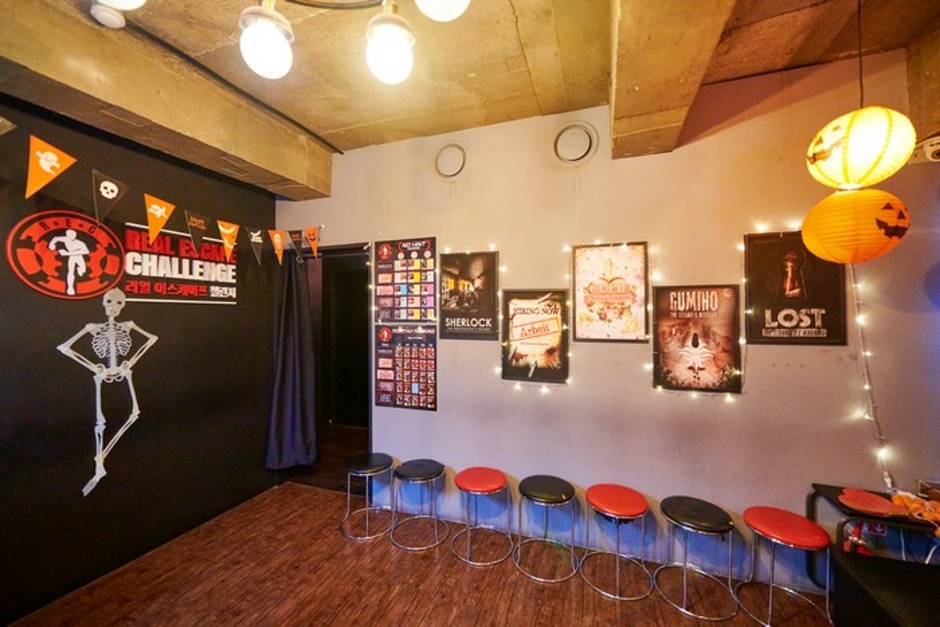
Real Escape Challenge (리얼 이스케이프 챌린지)
10.7Km 2025-11-05
21, Wausan-ro 27-gil, Mapo-gu, Seoul
Thrilling Escape Café
Depending on the theme, you can enjoy a thrill-based game where you have to escape from a room within a time limit. Celebrities such as Lovelyz Mijoo also enjoy visiting. The theme changes periodically and each room is marked in English, and a guide service for foreigners is also provided. It is 100% reservation-based.
Korea Furniture Museum (한국가구박물관)
10.7Km 2025-10-24
121 Daesagwan-ro, Seongbuk-gu, Seoul
The Korea Furniture Museum, located on a hill in Seongbuk-dong, Seoul, is a special museum that displays items related to Korea's traditional living culture. The museum exhibits wooden furniture made in the late Joseon dynasty by material (persimmon tree, maple tree, paulownia tree, zelkova tree, pine tree, papers, etc.), by the type of space (men’s quarters, women’s quarters, kitchen, etc.), and by regional characteristics. It also exhibits interior decorations, flower walls, chimneys, and yards, as well as ten traditional Korean houses.
This museum operates through a guided tour (maximum of 20 people per group) only, suitable for showing Korea's housing culture that harmonizes furniture and nature. The old household items, “furniture,” are displayed in rooms outside glass storage boxes, allowing visitors to experience a beautiful traditional culture.
Since it was selected as the official luncheon venue for the spouses of leaders of 20 countries at the 2010 G20 Seoul Summit, there has been a steady stream of state guests and worldwide celebrities, including Chinese President Xi Jinping and his wife, the German President, the Prime Minister of Hungary, the Prime Minister of Singapore, the King and Queen of Belgium, the King of Sweden, the head of the IMF, and movie stars Brad Pitt, and Victoria Beckham.
In addition, it was selected as the "most beautiful museum in Seoul” by CNN in 2011. The museum also served as an interview location for BTS members, who are receiving global attention. As such, it is attracting attention as a representative tourist destination in Seoul and a cultural space preferred by government ministries and companies. Tours require reservations, which can be made through the website.
![Uireung Royal Tomb [UNESCO World Heritage] (서울 의릉(경종, 선의왕후) [유네스코 세계문화유산])](http://tong.visitkorea.or.kr/cms/resource/80/2690680_image2_1.jpg)
Uireung Royal Tomb [UNESCO World Heritage] (서울 의릉(경종, 선의왕후) [유네스코 세계문화유산])
10.7Km 2021-06-03
146-20, Hwarang-ro 32-gil, Seongbuk-gu, Seoul
+82-2-964-0579
Uireung is the royal tomb of King Gyeongjong (reign 1720-1724), the 20th ruler of the Joseon dynasty, and his second wife, Queen Seonui.
King Gyeongjong was the first son of King Sukjong and Janghuibin, who was one of King Sukjong’s concubines. King Gyeongjong, who was born weak and anemic, died four years after becoming the king, without any great political achievements. Uireung tombs differ from the other royal double tombs in that they are not placed side-by-side. Instead, according to geomantic theory, one tomb has been placed directly behind the other one. The arrangement also shows that when making tombs, Korean ancestors did their best to protect the natural environment. Another feature of Uireung Royal Tomb is the stone fence raised using twelve stone posts. Each post has a letter inscribed, representing one of the twelve sibijisin gods.
 English
 한국어
한국어 日本語
日本語 中文(简体)
 Deutsch
 Français
 Español
 Русский


