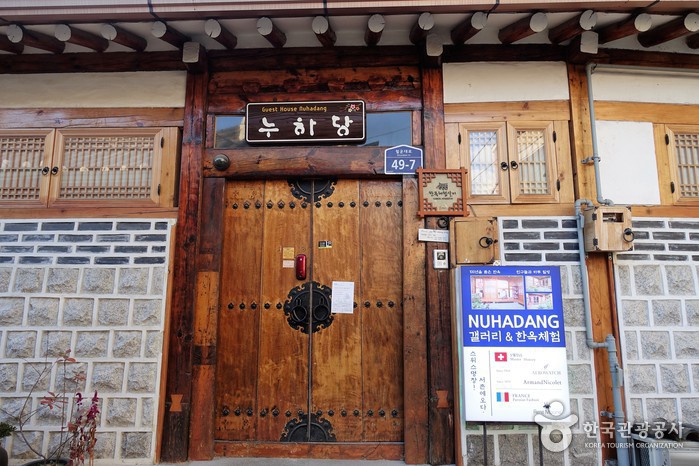
NUHADANG(누하당)
9.8Km 2024-06-20
49-7 , Pirundae-ro, Jongno-gu, Seoul
Nuhadang is a traditional hanok with over 100 years of history. It is located in a quiet spot in Seochon, Jongno-gu, Seoul, where many scholars and artists have lived since Joseon times. Rooms are wallpapered with eco-friendly Korean paper, and thick cotton blankets and cypress pillows will sooth travelers' fatigue. In the yard and small garden you can experience traditional Korean culture: janggu drumming, the game of yunnori, and Hanbok clothing. Walking the streets of Seochon - past Yun Dong-ju's hostel, Park No-su's art museum, and Lee Sang's house - you can still feel the atmosphere of old Seoul.
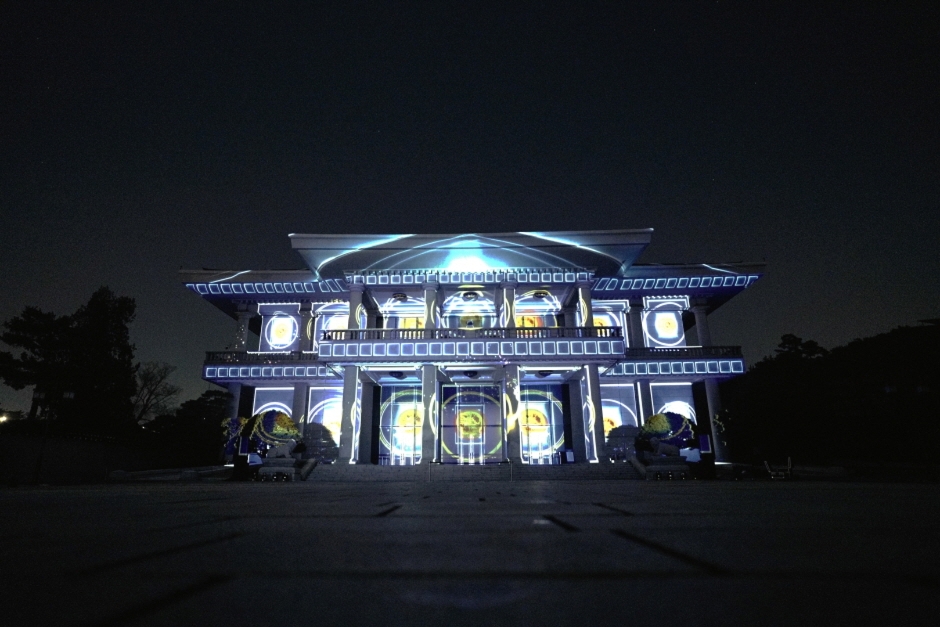
Cheong Wa Dae Media Display (청와대 국민과 함께 영상전시)
9.8Km 2025-08-20
1 Cheongwadae-ro, Jongno-gu, Seoul
박주원 학예연구사 02-3771-8636
Cheong Wa Dae Media Display brightens the night through a media facade display on Yeongbingwan Hall. The display shows the history of Cheong Wa Dae through the theme "Twelve Lights".
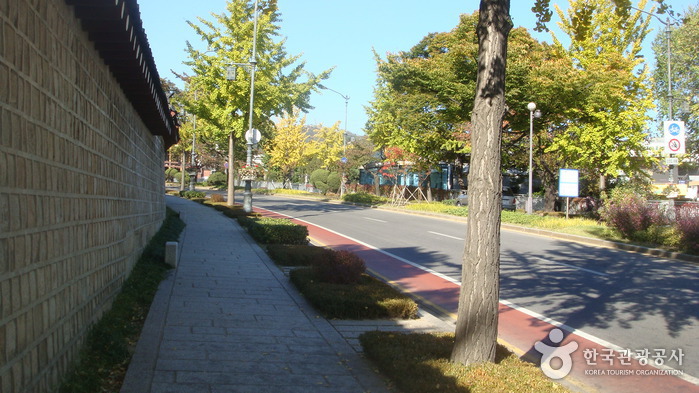
The Street in front of Cheongwadae (The Blue House) (청와대 앞길)
9.8Km 2025-08-20
Gungjeong-dong, Jongno-gu, Seoul
The street in front of Cheongwadae (the Blue House) is open to the public and includes both Hyoja Samgeori (Hyoja three-way intersection) in Hyoja-dong and Palpan Samgeori (Palpan three-way inetersection) in Palpan-dong. When walking along Hyoja-ro Road from Gyeongbokgung Station, sights include a fountain, Mugunghwa Garden, Yeonmugwan Hall, and Daegogak & Yeongbingwan Hall.
Cheongwadae Sarangchae consists of one basement level and two above-ground levels, including Korean Culture Exhibition Hall, Planned Exhibition Hall, a gift shop, and rest area (Korean Food Promotion Hall, Café) on the first floor and Cheongwadae Hall and Haengboknuri Hall on the second floor. Daegogak Hall houses a book donated to former president, Kim Young-sam for expressing the past spirit of Sinmungo (Petitioner's drum from Korean History). Yeonmugwan Hall is a martial art and fitness center for guards. Mugunghwa Dongsan, formed after the ansa (Safe House) was demolished in 1993, includes a well, mock fortress, and rest area. Located behind Mugunghwa Dongsan is Apostolic Nunciature in Korea and Chilgung (Seven Palaces).
At the beginning of the street in front of Cheongwadae, dense trees and beautiful flower gardens decorating both sides of the road make it a nice place for taking a walk. The area from the north gate of Gyeongbokgung Palace, Chunchumun, to the main gate of Gyeongbokgung Palace, Geonchunmun, is Samcheongdong-gil Road. This road is home to many art galleries, including Kukje Gallery, Growrich Gallery, Gallery Hyundai, and Jin Art gallery, in the area of Hyoja-ro.
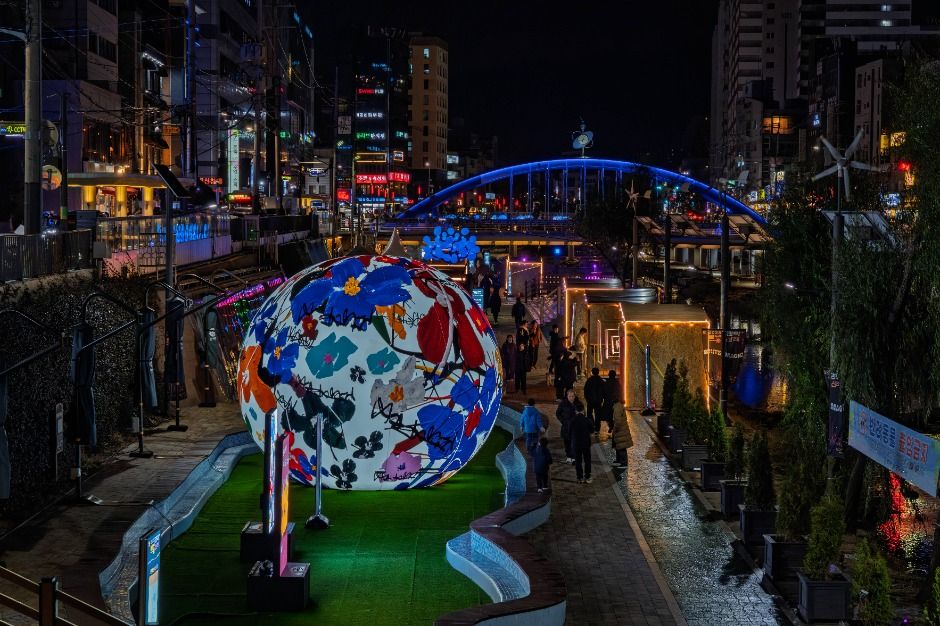
Gwanak Starlight Walk (관악별빛산책)
9.9Km 2025-12-15
1642-7 Sillim-dong, Gwanak-gu, Seoul
+82-2-828-5743
Gwanak Starlight Walk is a signature winter festival of Gwanak-gu in Seoul. It's a lighting festival where visitors can enjoy beautiful light installation along Byeolbitnaerincheon Stream. The event area spans 300-meters from Sillimgyo Bridge to Bongnimgyo Bridge. The diverse lighting artworks created by ten different Korean artist teams come together to create a space where stories of individuals all become one as a community. Various hands-on programs offer visitors a chance to see and enjoy the sights and sounds of the city throughout the festival period.

Sangchonjae House (상촌재)
9.9Km 2025-11-06
12-11 , Jahamun-ro 17-gil, Jongno-gu, Seoul
Sangchonjae House, run by the Jongno Cultural Foundation, is a traditional hanok cultural space located in Sejong Village, Ogin-dong, Jongno-gu, and operates various cultural Korean programs such as exhibitions, educational experiences, and events to fully experience Korea's four seasons. The name Sangchonjae was conceived from the old name of Sejong Village, the western part of Gyeongbokgung Palace and the birthplace of King Sejong. The house reflects the lifestyle of an ordinary peasant during the Joseon dynasty. It consists of three buildings: the main building, the guesthouse known as sarangchae, and the annex. There is an experience center indoors offering tea ceremonies and traditional game experiences.
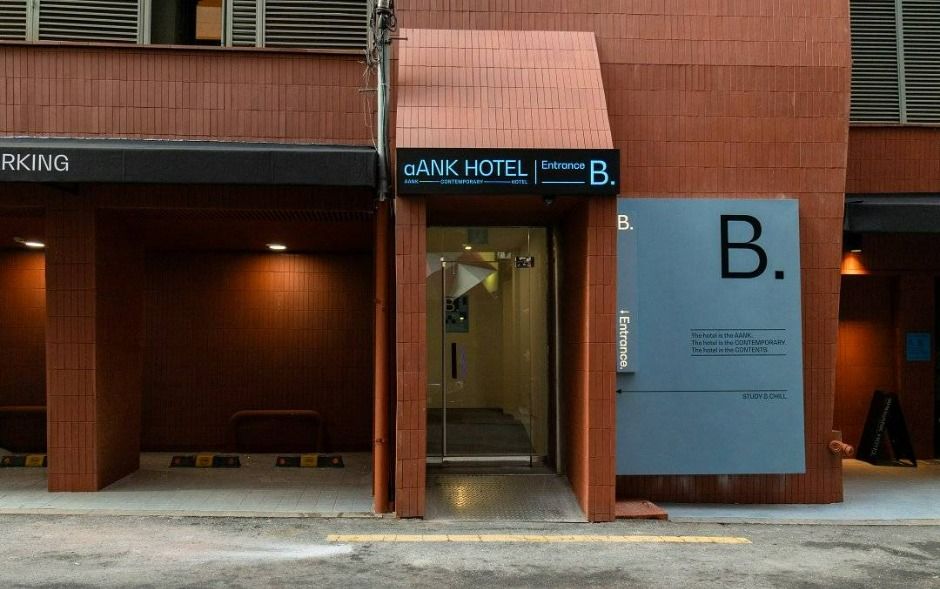
The Hyoosik Aank Hotel Sinchon (더휴식 아늑호텔 신촌점)
9.9Km 2025-04-09
49 Yonsei-ro 2-gil, Seodaemun-gu, Seoul
The Hyoosik Aank Hotel Sinchon welcomes guests with a neat and modern atmosphere. Each room is tailored to suit every guest's need with comfort as the main priority. The hotel's room types include a standard room, music room, multi-room equipped with Playstation 4, PC room, creative illust room equipped with a drawing tablet, creative piano room, and a business room. The hotel also has a parking lot, guest lounge, coin laundry, and a ping pong table.
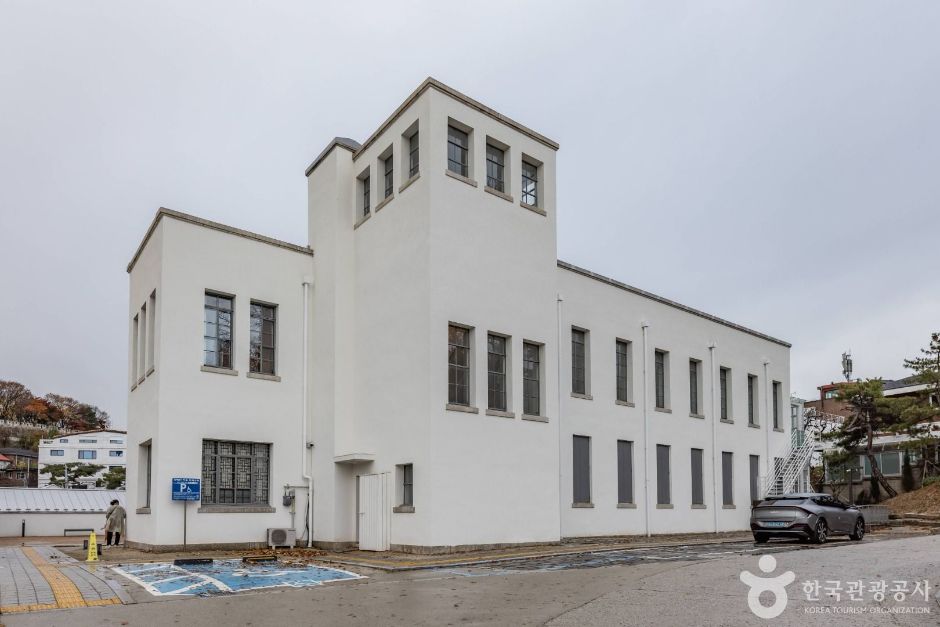
Kansong Art Museum (간송미술관(서울 보화각))
10.0Km 2025-06-30
102-11 Seongbuk-ro, Seongbuk-gu, Seoul
Kansong Art Museum was the first private art museum in Korea, opened as Bohwagak in 1938 by Kansong Jeon Hyeong-pil. The name was changed to the current Kansong Art Museum in 1966. Bohwagak was designated as National Registered Cultural Heritage No. 768 on December 30, 2019. Jeon Hyeong-pil dedicated his life to preserving and researching Korea’s representative relics that were devaluated and purposefully obliterated during the Japanese colonial era, as well as to acknowledging their cultural excellence and beauty. The museum houses 11 national treasures and 24 treasures.
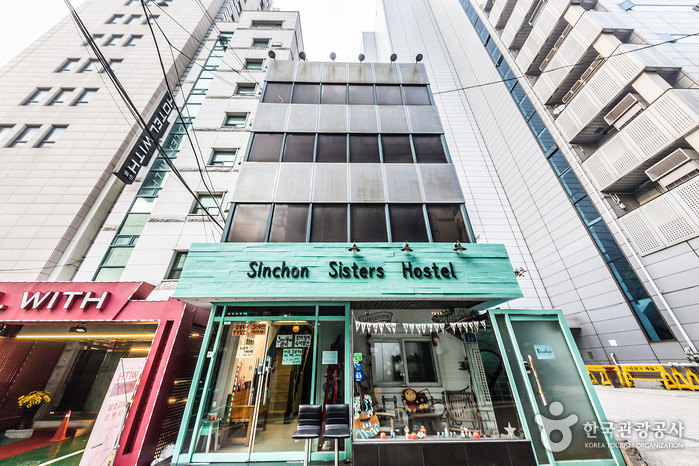
Sinchon Sisters Hostel (신촌 시스터즈)
10.0Km 2024-12-23
24 , Baekbeom-ro 2-gil, Mapo-gu, Seoul
Sinchon Sisters is a friendly guesthouse in Mapo-gu, Seoul, that caters for young travelers. Rooms are for two, three or four people, and each room has its own bathroom. There is no separate dining area, but you can bring food into your room and there’s a microwave for visitors’ use. Washing machines and dryers are also provided (payment needed). Transport is convenient: Sinchon Station and Sogang University Station are a 5 minutes’ walk away, and there are bus stops nearby - including for the airport express bus service. The Hongdae, Hapjeong, Mangwon, and Sangsu areas are all nearby.
Seodaemun Prison History Museum (서대문형무소역사관)
10.0Km 2024-12-02
251 Tongil-ro, Seodaemun-gu, Seoul
Seodaemun Prison was built under the Japanese administration to imprison independence movement activists. It first opened on October 21, 1908 under the name Gyeongseong Prison. Eventually, so many activists were imprisoned that the building had to be expanded. At that time, the name changed to Seodaemun Prison on September 3, 1912. Eighty years later, the prison was turned into Seodaemun Independence Park on August 15, 1992 to commemorate the Korean patriots who were tortured in prison, giving their lives for freedom. Of the many buildings, only seven were preserved for their historical significance, among which three prison buildings and the execution site were designated as a Historic Site. In 1998, the park underwent another transformation into today's Seodaemun Prison History Hall to educate the public on the importance of Korea's independence and the sacrifices of those who fought to achieve it.
Dongnimmun Gate (독립문)
10.1Km 2022-12-15
251, Tongil-ro, Seodaemun-gu, Seoul
Dongnimmun stands at the location originally known as Yeongeun, where envoys were once treated. When a Chinese envoy visited, the King would go out through this door to greet. In 1898, to announce the independence from Japan, Dongnimun was constructed with the fund collected by the citizens. The traces of the past still remain on Dongnimmun with two pillars in front of Dongnimmun being the remains of Yeongeunmun.
The Arc de Triomphe in France can be recalled in comparison to Dongnimmun. Dongnimmun was built using granite with a passageway x_height of 14.28 meters. On the top it is written ‘Dongnimmun’ in Korean with the national flag drawn on each side. On the inner-left side there are stone stairs leading to the attic. The national flower Mugunghwa are planted around Dongnimmun. Now it is surrounded by roads and it is eye-catching to view when passing by.
 English
 한국어
한국어 日本語
日本語 中文(简体)
 Deutsch
 Français
 Español
 Русский


