
Gyeonghuigung Palace (경희궁)
8.0Km 2024-07-09
45 Saemunan-ro, Jongno-gu, Seoul
Gyeonghuigung Palace, a designated Historic Site, was originally called the large palace by Saemun Gate, or the Western Palace, for its location within the city. It was not until the eighth year of Gwanghaegun (1616) that the palace was used as a royal residence for the king, changing the name to Gyeongdeokgung Palace. The name later changed again to the current Gyeonghuigung Palace in 1760. The palace grounds included many halls but they were mostly all burned down in a fire in 1829. After the Japanese occupation began, all remaining buildings on the site were torn down and the palace grounds were turned into Gyeongseong Middle School (now Seoul High School). The school moved to Gangnam area in 1987, afterwhich the previous location was turned into a park. The palace grounds currently hold Seoul Museum of Art and walking paths, as well as a restoration of Heunghwamun Gate, the main gate of the palace, and Sungjeongjeon Hall, the main hall, completed in November 1994.
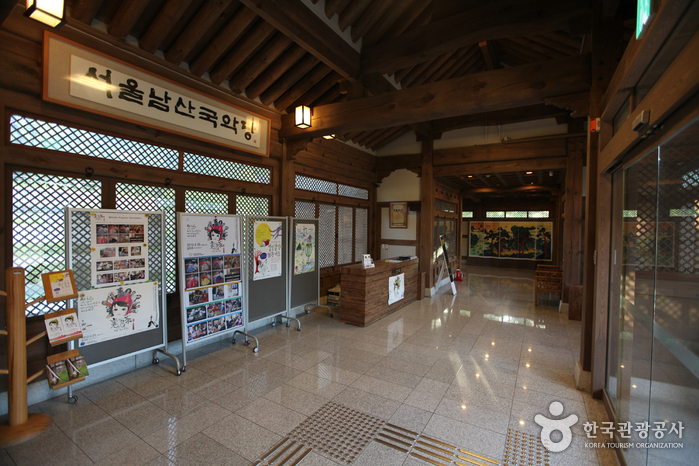
Seoul Namsan Gugakdang (서울 남산국악당)
8.0Km 2021-08-02
28, Toegye-ro 34-gil, Jung-gu, Seoul
Seoul Namsan Gukakdang was established by Seoul Metropolitan Government as a representative traditional art-centered performance hall in 2007. It is comprised of one ground and two basement levels. The performance hall is located on the basement floor with 300 seats, equipped with facilities that deliver pansori sounds and gayageum music to every seat. Visitors can make a reservation at the Namsangol Hanok Village website.
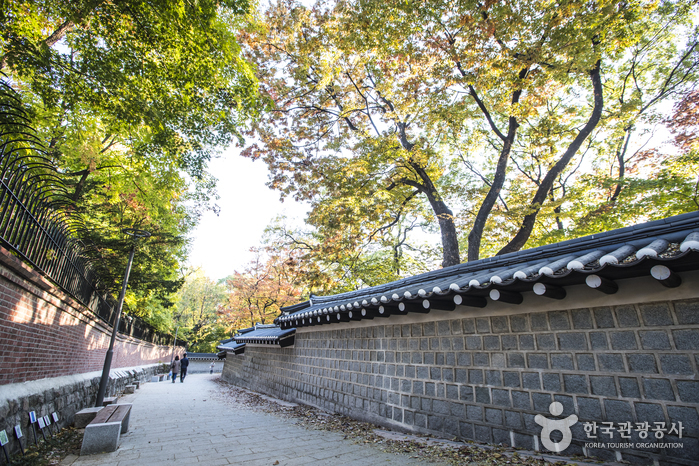
Deoksugung Stone Wall Path (덕수궁 돌담길)
8.1Km 2025-01-10
24 Sejong-daero 19-gil, Jung-gu, Seoul
The Deoksugung Stone Wall Path runs along the wall of Deoksugung Palace. It is beautifully lit and landscaped, giving it a romantic atmosphere even at night. There are street performances and flea markets, and the area boasts many famous cafes and restaurants along Jeongdong street. In autumn, the ginkgo trees and walls form a stunning scene. Close to major cultural facilities such as the Seoul Museum of Art and Seoul Museum of History, it attracts numerous visitors come for a stroll.
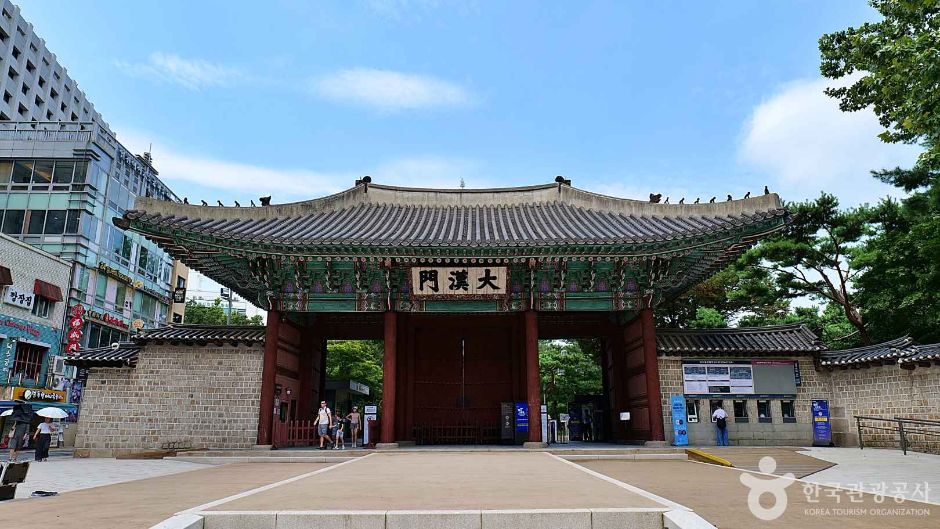
Deoksugung Palace's Daehanmun Gate (덕수궁 대한문)
8.1Km 2025-01-13
99 Sejong-daero, Jung-gu, Seoul
Located near City Hall station, Daehanmun Gate is the main gate of Deoksugung Palace, one of the princiapl five palaces of Joseon dynasty. The name "Daehan" means wish for eternal prosperity of the Korean Empire. In front of the gate, the Palace Royal Guard Changing Ceremony is held twice daily, along with the reproduction of costumes and style throughout the year.
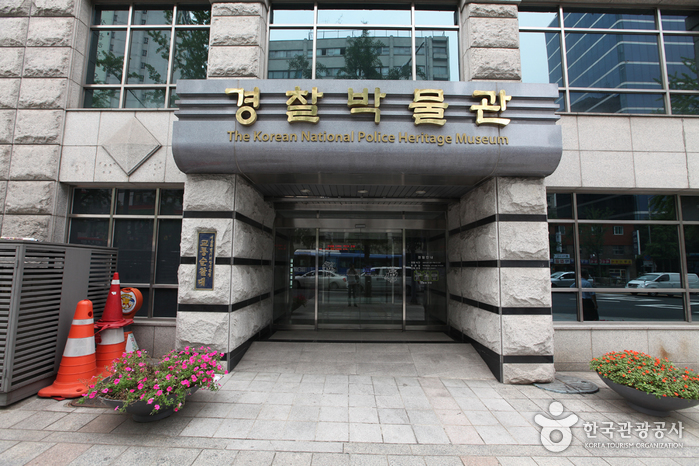
Korean National Police Heritage Museum (경찰박물관)
8.1Km 2021-12-21
41, Saemunan-ro, Jongno-gu, Seoul
The police museum opened on October 14, 2005 to give a better understanding of the job of the police and to offer a formal education to children who wish to become police officers in the future. The history hall of the museum is designed for visitors to learn about the history of Korean police at a glance, exhibiting information on the police force from the Joseon dynasty up until current times.
Visitors to the museum can pretend to be police officers by touching actual equipment and learning about an officer's daily tasks. Visitors can also get in patrol cars, wear a police uniform, experience shooting a gun through a simulation, and learn self-defense martial arts and arrest techniques. Visitors can also go to the museum jail.
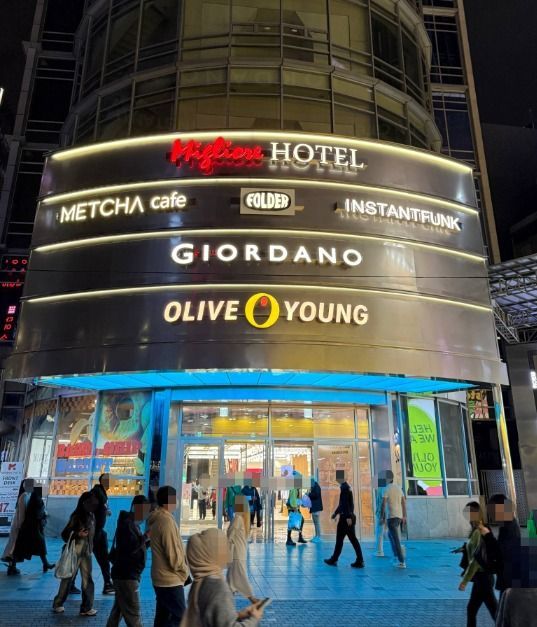
Migliore - Myeongdong Branch (밀리오레 (명동점))
8.1Km 2025-02-06
115 Toegye-ro, Jung-gu, Seoul
Migliore Shopping Mall, located in Myeong-dong, reopened in August 2024 after undergoing remodeling. It provides customers with easy access to its stores, as it is directly connected to the Myeongdong Subway Station (Seoul Subway Line 4). Myeong-dong is regarded as the shopping district for youth in their 20s. Throughout the area, signs are written in English, Chinese, and Japanese for foreign visitors. The first and the second floors function as a shopping mall, and from the 3rd to the 17th floor as a hotel, providing visitors with an opportunity to shop and stay under the same roof. The first floor of the mall features beauty and lifestyle stores and the second floor has clothing stores. This is a one-stop shopping destination for fashion items that will dress you from head to toe. Additionally, visitors can also shop for albums, magazines, and other goods featuring their favorite idols.
 English
 한국어
한국어 日本語
日本語 中文(简体)
 Deutsch
 Français
 Español
 Русский


