
Samcheong Park (삼청공원)
9.9Km 2024-03-18
44, Insadong-gil, Jongno-gu, Seoul
Samcheong Park is a park that blooms in cherry blossoms in spring and fall colors in fall near Gyeongbokgung Palace. The park is home to a forest library and a café, and visitors can follow the trails to find acupressure trails, exercise equipment, badminton court, tennis court, playground, and a convenience store. The area surrounding the park is home to many galleries and restaurants, so it is a popular destination for walking among the people of Seoul.
Yonsei University (연세대학교)
10.0Km 2023-07-04
50, Yonsei-ro, Seodaemun-gu, Seoul
Yonsei University, which opened in 1885, is a prestigious university that boasts a beautiful campus. In particular, it is famous for its wooden trails, antique buildings covered with ivy, and Cheongsongdae Forest, a popular dating spot among couples. Yonsei University also has a Korean language institute for foreigners interested in learning Korean.
Gwangnaru Hangang Park (광나루한강공원)
10.0Km 2021-12-25
83-66, Seonsa-ro, Gangdong-gu, Seoul
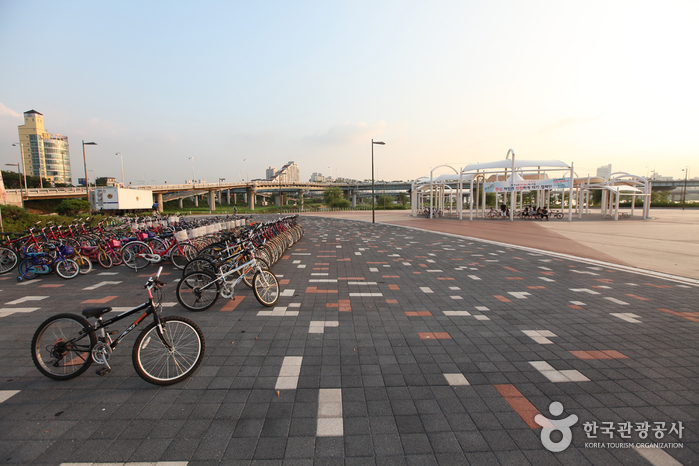
Hangang Citizen's Park, composed of 12 areas including Jamsil, Ttukseom and Jamwon, is an eco-friendly park providing areas for sports and leisure. The park is equipped with various cultural and recreational facilities and also has an ecological park. Gwangnaru Hangang Park formed naturally through rich silt that flowed in from the upper Hangang River that was then filled with reeds, creating an ideal habitat for groups of migratory birds.
Choi Sunu House (최순우 옛집)
10.0Km 2021-12-21
9, Seongbuk-ro 15-gil, Seongbuk-gu, Seoul
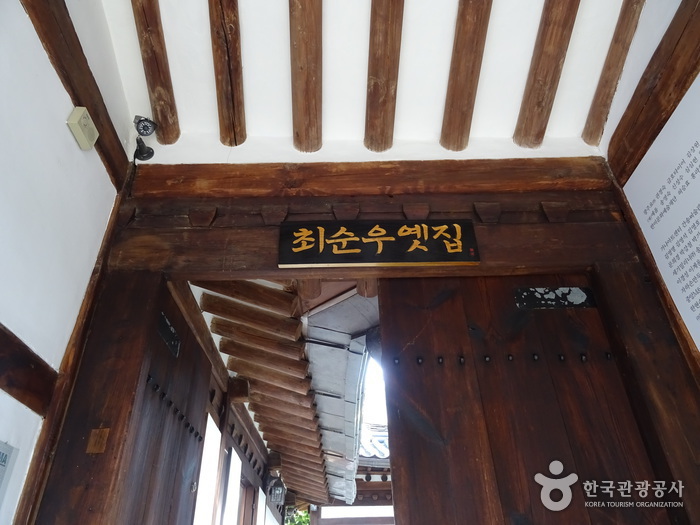
The Choi Sunu House is the old residence of Hyegok Choi Sunu (1916-1984), who lived in this house from 1976 until the day he passed away. The house is designated as Korea’s Registered Cultural Property. Choi Sunu was a leading art historian who served as the director of the National Museum of Korea. He devoted his life to rediscovering the beauty of Korean art and made many academic accomplishments in the areas of Korean ceramics, traditional woodcraft, and the history of painting.
The house has been open to the public as the Hyegok Choi Sunu Memorial Hall since 2004. The memorial hall displays Choi Sunu’s relics as a permanent exhibition and holds special exhibitions in the fall as well as cultural programs every spring and fall.
Samseongsan Holy Ground (삼성산성지)
10.0Km 2021-08-17
454-16, Hoam-ro, Gwanak-gu, Seoul
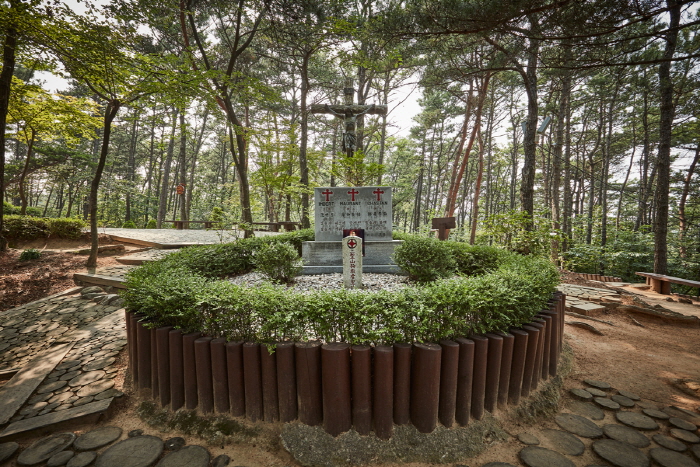
During the Gihae Persecution of 1839, three French Catholic priests were sentenced to death for spreading Catholicism in Korea. Saint Laurent Joseph Marius Imbert (Bishop), Saint Pierre Philibert Maubant (Priest), and Saint Jacques Honore Chastan (Priest) were beheaded on September 21, 1839 at Saenamteo, currently known as the Saenamteo Catholic Holy Place of the Martyrs, and their bodies were buried at Samseongsan Mountain and later transferred to the grotto of Myeondong Cathedral.
Seodaemun Independence Park (서대문독립공원)
10.1Km 2022-12-15
251, Tongil-ro, Seodaemun-gu, Seoul
Seodaemun Independence Park was built on the former Seoul Detention Camp. It was used to imprison thousands of Korean independence activists until the liberation from the Japanese occupation on August 15, 1945, as well as the political prisoners during the political turmoil in the 1960s. When the prison was moved to Uiwang-si, Gyeonggi-do in November 1987, the area was restored and turned into a memorial park in August 15, 1992 to honor the sacrifices of the martyrs. The park preserves seven prison buildings, an execution ground, underground women’s prison, and the March 1st Movement Monument that has been moved from Tapgol Park in Jongno.
One of the most significant monuments of the Seodaemun Independence Park is Dongnimmun Gate (Independence Gate), which has been designated a Historic Site. Nearby is Dongnipgwan (Independence Hall), originally called Mohwagwan, which was used to greet Chinese envoys during the Joseon dynasty. Today, the hall enshrines 2,327 tablets inscribed with the names of Koreans who died for the cause of national independence. Standing right next to Dongnimmun Gate are the remnants of Yeongeunmun Gate, another Historic Site. Other sights inside the park include the Patriotic Martyr Monument, Declaration of Independence Monument, and Statue of Dr. Seo Jae-pil, who was an independence activist and publisher of Korea’s first independent newspaper. The main highlight of the park is the Seodaemun Prison History Hall, a former prison building that was renovated into a history museum.
National Memorial of Korean Provisional Government (국립대한민국임시정부기념관)
10.1Km 2023-01-16
279-24, Tongil-ro, Seodaemun-gu, Seoul
The National Memorial of Korean Provisional Government was established to shine a light on the proud history of the Korean Provisional Government's independence and the spirit of a democratic republic and to pass it on to future generations. The four-story memorial building with three underground floors houses three permanent exhibits, one special exhibit, Larchiveum, Symbol Plaza, storage, multi-purpose hall, and rooftop garden over a total area of 3,656 square meters, a total floor area of 9,703 square meters and a total exhibition space of 2,240 square meters. The permanent exhibits consist of a series of historic events from the March 1st Movement, which served as a turning point for the formation of the Provisional Government, to the foundation of the Korean Government that succeeded the mantle of the provisional government, while the special exhibit on the 1st floor currently hosts a special opening exhibition under the title of 『The Return of the Provisional Government of the Republic of Korea』. Moreover, a symbolic wall installation under the theme of "Waves of History" is displayed in the outdoor plaza on the 1st floor of the memorial expressing the Provisional Government’s desire for independence and the dynamics of the past, present, and future of Korea.
Supsok Hanbang Land (숲속한방랜드)
10.1Km 2024-03-18
75-7 Bongwonsa-gil, Seodaemun-gu, Seoul
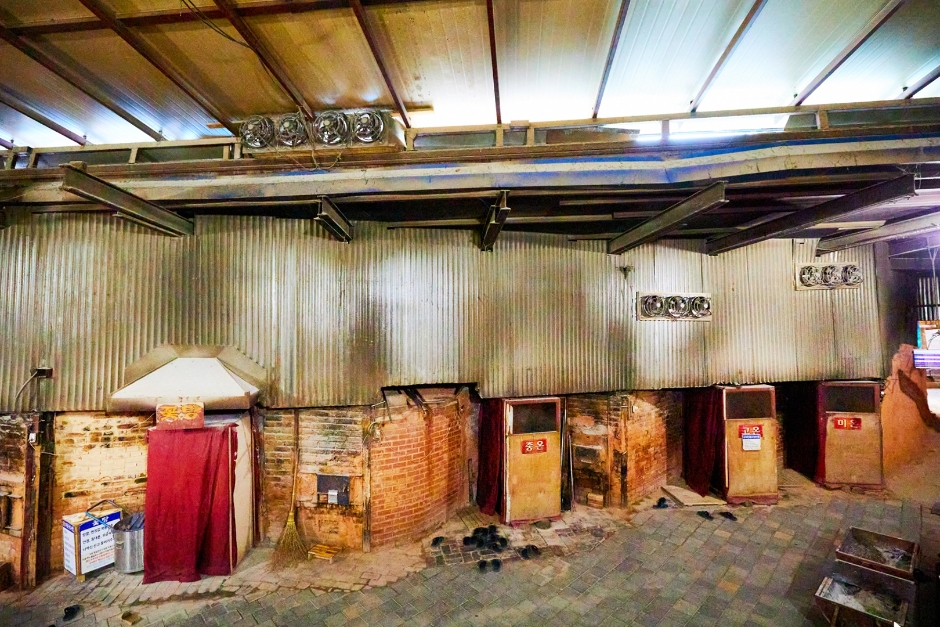
Jjimjjilbang, a Korean-style sauna that combines a traditional bathhouse with a hot steam room, is often ranked high among the unique experiences in Korea chosen by foreigners. Taking a steam bath in a charcoal kiln discharges waste products from the skin through sweat and eliminates accumulated fatigue. Supsok Hanbang Land has several charcoal kilns for different temperatures. Using them in order from low to high-temperature rooms is good, but the highest-temperature room, “Kkottang,” has a risk of causing skinburn, so visitors are advised to wear socks and cotton gloves to enter the room. Another unique experience is to grill sweet potatoes or rice cakes on the brazier in front of the charcoal kiln.
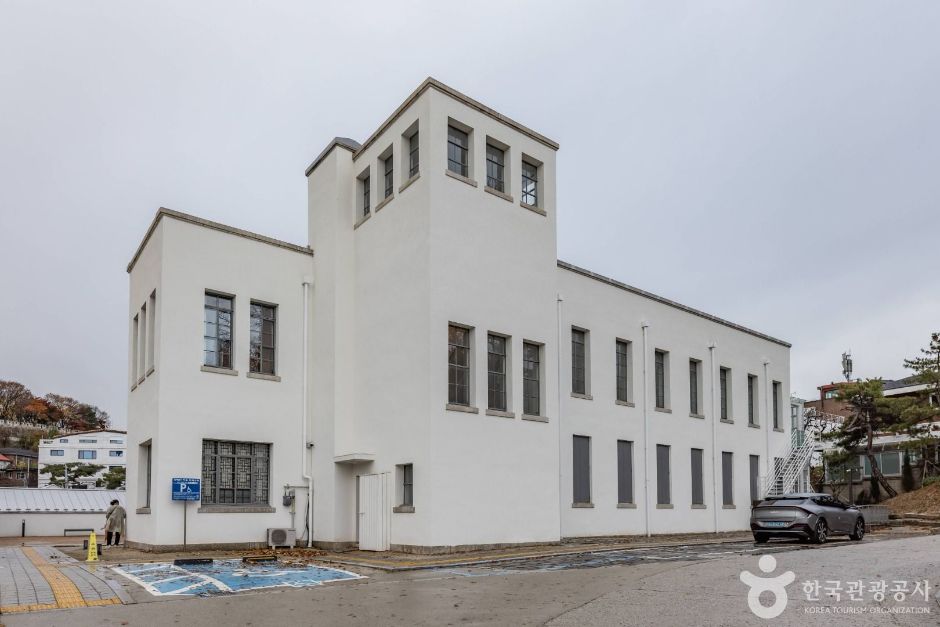
Kansong Art Museum (간송미술관(서울 보화각))
10.1Km 2025-06-30
102-11 Seongbuk-ro, Seongbuk-gu, Seoul
Kansong Art Museum was the first private art museum in Korea, opened as Bohwagak in 1938 by Kansong Jeon Hyeong-pil. The name was changed to the current Kansong Art Museum in 1966. Bohwagak was designated as National Registered Cultural Heritage No. 768 on December 30, 2019. Jeon Hyeong-pil dedicated his life to preserving and researching Korea’s representative relics that were devaluated and purposefully obliterated during the Japanese colonial era, as well as to acknowledging their cultural excellence and beauty. The museum houses 11 national treasures and 24 treasures.
Kyung Hee University Medical Center (경희의료원)
10.2Km 2025-10-23
23 Kyungheedae-ro, Dongdaemun-gu, Seoul
KYUNG HEE UNIVERSITY MEDICAL CENTER is the world's only academic medical center where six medical fields including medicine, dentistry, oriental medicine, East-West integrated medicine, pharmacy, and nursing coexist. We have established new treatment systems by complementing the strengths of each field, and have strived to protect humanity from diseases for more than 50 years.
We make all efforts to return the love received from our patients and their guardians. Our innovative medical treatment systems further improve the effectiveness of disease treatment and provide top-class medical services to help all patients recover quickly. We will continue to work hard to fulfill our role as a center for research and academics and make a contribution to the health of the community and the nation.
With the ‘Kyung Hee Family Spirit,’ we promise to become Kyung Hee Medical Center that always thinks and acts on the patient’s side.
 English
 한국어
한국어 日本語
日本語 中文(简体)
 Deutsch
 Français
 Español
 Русский


