
Cheongun Literature Library (청운문학도서관)
9.0Km 2023-08-16
40 , Jahamun-ro 36-gil, Jongno-gu, Seoul
Cheongun Literature Library is located at the foot of Inwangsan Mountain and can be reached by following the mountain's walking trail starting from Changuimun Gate along the fortress wall. This public hanok library is designed in consideration of the sloped topography and the natural scenery of Inwangsan Mountain. The library consists of two floors: an underground floor and a ground floor. While the ground floor is designed as a traditional hanok, the underground floor is made of concrete to support the hanok building and the spacious outdoor yard. By implementing the natural slope in the library's design, the underground southern entrance is exposed, allowing sunlight to enter. The underground floor features a wide collection of books while the ground floor serves as a place for reading. The natural environment surrounding the library adds to the hanok building's traditional and peaceful charms.
Mok In Museum Mok Seok Won (목인박물관 목석원)
9.0Km 2021-09-01
46-1, Changuimun-ro 5-gil, Jongno-gu, Seoul
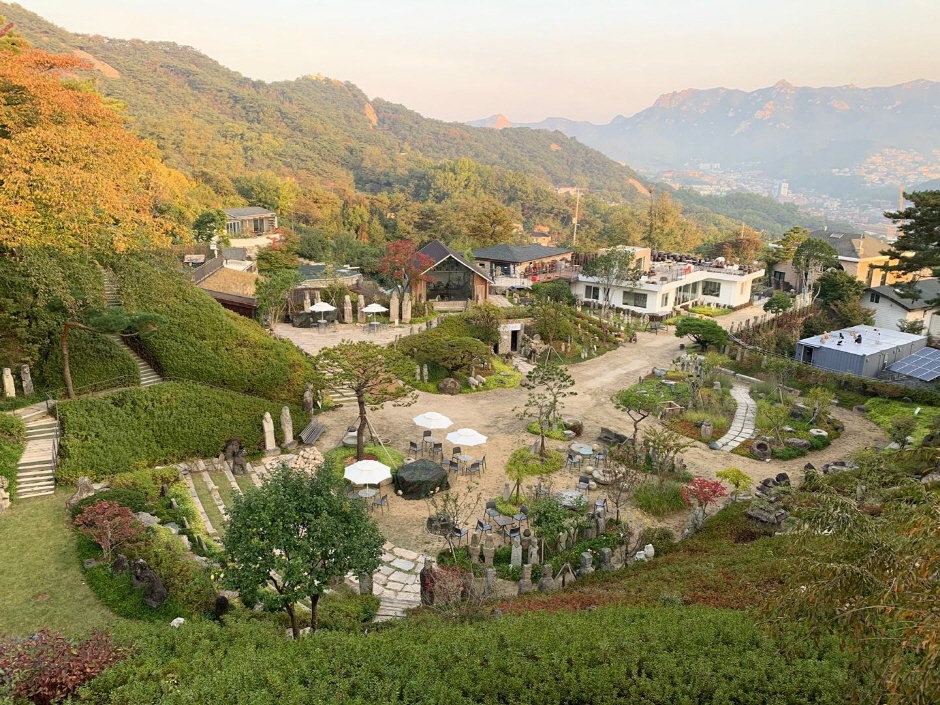
Mok In Museum Mok Seok Won relocated in 2019 from Insa-dong to Buam-dong. Six exhibition halls offer visitors a look at wooden figures from around the world. Mokin refers to traditional wooden sculptures carved in shapes of human figures or various animals. The museum holds around 12,000 wooden folk sculptures including those used to decorate funeral carriages and temples mostly from the Joseon dynasty up to modern times. The museum also has an outdoor exhibition hall that harmonizes the sculptures with nature.
Unplugged Hongdae Branch(언플러그드)
9.0Km 2025-11-05
26 Wausan-ro 33-gil, Mapo-gu, Seou
IU ‘Sleepless Rainy Night’
As the name suggests,it is a cafe with an analog charm. Old wooden floors and furniture, pianos and guitars, and turntables are old and more stylish. In a space full of LPs and CDs, you can feel the warmth and coziness you felt in the music video. A variety of menus are available, from drinks to beer and pretty cocktails named after musicians. There is a performance hall in the basement, where performances are often held.
Pungnap-dong Toseong Fortress (서울 풍납동 토성)
9.0Km 2025-01-10
Pungnap-dong, Songpa-gu, Seoul
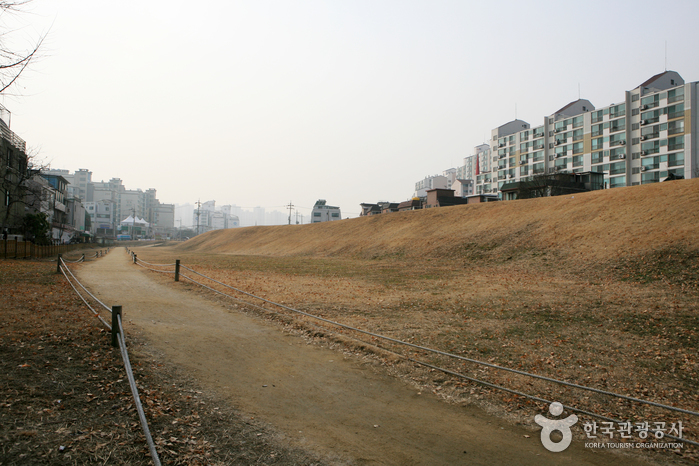
Onjo, the progenitor of Kingdom Baekje, first settled in Wiryeseong Hanam. But exact location is still unknown. One thing for sure, however, is that Pungnaptoseong Fortress, Mongchontoseong Fortress, Bangidong Ancient Tombs of Baekje, Seokchondong Stone Mound Tomb of Early Baekje are the remains of Baekje. Pungnaptoseong Fortress faces Hangang River to its west and connects to Mongchontoseong Fortress to the south. To the northwest faces Achasanseong Fortress over Hangang River and far to the southeast is Namhansanseong Fortress.
Pungnaptoseong Fortress, located at the south end of Cheonhodaegyo Bridge over Hangang River, is one of the remains of Early Baekje. Originally, the fortress was 4km in circumference, but due to massive overflowing of Hangang River during flood season in 1925, most of the fortress was lost and only 2.7km of it remains. To the east of the fortress are 4 vestiges of the fortress gates. The remains from the prehistoric era through the Samguk (Three States) era have been unearthed, indicating that this place was a residential area well before the Baekje Era. Through vigorous excavation, some people suggest that there used to be a palace located here during the Baekje Era.

Olympic Park (올림픽공원)
9.0Km 2023-10-19
424 Olympic-ro, Songpa-gu, Seoul
Olympic Park is an impressive leisure facility in which historic remains from the Baekje era share space with modern, state-of-the-art sports stadiums, an eco-friendly forest, and spacious grass fields. The legacy of the 1988 Seoul Olympics, the park not only houses the country’s largest sports arena, but has also become a place where Seoul residents come to relax and unwind.
Spread across approximately 1.45 million square meters, Olympic Park encompasses the land that was once Mongchontoseong Fortress and Mongchonhaeja (manmade lake) from the early Baekje period. The park is divided into several zones, including a leisure sports park, a cultural art park, an eco-park, and the History Experience Park dedicated to the area’s rich historic heritage.
Because Olympic Park is so large and takes over three hours to explore, visitors are advised to familiarize themselves with entrances and exits and travel routes before they start. To further save time, visitors can ride the Road Train (“Hodori Train”) located next to Peace Square.
Soma Museum of Art (소마미술관)
9.0Km 2023-04-13
424, Olympic-ro, Songpa-gu, Seoul
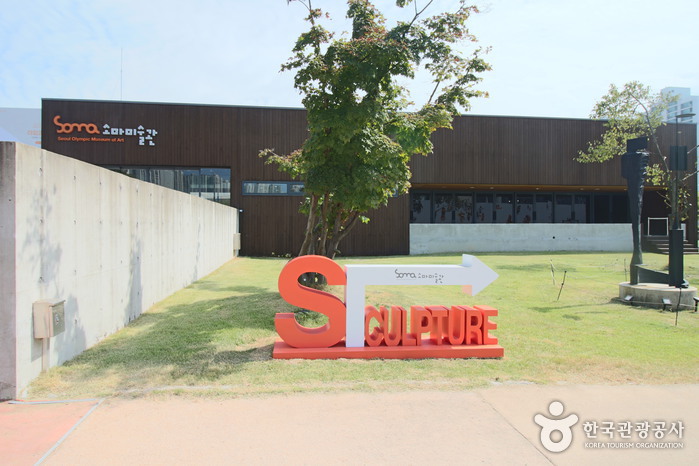
Soma Museum of Art was opened in September 2004 as a cultural space amid the nature of Seoul Olympic Park. The museum displays over 222 sculptures, and offers a variety of cultural and educational programs, including the nation's first drawing center and archive.
Olympic Park Stadium (올림픽공원 경기장)
9.0Km 2021-06-11
424, Olympic-ro, Songpa-gu, Seoul
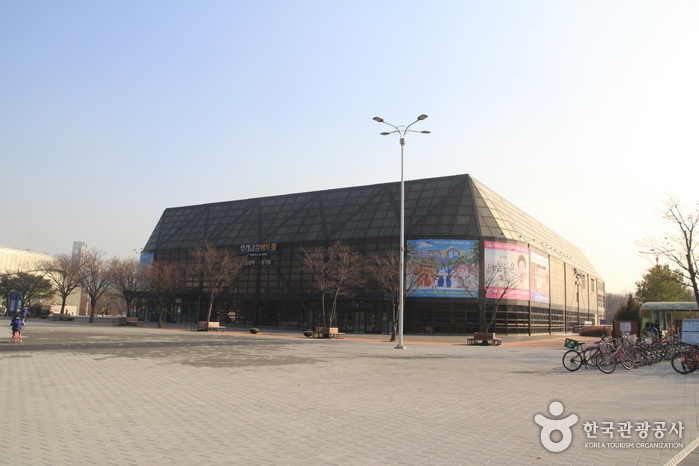
Olympic Park is an expansive outdoor area for Seoul residents to enjoy, offering facilities and venues for a range of events including athletic competitions, concerts and other performances. The park houses athletic facilities including the gymnasium of the ’88 Seoul Olympic Games, a fencing stadium, weightlifting stadium, swimming pool and tennis courts. Moreover, those venues are multi-purpose facilities that can host a wide range of events and performances.
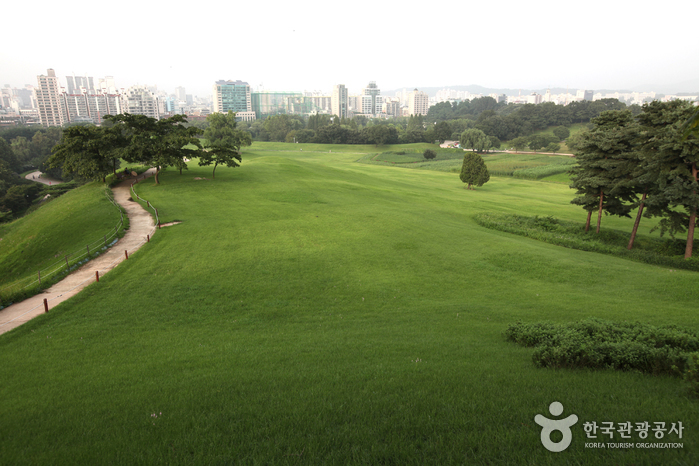
Seoul Mongchontoseong Earthen Fortification (서울 몽촌토성)
9.0Km 2024-03-12
424, Olympic-ro, Songpa-gu, Seoul
Mongchontoseong Earthen Fortification is an ancient earthen fortress built during the Hanseong period of the ancient Korean kingdom of Baekje (BC 18-AD 660). It is believed to have been constructed in the 3rd to 4th centuries. Utilizing the natural advantages of the Hangang River, it served defensive purposes with its trench and log barrier. Excavated relics from the Baekje era are on display at the Seoul Baekje Museum. The site is situated within the Olympic Park in Songpa, Seoul.
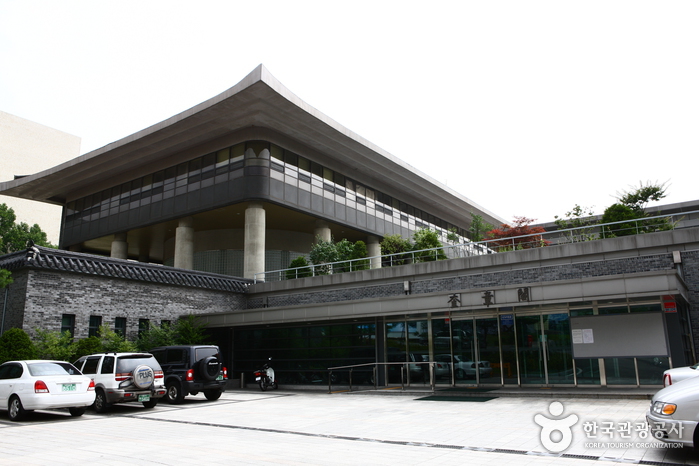
Gyujanggak Library of Seoul National University (서울대학교 규장각)
9.0Km 2022-07-27
1, Gwanak-ro, Gwanak-gu, Seoul
Gyujanggak Library was founded in 1776 during the reign of King Jeongjo, the 22nd ruler of the Joseon dynasty, at which time it was located within the Changdeokgung Palace grounds. It functioned as the royal library, which housed writings of the previous kings, their relics and books from home and abroad.
Today Seoul National University maintains the items of Gyujanggak in a traditional Korean building which is equipped with state-of-the-art facilities necessary for the preservation of cultural heritages. Moreover, Gyujanggak Library of Seoul National University collects and publishes books from a variety of sectors such as politics, economy and society.
Gyujanggak now houses more than 270,000 items including 7 national treasures, 8 treasures, 180,000-plus old books, about 50,000 documents and 18,000 printing blocks. Among them, Joseon Wangjo Sillok (the Annals of the Joseon Dynasty, a National Treasure), Seungjeongwon Ilgi (the Diaries of the Royal Secretariat, a National Treasure) and Uigwe (the Royal Protocols of the Joseon Dynasty) have been designated as UNESCO World Cultural Heritages.
Seoul National University (서울대학교)
9.0Km 2023-07-07
1, Gwanak-ro, Gwanak-gu, Seoul
Founded in 1946, Seoul National University is the most reputable university in Korea based on its long academic history and tradition. It was the first national university in Korea established by merging several institutions of higher education around the Seoul area, including Kyongsong University
 English
 한국어
한국어 日本語
日本語 中文(简体)
 Deutsch
 Français
 Español
 Русский


