
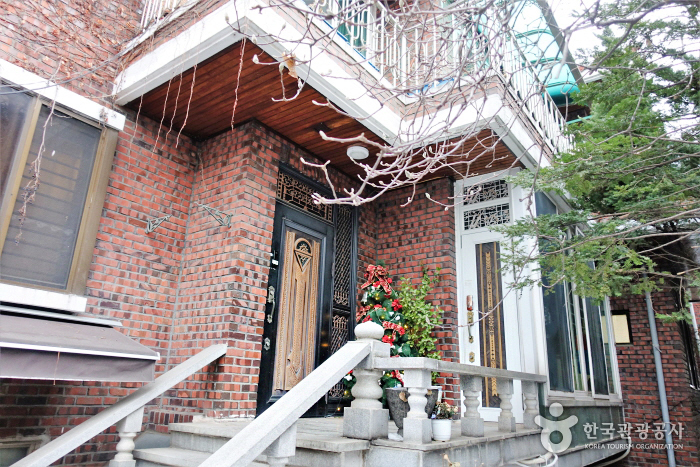
The House of Yehbon (예본의 집)
6.4Km 2024-08-05
64 , Gaepo-ro 118-gil, Gangnam-gu, Seoul
Yebonui House is a detached house, in Gangnam-gu, Seoul, whose first floor is operated as a guest house. The space consists of two rooms plus living room, kitchen facilities, and two bathrooms, and is popular with visiting overseas Koreans and travelers from north America and Europe. Guests will find antique furniture, mother-of-pearl cabinets, and hand-knitted covers, all redolent of Korean history and culture. The Gangnam location makes it super convenient for transport.
Imun Seolnongtang (이문설농탕)
6.4Km 2025-06-18
38-13 Ujeongguk-ro, Jongno-gu, Seoul
Imun Seolnongtang has been serving its hearty seolleongtang for over a hundred years since it first opened in 1907. Even its name has a long history: the word imun comes from Imun-gol, the now-obsolete name of the restaurant’s location, and seolnongtang, an old variation of the word seolleongtang. During the Japanese colonial rule, the restaurant’s regular customers included Gijeong Son, the marathon gold-medalist at the 1936 Berlin Olympics. The meal served at this restaurante is reputed to stay consistent from the Japanese colonial period.
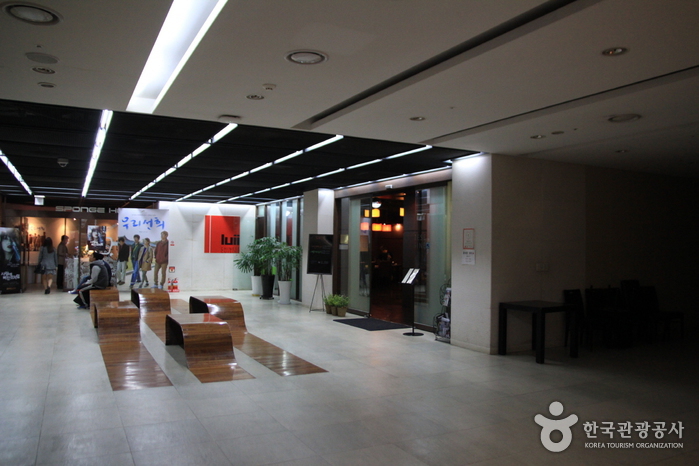
Luii (루이)
6.5Km 2024-07-17
40, Sejong-daero 21-gil, Jung-gu, Seoul
Luii is a Chinese restaurant operated by a veteran chef with extensive experience in Chinese cuisine. The restaurant has several rooms of different sizes to accommodate various events. It also has a VIP room for more private gatherings.
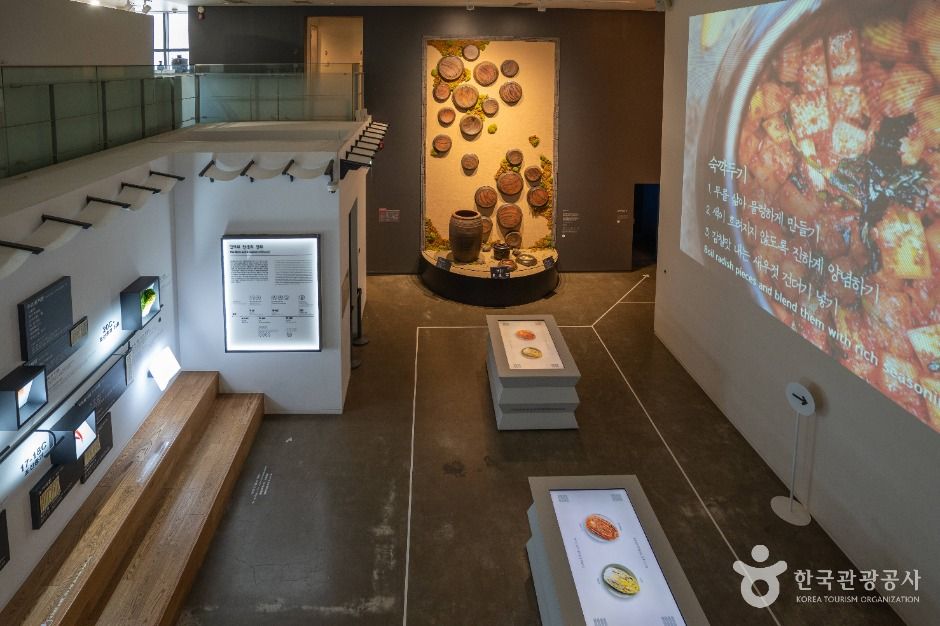
Museum Kimchikan (뮤지엄 김치간)
6.5Km 2025-06-19
(4-6th floor, Maru Art Center), 35-4 Insadong-gil, Jongno-gu, Seoul
Museum Kimchikan is a museum dedicated to kimchi in Insa-dong’s Maru Art Center. The exhibition details the culture, history, trajectory, and efficacy of kimchi and teaches the visitors how to make kimchi through videos. Visitors can also sample different types of kimchi. The museum offers both individual and group experience programs.
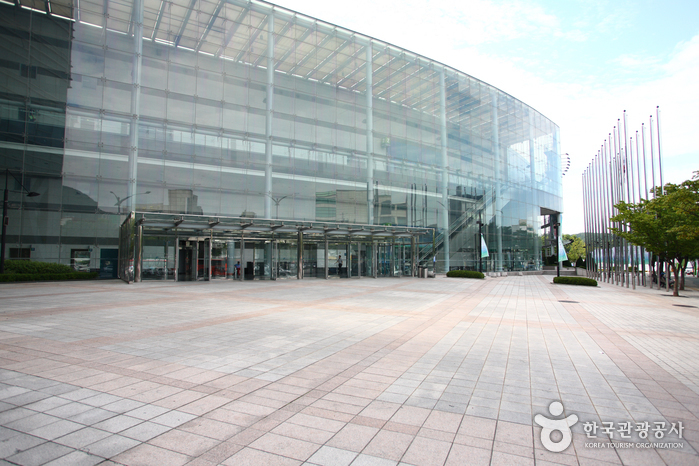
aT Center (에이티센터)
6.5Km 2022-08-26
27, Gangnam-daero, Seocho-gu, Seoul
aT Center is a convention center where exhibitions, conventions, and business trades all take place. Cutting-edge exhibition and conference rooms are suitable for various types of exhibitions, seminars, banquets, events, performances and more. To support successful events, aT Center provides simultaneous interpretation services, an audio-visual system, cold storage and a trade information service. The center is a one-stop venue for trade, comprised of an export firm hall, export promotion hall and other related facilities, offering a permanent exhibition of promised exported items, promotion, consulting with overseas buyers and collecting overseas information. The center is situated in a pleasant neighborhood, located near Seoul's convenient transportation system and hospitals, fitness centers, stores, restaurants, large-sized parking lots, making it a cultural resting area.
Ilmin Art Museum (일민미술관)
6.5Km 2022-09-27
152, Sejong-daero, Jongno-gu, Seoul
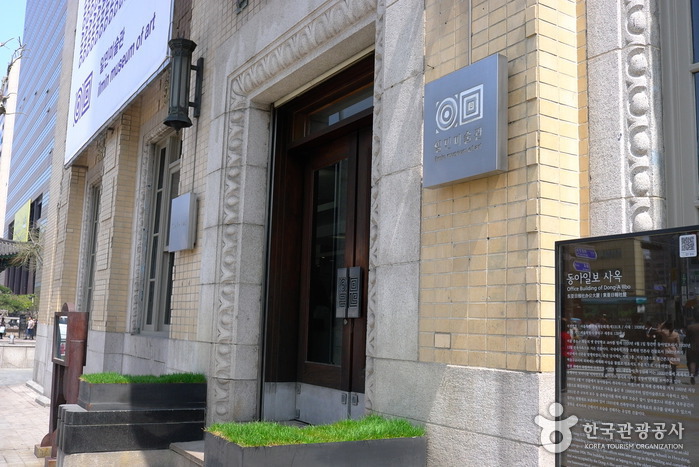
The Ilmin Art Museum located in former Dong-A Newspaper Building, was formed in honor of their honorable and late CEO Kim Sang-man. The museum was established in December of 1996, and with a full renovation in 2001, large exhibition hall and Ilmin collection was placed in. Through the renovation, the combination of glass and steel made Artrium aimed to become one of the best comtemporary museum, connecting the museum to the streets of Gwanghwamun.
This museum boasts a large Ilmin collection. There are 430 pieces of Ilmin collection from Goryeo dynasty (918-1392) to present, 1,200 pieces in the Donga Newspaper's collection of art, and 100 pieces of art owned by Hyundai Corporation. The Ilmin Collection mostly consists of pieces that Kim Sang-man collected from ceramics to aesthetic paintings. The Dongah Newspaper's collection has time-relevant pieces that are important in history.
Jungmyeongjeon Hall (중명전)
6.5Km 2025-01-09
41-11, Jeongdong-gil, Jung-gu, Seoul
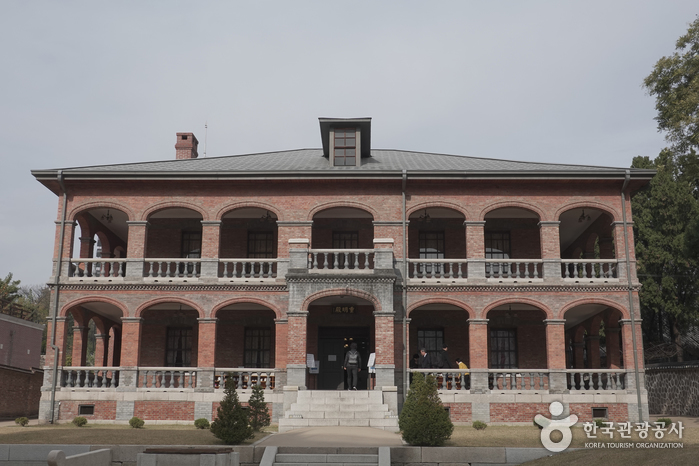
Located near Deoksugung Palace, Jungmyeongjeon Hall is a red-brick modern Western-style building. It was built in 1899 as the imperial library of the Korean Empire. After Deoksugung Palace caught on fire in 1904, the place became the temporary residence of Emperor Gojong. It also witnessed the tragic part of history in which the infamous Eulsa Treaty (Japan-Korea Protectorate Treaty), an illegal treaty forced by Japan, was signed in 1905. Its exhibition hall serves as a place for historical education.
ARKO Art Center (아르코미술관)
6.5Km 2025-06-05
3, Dongsung-gil, Jongno-gu, Seoul
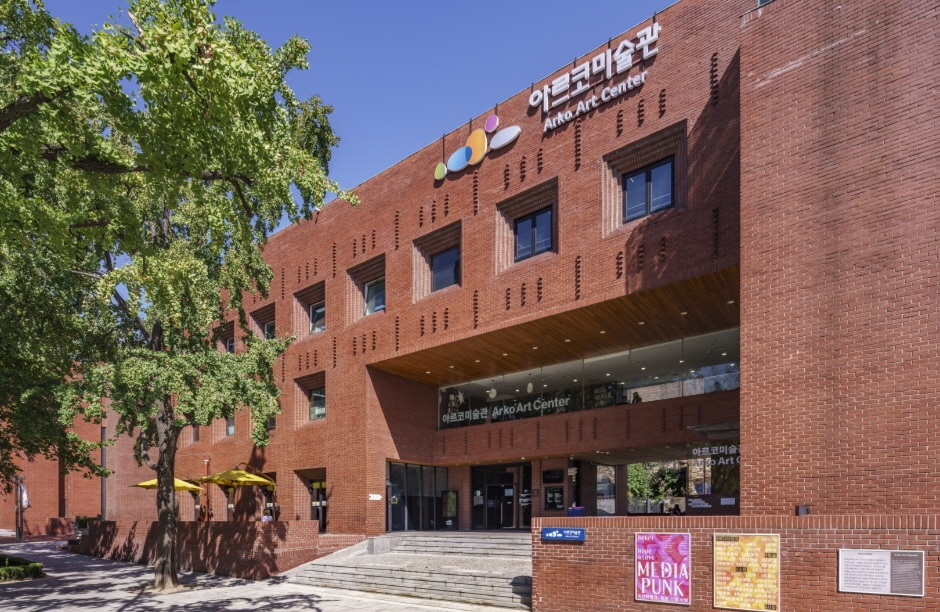
ARKO Art Center was founded in 1974 as Misulhoegwan in a building of former Deoksu Hospital in Gwanhun-dong, Jongno-gu to offer much-needed exhibition space for artists and arts groups. In 1979, Misulhoegwan moved to its present building, designed by preeminent Korean architect Kim Swoo-geun (1931-1986) and located in Marronnier Park, the former site of Seoul National University. The two neighboring brick buildings accommodating ARKO Art Center and ARKO Arts Theater are the major landmarks of the district of Daehakro.
As more public and private museums and commercial galleries came into the art scene in the 1990s, Misulhoegwan shifted to curating and presenting its own exhibitions. Renamed as Marronnier Art Center in 2002, ARKO Art Center assumed a full-fledged art museum system and played an increasingly prominent role as a public arts organization leading the contemporary art paradigm. When The Korea Culture and Arts Foundation was reborn as Arts Council Korea, Marronnier Art Center became ARKO Art Center named after the abbreviation for Arts Council Korea in 2005.
ARKO Art Center is committed to working as a platform where research, production, exhibitions and the exchange of creative activities grow and develop in connection with one another in addition to having a diversity of programs including thematic exhibitions addressing social agenda and public programs widely promoting various discourses in art.
Naksan Park (낙산공원)
6.5Km 2025-12-16
41 Naksan-gil, Jongno-gu, Seoul
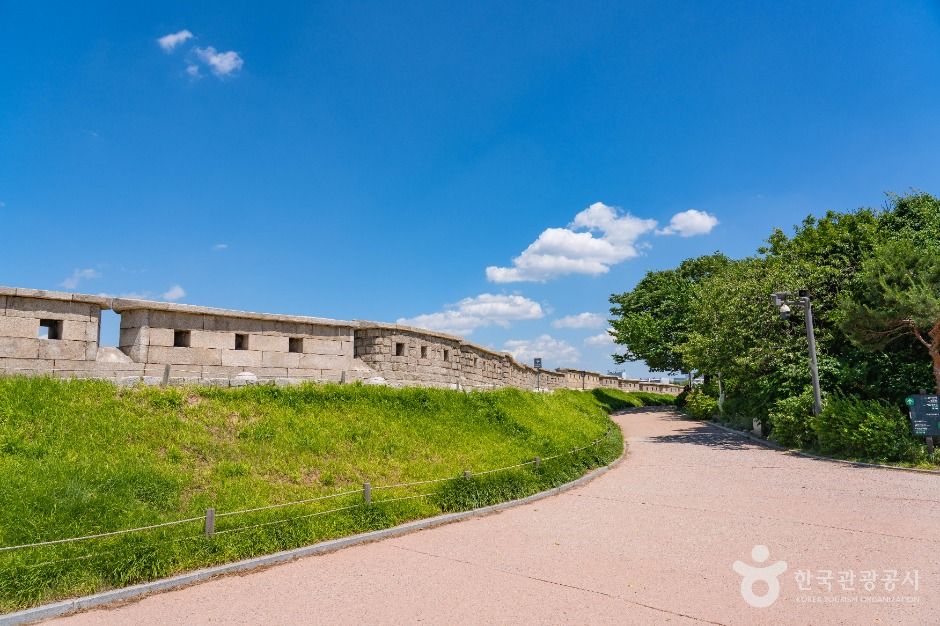
Naksan Mountain (alt. 125 meters) is one of the four inner mountains of Seoul, and can be accessed by following the road leading to the mountain entrance from Daehangno and Dongdaemun. It was also called Naktasan Mountain, which can be translated to Camel Mountain, because the terrain resembled a camel's back. It also had another name, Taraksan Mountain, “tarak” meaning fermented milk, because there was a royal ranch in the area that supplied milk to the palace. After the 1960s, the original appearance of Naksan Mountain disappeared due to apartments and dense housing, and the Seoul Metropolitan Government established a restoration plan. As part of this plan, a park project was carried out, and it opened Naksan Park in July 2002. Currently, Naksan Park has established itself as a resting place for citizens to feel the beautiful atmosphere of Hanyangdoseong, or the Seoul City Wall, and green forests. It has gained much popularity as a place for seeing the most beautiful night view in Seoul.
◎ Travel Information to Discover Hallyu’s Charm - Netflix Series "KPop Demon Hunters (2025)"
The fortress walls at Naksan Park served as the backdrop for Rumi and Jinu’s conversation in the Netflix series "KPop Demon Hunters." The view of the walls and the cityscape beyond adds to the unique atmosphere of the show, and visiting Naksan Park in person offers an expansive and memorable view of Seoul’s city center.
 English
 한국어
한국어 日本語
日本語 中文(简体)
 Deutsch
 Français
 Español
 Русский


