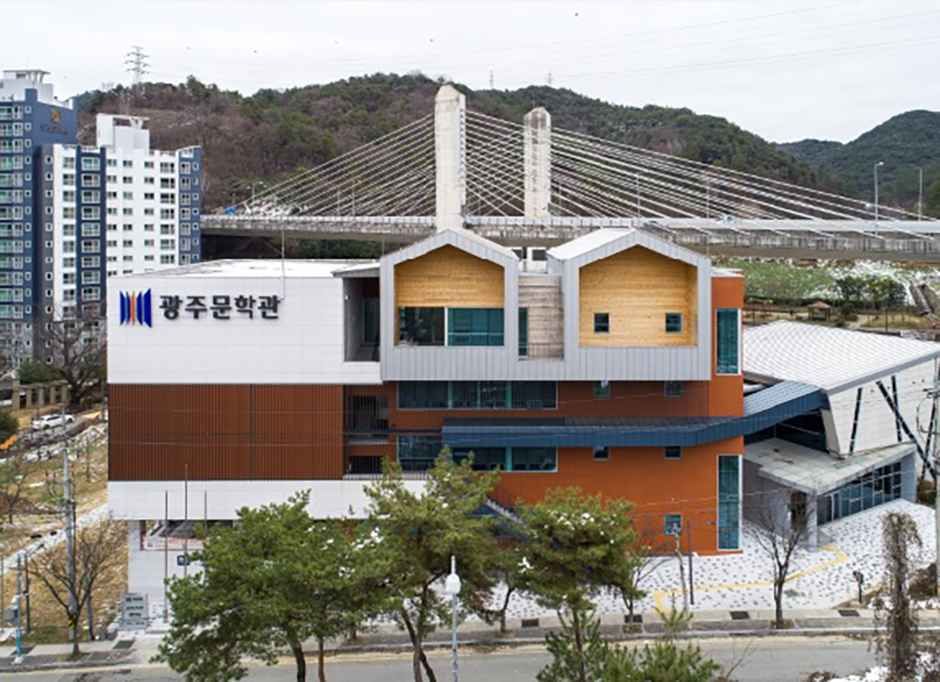
Museum of Gwangju Literature (광주문학관)
9.6Km 2024-11-20
93 Gakhwa-daero, Buk-gu, Gwangju
The Museum of Gwangju Literature offers a journey through Gwangju’s rich literary heritage, spanning from ancient times to the present day. Visitors can delve into the literature from the Mahan period, explore works from the 1920s and '30s tied to the national independence movement, and discover works from the 1980s that marked the beginning of the modern poetry movement. The permanent exhibition provides a chronological journey through the local literature of Gwangju. The museum also holds various programs for visitors.
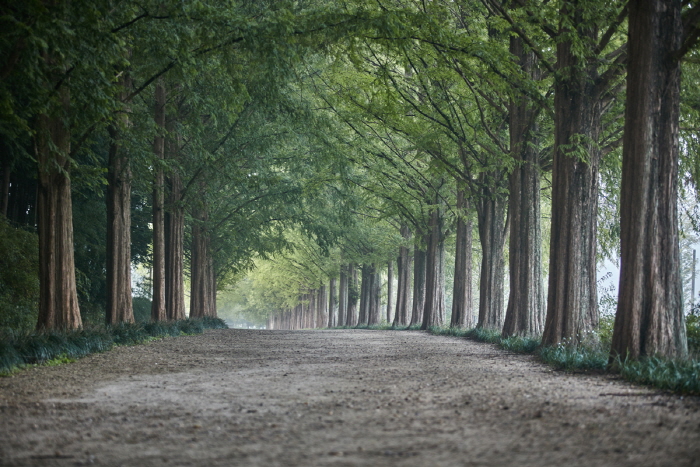
Damyang Metasequoia-lined Road (담양 메타세쿼이아길)
9.7Km 2025-01-09
12, Metasequoia-ro, Damyang-gun, Jeollanam-do
+82-61-380-3149
Damyang Metasequoia-lined Road is one of Korea's most beautiful paths. Metasequoia trees were planted along the street in the early 1970s by the Ministry of Internal Affairs after National Road 24 was rebuilt. At that time, the saplings were only 3 to 4 years old and their branches stretched sparsely out into the sky; now, the trees have grown so high that they seem to block out the sun. Thanks to these stately trees, in 2002 the Korea Forest Service selected the boulevard as one of the most beautiful roads in Korea. The 8.5-kilometer-long boulevard is one of the most popular driving routes in Korea, especially during summer when the trees’ lush green leaves are at their x_height of beauty.
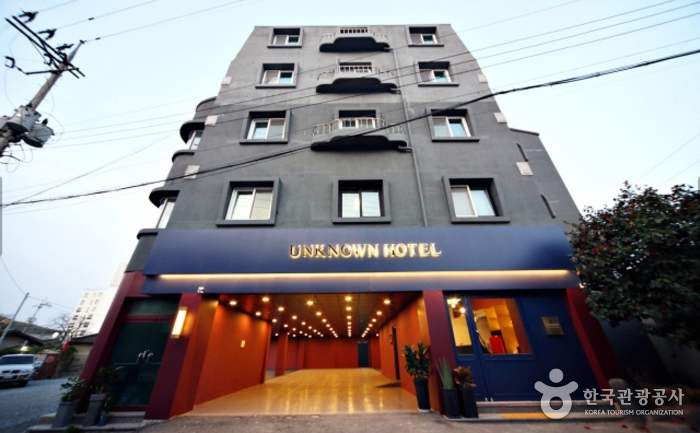
Unknown Hotel (언노운호텔)
9.8Km 2024-12-23
27 , Damju 1-gil, Damyang-gun, Jeollanam-do
+82-61-382-2600
The Unknown Hotel in Damyang, Jeollanam-do, stands out because of its dramatic use of color, inspired by the extraordinary light and color of Edward Hopper’s interiors. There is a range of rooms, all with comfy king-size beds. The Signature Room has two bedrooms and a living room with a six-person table suitable for meetings and family gatherings. Guests can rent a bicycle from the hotel and enjoy a bike ride to Juknokwon Bamboo Forest, Gwanbangjerim Woods, and Redwood Road.

Sinsikdang (신식당)
9.9Km 2024-12-26
전라남도 담양군 담양읍 담주2길 18-13
061-382-9901
Established in 1932, this restaurant has been passed down through four generations. One of its unique qualities is making its own fermented soybeans, soy sauce, and red chili paste, giving its dishes a rich and deep flavor.
Gwanbangjerim Forest (관방제림)
10.1Km 2025-01-09
1, Gaeksa-ri, Damnyang-gun, Jeollanam-do
+82-61-380-2812
Located in Damyang, Jellanam-do, Gwanbangjerim Forest (Natural Monument) is a forest that was made along the banks of Damyangcheon Stream. The two-kilometer-long forest stretches from Dongjeong Village in Namsan-ri to Hwanggeum-ri, Subuk-myeon and Gangui-ri, Daejeon-myeon.
Gwanbangjerim Forest is a special manmade forest that was planted to prevent flooding along Damyangcheon Stream. It is comprised of large trees such as muku trees, zelkova trees, nettle trees, and cherry trees that are about 200 to 300 years old.
The forest’s beauty is so well known that it was even selected as “Korea’s Most Beautiful Forest” by the Korean Forest Services. Visitors enjoy this gorgeous natural getaway all year round, with many stopping by the forest Sculpture Park for pictures. Nearby attractions include the Jungnogwon Bamboo Garden and the Metasequoia-lined road.
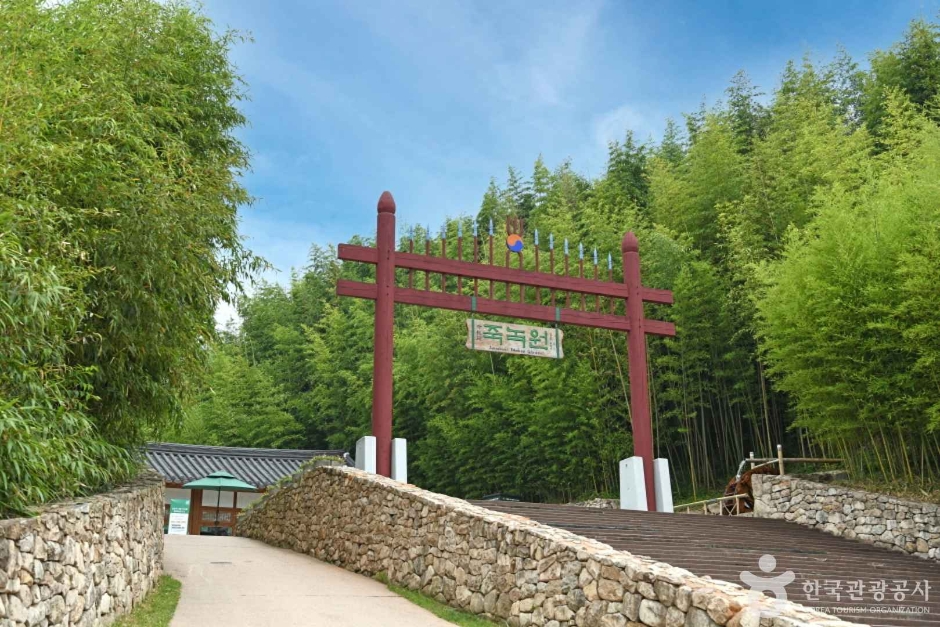
Juknokwon (Bamboo Garden) (죽녹원)
10.5Km 2024-12-02
119 Jungnogwon-ro, Damyang-gun, Jeollanam-do
+82-61-380-2680
Juknokwon in Damyang is a bamboo forest cultivated by the town of Damyang. This bamboo forest, at approximately 160,000 ㎡ in size, was formed in May 2003. The rock steps and soft breeze blowing between the bamboo trees provide relief from daily stress. Try bamboo leaf tea for a perfect end to one's visit.
Gwangju Family Land (광주 패밀리랜드)
11.4Km 2025-01-10
677, Uchi-ro, Buk-gu, Gwangju
+82-62-607-8000
Gwangju Family Land is an amusement park equipped with dozens of exciting rides as well as recreational facilities such as a swimming pool, an ice rink, and a sledge park. Spanning 290 acres of land, it is the largest urban amusement park in all of Jeollabuk-do and Jeollanam-do Provinces. The amusement park also offers entertainment courses designed for couples, families and children.
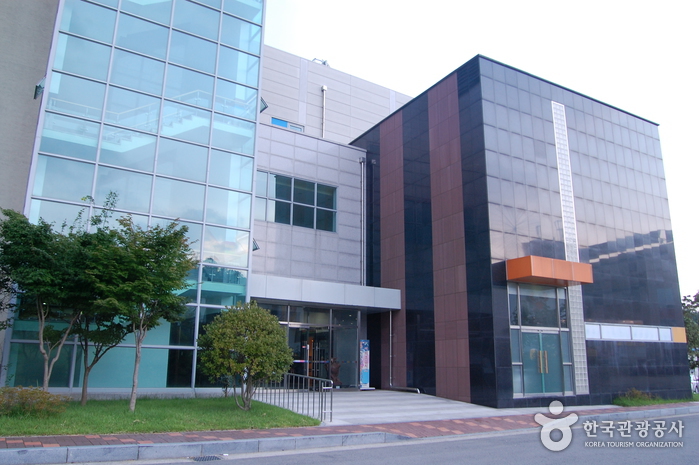
Namdo Folk Food Exhibition Room & Honam Cultural Material Pavilion (남도향토음식박물관·호남문화자료전시관)
11.5Km 2021-11-27
477, Seoljuk-ro, Buk-gu, Gwangju
+82-62-410-6642
Located in Gwangju, the Namdo Folk Food Exhibition Room was established to preserve and promote the local foods of the Namdo region. The museum has a museum shop, both permanent exhibitions and special planned exhibitions, and a studio where visitors can watch a variety of video content related to the local foods. In the Honam Cultural Material Pavilion, literature, clothing, and artwork from the region are on display.
The museum building was designed to resemble both the long, rectangular presses used to make patterned rice cakes and the Ipseokdae Rock of Mudeungsan Mountain, a symbol of Gwangju. Even the colors of the building’s walls hold special significance. The obangsaek (five colors; blue, white, red, black, and yellow) symbolize the cardinal directions, the seasons, the major organs in the body, different tastes, feelings, and philosophy.
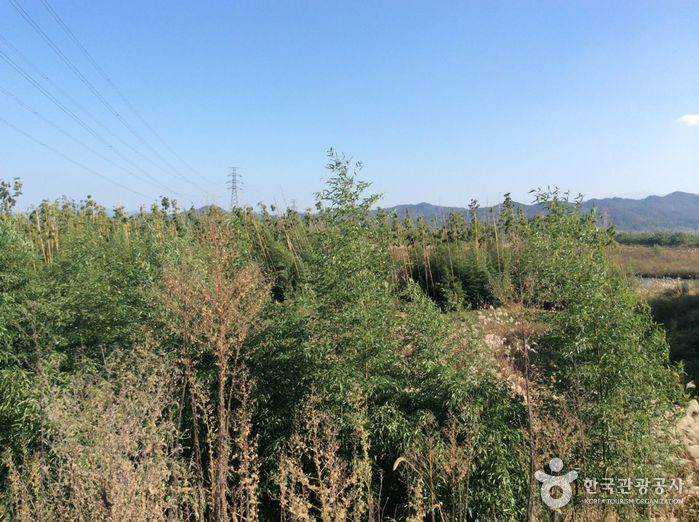
Damyang Bamboo Forest (Damyang Marsh) (담양대나무숲 - 담양습지)
11.7Km 2025-01-13
656-2, Taemok-ri, Daejeon-myeon, Damnyang-gun, Jeollanam-do
+82-61-380-3114
Situated between Damyang-gun and Gwangju Metropolitan City, Damyang Wetland is one of the best places to experience the ecology of Yeongsangang River. It is a habitat for the hawk, wildcat, Boreal digging frog (endangered species), and kestrel. It became the first river wetland to be designated as a wetland reserve in 2004.
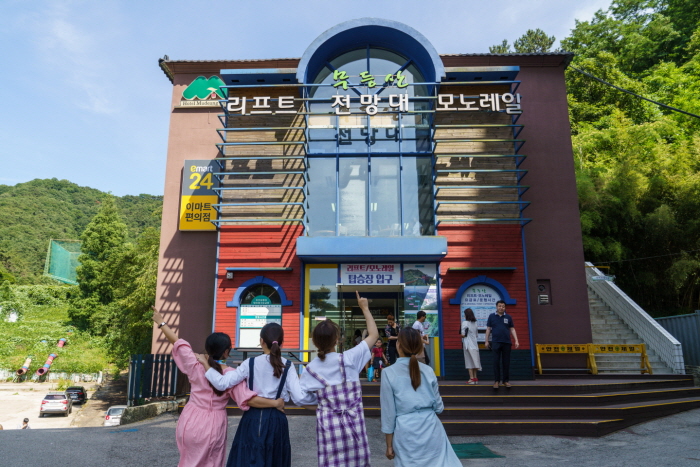
Jisan Recreation Area (지산유원지)
11.7Km 2023-01-25
35-1, Jiho-ro 164beon-gil, Dong-gu, Gwangju
+82-62-221-2760
Jisan Recreation Area reopened around December 2016, resuming monorail operation after 11 years. The unique rattle of a monorail running on one rail gives passengers a thrill. If you ride the monorail, you can see the panoramic view of Gwangju and the top of Mudeungsan Mountain at a glance. The monorail starts on the mountainside, 50 meters away from the end point of the lift, along the forest road, and runs to and from the top of the mountain in Jisan Recreation Area, where the octagonal pavilion is located. After reopening, it became popular among the younger generation through social media and word of mouth as a unique amusement facility where you can enjoy thrills on Mudeungsan Mountain in Gwangju.
 English
 한국어
한국어 日本語
日本語 中文(简体)
 Deutsch
 Français
 Español
 Русский


