
Gangnam JS Hospital (강남제이에스병원)
11.3Km 2025-10-23
122 Dogok-ro, Gangnam-gu, Seoul
Located in Dogok-dong, Gangnam-gu, Seoul, Gangnam JS Hospital is an orthopedic hospital staffed by doctors who have served the Korean national soccer team. We specialize in cartilage regeneration and degenerative arthritis treatment using cord blood stem cells.
We have published eight SCI(E) papers in our field and, with advanced medical technology and care, have attracted celebrities and royalty from the GCC countries, as well as international patients from diverse backgrounds, including Guus Hiddink, a renowned soccer coach.
We focus on treating sports injuries and spinal pain, including back and neck issues, offering the same level of care as for national athletes.
Lotte World(롯데월드 어드벤처)
11.4Km 2025-06-10
240 Olympic-ro, Songpa-gu, Seoul
+82-1661-2000
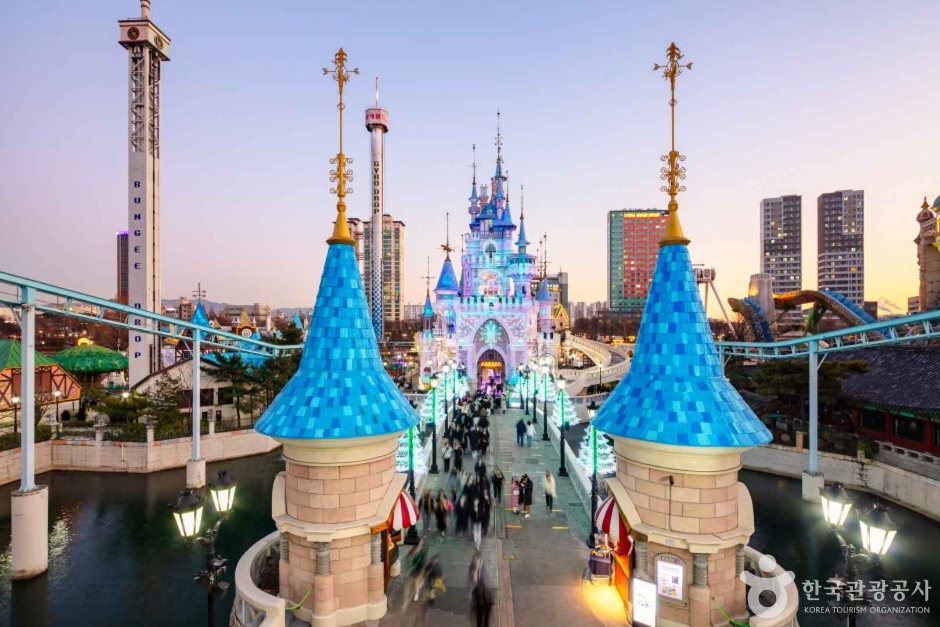
Operated by Lotte Group, Lotte World is the perfect spot for entertainment and sightseeing for Koreans and international tourists alike. The theme park is divided into the indoor Lotte World Adventure, and the outdoor lakeside Magic Island, with additional amenities including a shopping mall, folk museum, ice rink, hotel, and more.
Lotte World Adventure is the world's largest indoor amusement park, complete with top-of-the-line rides, fantastic parades and performances, and food from around the world. The Folk Museum displays miniature models of Korea throughout 5,000 years in history. Lotte World Garden Stage presents various themed musicals to match each season and Lotte World Star Avenue is the perfect place to experience Korean stars and the entertainment world.
Yeouido Park (여의도공원)
11.4Km 2024-04-08
68, Yeouigongwon-ro, Yeongdeungpo-gu, Seoul
Yeouido Park is a large recreational area located on Yeouido Island in the central part of Seoul. It was once originally covered with black asphalt, and people frequented the place for bicycling and roller-skating. The construction began in 1997 and opened officially in February 1999. It is now the place where many people in the city come to rest and enjoy strolling around, playing sports, and cultural events.
Lotte World Folk Museum (롯데월드 민속박물관)
11.4Km 2024-03-12
240, Olympic-ro, Songpa-gu, Seoul
+82-2-411-4762
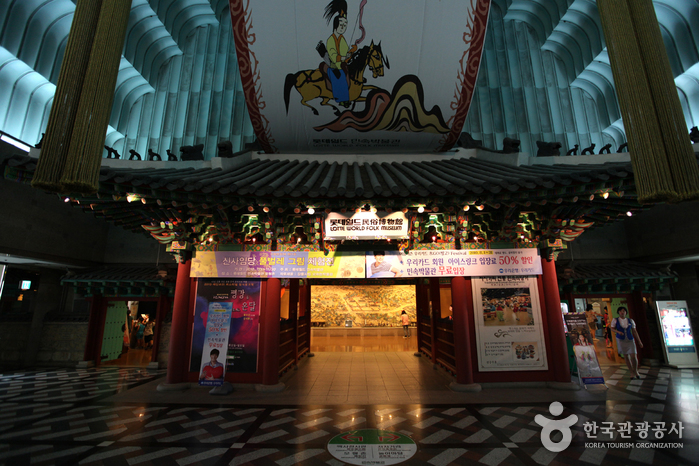
Lotte World Folk Museum, located within Lotte World, is a museum showcasing the ancient lifestyles of Korea. It exhibits artifacts from the prehistoric era to the Japanese colonial period, divided by historical eras. Particularly noteworthy is the miniature village, featuring over two thousand dolls at a scale of 1:8, depicting various aspects of life during the Joseon dynasty, including the four seasons, seasonal customs, four ceremonial occasions, and the lives of the yangban and commoners with remarkable realism.
The National Assembly Building (국회의사당)
11.4Km 2024-02-29
1, Uisadang-daero, Yeongdeungpo-gu, Seoul
+82-2-788-2114
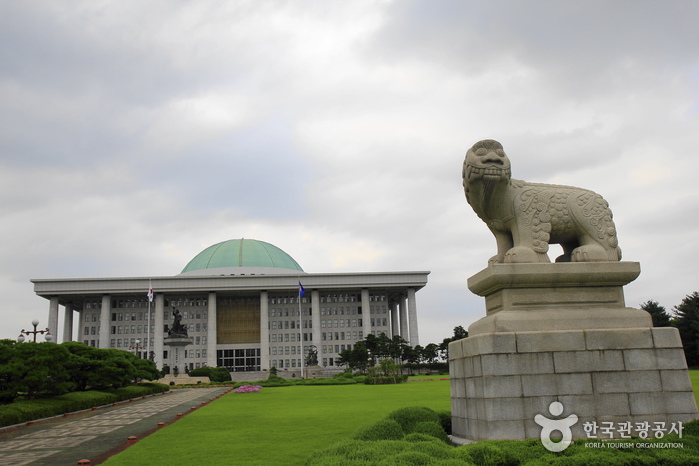
The National Assembly Building stands as the symbol of Korean democracy. It consists of the National Assembly Building, the National Assembly Library, and the Memorial Hall. Visitors can take part in programs such as observing the Plenary Chamber and visiting the Children's Museum. Because it is a great place to learn about Korean history and politics, it is a popular tourist site. Visitors are required to make reservations for their visit, which can be done through the webpage.
Seoul Marina Club & Yacht (서울마리나 요트&클럽)
11.4Km 2025-04-14
160 Yeouiseo-ro, Yeongdeungpo-gu, Seoul
+82-2-3780-8400
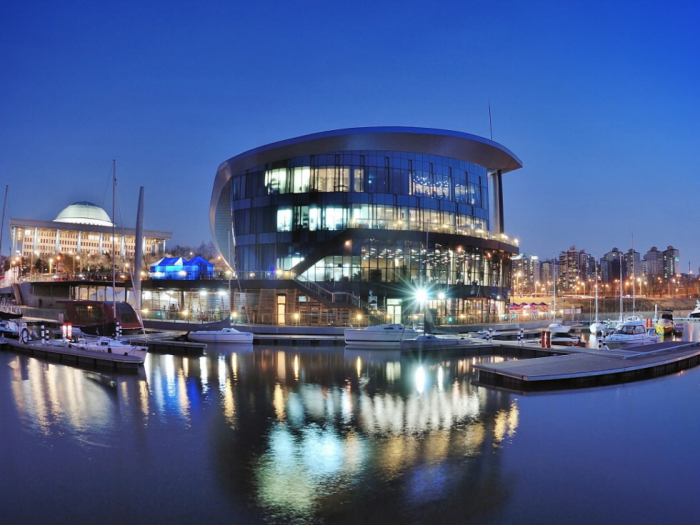
Located right behind the National Assembly of the Republic of Korea, this marina facility has a rather unique scenery that one cannot easily find in Korea, thanks to the view of the Hangang River and the yachts moored at the marina. Professionals operate the yachts here, so safety is guaranteed. Yacht rides here are popular because one can enjoy a sailing experience in the city center. Another draw of the yacht rides here is the scenery of Seoul, especially at night.
Mangwon Hangang Park (한강시민공원 망원지구 (망원한강공원))
11.4Km 2025-10-23
467 Maponaru-gil, Mapo-gu, Seoul
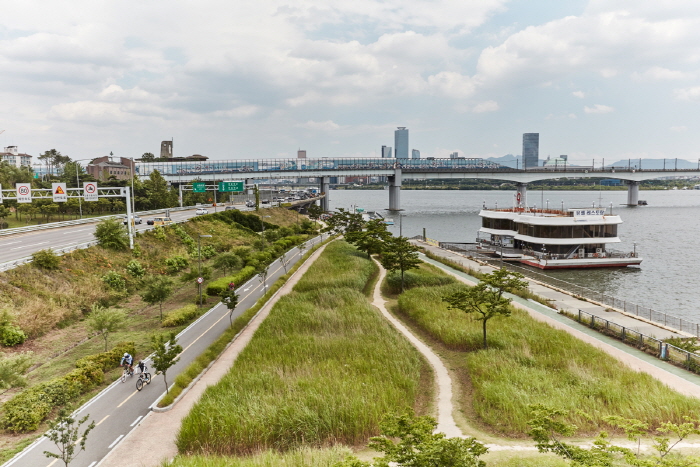
Near Mapo-gu, Mangwon Hangang Park is situated on the northern part of the river, between Wonhyodaegyo Bridge and Seongsandaegyo Bridge. It offers lush grass perfect for picnics and promenades. Since it’s located close to the World Cup Stadium, this spacious park is often full of residents and visitors. There is a wide array of excellent amenities: a bike trail, an outdoor swimming pool, sports facilities, and a dock for water sports such as yachting, waterskiing, and motor boating. Cultural attractions near the park include Mangwon Pavilion and Jeoldusan Martyrs’ Shrine.
Charlotte Theater (샤롯데씨어터)
11.4Km 2024-03-20
240 Olympic-ro, Songpa-gu, Seoul
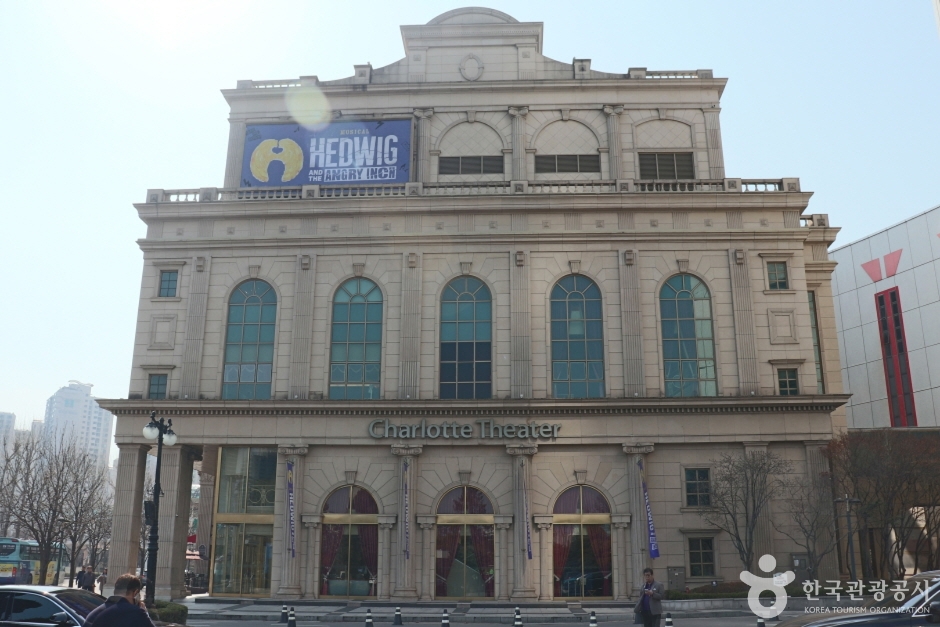
The Charlotte Theater, located near Lotte Tower in Jamsil, features an elegant and luxurious interior and exterior reminiscent of medieval Europe, providing a sophisticated setting for musical performances. With a short distance between the stage and the audience, spectators can vividly experience the actors' performances up close. It hosts productions such as The Phantom of the Opera and Jekyll & Hyde.
KidZania Seoul (키자니아 서울)
11.4Km 2024-03-13
240, Olympic-ro, Songpa-gu, Seoul
+82-1544-5110
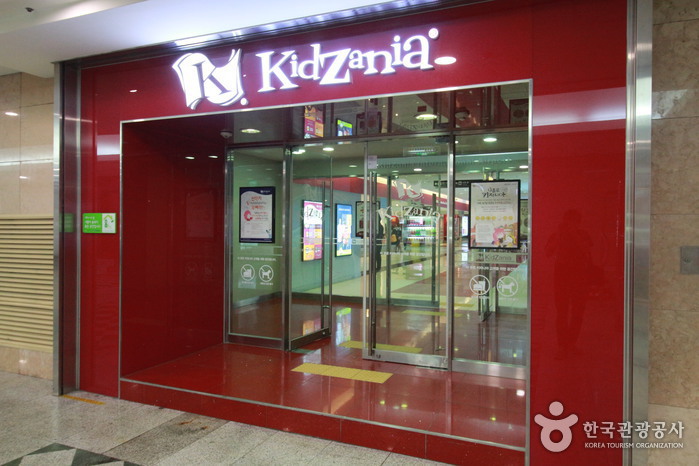
KidZania is a theme park organized around the idea of vocational experience for children. It is home to a variety of facilities where one can experience different career paths, all located on a scale model of a city. Visitors can learn what it is like to work as a firefighter, doctor, cook, member of the police force, reporter, and more.
Seoul Miz Hospital (서울미즈병원)
11.4Km 2025-10-23
1041 Cheonho-daero, Gangdong-gu, Seoul
Seoul Miz Hospital is a women’s specialized hospital located in Gangdong-gu, Seoul. It provides medical services in obstetrics and gynecology, breast and thyroid surgery, internal medicine, dermatology and plastic surgery, and pediatrics, while also operating a health promotion center. With its newly expanded building, the hospital has established an International Medical Center to support the treatment of foreign patients.
 English
 한국어
한국어 日本語
日本語 中文(简体)
 Deutsch
 Français
 Español
 Русский


