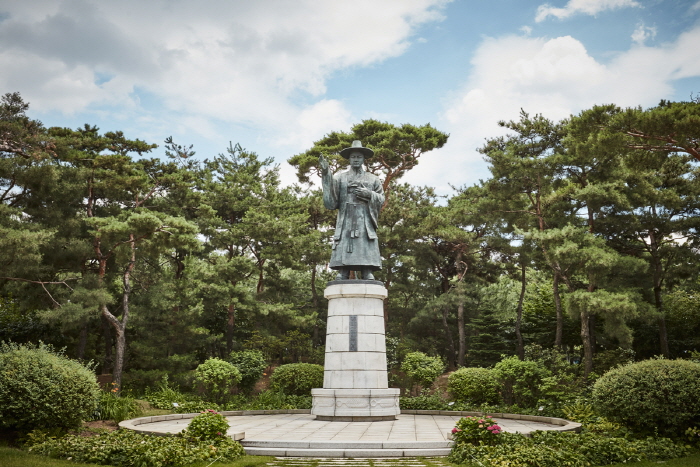
Jeoldusan Martyrs' Shrine (절두산순교성지)
9.9Km 2024-03-12
6 Tojeong-ro, Mapo-gu, Seoul
+82-2-3142-4434
Jeoldusan Martyrs' Shrine is the site where many Catholic believers were executed in 1866 due to persecution. In commemoration of the 100th anniversary of the martyrdom, the Korean Catholic Church opened the Memorial Hall in October 1967, exhibiting materials, relics, and souvenirs related to the Korean Catholic Church and operating a museum. Pope Johannes Paulus II visited the site in 1984, and Mother Teresa visited in 1985.
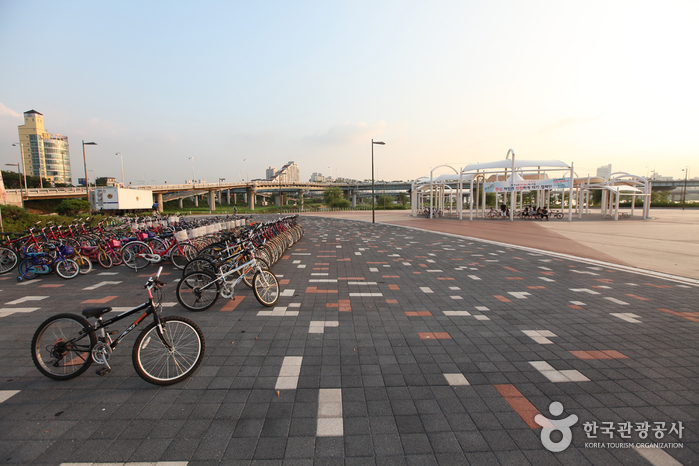
Gwangnaru Hangang Park (광나루한강공원)
9.9Km 2021-12-25
83-66, Seonsa-ro, Gangdong-gu, Seoul
+82-2-3780-0501
Hangang Citizen's Park, composed of 12 areas including Jamsil, Ttukseom and Jamwon, is an eco-friendly park providing areas for sports and leisure. The park is equipped with various cultural and recreational facilities and also has an ecological park. Gwangnaru Hangang Park formed naturally through rich silt that flowed in from the upper Hangang River that was then filled with reeds, creating an ideal habitat for groups of migratory birds.
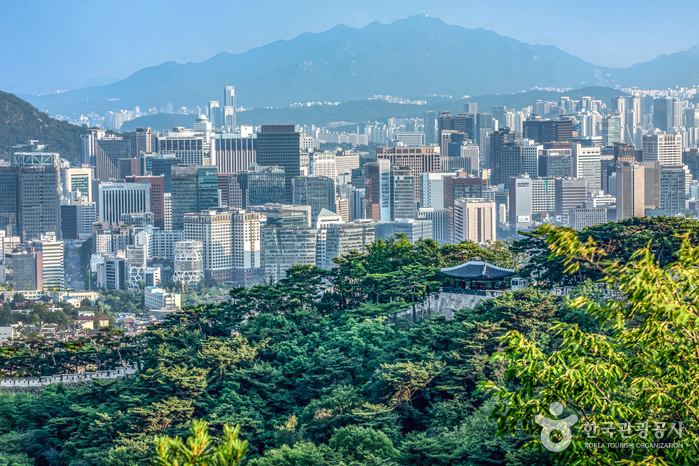
Bugak Skyway Palgakjeong Pavilion (북악스카이 팔각정)
9.9Km 2024-12-31
267 Bugaksan-ro, Jongno-gu, Seoul
Bugak Skyway Palgakjeong Pavilion exudes a tranquil, serene beauty regardless of the season. The pavilion, which sits on Bugaksan's 1,652,900 square meter summit at an altitude of 345 meters, was built in a traditional Korean-style and became a popular attraction within the city. There are also spaces for visitors to enjoy food and drinks.
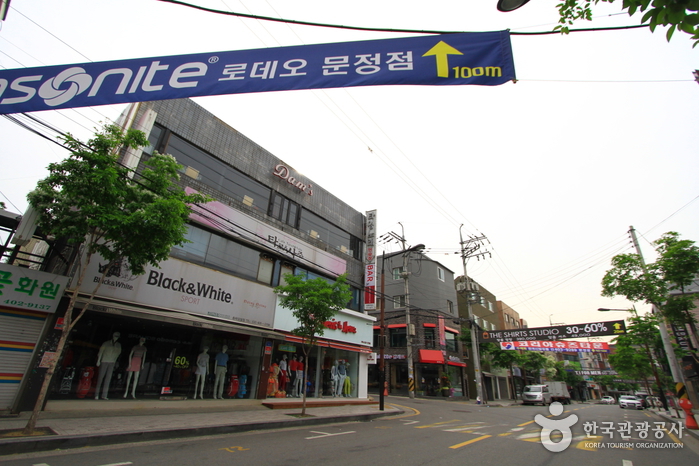
Munjeong-dong Rodeo Street (문정동 로데오거리)
9.9Km 2025-03-29
10, Dongnam-ro 4-gil, Songpa-gu, Seoul
+82-2-400-1633
Munjeong-dong Rodeo Street is a large shopping district containing over 200 brand-name discount stores. The street is T-shaped, with a 1-kilometer-long main street connected to a 400-meter-long alley, and the Munjeong 1-dong Resident Center located at the center. For shoppers’ convenience, there is a public parking lot (if visitors purchase goods at Rodeo Street, they can park here for free) and a parking lot for foreign tourists only (free of charge). Munjeong-dong Rodeo Street is one of Korea’s major shopping streets with customers ranging from teenagers to adults, since discount stores stocking sports wear, casual wear, shoes, men’s and ladies’ suits, and golf wear are all located on this street. Moreover, this is a great place to find deals on famous brands, at prices lower than at a department store. On some items you can get discounts of up to 70-80%.
Since most of the goods are stock from previous seasons, it might be better to purchase the more classic styles rather than the trendy fashions. In some cases, the goods might have been slightly crumpled or stained during the transfer from warehouse storage, but taking them to the dry-cleaners should fix most problems. However you should be careful when looking at the sewing quality, and check for missing buttons.
One more thing to bear in mind is the shopping season. Even discount stores have periods when stock runs low. The best time to shop is immediately after the stores in Rodeo Street restock their merchandise. This is done at about the same time as department stores. There is also an enormous variety of goods to choose from during the Rodeo Festivals in May and September. The purchased goods are exchangeable but non-refundable, so check the quality of the products carefully before purchasing.
In addition, Munjeong-dong Rodeo Street has a wide selection of restaurants and entertainment facilities. There are a number of pizza places, coffee shops, and food courts, as well as internet cafes and game rooms in the alleys behind the stores. Visitors can also relax in the surrounding parks. There’s a park with a 600-year-old zelkova tree right behind the Munjeong 1-dong Resident Center.
Munjeong Rodeo Street is not just a shopping district; it’s a cultural area. The ‘Munjeong-dong Cultural Festival’ takes place every year in May, and the ‘Munjeong-dong Rodeo Festival’ takes place in May every other year. During these festivals, visitors can watch traditional Korean performances, traditional wedding ceremonies, international fashion parades, hip-hop dancing, and more.
A charity sale is held on weekends and national holidays on the open-air stage of the Munjeong 1-dong Resident Center, and merchandise is sold for even bigger discounts.
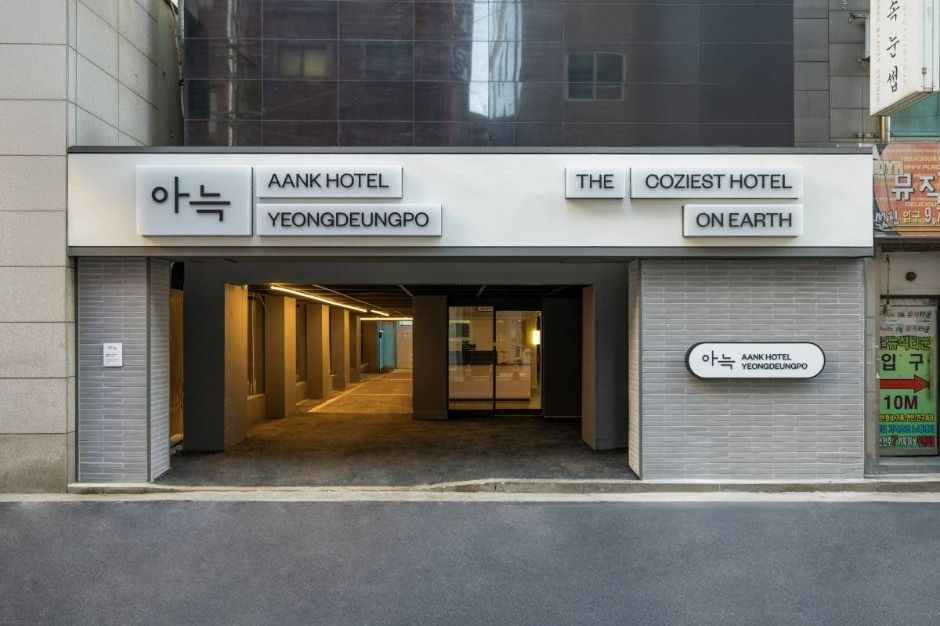
Aank Hotel Yeongdeungpo (아늑호텔 영등포점)
9.9Km 2025-04-24
10 Yeongjung-ro 10-gil, Yeongdeungpo-gu, Seoul
Located within 5 minute's walking distance from Yeongdeungpo Station, Aank Hotel Yeongdeungpo has major attractions like Times Square and Yeongdeungpo Market in the vicnity. The hotel lobby has a coffee machine, ice dispenser, and water dispenser for guests' convenience. Equipped with a variety of room types, guests can enjoy both comfort and entertainment at Aank Hotel Yeongdeungpo.
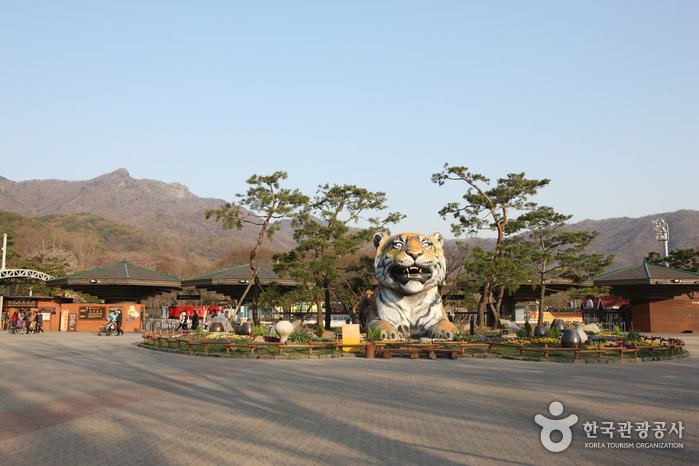
Seoul Grand Park (서울대공원)
10.0Km 2023-03-17
102, Daegongwongwangjang-ro, Gwacheon-si, Gyeonggi-do
+82-2-500-7335
Seoul Grand Park is a family-friendly amusement park consisting of various themed facilities that promote the growth and preservation of diverse animals and plants.
[Seoul Zoo]
Seoul Zoo aims to provide an ideal environment for animals to grow and live as well as exhibit, preserve, and research rare animals and educate the public. As a result of the zoo's hard work and efforts, it is the only zoo in Korea to be certified as a member of both ISIS and IUDZG-WZO.
[Botanical Garden]
Seoul Grand Park's Botanical Garden was opened in 1985 amidst the lush forest situated at the foot of Cheonggyesan Mountain. The garden consists of a greenhouse, exhibition facilities, and themed gardens that boast a collection of over 41,000 plants from 1,262 different species. The greenhouse preserves and exhibits tropical and subtropical plants that are not found in Korea. Moreover, the Botanical Garden offers various activities and experience programs related to plants and forests.
[Theme Garden]
The Theme Garden is one of the most representative facilities of Seoul Grand Park. The Theme Garden consists of a Rose Garden and Children's Zoo. Seasonal plants and flowers as well as diverse themed garden programs are offered.
[Healing Place]
The Healing Place is a forest formed at the foothills of Cheonggyesan Mountain that surrounds the border of Seoul Grand Park. Main facilities consist of Healing Forest Walkway; Water, Wind & Sunshine Healing Zone; Barefoot Road; Aroma Garden; and Forest Plaza.
[Healing Forest Walkway]
Healing Forest Walkway is a walking path lined by diverse trees that form a lush forest serving as a habitat for small animals like squirrels, rabbits, raccoons, and more. The walking path is approximately 8 kilometers long and divided into four sections. The shortest course takes approximately 30 minutes to complete, while the full course requires 3 hours.
[Campsite]
The campsite within the Seoul Grand Park is the perfect place to camp out, hold picnics and enjoy recreational activities with friends and families. The main facilities consist of a campsite, volleyball court, basketball court, snack bar, and shower facilities. The campsite is open from March to November, except in the case of harsh weather conditions.

Seoul Miz Hospital (서울미즈병원)
10.0Km 2025-10-23
1041 Cheonho-daero, Gangdong-gu, Seoul
Seoul Miz Hospital is a women’s specialized hospital located in Gangdong-gu, Seoul. It provides medical services in obstetrics and gynecology, breast and thyroid surgery, internal medicine, dermatology and plastic surgery, and pediatrics, while also operating a health promotion center. With its newly expanded building, the hospital has established an International Medical Center to support the treatment of foreign patients.
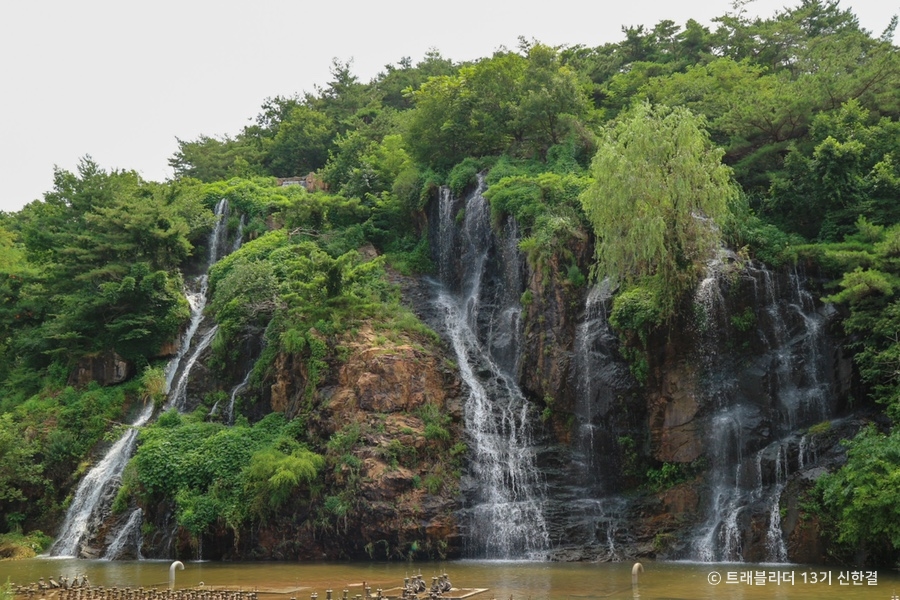
Hongjecheon Artificial Waterfall (홍제폭포)
10.1Km 2024-11-07
Yeonhui-dong, Seodaemun-gu, Seoul
Hongjecheon Artificial Waterfall is located along Hongjecheon Stream in Seodaemun-gu, Seoul. The waterfall was built in 2011 and is 25 meters tall and 60 meters wide. Despite being a man-made waterfall, the design and construction were so well-done that many find it hard to believe it wasn't a naturally formed waterfall. The area around the waterfall features various places for citizens and visitors to relax, while there are many cafes and cultural spaces in the area to make a visit more enjoyable.
![Volvik [Tax Refund Shop] (볼빅)](http://tong.visitkorea.or.kr/cms/resource/57/3314557_image2_1.jpg)
![Uireung Royal Tomb [UNESCO World Heritage] (서울 의릉(경종, 선의왕후) [유네스코 세계문화유산])](http://tong.visitkorea.or.kr/cms/resource/80/2690680_image2_1.jpg)
Uireung Royal Tomb [UNESCO World Heritage] (서울 의릉(경종, 선의왕후) [유네스코 세계문화유산])
10.2Km 2021-06-03
146-20, Hwarang-ro 32-gil, Seongbuk-gu, Seoul
+82-2-964-0579
Uireung is the royal tomb of King Gyeongjong (reign 1720-1724), the 20th ruler of the Joseon dynasty, and his second wife, Queen Seonui.
King Gyeongjong was the first son of King Sukjong and Janghuibin, who was one of King Sukjong’s concubines. King Gyeongjong, who was born weak and anemic, died four years after becoming the king, without any great political achievements. Uireung tombs differ from the other royal double tombs in that they are not placed side-by-side. Instead, according to geomantic theory, one tomb has been placed directly behind the other one. The arrangement also shows that when making tombs, Korean ancestors did their best to protect the natural environment. Another feature of Uireung Royal Tomb is the stone fence raised using twelve stone posts. Each post has a letter inscribed, representing one of the twelve sibijisin gods.
 English
 한국어
한국어 日本語
日本語 中文(简体)
 Deutsch
 Français
 Español
 Русский


