Seoul Museum of History (서울역사박물관)
7.2Km 2025-01-17
55 Saemunan-ro, Jongno-gu, Seoul
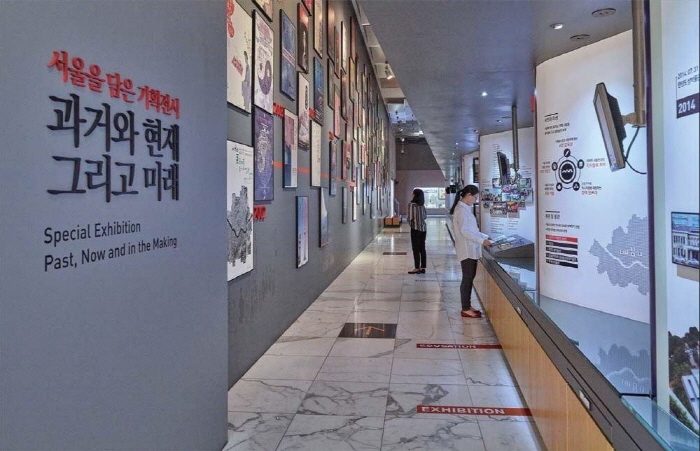
Seoul Museum of History covers everything about Seoul's history and culture from the prehistoric era to modern times, focusing especially on the Joseon era. The museum aims to raise cultural awareness and build a strong bond within the community by collecting, preserving, researching, and displaying artifacts and materials related to Seoul as well as promoting the city's history and culture to an international audience.
E-Land Cruise (Hangang River Ferry Cruise) (이랜드크루즈 (한강유람선))
7.2Km 2024-10-31
(Nodeulnaru Park), 290, Yeouidong-ro, Yeongdeungpo-gu, Seoul
+82-2-6291-6900
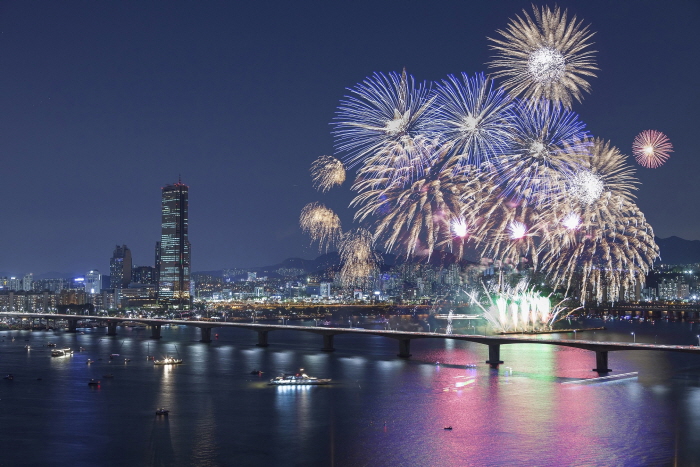
The E-Land Cruise cuts across the Hangang River along the east-west axis. It connects two terminals, one in Yeouido and the other in Jamsil. The company offers a number of different programs, such as the Han River Tour Cruise, a daytime cruise that takes one along the views of Hangang River, and the Moonlight Music Cruise, which offers a beautiful view of Seoul at night with jazz music. One can also enjoy buffet lunch and dinners on the ship.
Matthew Chang Anguk (메튜장 안국)
7.2Km 2025-07-14
33 Yulgok-ro, Jongno-gu, Seoul
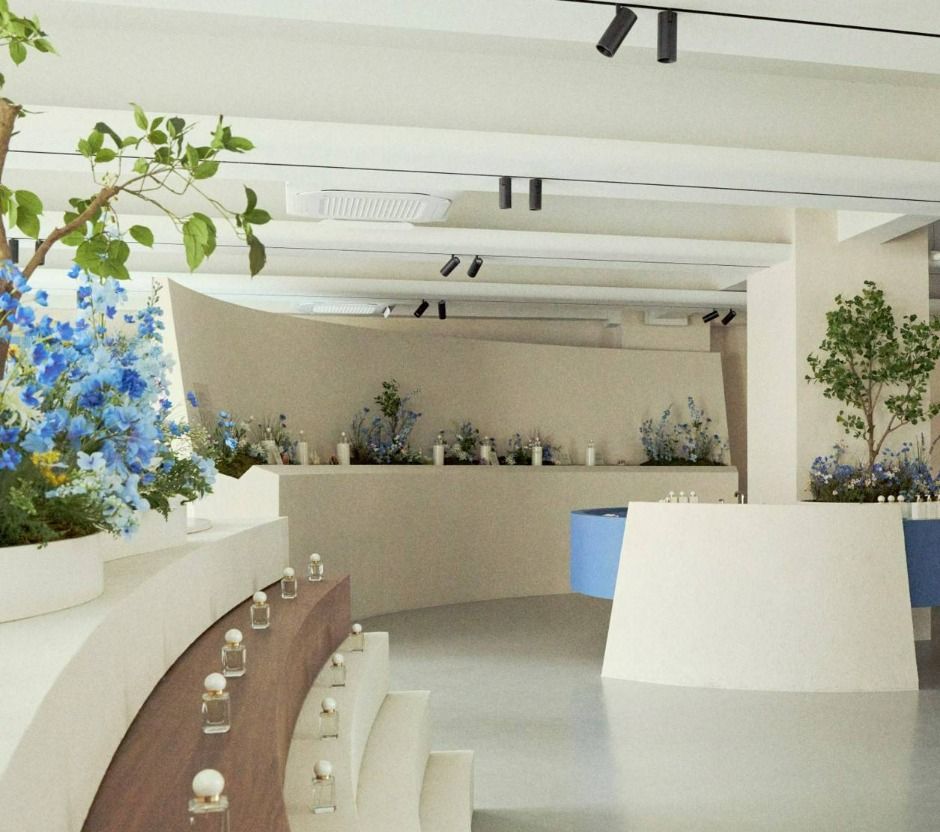
Matthew Chang Anguk flagship store uses the whole space to bring the brand's philosophy to life through fragrance. Located in Anguk, the heart of Korea's tradition and aesthetics, the store's tranquil atmosphere sets the mood for visitors to try on and experiment with the brand's carefully selected perfume collection. The staff provides assistance in recommending the perfect scent according to visitor's preference, mood, and nostalgia. The store also has a section dedicated to body care products, such as hand wash and body lotion.

Seoul Museum of Craft Art (SeMoCA) (서울공예박물관)
7.2Km 2025-06-19
4 Yulgok-ro 3-gil, Jongno-gu, Seoul
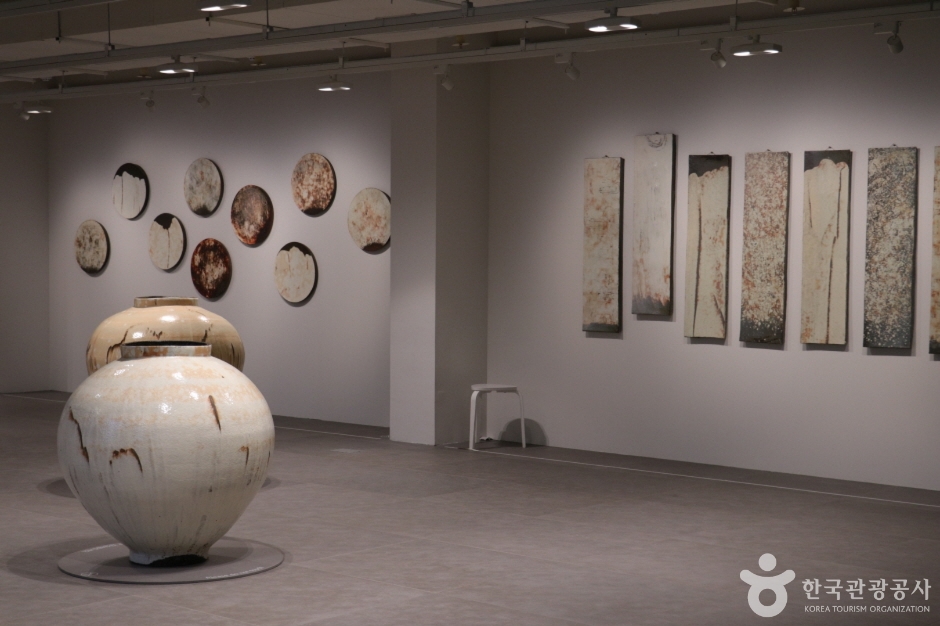
The Seoul Museum of Craft Art (SeMoCA), the first public museum of craft art in Korea, opened its doors in Anguk-dong, Jongno-gu, in July 2021 after renovating five buildings of the former Pungmoon Girls’ High School. SeMoCA studies and shares not only works, but also information, records, people, and environment related to craft art with the goal of becoming a dynamic platform for experiencing the technical, practical, artistic, and cultural values of craft.
SeMoCA holds a collection that comprises various crafts and craft materials covering multiple fields and eras from the traditional to the present. SeMoCA also holds exhibitions that feature the history of craft from traditional to contemporary art as well as local and children’s crafts, along with programs that utilize the museum’s craft installations, craft archives, craft library, and craft resource management system.
The site of the museum has deep historical roots as it is also the Andong Secondary Palace Site, where a detached palace was constructed as a royal residence for King Sejong’s son Prince Yeongeung, and served as a venue for royal celebrations, such as the wedding of King Sunjong. The site is also at the center of Jongno-gu, where Joseon-era master artisans (“gyeonggongjang”) of the royal palace produced and delivered craft works.
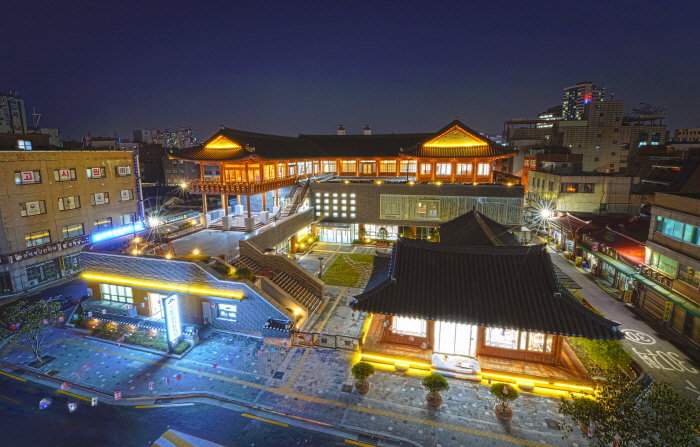
Seoul Yangnyeongsi Herb Medicine Museum (서울약령시 한의약박물관)
7.2Km 2023-04-06
26, Yangnyeongjungang-ro, Dongdaemun-gu, Seoul
+82-2-969-9241
Seoul Yangnyeongsi Herb Medicine Museum opened in September 2006 on the grounds of Bojewon, a medical institution for the poor that was in operation during the Joseon dynasty. The museum was established with the goal of preserving and developing Korea’s herb medicine culture. In October 2017, the museum moved to the second floor of the Seoul K-Medi Center. The center provides both information and hands-on programs.
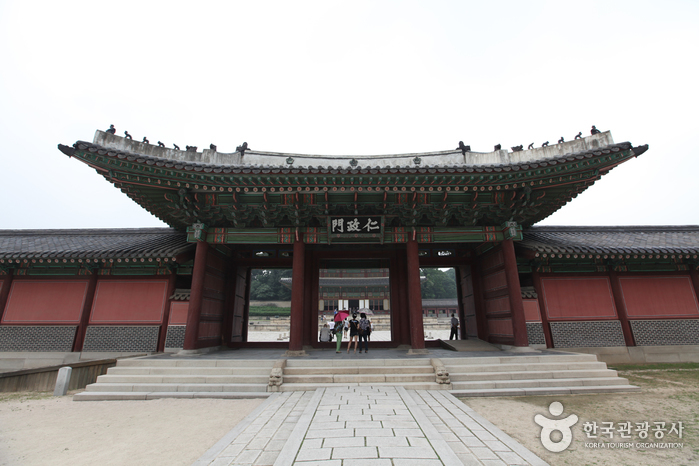
Changdeokgung Injeongmun Gate (창덕궁 인정문)
7.2Km 2025-01-14
99, Yulgok-ro, Jongno-gu, Seoul
+82-2-3668-2300
Serving as the main gate of Injeongjeon Hall, Injeongmun Gate was established in 1405 (5th year of King Taejo’s reign during the Joseon dynasty). Later on, the gate was destroyed by multiple fires during the Imjin War (Japanese invasion of Korea in 1592), therefore current form of the establishment displays designs that are more often seen in the late 19th century's. In addition, a lot
of subsidary marks and buildings are removed from the original places and relocated passing the time, however, still remains to represent prestigious ambience.
Injeongmun Gate served as the place for several coronation ceremonies of kings, prince's succession of throne, and many other national affairs celebrated by the royal members who gathered and aligned around this gate.
Seoul K-Medi Center (서울한방진흥센터)
7.2Km 2025-10-23
26 Yangnyeongjungang-ro, Dongdaemun-gu, Seoul
Seoul Yangnyeongsi Market is an herbal medicine specialty market that distributes 70% of the herbal medicines traded in Korea and is a Korean medicine-themed town with over a thousand businesses related to oriental medicine, including oriental medicine clinics and herbal medicine stores. The Seoul K-Medi Center, located in this center of Korean herbal medicine culture, is an oriental medicine complex cultural facility that promotes the excellence and safety of traditional Korean medicine through various exhibitions, education, and experiences. The building is unique in that it harmonizes the simplicity of modern architecture with Korean elegance. Visitors can enjoy various experiences in many different facilities in the center, including the Herb Medicine Museum, where one can expand their understanding of Korean medicine by examining over 300 types of medicinal herbs and their effects; the Herb Medicine Experience Room, where visitors can experience herbal medicine natural face packs and herbal heat packs; and Yakseon Food Experience Center, where visitors can learn about healthy recipes using medicinal herbs and make healthy foods.
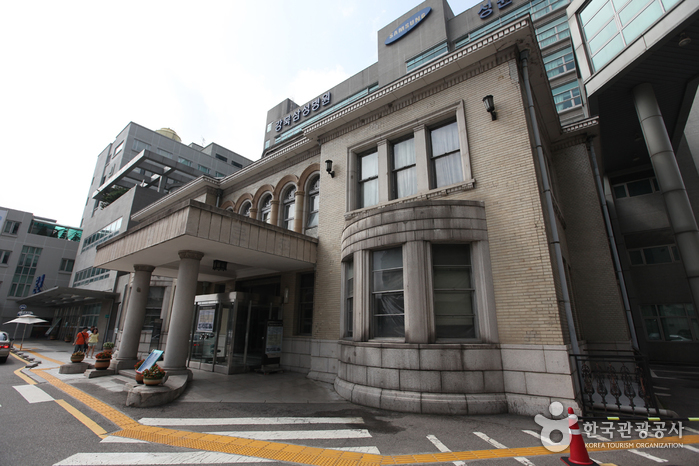
Seoul Gyeonggyojang House (서울 경교장)
7.2Km 2021-09-15
29, Saemunan-ro, Jongno-gu, Seoul
+82-2-735-2038
Gyeonggyojang House, a designated Historic Site, was the location of the provisional government and the place where Baekbeom Kim Koo passed away. Seoul reproduced the historical site, Gyeonggyojang House, to use the area as an educational site. Also, the house exhibits the history of the provisional government in order to see the history more clearly.
Restoration work included the demolition of the interior that was changed when the building was turned into a hospital facility and embassy after Kim Koo passed away in 1949. During the work, the remaining parts were maintained with the utmost care. Reconstructed parts were based on the building's floor plan written in Chosun and Architecture (8th edition in 1938). Visitors can see various contents related to the Korean Provisional Government history through relics, video, and information searching corners.
 English
 한국어
한국어 日本語
日本語 中文(简体)
 Deutsch
 Français
 Español
 Русский


