Supsok Hanbang Land (숲속한방랜드)
8.7Km 2024-03-18
75-7 Bongwonsa-gil, Seodaemun-gu, Seoul
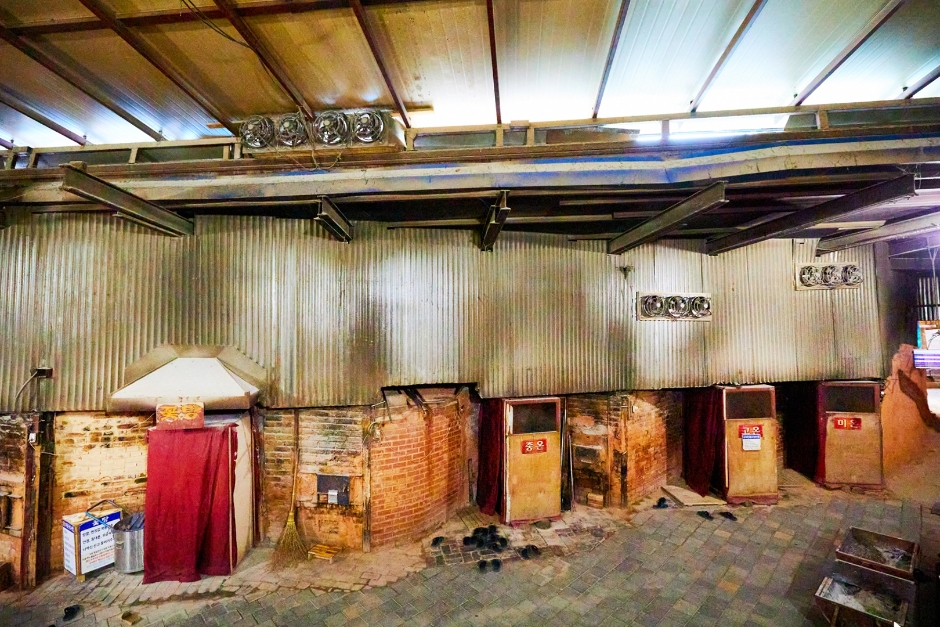
Jjimjjilbang, a Korean-style sauna that combines a traditional bathhouse with a hot steam room, is often ranked high among the unique experiences in Korea chosen by foreigners. Taking a steam bath in a charcoal kiln discharges waste products from the skin through sweat and eliminates accumulated fatigue. Supsok Hanbang Land has several charcoal kilns for different temperatures. Using them in order from low to high-temperature rooms is good, but the highest-temperature room, “Kkottang,” has a risk of causing skinburn, so visitors are advised to wear socks and cotton gloves to enter the room. Another unique experience is to grill sweet potatoes or rice cakes on the brazier in front of the charcoal kiln.

Yeouido Park (여의도공원)
8.8Km 2024-04-08
68, Yeouigongwon-ro, Yeongdeungpo-gu, Seoul
Yeouido Park is a large recreational area located on Yeouido Island in the central part of Seoul. It was once originally covered with black asphalt, and people frequented the place for bicycling and roller-skating. The construction began in 1997 and opened officially in February 1999. It is now the place where many people in the city come to rest and enjoy strolling around, playing sports, and cultural events.
Bongwonsa Temple (봉원사)
8.8Km 2023-03-13
120, Bongwonsa-gil, Seodaemun-gu, Seoul
+82-2-392-3007
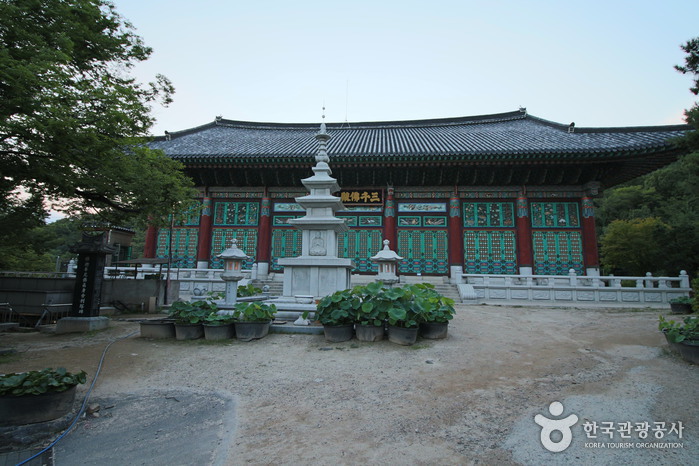
Located on the outskirts of Ansan Mountain in Bongwon-dong, Seodaemun-gu, Seoul, Bongwonsa Temple, as the center of Korean Buddhism Taego, is a thousand-year-old temple with a long history and tradition. In 889 (3rd year of Shilla Queen Jinseong’s reign), Monk Doseon founded it at the ground of Yeonhui Palace (now Yonsei Univ.) and named it Banyasa temple. It was destroyed during the Imjin War in 1592, and later in 1748 (the 24th year of Joseon King Yeongjo’s reign), it was rebuilt and renamed “Bongwonsa” by two Buddhist monks, Chanjeup and Jeungam.
“Yeongsanjae,” one of the Buddhist rituals and also a National Intangible Cultural Property, takes place at Bongwonsa on June 6 every year wishing for world peace and the reunification of North and South Korea. It was designated as one of the Intangible Cultural Heritage of Humanity by UNESCO in 2009. During Yeongsanjae, visitors can enjoy the Buddhist arts such as Beompae (Buddhist temple music for rituals) and dancing. Also, during summertime, Seoul Lotus Flower Culture Festival takes place, where visitors can enjoy the beautiful lotus flowers which are a symbol of Buddhism.
Seongbuk-dong–Bukchon Hanok Village Course (성북동고택북촌산책길)
8.8Km 2025-11-06
68, Seonjam-ro 5-gil, Seongbuk-gu, Seoul
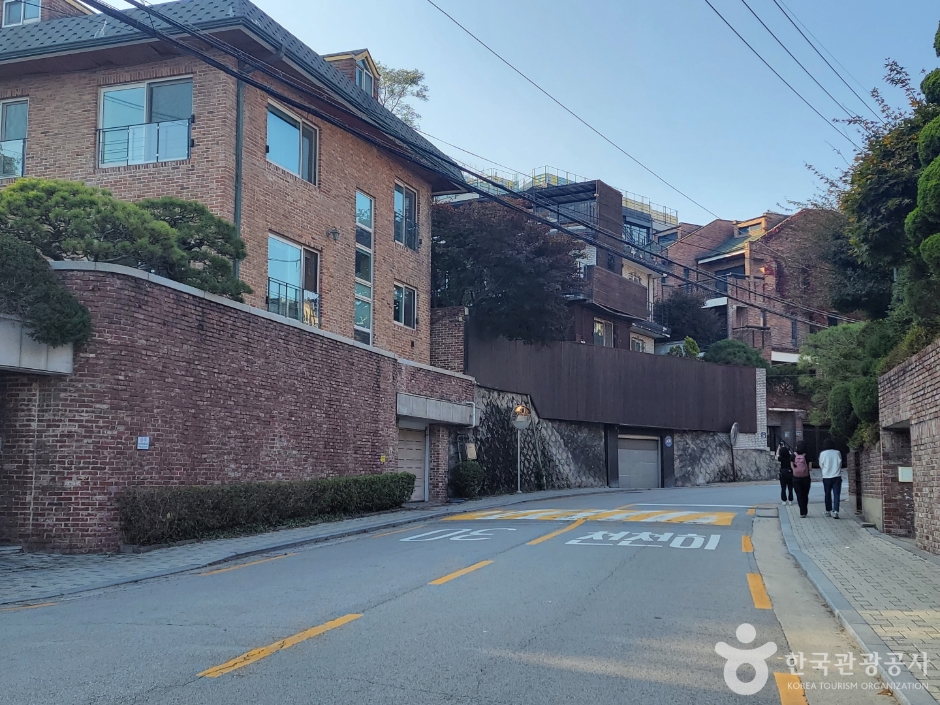
The Seongbuk-dong–Bukchon Hanok Village Course is a nostalgic path connecting famous old houses in Seongbuk-dong and Bukchon Hanok Village, divided by the old city walls. Along the way, you'll find historic sites like Gilsangsa Temple, Jeongbeopsa Temple, Han Yong-un’s Simujang House, and novelist Lee Tae-jun's House. The trail also features charming cultural spots, such as the traditional tea house Sooyeon Sanbang and the Seongbuk Museum of Art.
◎ Travel information to meet Hallyu’s charm - "Parasite"
The scene in the alley where Ki-woo visited Mr. Park's house in a wealthy neighborhood for expensive tutoring was filmed in a residential area in Seongbuk-dong. Seongbuk-dong, an old wealthy village, has luxury mansions lined up in. There are many pretty cafés and galleries here and there, so it's good to take a leisurely look around. Mr. Park's house was a filming set, which was demolished after filming.
Heungbu Bossam (흥부보쌈)
8.8Km 2024-10-15
15-13 Sillim-ro 59-gil, Gwanak-gu, Seoul
+82-2-888-9464
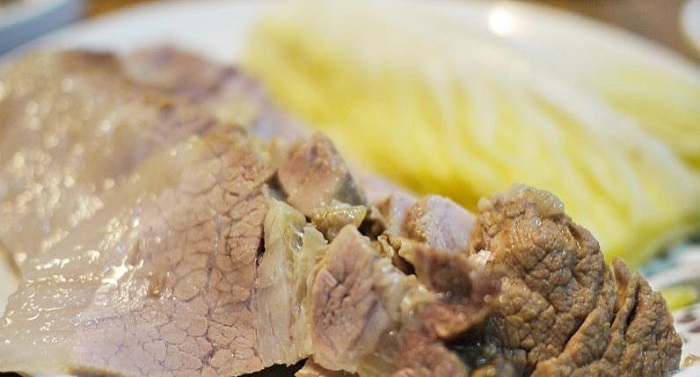
It's a great place to hold group dining and gathering. This Korean dishes restaurant is located in Gwanak-gu, Seoul. The most famous menu is kimchi cabbage wraps with pork.
Sooyeon Sanbang (수연산방)
8.8Km 2025-10-23
8 Seongbuk-ro 26-gil, Seongbuk-gu, Seoul
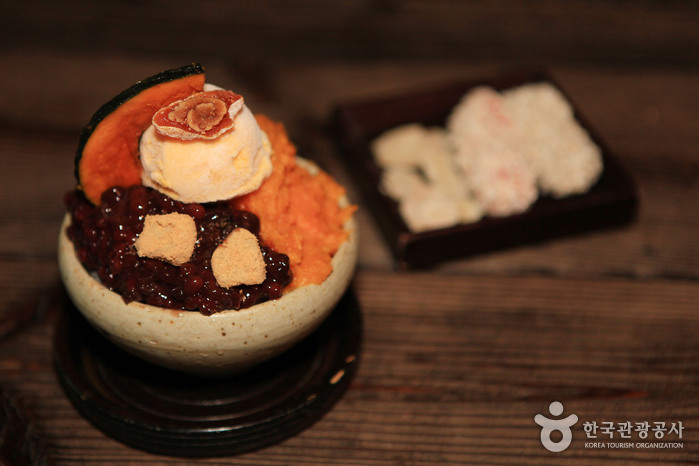
Sooyeon Sanbang is a traditional tea house located in Seongbuk-dong. It was originally built during the Japanese colonial period and was the hanok of the literary figure Lee Taejun. Today, it is operated as a tea house by the writer's granddaughter. The name Sooyeon Sanbang means "a house where literati gather in the mountains." Visitors can enjoy traditional teas such as daechucha (jujube tea) and ssanghwacha (medicinal herb tea), along with snacks like injeolmi (bean-powder-coated rice cake).
Seoul Sillim-dong Minsok Sundae Town (서울 신림동 민속순대타운)
8.8Km 2024-02-15
Seoul Sillim-dong Minsok Sundae Town (서울 신림동 민속순대타운)
Minsok Sundae Town is situated near Sillim Station, an area renowned for its abundance of sundae restaurants. Sundae, a quintessential Korean street food, is crafted by blending vegetables, glass noodles, seasoning, and pig's blood, which is then encased in pig intestines and steamed. The flagship menu, sundae bokkeum (stir-fried sundae), involves slicing sundae and stir-frying it with an array of vegetables, chili pepper powder, red chili paste, and other seasonings on a griddle. In addition to the classic, there are variations like baek sundae (sundae), chapssal sundae (sweet rice sundae), and gopchang bokkeum (stir-fried small intestines).
![SYSMAX [Tax Refund Shop] (시스막스)](http://tong.visitkorea.or.kr/cms/resource/80/3313980_image2_1.jpeg)
![MC [Tax Refund Shop] (엠씨)](http://tong.visitkorea.or.kr/cms/resource/90/3313190_image2_1.jpeg)
![Johanex [Tax Refund Shop] (요하넥스)](http://tong.visitkorea.or.kr/cms/resource/80/3312880_image2_1.jpeg)
 English
 한국어
한국어 日本語
日本語 中文(简体)
 Deutsch
 Français
 Español
 Русский


