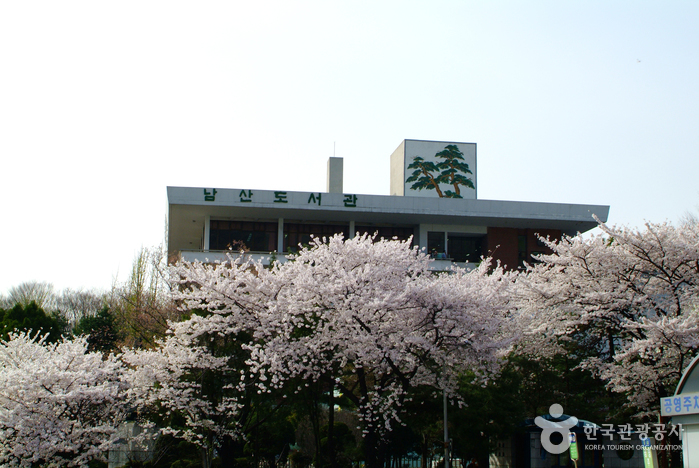
Namsan Library (서울특별시교육청 남산도서관)
3.5Km 2021-07-07
109, Sowol-ro, Yongsan-gu, Seoul
Namsan Library opened as Kyeongseong Prefectural Library in 1922 as a public library in Myeong-dong, Jung-gu, Seoul. The library was moved to the current site in 1964 with a newly built building and its name changed to Namsan Library in 1965. This concrete building was built in 1964 and was designed by architect Lee Haeseong. It was designated as Seoul Future Heritage in 2013, credited for its preservation value.
It is comprised of 19 rooms and educational areas including the Humanity and Social Science Hall, Nature Science Hall, Language and Literature Hall, Electronic Information Room and more. Since opening, the library has collected nearly 500,000 books, 16,000 non-book materials, 700 continuing resources, and other special materials like old books, oriental books (including Japanese books), and more. Namsan Library also operates a reading treatment program unique to this library that began in 2005. The program includes remodeling of reading consultation room, training for people in charge of reading treatment, workshops, programs for individuals and groups. Also, various exhibitions, lectures, shows, cultural classes and other events are available all year long to enhance lifelong education.
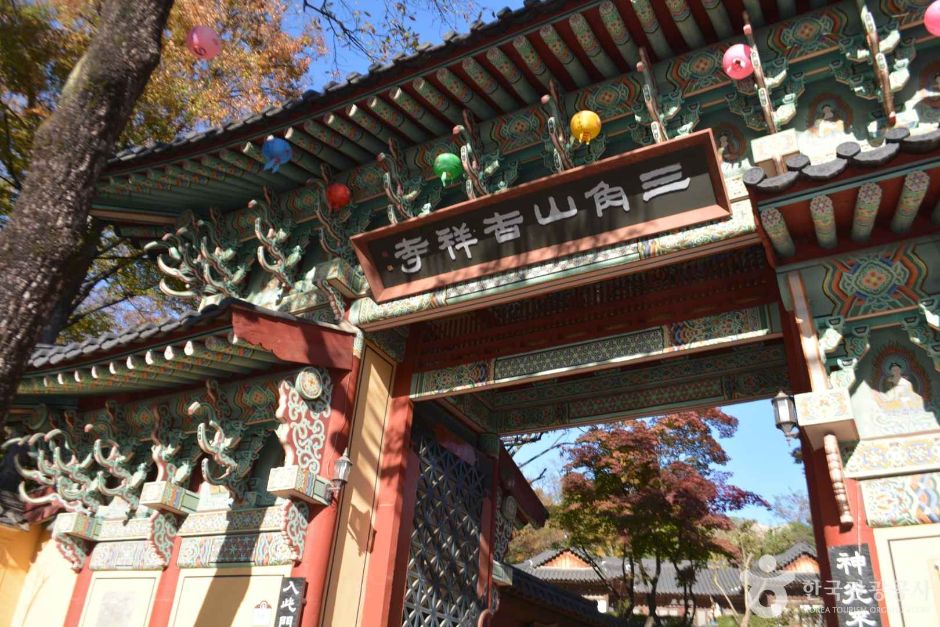
Gilsangsa Temple (Seoul) (길상사(서울))
3.5Km 2025-06-17
68 Seonjam-ro 5-gil, Seongbuk-gu, Seoul
Gilsangsa Temple is a prominent temple located in Seongbuk-dong, Seoul. The name Gilsangsa means "a favorable and auspicious temple." Visitors can experience temple, participate in Buddhist practices, and even enjoy Templestay programs on weekends. In fall, visitors can admire red spider lilies and wildflowers, immersing themselves in the beauty of nature and finding inner peace.
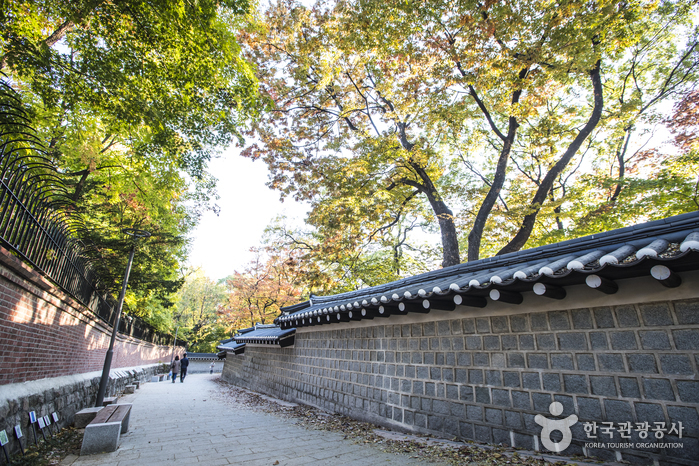
Deoksugung Stone Wall Path (덕수궁 돌담길)
3.6Km 2025-01-10
24 Sejong-daero 19-gil, Jung-gu, Seoul
The Deoksugung Stone Wall Path runs along the wall of Deoksugung Palace. It is beautifully lit and landscaped, giving it a romantic atmosphere even at night. There are street performances and flea markets, and the area boasts many famous cafes and restaurants along Jeongdong street. In autumn, the ginkgo trees and walls form a stunning scene. Close to major cultural facilities such as the Seoul Museum of Art and Seoul Museum of History, it attracts numerous visitors come for a stroll.
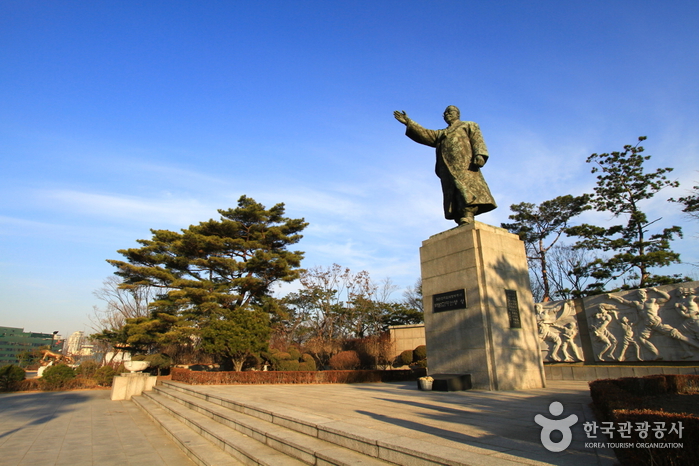
Baekbeom Kim Koo Statue (Baekbeom Plaza) (백범김구선생상(백범 광장))
3.6Km 2025-10-23
Hoehyeon-dong, Jung-gu, Seoul
Baekbeom Kim Koo Statue is located in Baekbeom Plaza in Namsan Park, Seoul. Erected in August 1969, the statue stands at a x_height of 10 meters. It commemorates the patriotic spirit of Kim Koo, who was both an independence activist and a politician in South Korea. During the Japanese colonial period, he actively participated in anti-Japanese movements, and after liberation, he played a leading role in the establishment of the government of the Republic of Korea.
Gwanghwamun Hanokjip (광화문한옥집)
3.6Km 2024-10-15
7, Saemunanro5ga-gil, Jongro-gu, Seoul
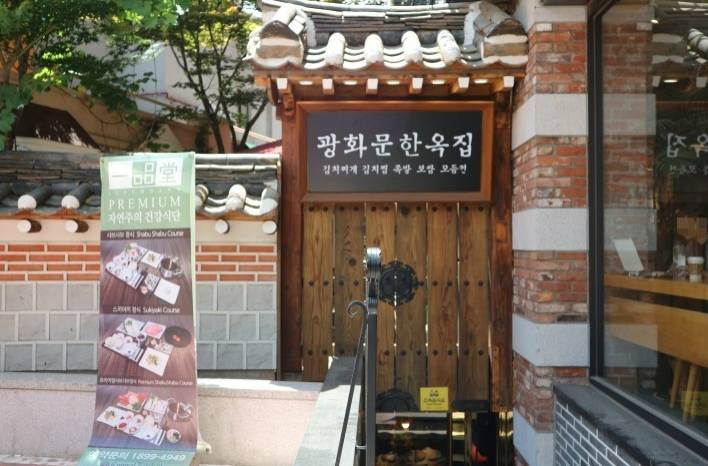
A store with rooms reproducing a traditional kitchen. The best menu at this restaurant is napa wraps with pork. This is a Korean cuisine located in Gwanghwamun Gate, Seoul.
Ahn Junggeun Memorial Museum (안중근의사기념관)
3.6Km 2024-03-06
91, Sowol-ro, Jung-gu, Seoul
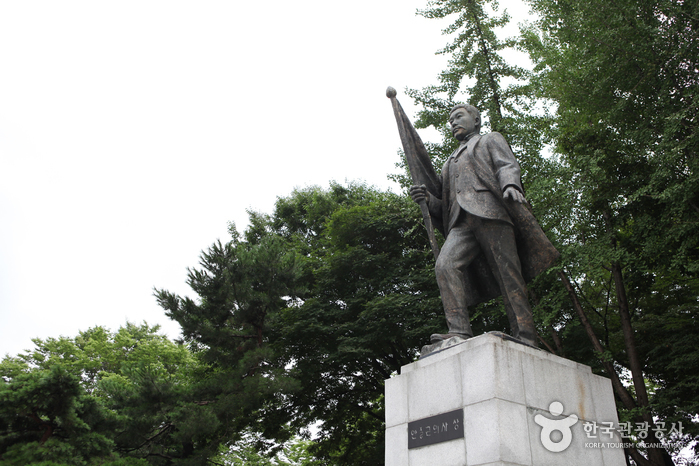
The Ahn Junggeun Memorial Museum honors the memory of Ahn Junggeun (1879-1910), an independence activist and soldier who advocated for Korean independence and peace in Asia. He fought against the Japanese to defend the Korean Empire (1897-1910). He was executed in 1910 for assassinating Hirobumi Ito, the Japanese who led the invasion of Korea in 1909, in Harbin, China.

Namsan Outdoor Botanical Garden (남산 야외식물원)
3.6Km 2022-12-16
323, Sowol-ro, Yongsan-gu, Seoul
Namsan Outdoor Botanical Garden opened its doors on February 18, 1997 in Hannam-dong, where the residential complex for foreigners once stood before it was demolished in 1994. Covering an area of around 59 ㎡, it is divided into 13 themed gardens with a total 117,132 plants from 269 species. Among this diversity, 60,912 plants from 129 species are tree types and 56,220 plants from 140 species are grass types.
Kumho Art Hall (금호아트홀)
3.7Km 2021-05-28
76, Saemunan-ro, Jongno-gu, Seoul
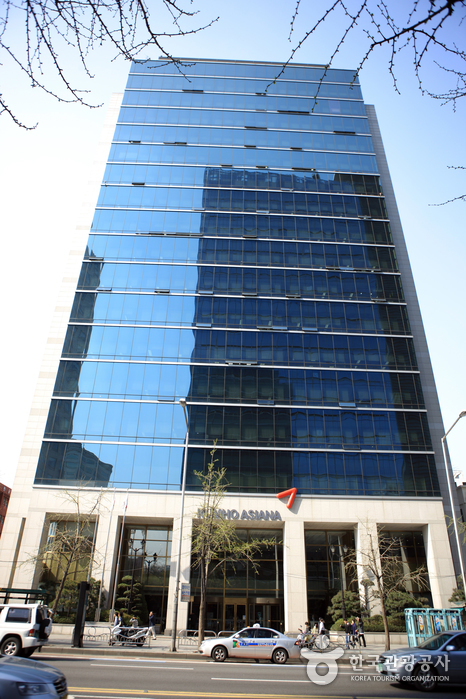
Kumho Art Hall was built in 2000 exclusively for classical music concerts, with 390 seats, the perfect structure for chamber concerts. All seats are recital hall chairs and the wide spacing between rows of chairs helps the audience to have a pleasant time. Upon entering the theater, all cell phones will turn off automatically. This helps all visitors to enjoy the concert without being interrupted by ringing cell phones. The interior is cozy and luxurious, and the stage is made of maple.
Jinju Hoegwan (진주회관)
3.7Km 2024-06-19
26 Sejong-daero 11-gil, Jung-gu, Seoul
Jinju Hoegwan is a renowned kongguksu (noodles in cold soybean soup) eatery near City Hall Station. Kongguksu is a traditional Korean summer dish made by boiling and grinding soybeans into a creamy broth, served with noodles, offering a refreshing and nutty flavor. Kongguksu is available from March to November. Their staff-recommended menu includes kimchi bokkeumbap (kimchi fried rice), freshly roasted by the staff, along with kimchi jjigae and samgyeopsal (pork belly).
Sungnyemun Gate (숭례문)
3.7Km 2024-11-27
40 Sejong-daero, Jung-gu, Seoul
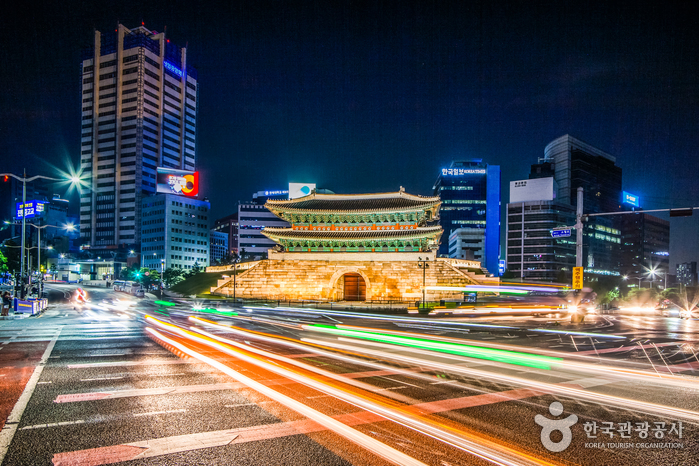
Sungnyemun Gate is Korea’s National Treasure No. 1, and its unofficial name is Namdaemun Gate. Sungnyemun Gate is the largest castle gate stone structure with an arched entrance in the middle. There’s a column on top of a platform, raising the roof, distinguishing the upper stories and lower stories of the building. Passageways for traffic are located at the east and west ends of the gate. Different from the other gates, Sungnyemun Gate’s tablet has its name written vertically.
On February 10, 2008, Sungnyemun was destroyed by fire. After a 5-year reconstruction work, the gate was re-opened to the public again on May 4, 2013.
 English
 한국어
한국어 日本語
日本語 中文(简体)
 Deutsch
 Français
 Español
 Русский


