![ABC-Mart - Hongdae Branch [Tax Refund Shop] (ABC마트 홍대점)](http://tong.visitkorea.or.kr/cms/resource/33/2890333_image2_1.jpg)
ABC-Mart - Hongdae Branch [Tax Refund Shop] (ABC마트 홍대점)
9.1Km 2024-04-23
17, Hongik-ro, Mapo-gu, Seoul
-
PKM Gallery (PKM갤러리)
9.1Km 2024-03-18
40 Samcheong-ro 7-gil, Jongno-gu, Seoul
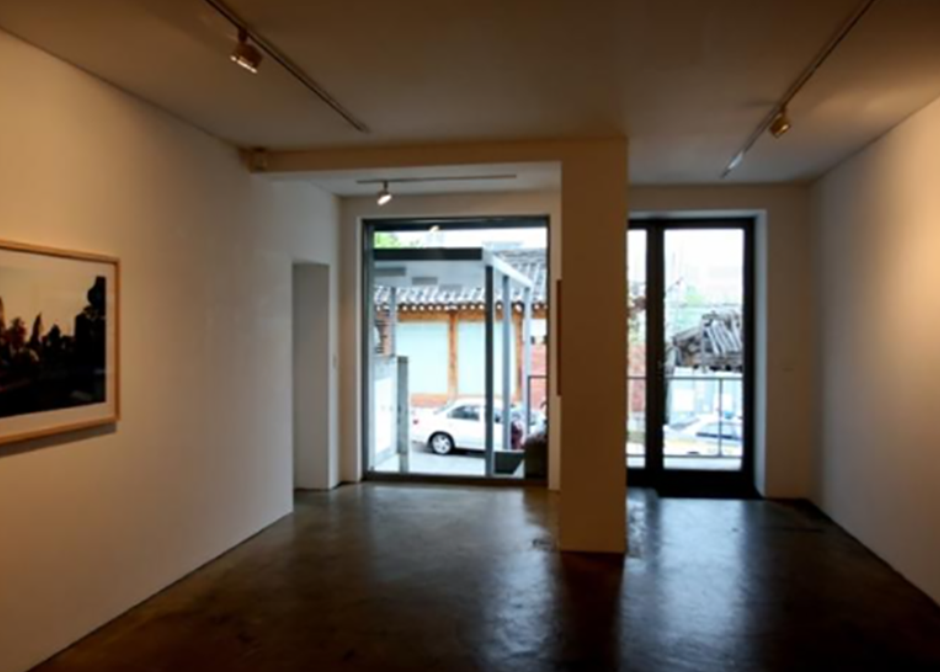
PKM Gallery, now providing 397 square meters of exhibition space, includes a main building with a maximum x_height of 5.5 meters comprising two upper stories and a two-story basement. PKM+, an annex built in 2018, has one upper story and a basement floor and is equipped with a boutique-like gallery space.
The gallery not only exhibits the works of leading figures in Korean contemporary art, but has also succeeded in introducing renowned international artists to the Korean audience. As an incubator for emerging young artists, PKM Gallery has been organizing exhibitions to encourage their growth as leading artists of the next generation. PKM gallery, the first among the Korean galleries invited to participate in the Frieze Art Fair in 2004, played a major role in advancing Korean contemporary art to the global art market.
Ttobogetji Tteokbokki (또보겠지 떡볶이)
9.1Km 2024-03-20
34-5, Jandari-ro 6-gil, Mapo-gu, Seoul
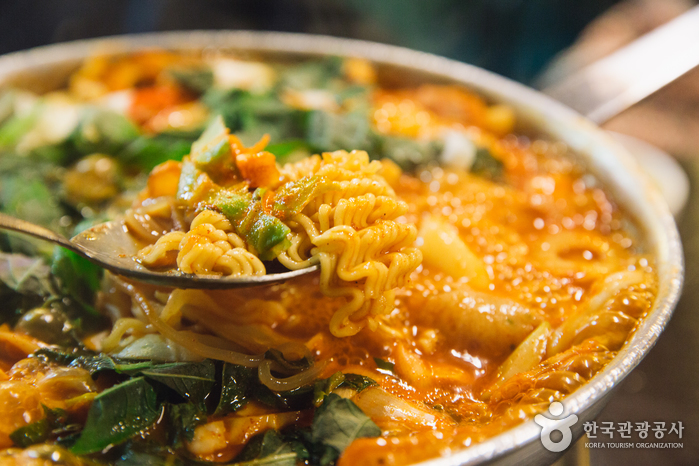
Also referred to as “Tto-tteok,” Ttobogetji Tteokbokki is a popular tteokbokki restaurant with many branches in Seoul. Upon order, tteok (rice cake), egg, eomuk (fish cake), and three different vegetables are served together. Additional menu such as noodles, fried potatoes, and fried rice are also delectable. The butter garlic gamja twigim (butter garlic french fries) is also a must-try. The store is decorated with dolls and figurines that are pleasing the eye.
Bongwonsa Temple (봉원사)
9.1Km 2023-03-13
120, Bongwonsa-gil, Seodaemun-gu, Seoul
+82-2-392-3007
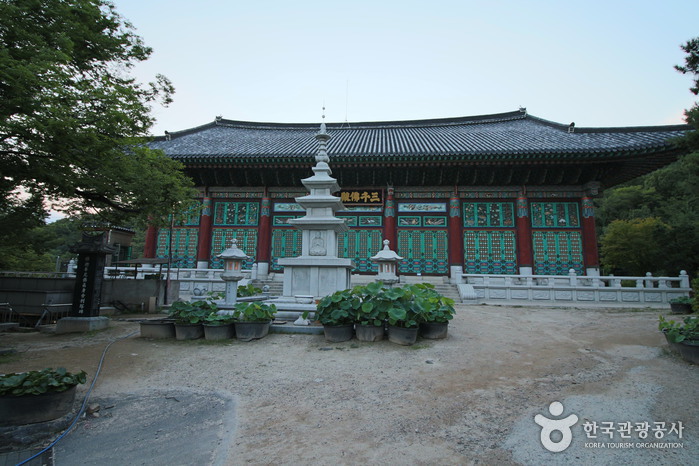
Located on the outskirts of Ansan Mountain in Bongwon-dong, Seodaemun-gu, Seoul, Bongwonsa Temple, as the center of Korean Buddhism Taego, is a thousand-year-old temple with a long history and tradition. In 889 (3rd year of Shilla Queen Jinseong’s reign), Monk Doseon founded it at the ground of Yeonhui Palace (now Yonsei Univ.) and named it Banyasa temple. It was destroyed during the Imjin War in 1592, and later in 1748 (the 24th year of Joseon King Yeongjo’s reign), it was rebuilt and renamed “Bongwonsa” by two Buddhist monks, Chanjeup and Jeungam.
“Yeongsanjae,” one of the Buddhist rituals and also a National Intangible Cultural Property, takes place at Bongwonsa on June 6 every year wishing for world peace and the reunification of North and South Korea. It was designated as one of the Intangible Cultural Heritage of Humanity by UNESCO in 2009. During Yeongsanjae, visitors can enjoy the Buddhist arts such as Beompae (Buddhist temple music for rituals) and dancing. Also, during summertime, Seoul Lotus Flower Culture Festival takes place, where visitors can enjoy the beautiful lotus flowers which are a symbol of Buddhism.
![Lize Company - Hongdae Branch [Tax Refund Shop] (라이즈컴퍼니 홍대점)](http://tong.visitkorea.or.kr/cms/resource/70/2887770_image2_1.jpg)
Lize Company - Hongdae Branch [Tax Refund Shop] (라이즈컴퍼니 홍대점)
9.1Km 2024-04-22
1F, 94-3, Eoulmadang-ro, Mapo-gu, Seoul
-

Understar Seoul - Seogyo Branch [Tax Refund Shop] (언더스타서울 서교)
9.1Km 2024-04-23
90, Eoulmadang-ro, Mapo-gu, Seoul
-
Orenoramen Main Store (오레노라멘 본점)
9.1Km 2024-02-22
14 Dongmak-ro 6-gil, Mapo-gu, Seoul
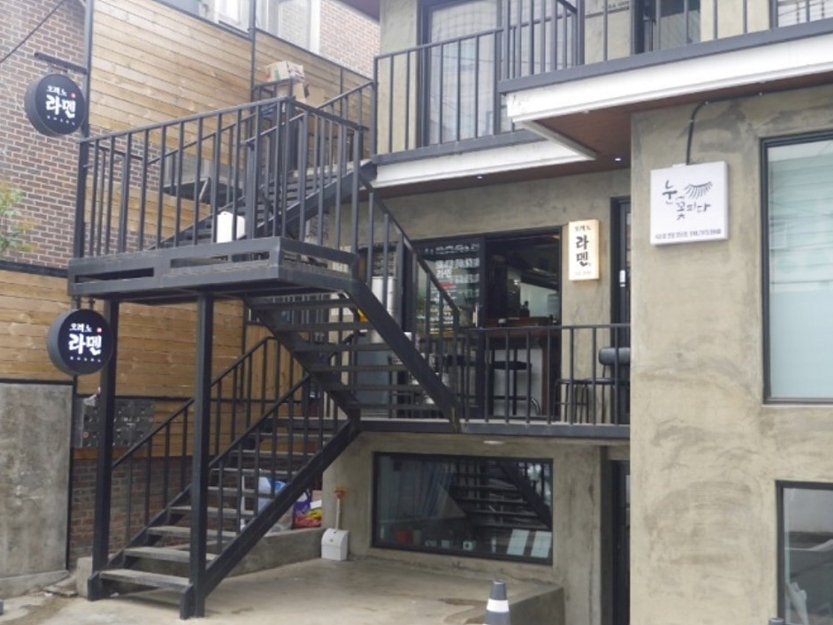
Orenoramen is a popular ramen spot near Hapjeong Station. Their signature dish is the toripaitan ramen (chicken broth ramen), featuring a rich broth made from chicken and chewy noodles. Additionally, their karapaitan ramen (spicy chicken broth ramen), which adds a spicy kick to the flavor, is also a popular choice. Customers can also enjoy additional toppings such as char siu and eggs with their ramen.
National Memorial of Korean Provisional Government (국립대한민국임시정부기념관)
9.1Km 2023-01-16
279-24, Tongil-ro, Seodaemun-gu, Seoul
The National Memorial of Korean Provisional Government was established to shine a light on the proud history of the Korean Provisional Government's independence and the spirit of a democratic republic and to pass it on to future generations. The four-story memorial building with three underground floors houses three permanent exhibits, one special exhibit, Larchiveum, Symbol Plaza, storage, multi-purpose hall, and rooftop garden over a total area of 3,656 square meters, a total floor area of 9,703 square meters and a total exhibition space of 2,240 square meters. The permanent exhibits consist of a series of historic events from the March 1st Movement, which served as a turning point for the formation of the Provisional Government, to the foundation of the Korean Government that succeeded the mantle of the provisional government, while the special exhibit on the 1st floor currently hosts a special opening exhibition under the title of 『The Return of the Provisional Government of the Republic of Korea』. Moreover, a symbolic wall installation under the theme of "Waves of History" is displayed in the outdoor plaza on the 1st floor of the memorial expressing the Provisional Government’s desire for independence and the dynamics of the past, present, and future of Korea.
Seodaemun Independence Park (서대문독립공원)
9.1Km 2022-12-15
251, Tongil-ro, Seodaemun-gu, Seoul
+82-2-3140-8305
Seodaemun Independence Park was built on the former Seoul Detention Camp. It was used to imprison thousands of Korean independence activists until the liberation from the Japanese occupation on August 15, 1945, as well as the political prisoners during the political turmoil in the 1960s. When the prison was moved to Uiwang-si, Gyeonggi-do in November 1987, the area was restored and turned into a memorial park in August 15, 1992 to honor the sacrifices of the martyrs. The park preserves seven prison buildings, an execution ground, underground women’s prison, and the March 1st Movement Monument that has been moved from Tapgol Park in Jongno.
One of the most significant monuments of the Seodaemun Independence Park is Dongnimmun Gate (Independence Gate), which has been designated a Historic Site. Nearby is Dongnipgwan (Independence Hall), originally called Mohwagwan, which was used to greet Chinese envoys during the Joseon dynasty. Today, the hall enshrines 2,327 tablets inscribed with the names of Koreans who died for the cause of national independence. Standing right next to Dongnimmun Gate are the remnants of Yeongeunmun Gate, another Historic Site. Other sights inside the park include the Patriotic Martyr Monument, Declaration of Independence Monument, and Statue of Dr. Seo Jae-pil, who was an independence activist and publisher of Korea’s first independent newspaper. The main highlight of the park is the Seodaemun Prison History Hall, a former prison building that was renovated into a history museum.
![Lush Korea - Hongdae Branch [Tax Refund Shop] (㈜러쉬코리아 홍대점)](http://tong.visitkorea.or.kr/cms/resource/05/2875505_image2_1.jpg)
Lush Korea - Hongdae Branch [Tax Refund Shop] (㈜러쉬코리아 홍대점)
9.1Km 2024-04-22
39, Jandari-ro 6-gil, Mapo-gu, Seoul
-
 English
 한국어
한국어 日本語
日本語 中文(简体)
 Deutsch
 Français
 Español
 Русский


