
Olive Young - Mugyodong Branch [Tax Refund Shop] (올리브영 무교동점)
2.7Km 2024-06-26
1F, 24, Mugyo-ro, Jung-gu, Seoul
-
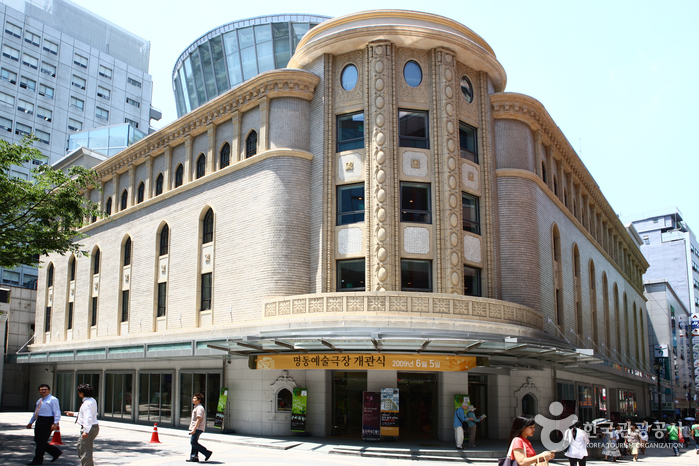
Myeongdong Theater (명동예술극장)
2.7Km 2021-06-09
35, Myeongdong-gil, Jung-gu, Seoul
+82-1644-2003
Myeongdong Theater is an exclusive theatrical performance center, located in what was originally the National Theater of Korea. From 1934 to 1973, the National Theater of Korea pioneered Korean arts and culture, serving as a movie theater, performance hall and art theater. Though it closed its doors in 1975, it was reopened on June 5, 2009 after 3 years of renovation under the name of Myeongdong Theater. The exterior of the theater was left untouched, while the interior was completely updated for a modern design. The theater has a mid-sized performance hall with state-of-the-art stage equipment and a seating capacity of 588 seats. The close proximity of the seats and the stage offers great views as well as allows the audience to share the passion of the performers on stage. The theater presents a range of performances such as theatrical plays, experimental plays, non-verbal performances, and musicals. In addition, the place is a popular venue for diverse events like acting contests, theater festivals and performance festivals.
Cheonggye Pharmacy - Cheonggyecheon Branch [Tax Refund Shop] (청계약국 청계천)
2.7Km 2024-04-17
14, Cheonggyecheon-ro, Jung-gu, Seoul
-
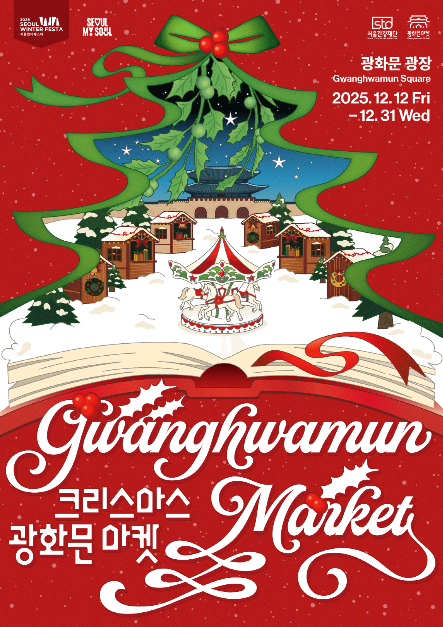
Gwanghwamun Market (광화문 마켓)
2.7Km 2025-12-05
B172 Sejong-daero, Jongno-gu, Seoul
+82-2-337-3692
Gwanghwamun Market takes place along with the Seoul Lantern Festival to support local small businesses and promote Seoul night tourism. The market features local store owners and businesses that exhibit and sell seasonal decor, handcrafted items, and winter snacks.
PAIK's NOODLE Myeongdong (홍콩반점0410(명동점))
2.7Km 2024-03-08
13, Myeongdong 10-gil, Jung-gu, Seoul
02-778-0410
Located in Myeongdong Street, PAIK's NOODLE is a Chinese restaurant that serves Korean-style Chinese cuisine. The price is affordable so that both Koreans and foreigners can easily enjoy chinese dishes. The restaurant focus on jjajang myeon (black bean sauce noodles) and jjamppong (Spicy seafood noodle soup). It's a great place to grab a bite to eat when you're hungry while sightseeing in Myeongdong.
Hwanggeum Mokjang Myeongdongseongdang (황금목장 명동성당)
2.7Km 2024-03-11
23, Myeongdong, 10-gil, Jung-gu, Seoul
+82-2-318-2426
Located in Myeongdong, Hwanggeum Mokjang Myeongdongseongdang is a Korean barbecue restaurant in Myeongdong. It is a popular place for locals and tourists alike as it serves high-quality beef and pork barbecued in the Korean style. Other dishes such as samgye tang (ginseng chicken soup), bulgogi, naengmyeon (cold buckwheat noodles), and many other dishes are also a must-try.
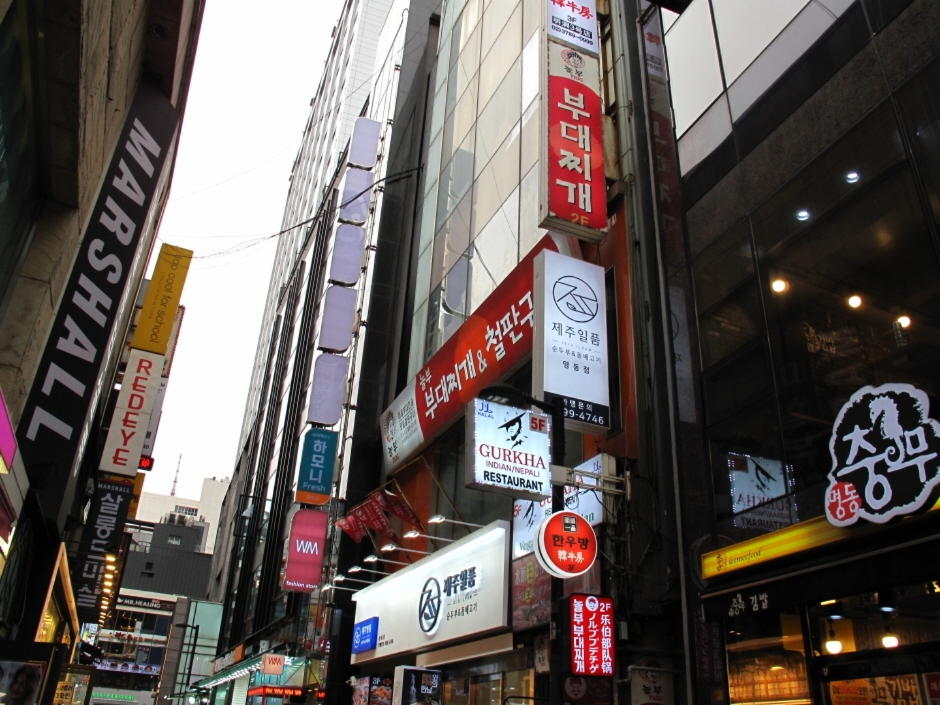
Nolbu Budaejjigae Myeongdong (놀부부대찌개 명동)
2.7Km 2024-03-11
16-1, Myeongdong, 10-gil, Jung-gu, Seoul
+82-2-3789-0110
Situated in Myeongdong, Nolbu Budaejjigae in Myeongdong is exclusively dedicated to budae jjigae (sausage jjigae). Budae jjigae is a typical Korean fusion food consisting of ham, sausage, kimchi, extra instant noodles, tiny rice cakes, glass noodles, and spicy seasonings. They use selected ham and sausage in a bone broth, and fresh noodles that are not fried, giving the dish a light and refreshing flavor. Patrons have the option to spicy stir-fried small intestine and shrimp hot pot. The seasoned spicy stir-fried webfoot octopus or spicy stir-fried chicken cooked on an iron plate is also a must-try.
![Toxnfill Clinic - Myeong-dong Branch [Tax Refund Shop] (톡스앤필의원 명동점)](http://tong.visitkorea.or.kr/cms/resource/51/3314551_image2_1.jpg)
Toxnfill Clinic - Myeong-dong Branch [Tax Refund Shop] (톡스앤필의원 명동점)
2.7Km 2024-06-27
84, Namdaemun-ro, Jung-gu, Seoul
-
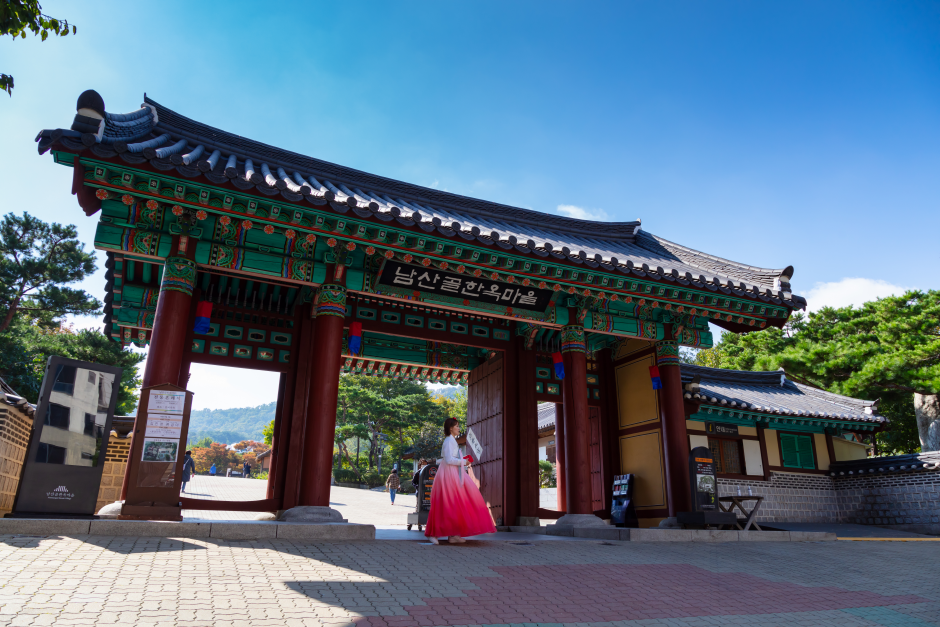
Namsangol Hanok Village (남산골한옥마을)
2.8Km 2025-07-14
28 Toegye-ro 34-gil, Jung-gu, Seoul
Namsangol Hanok Village opened in 1998 on the northern side of Namsan Mountain in the center of the capital. This village has five restored hanok (traditional Korean house) premises, a pavilion, a traditional garden, a performance art stage, and a time capsule plaza, making it a perfect spot for locals and tourists to take a leisure walk. Upon entering from the front gate, visitors will get a taste of Korea's traditional life while escaping from bustling city life. The traditional garden with its pavilion and old houses creates a peaceful ambiance before the forested Namsan Mountain. A time capsule commemorating Seoul’s 600th anniversary was buried in 1994 at the highest point of the village and is scheduled to be reopened 400 years later in 2394.
The five hanok premises at Namsangol Hanok Village once belonged to aristocrats and government officials of the Joseon dynasty. Each house was originally located in a different neighborhood, but they were all moved to this area and restored to their original form. The houses were rebuilt using their original materials, except for one house, where the materials were too old and deteriorated to be reused. The premises were carefully restored and replicated according to their original form to depict the owners’ social class and personality. These buildings are now used as an exhibit to portray the living environment during the Joseon dynasty and as a venue for educational and cultural programs for children and tourists.
Some of the unique programs and activities to participate in include wearing hanbok, folding hanji (traditional Korean paper), writing in Korean, traditional tea ceremony, traditional etiquette school, and herbal medicine experience. There are also taekwondo demonstrations and other various performances held around the village. Visitors can also try traditional games such as yunnori (traditional board game), or understand more about the area through a guided tour.
Boan1942 (보안1942)
2.8Km 2023-08-17
33 , Hyoja-ro, Jongno-gu, Seoul
Prior to becoming an art space in 2007, Tongui-dong Boan served as a place for rest for travelers from 1942 to 2005. After a short suspension, the place was renovated into a cultural space in 2017 to carry on the historical legacy and provide creative inspiration under the concept of "Boanstay."
Boan1942 is divided into a cultural space consisting of a cafe, project workshop, book shop, and exhibition area, and Boanstay on the 3rd and 4th floors that offer temporary lodging services to the cultural nomads. Located in Seochon, the center of culture, history, and convenient traffic in Seoul, Boanstay offers a splendid view of Seoul's historical and cultural assets such as Gyeongbokgung Palace, Cheong Wa Dae, and Seochon Hanok Village.
<Credit: Boanstay>
 English
 한국어
한국어 日本語
日本語 中文(简体)
 Deutsch
 Français
 Español
 Русский


