
Seodaemun Prison History Museum (서대문형무소역사관)
4.1Km 2024-12-02
251 Tongil-ro, Seodaemun-gu, Seoul
Seodaemun Prison was built under the Japanese administration to imprison independence movement activists. It first opened on October 21, 1908 under the name Gyeongseong Prison. Eventually, so many activists were imprisoned that the building had to be expanded. At that time, the name changed to Seodaemun Prison on September 3, 1912. Eighty years later, the prison was turned into Seodaemun Independence Park on August 15, 1992 to commemorate the Korean patriots who were tortured in prison, giving their lives for freedom. Of the many buildings, only seven were preserved for their historical significance, among which three prison buildings and the execution site were designated as a Historic Site. In 1998, the park underwent another transformation into today's Seodaemun Prison History Hall to educate the public on the importance of Korea's independence and the sacrifices of those who fought to achieve it.
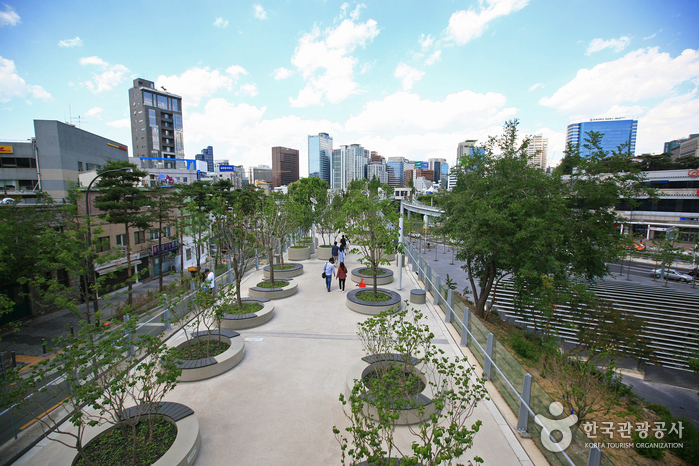
Seoullo 7017 (서울로 7017)
4.2Km 2025-10-24
405, Hangang-daero, Jung-gu, Seoul
Originally opened in 1970, Seoullo 7017 was an elevated road that crossed over the Seoul Station railway, but when it became dilapidated and unusable for traffic, it was converted into a park in 2017. It is about 17 metres above the ground and offers a panoramic view of the Seoul Station Railway and the city of Seoul. It is directly connected to Seoul Station.
National Memorial of Korean Provisional Government (국립대한민국임시정부기념관)
4.2Km 2023-01-16
279-24, Tongil-ro, Seodaemun-gu, Seoul
The National Memorial of Korean Provisional Government was established to shine a light on the proud history of the Korean Provisional Government's independence and the spirit of a democratic republic and to pass it on to future generations. The four-story memorial building with three underground floors houses three permanent exhibits, one special exhibit, Larchiveum, Symbol Plaza, storage, multi-purpose hall, and rooftop garden over a total area of 3,656 square meters, a total floor area of 9,703 square meters and a total exhibition space of 2,240 square meters. The permanent exhibits consist of a series of historic events from the March 1st Movement, which served as a turning point for the formation of the Provisional Government, to the foundation of the Korean Government that succeeded the mantle of the provisional government, while the special exhibit on the 1st floor currently hosts a special opening exhibition under the title of 『The Return of the Provisional Government of the Republic of Korea』. Moreover, a symbolic wall installation under the theme of "Waves of History" is displayed in the outdoor plaza on the 1st floor of the memorial expressing the Provisional Government’s desire for independence and the dynamics of the past, present, and future of Korea.
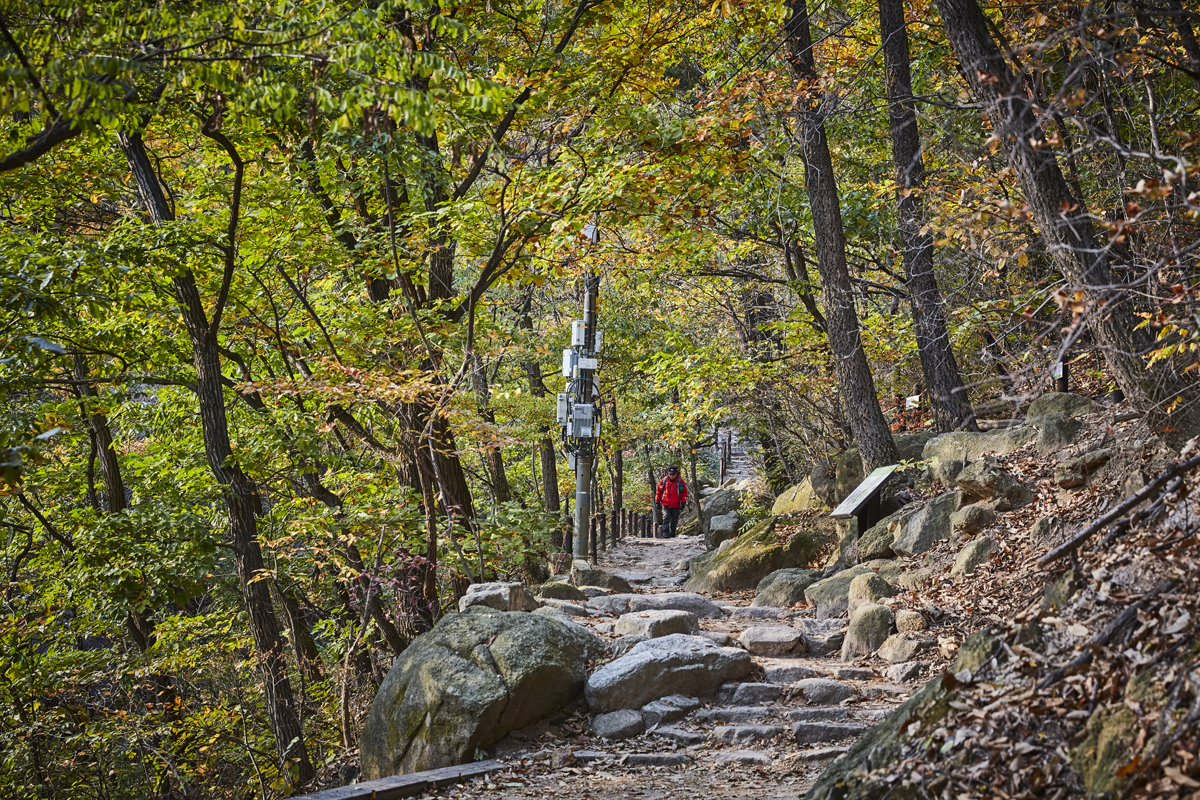
Bukhansan National Park (Seoul District) (북한산국립공원(서울))
4.3Km 2024-11-27
262 Bogungmun-ro, Seongbuk-gu, Seoul
Bukhansan Mountain was officially designated as a national park in 1983. Bukhansan National Park covers both Bukhansan and Dobongsan Mountains, and spans a total area of 80.699 ㎢. At the top of Bukhansan Mountain are Baegundae Terrace (835.6 m), Insubong Peak (810.5 m) and Mangyeongdae Terrace (799.5 m), which gave the mountain the nickname "Samgaksan" or the "three-horned mountain." The mountain had other names: Sambongsan (mountain with three peaks), Hwasan (flower mountain), and Buaak (mountain shaped like a person giving a baby a piggyback ride). The current name, Bukhansan, was given after the Bukhansanseong Fortress was built under King Sukjong of the Joseon dynasty.
SEOUL SHINSEGAE EYE CENTER (서울신세계안과의원)
4.3Km 2025-10-23
3rd–4th Floors, Y-Square, 52 Dobong-ro, Gangbuk-gu, Seoul
SEOUL SHINSEGAE EYE CENTER is a premium clinic with specialists from Korea’s top hospitals. With AI-based precision systems and an advanced surgical center, we offer safe, customized care. Sterile ORs, 7-stage purification, and age-specific checkups ensure lifelong family eye health.
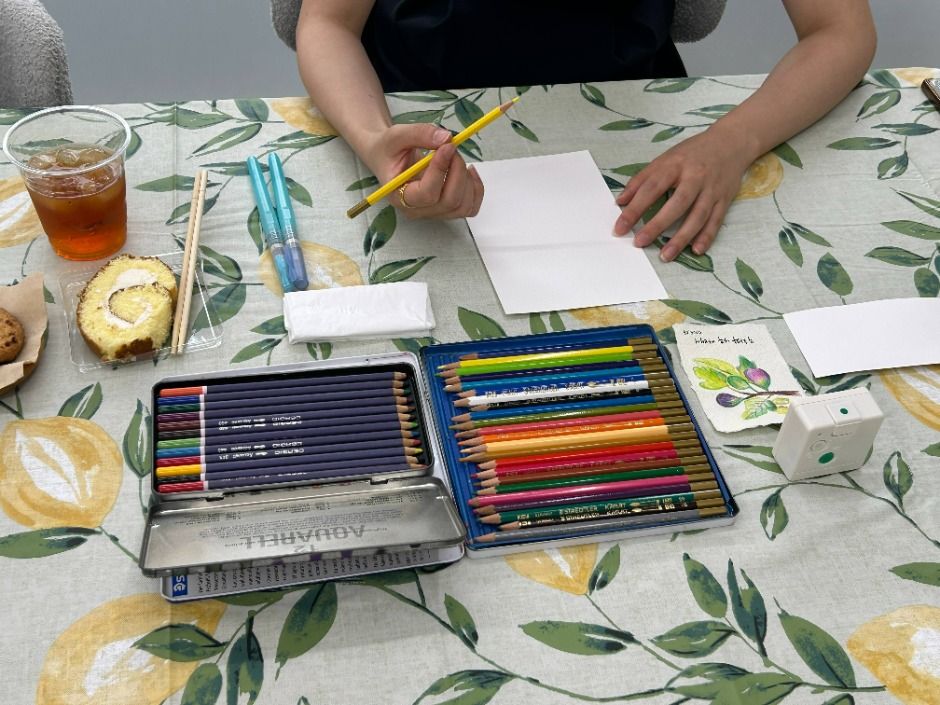
ARTEASPOON (아티스푼)
4.4Km 2025-10-23
7 Sinheung-ro 36-gil, Yongsan-gu, Seoul
ARTEASPOON operates cultural arts programs centered on paintings, music, and books. It also has a program related to exploring one's feelings and mind, and offers a special program for foreigners for learning Korean culture and art. Located in Huam-dong at the foothills of Namsan Mountain, it's an ideal place to immerse in art and inspirations.
Soul (소울)
4.4Km 2025-08-20
B1, 35 Sinheung-ro 26-gil, Yongsan-gu, Seoul
Soul is a fine-dining located in Hannam-dong. It presents reinterpretations of Korean cuisine, drawing inspiration from traditional dishes. The menu is structured into lunch and dinner courses. Known for its ability to artistically express familiar flavors encountered in daily life, Soul was selected for the 2023 Michelin Guide Seoul. Operating on a reservation-only basis, bookings can be made via phone.
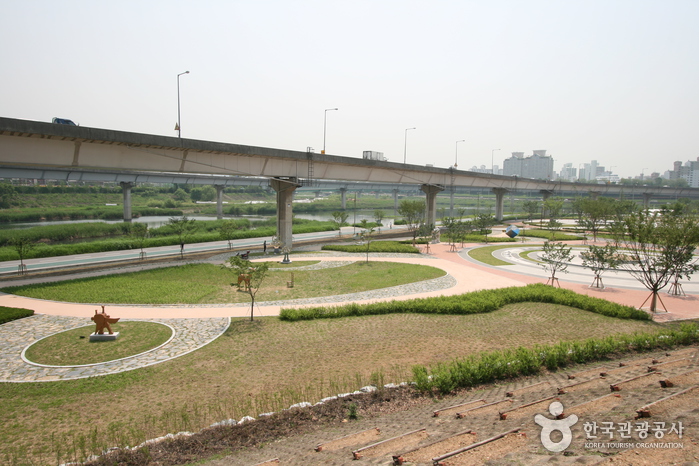
Salgoji Sports Park (살곶이 체육공원)
4.6Km 2024-03-20
16-18 Sageundong-gil, Seongdong-gu, Seoul
Salgoji Sports Park is located along the Joongnangcheon Riverside near Hanyang University. Its name "Salgoji" holds deep historical significance, meaning "the place where an arrow is shot" in Korean. The park features facilities such as an inline skating rink, soccer field, basketball court, and badminton court. There are dedicated bicycle paths and pedestrian walkways around the park. Throughout the year, walking festivals and mini marathons are organized, making it a beloved spot among cyclists. In the summer, an outdoor water playground is operated.
Hanyang University Seoul Hospital (한양대학교병원(서울))
4.6Km 2025-10-23
222-1 Wangsimni-ro, Seongdong-gu, Seoul
Hanyang University Medical Center, established in 1972 with the motto of "Love in Deed and Truth", offers exceptional medical care to patients worldwide. It is equipped with advanced medical equipment and staffed by highly skilled and experienced medical professionals. The hospital has achieved grade 1 in the adequacy evaluation for several diseases, including cardiovascular and cerebrovascular diseases, as well as major cancers, making it a top medical institution. Its goal is to provide prompt and convenient medical care to both domestic and international patients in a patient-centered approach.
Namsan Outdoor Botanical Garden (남산 야외식물원)
4.6Km 2022-12-16
323, Sowol-ro, Yongsan-gu, Seoul
Namsan Outdoor Botanical Garden opened its doors on February 18, 1997 in Hannam-dong, where the residential complex for foreigners once stood before it was demolished in 1994. Covering an area of around 59 ㎡, it is divided into 13 themed gardens with a total 117,132 plants from 269 species. Among this diversity, 60,912 plants from 129 species are tree types and 56,220 plants from 140 species are grass types.
 English
 한국어
한국어 日本語
日本語 中文(简体)
 Deutsch
 Français
 Español
 Русский


