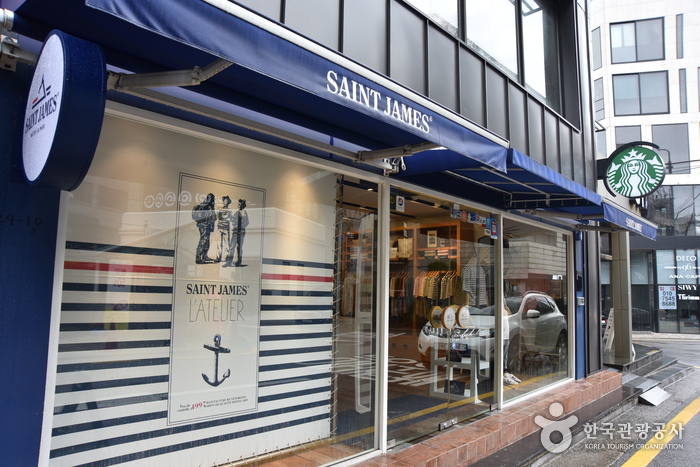
SAINT JAMES SEOUL/세인트 제임스 서울
3.8Km 2025-08-12
94 , Nonhyeon-ro 175-gil, Gangnam-gu, Seoul
+82-2-543-4628
Saint James Boutique Seoul, opened in November 2013 near Garosu-gil, Gangnam-gu, Seoul and is well known to Seoulites for its marine styling. The store sells women’s, men's and children's wear, plus shoes, hats, bags and accessories. Featured brands are SAINT JAMES (France), BUDDY (Japan), VEJA (France), SOLUDOS (USA), BRONTE (Netherlands), INFIELDER DESIGN (Japan), LAVENHAM (UK), and ROCKY MOUNTAIN FEATHERBED (Japan).
![Åland - Garosugil Branch [Tax Refund Shop] (에이랜드 가소수길점)](http://tong.visitkorea.or.kr/cms/resource/56/2879656_image2_1.jpg)
Åland - Garosugil Branch [Tax Refund Shop] (에이랜드 가소수길점)
3.8Km 2024-06-27
78, Nonhyeon-ro 175-gil, Gangnam-gu, Seoul
-

DM Plastic Surgery (디엠성형외과)
3.8Km 2025-12-09
(2nd Floor), 158 Apgujeong-ro, Gangnam-gu, Seoul
DM Plastic Surgery is a clinic run by a doctor from Yonsei University College of Medicine, the first university in Korea to establish a plastic surgery department.
As a former professor of plastic surgery at Severance Hospital of Yonsei University College of Medicine for 16 years and a board member of the Korean Society of Plastic and Reconstructive Surgeons, the chief director of DM is always striving to be a model in the medical industry. We promise to spare no effort, guided by the tenet of diligence and sincerity, to advance plastic surgery technology in Korea and to fulfill our responsibilities as plastic surgeons.
![Olens - Hanyang Univ. Branch [Tax Refund Shop] (오렌즈 한양대)](http://tong.visitkorea.or.kr/cms/resource/80/2878780_image2_1.jpg)
Olens - Hanyang Univ. Branch [Tax Refund Shop] (오렌즈 한양대)
3.8Km 2024-04-18
1F, #3, 4, Sageundong-gil, Seongdong-gu, Seoul
-
![Eye On Optical - Hanyang Univ. Branch [Tax Refund Shop] (아이온안경 한양대)](http://tong.visitkorea.or.kr/cms/resource/77/2878777_image2_1.jpg)
Eye On Optical - Hanyang Univ. Branch [Tax Refund Shop] (아이온안경 한양대)
3.8Km 2024-04-17
#101, 30, Majo-ro, Seongdong-gu, Seoul
-
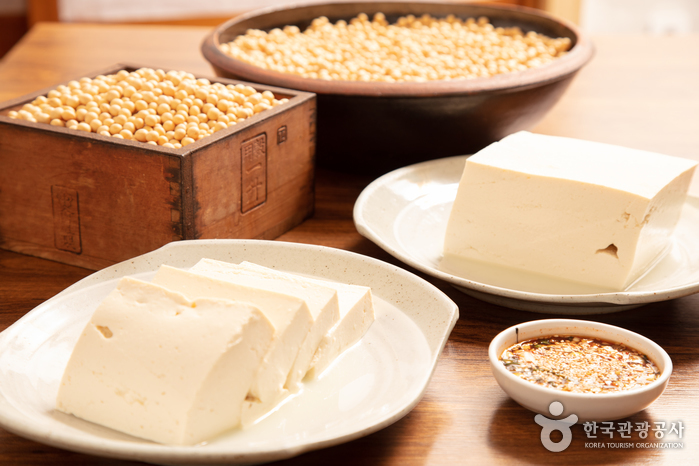
Hwanggeum Kongbat (황금콩밭)
3.8Km 2025-10-31
9 Mapo-daero 16-gil, Mapo-gu, Seoul
Hwanggeum Kongbat specializes in bean curd, using 100% Korean-grown soybeans and salt to make their bean curd fresh daily. The restaurant is famous for their method of making a bean curd that is smooth and maintains the nutty yet sweet flavor of the soybeans.
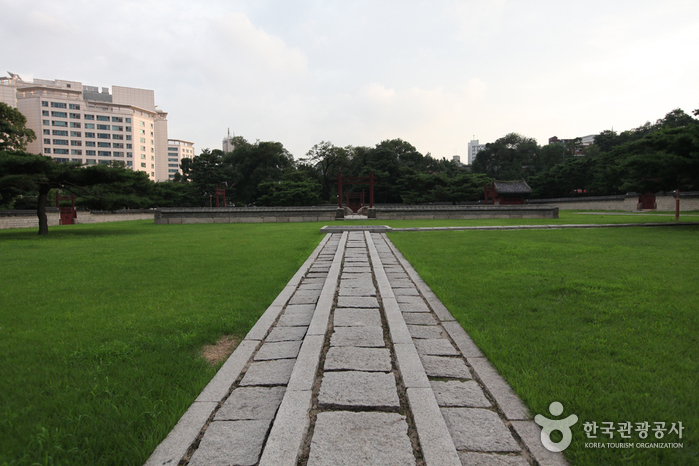
Seoul Sajik Park (사직공원(서울))
3.8Km 2021-11-12
89, Sajik-ro, Jongno-gu, Seoul
+82-2-2148-4149
Sajik Park is one of the three most popular parks in Jongno-gu along with Tapgol Park and Samcheong Park. Located west of the Government Complex-Seoul on the southeastern foothills of Inwangsan Mountain, the park measures an impressive 188,710 m².
The name of the park dates back to 1395 when Taejo Yi Sung-gye made Sajik Altar (altar to the State deities) at the center of the park. "Sa" refers to the deity of the earth while "jik" refers to the deity of the five grains. Rites wishing for a good harvest were held regularly at Sajik Altar.
In the park are several playgrounds, statues of Sin Saimdang, Hwanghakjeong, and Yulkog Yi I, and the Municipal Children's Library. Dangun Shrine and Jongno Library are situated nearby. By following the path next to Sajik Park for approximately 5 minutes, travelers can reach the Inwangsan hiking path with relative ease.
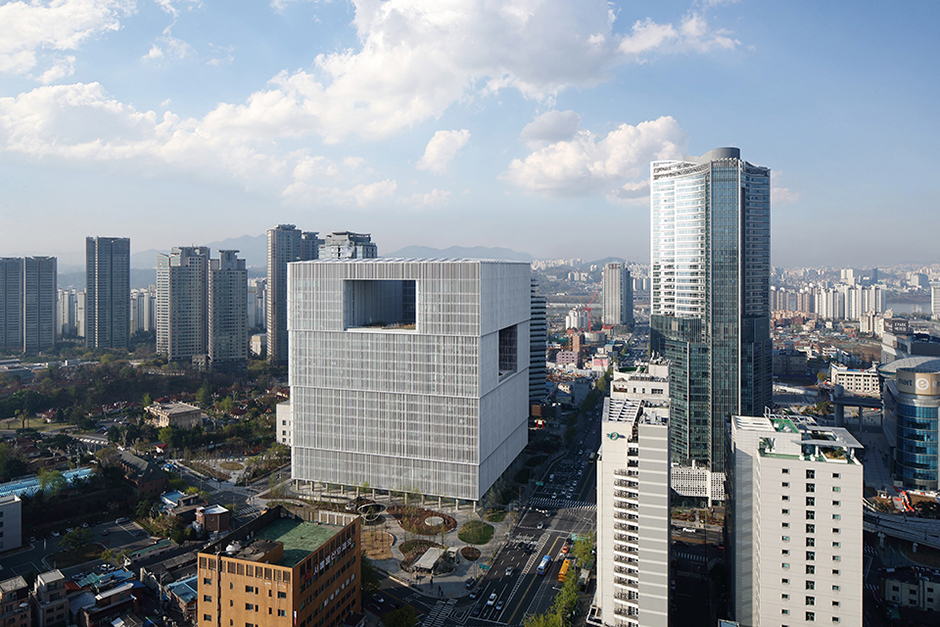
Amorepacific Museum of Art (아모레퍼시픽미술관)
3.8Km 2024-12-31
100 Hangang-daero, Yongsan-gu, Seoul
Amorepacific Museum of Art, located in Yongsan-gu, Seoul, was originally a museum exhibiting artworks collected by the late Seo Seong-hwan, the founder of Amorepacific, but later changed its name to Amorepacific Museum of Art, or APMA, in 2009 and has since been operating as an art exhibition hall. The mission upon its foundation was seeking to be "a space where beauty in the midst of daily lives is discovered" and communicating with the public. In accordance with this objective, the museum collects, researches, and exhibits Korean ancient art and both Korean and international contemporary art while, also, aiding researchers, scholars, and young artists. The underground exhibition hall hosts diverse exhibits encompassing ancient art, contemporary art, and Korean art. The 1st floor of the "Atrium," an enormous space that continues from the 1st to 3rd floors, features the museum lobby, a museum shop, an exhibition space called "APMA Cabinet" and apLAP, which is a library of art exhibition brochures from around the world. The art museum is located on the 1st floor of the new Amorepacific headquarters building, a famous work of architectural beauty of Yongsan designed after white porcelain.
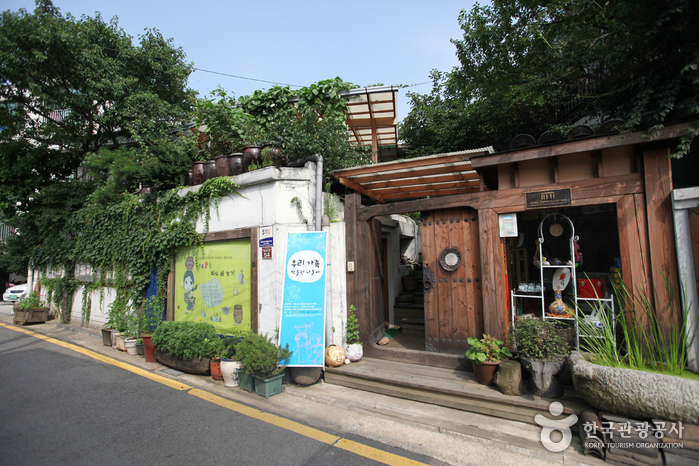
Bukchon Museum (북촌생활사박물관)
3.8Km 2022-08-30
90, Bukchon-ro 5na-gil, Jongno-gu, Seoul
+82-2-736-3957
The Bukchon Museum displays items that have been collected from Bukchon, a historical village that was once home to the nation’s nobility. The museum was founded to observe urban development that took place in the recent decades through collected and preserved veryday household items that were used by Bukchon residents. Visitors are even allowed to touch items on display to better be able to imagine life in Korea before industrialization.
 English
 한국어
한국어 日本語
日本語 中文(简体)
 Deutsch
 Français
 Español
 Русский


