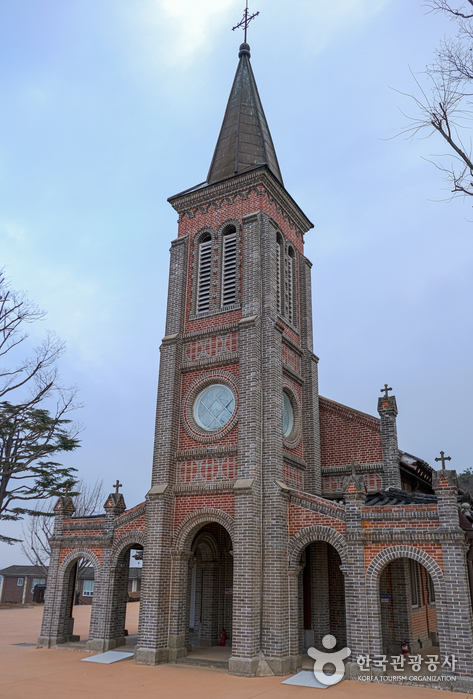
Nabawi Catholic Church (화산천주교회(나바위 성당))
.0M 2024-04-07
146, Nabawi 1-gil, Iksan-si, Jeonbuk-do
Nabawi Catholic Church is located in Hwasan-ri, Mangseong-myeon in Iksan, Jeollabuk-do Province and is known as the oldest surviving catholic church in the Jeolla-do region. The church was built in 1906 to commemorate the return of priest Kim Dae-geon in 1845 (Joseon dynasty) after he was ordained in Shanghai, China. Inside the church stand two monuments: one built in 1954 to honor Joseph Vermorel (French missionary, 1860-1937) and one built in 1955 to honor priest and martyr Kim Dae-geon. Considered the most significant catholic relic of the Jeolla-do region, the church is sought out by large numbers of Catholic visitors each year.
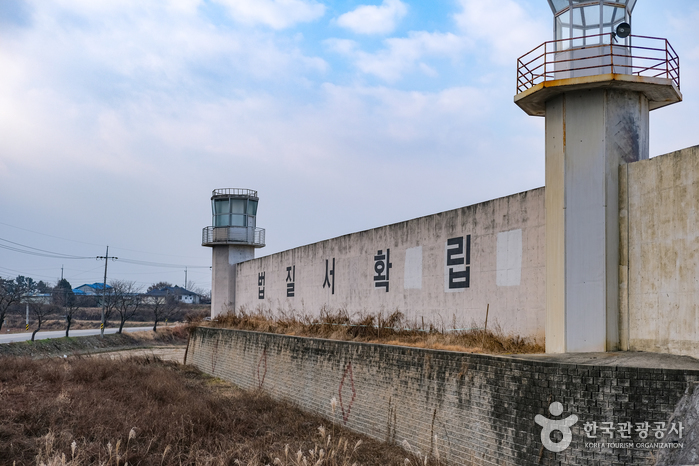
Iksan Prison Set (익산교도소세트장)
9.8Km 2025-10-24
207 Hamnang-ro, Seongdang-myeon, Iksan-si, Jeollabuk-do
It is the only prison set in Korea made for movie filming. Dramas like "Delightfully Deceitful" and " Divorce Attorney Shin" and movies like "Tazza" and "Miracle in Cell No. 7" were filmed here. Although the set was built using a closed school, shooting photos in places like the court, solitary confinement, interrogation rooms, and torture chambers can feel eerie. Renting costumes and becoming a correctional officer or inmate provides a more realistic prison experience.

Iksan Sungnimsa Temple (숭림사(익산))
9.8Km 2024-04-07
495-57, Baekje-ro, Iksan-si, Jeonbuk-do
Sungnimsa Temple is one of the major temples in Iksan under Geumsansa Temple and was believed by some to have been built by monk Jinpyo Yulsa during the reign of King Gyeongdeok (742-764) during the Silla period. Others believe that the temple was established during the first year of King Chungmok of the Goryeo dynasty in 1345. Sungnimsa Temple was named in honor of great monk Bodhi-Dharma, who practiced seated Zen meditation for nine years at Sorimsa Temple located deep inside Sungsan Mountain in China. The temple was burnt down during the Imjin War (1592-1598), leaving only Bogwangjeon Hall. Bits and pieces of the temple were later restored in 1697, 1819, and 1892.
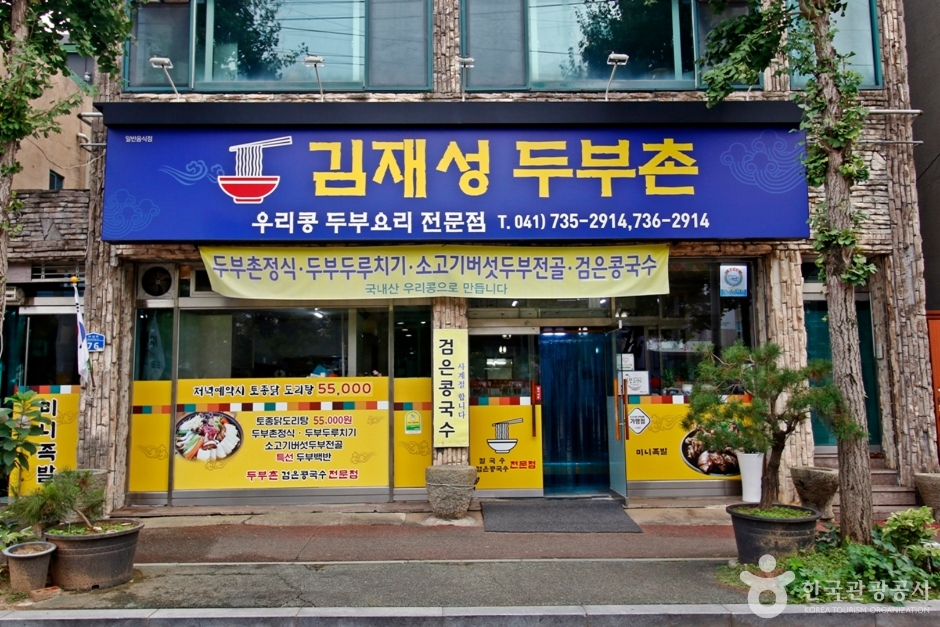
Kim Jaesung Dunuchon (김재성두부촌)
10.0Km 2024-10-15
1F, 76 Buchang-ro, Nonsan-si, Chungcheongnam-do
Kim Jaesung Dunuchon is a specialty restaurant where you can taste homemade bean curd dishes. They make bean curd using traditional methods with Korean soybeans, resulting in a smooth and savory flavor. Their bean curd is known for its tender texture and richness, especially when enjoyed with aged kimchi (fermented cabbage kimchi) matured for three years. Their menu includes dubuchon jeongsik (tricolor bean curd and boiled pork slices set menu), dubu bossam (napa wraps with pork and bean curd), dubu baekban (bean curd set menu), dubu duruchigi (stir-fried bean curd), and sogogi beoseot dubu jeongol (beef, mushroom and bean curd hot pot).
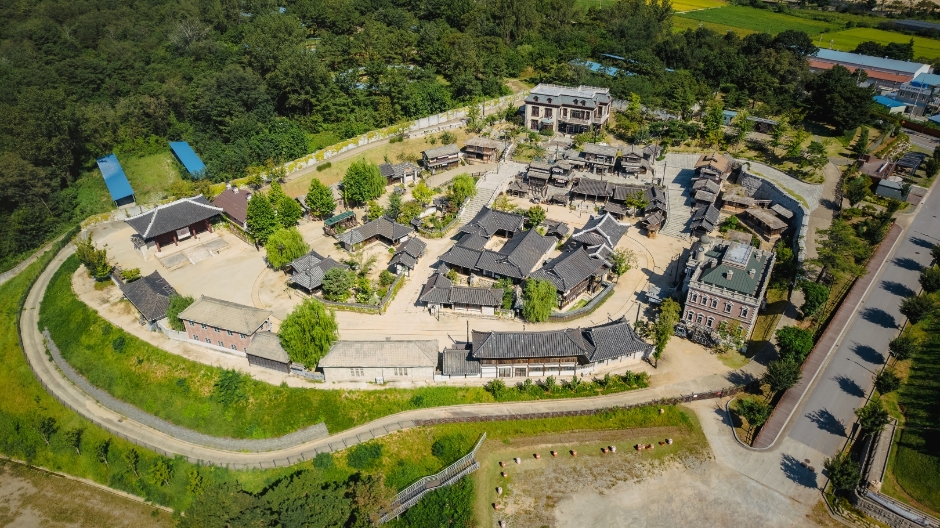
Sunshine Studio (논산 선샤인스튜디오)
10.1Km 2025-10-24
90 Bonghwang-ro, Yeonmu-eup, Nonsan-si, Chungcheongnam-do
Originally established as the set for the drama "Mr. Sunshine", it has since garnered interest as a filming location for historical dramas such as "Pachinko" and "Tale of the Nine Tailed 1938". It is currently open to the public as a tourist attraction. Strolling through Sunshine Studio in costumes of the era, one feels as if they've stepped into the bustling Hanseong of the 1900s.
Sunshine Land (선샤인랜드)
10.4Km 2024-07-09
102 Bonghwang-ro, Yeonmu-eup, Nonsan-si, Chungcheongnam-do
Sunshine Land is a cultural complex located in Nonsan, Chungcheongnam-do. One can experience and observe diverse content at this themed attraction, which is divided into four sections: Survival Experience Center, Military Experience Center, Sunshine Studio, and 1950 Studio. The Survival Experience Center and Military Experience Center incorporate VR technology for an interactive and realistic entertainment. The Sunshine Studo and 1950 Studio are decorated in the theme of the aftermath of the Korean War, allowing one to get a glimpse and knowledge of what life in Korea was like after the war.
Buyeo Garimseong Fortress (부여 가림성)
10.9Km 2025-10-23
167 Seongheung-ro 97beon-gil, Imcheon-myeon, Buyeo-gun, Chungcheongnam-do
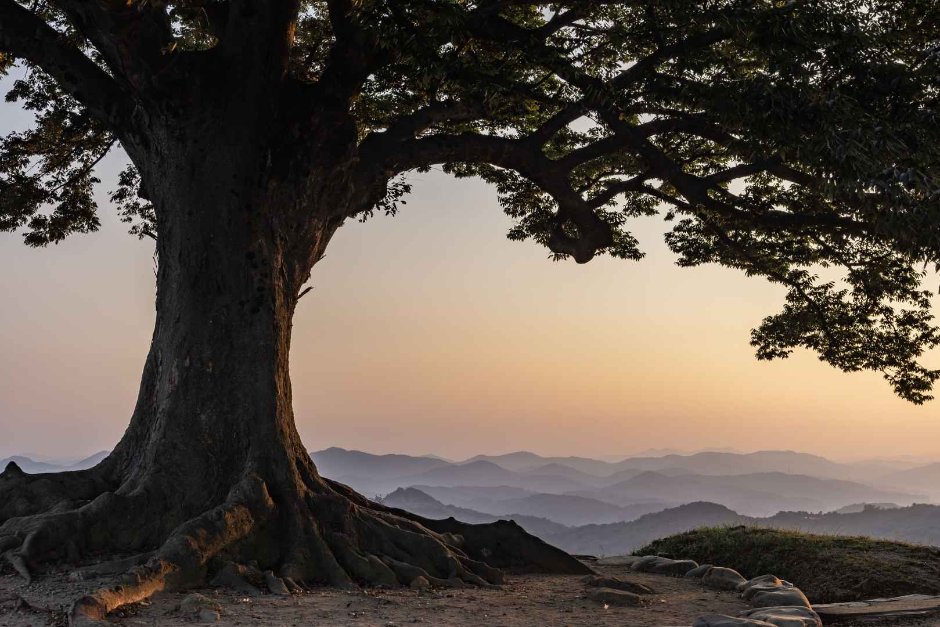
Garimseong Fortress is a stone fortress built on the lower reaches of the Geumgang River to protect Sabiseong Fortress, the capital of the Baekje dynasty. The fortress' parking lot is only 200 meters away from the southern entrance, allowing visitors to easily access and enjoy the view from this historical fortress. By ascending the stairway by the rocky cliff, a large tree comes into view. Known to be over 400 years old, this tree is called the "Love tree of Seongheungsan Mountain" and has even made an appearance in the drama "Seodongyo (200)." The fortress is also popular as a sunrise spot, serving as Buyeo-gun’s New Year's Eve festival venue.
◎ Travel information to meet Hallyu’s charm - TV series "Hotel Del Luna"
From Man-wol’s friendship with Yeon-woo to her anger toward Chung-myung in “Hotel Del Luna,” Buyeo Garimseong Fortress has become a popular social media hotspot. Offering a panoramic view of Buyeo’s cityscape, the fortress became a new social media hotspot as it offers a unique photo opportunity under a zelkova tree called the “love tree.”
Nonsan Gwanchoksa Temple (관촉사(논산))
11.6Km 2021-12-03
25, Gwanchok-ro 1beon-gil, Nonsan-si, Chungcheongnam-do
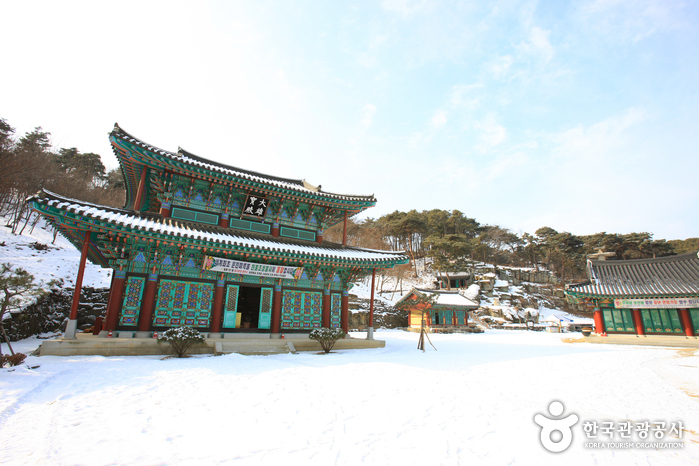
Gwanchoksa Temple in Nonsan, Chungcheongnam-do is located at the foot of Banyasan Mountain (100 meters in elevation). This temple enshrines a Seokjomireukbosalipsang Buddha (Treasure), which was built over the course of 38 years, beginning in 967 during the Goryeo period. According to legend, while a lady was picking fernbrake on Banyasan Mountain, she heard a baby crying. When she went over, there was no baby but instead was a large rock sticking out from the ground. Upon hearing this story, the government ordered a Buddha statue to be made from the rock. This Buddha statue, widely known as ‘Eunjimireuk Buddha,’ is the largest stone Buddha in Korea (18.12 meters in x_height, 9.9 meters in girth, 1.8 meters in the length of ears, 2.43 meters at the x_height of crown). There are many other cultural heritages in this temple and every April, a splendid cherry blossom tunnel stretching from Nonsan to Gwanchoksa Temple is at its peak.
Iksan Safety Experience Training Center (KOSHA) (익산 안전체험장(안전보건공단))
12.3Km 2025-07-30
127-49 Iksan-daero 78-gil, Hamyeol-eup, Iksan-si, Jeonbuk-do
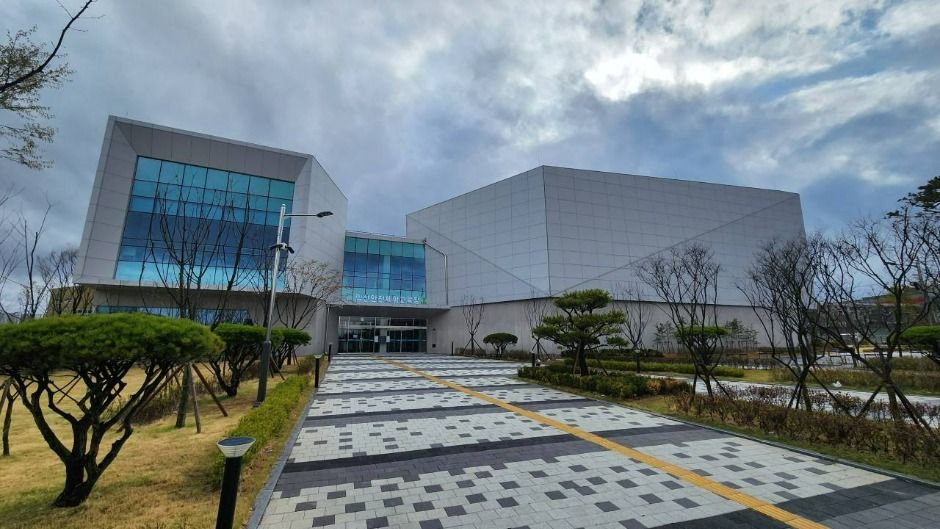
Iksan Safety Experience Training Center is a safety training facility founded to raise public awareness on safety prevention and management, covering a wide variety of safety hazards that can occur in the everyday or workplace environment through fun and interactive content. The center uses VR and smart technology to simulate real-life emergency situations to educate the public on how to prevent and handle hazardous situations. It has 50 interactive content overall, spread out among six different themed halls. The training center is open to visitors of all ages for free.
![Mireuksa Temple Site [UNESCO World Heritage] (익산 미륵사지 [유네스코 세계문화유산])](http://tong.visitkorea.or.kr/cms/resource/91/2514991_image2_1.jpg)
Mireuksa Temple Site [UNESCO World Heritage] (익산 미륵사지 [유네스코 세계문화유산])
14.2Km 2024-04-07
362, Mireuksaji-ro, Iksan-si, Jeonbuk-do
Mireuksa was the largest Buddhist temple of the ancient Baekje Kingdom (18 BC-AD 660). According to Samgukyusa (historical records published in 1281), King Mu (30th king of Baekje, in power AD 600-641) and his wife Queen Seonhwa were said to have seen a vision of Mireuksamjon (the three Sanskrit) emerging from a large pond. At the time of their revelation, the king and queen were on their way to visit a Buddhist monk in Sajasa Temple on Yonghwasan Mountain (now known as Mireuksan Mountain). In response to their vision, the king drained the nearby pond and established Mireuksa Temple. The temple is believed to have shown the most advanced architectural and cultural skills of Baekje, Silla, and Goguryeo (the three main kingdoms at that time). Records indicate that King Jinpyeong of Silla even sent his craftsmen over to assist with the temple construction.
The two main features of the Mireuksa Temple Site are the stone pagoda (Mireuksaji Seoktap) and the flagpole supports (Mireuksaji Dangganjiju). The 14.24-meter-high west stone pagoda (National Treasure No. 11) is the oldest and largest Korean stone pagoda in existence. The west pagoda currently has only six tiers, but is estimated to originally have had nine. The nine-story east stone pagoda (27.67 meters in x_height) was restored to its original stature in 1993 based on historical records. Other surviving landmarks include the flagpole supports (Treasure No. 236) to the south of the stone pagodas. The 395 centimeter-tall poles are estimated to have been created during the Unified Silla period (AD 676-935) and are set 90 meters apart from east to west.
 English
 한국어
한국어 日本語
日本語 中文(简体)
 Deutsch
 Français
 Español
 Русский


