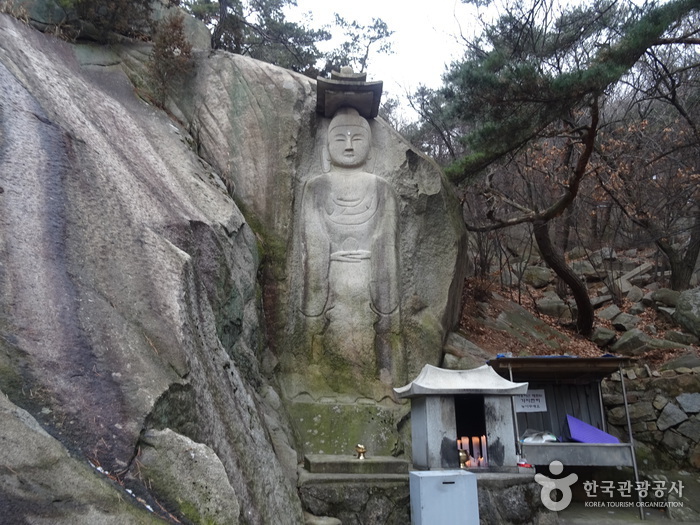
Jaunam Hermitage (자운암)
17.1Km 2023-05-08
Gwanak-ro, Gwanak-gu, Seoul
Jaunam Hermitage was originally built in 1396 by Great Monk Muhak of Joseon dynasty. It was renovated in 1734, and finally took shape of the hermitage we know today in 1976 when Monk Boryun added Daeungjeon Hall, Chilseonggak Pavilion, and Sansigak Pavilion. It is currently located in the famous Jahadong Valley on the Seoul National University campus.
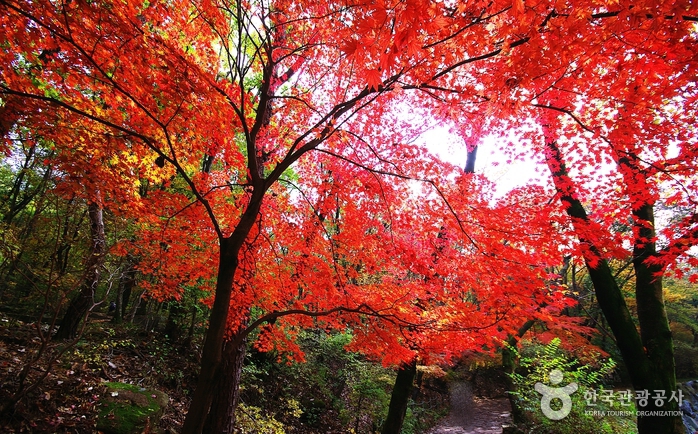
Gwanaksan Mountain (관악산)
17.2Km 2023-01-02
Gwanak-ro, Gwanak-gu, Seoul
Reaching 632.2 meters in x_height, Gwanaksan Mountain is the symbol and pride of Gwanak-gu district in Seoul. Most of the cultural heritage of the district originates from Gwanaksan Mountain. Since it was designated as a city natural park in 1968, it has continued to serve as a favorite place for relaxation and excursion for Seoul citizens. The various rocky peaks and the deep valleys give the mountain a rugged feel. The mountain's size and close proximity to Seoul make it easy for Seoul residents to make a day trip.
In the spring, cherry blossoms are in full bloom near the entrance to the mountain, and a Rhododendron Festival is held when the rhododendrons are in full bloom. At the mountain's summit are Wongaksa Temple and Yeonjuam Hermitage, which were built by Taejo Yi Seong-gye (the founder of the Joseon dynasty) to ward off misfortune when he decided to move the capital to Seoul. There are also other temples and hermitages, and a ground radar observation post. Yeonjudae Hermitage, located atop a cliff, is where all the hiking trails of Gwanaksan Mountain meet.
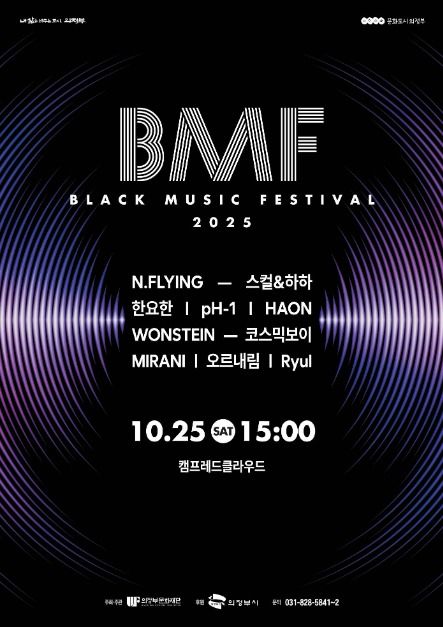
Black Music Festival (BMF) (2025 제7회 BMF(블랙뮤직페스티벌))
17.2Km 2025-10-23
Ganeung-dong, Uijeongbu-si, Gyeonggi-do
+82-31-828-5841
The Black Music Festival feature performances across various genres, including hip hop, R&B, soul form both local artists and international artists. Along with performances, visitors can enjoy various cultural events and hands-on experience programs.
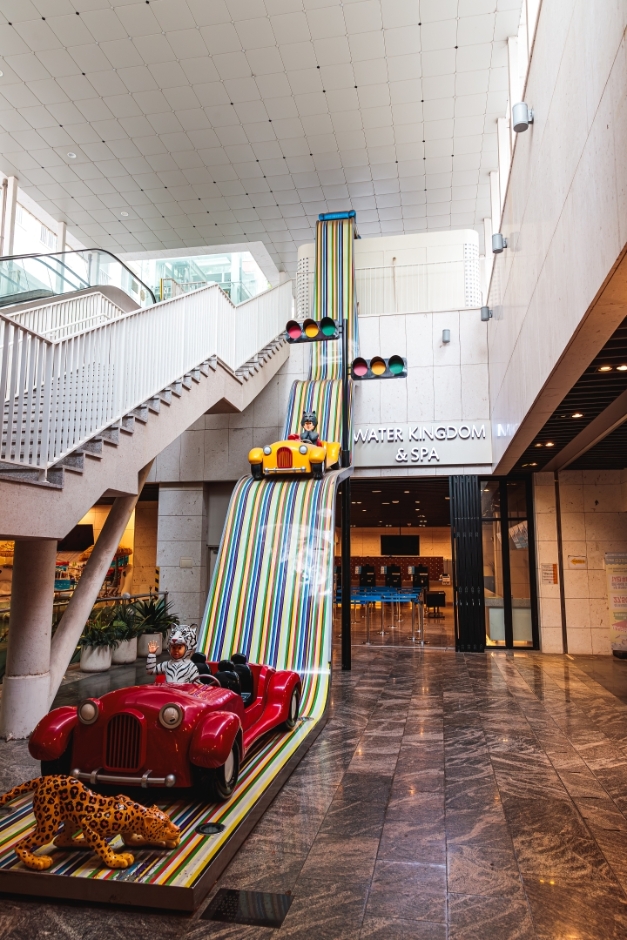
Park Habio Water Kingdom Water Park & Jjimjil Spa (파크하비오 워터킹덤&스파)
17.6Km 2025-10-24
111 Songpa-daero, Songpa-gu, Seoul
In the episode “Proxy Vacation,” where the members of Running Man take a summer vacation on behalf of the viewers, they are seen enjoying swimming and sliding in a cool pool. This refreshing vacation spot is the Water Kingdom & Spa in Songpa Park Habio. This indoor water park, open 365 days a year regardless of the weather, offers a variety of fun activities. If you get tired after playing in the water all day, you can also rest and recharge in the spa.
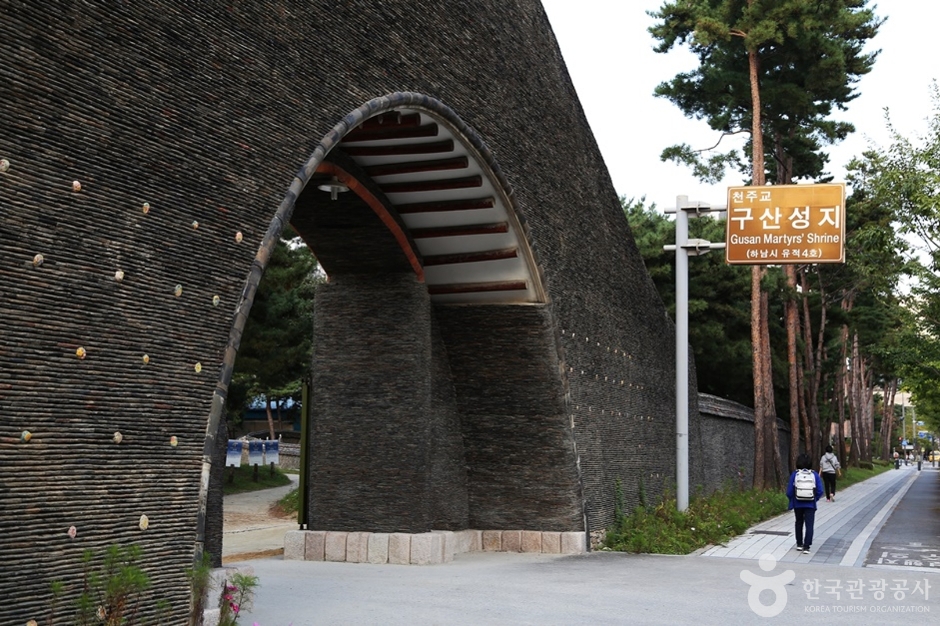
Gusan Martyrs' Shrine (구산성지)
17.7Km 2024-02-08
387-16 Mangwol-dong, Hanam-si, Gyeonggi-do
Gusan Martyrs' Shrine, located in Gusan Village, named for its turtle-shaped mountain, is a Catholic holy site. It houses the graves of nine martyrs, including Kim Seongwoo Antonio. The history of the martyrs, their persecution, and their lives, imbued with a spirit of martyrdom, attract Catholic pilgrims to the site. The area's picturesque landscaping also makes it a favored location for TV drama, commercial, and film productions.
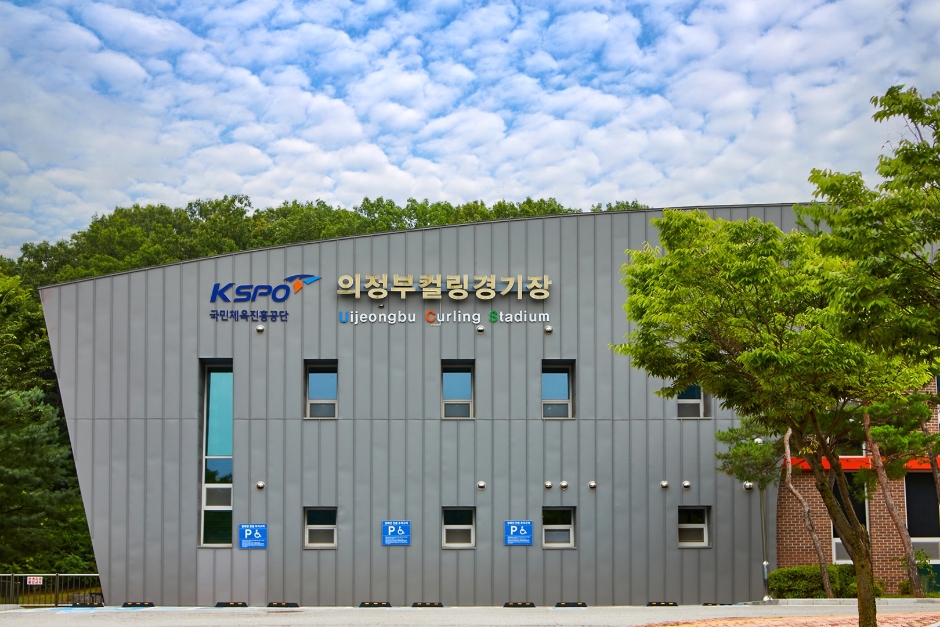
Uijeongbu Curling Stadium(의정부 컬링경기장)
17.9Km 2023-12-22
136, Cheyuk-ro, Uijeongbu-si, Gyeonggi-do
Curling is one of the most well-known winter sports. Uijeongbu Curling Stadium has a curling sheet built according to international standards, so it is often used by athletes, both domestic and international. The stadium is also notable for being open to the general public, so everyone can try curling or even take part in practice matches. Shoes, protective equipment, and stones are available for use.
The “Uijeongbu City Tour,” operated by the city of Uijeongbu, takes you around the city's major tourist attractions and includes a curling experience at the Uijeongbu Curling Stadium. The tour allows you to take a course on curling, then practice what you’ve learned through an experience program.
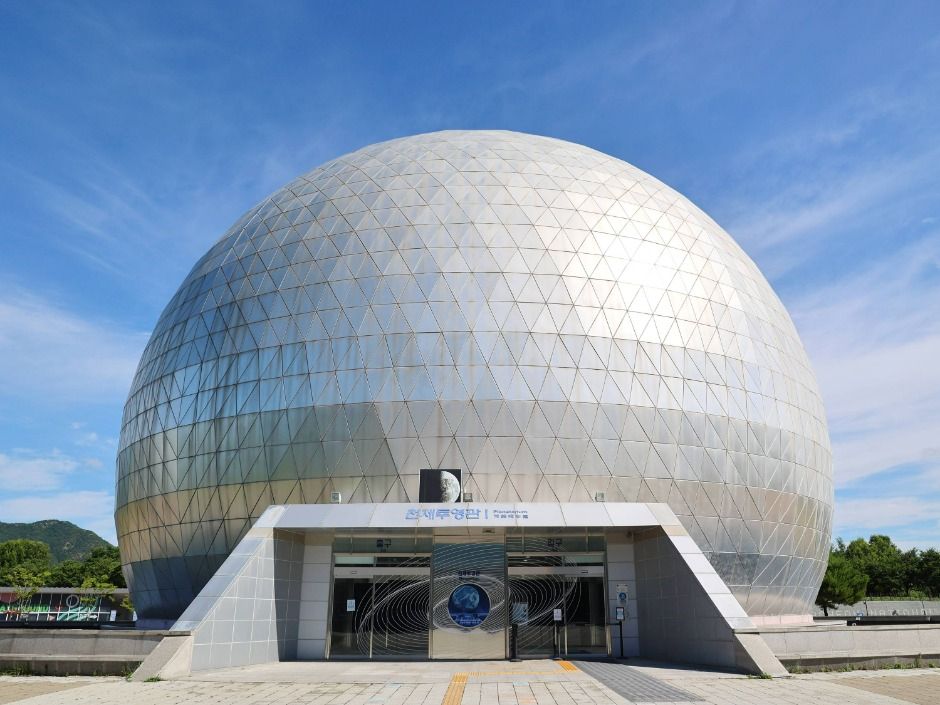
Gwacheon National Science Museum (국립과천과학관)
17.9Km 2025-07-14
110, Sanghabeol-ro, Gwacheon-si, Gyeonggi-do
As a landmark facility representing Korea’s advanced science and technology capabilities, Gwacheon National Science Museum strives to encourage young visitors to become interested in science and shares with the public scientific principles that govern daily life. The museum has permanent exhibition halls, special exhibition halls, a planetarium, outdoor exhibitions, and more. Over 50% of the exhibition items on display are interactive, allowing visitors to jump in and experience science first-hand using their minds and their imagination.
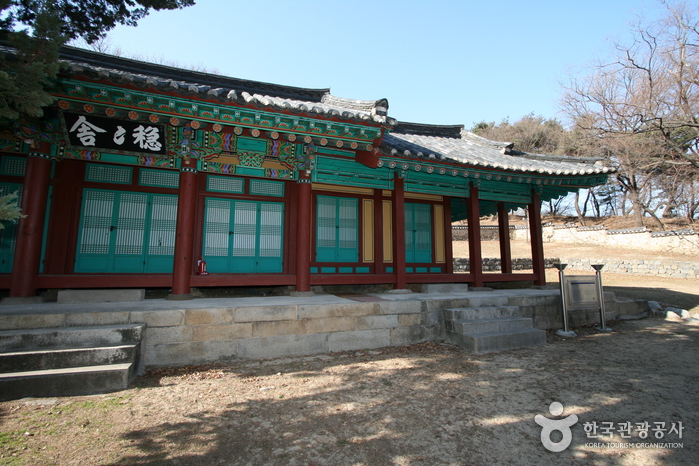
Ononsa Guesthouse (온온사)
18.2Km 2023-07-17
58 Gwanaksan-gil, Gwacheon-si, Gyeonggi-do
Though Ononsa, which was a guesthouse in Gwacheon, was constructed in the 27th year of King Injo's reign in the Joseon dynasty (1649), the name, "Ononsa," was given to this area during the reign of King Jeongjo. On February 11, 1790 during his royal procession to the tomb of his father, Crown Prince Sado, stayed at an inn in Gwacheon and, as he felt that it "has nice views and provides a comfortable stay," he bestowed upon the place plaques that he wrote himself - "Ononsa" to Seoheon and "Burimheon," which was the old nickname of Gwacheon, to Dongheon. This is how this place began to be called Ononsa.
It was designated as a Tangible Cultural Heritage of Gyeonggi-do on June 2, 1980, and it was restored on December 2, 1986 after being torn down.
Paju Bogwangsa Temple (보광사(파주))
18.2Km 2021-09-10
87, Bogwang-ro 474beon-gil, Paju-si, Gyeonggi-do
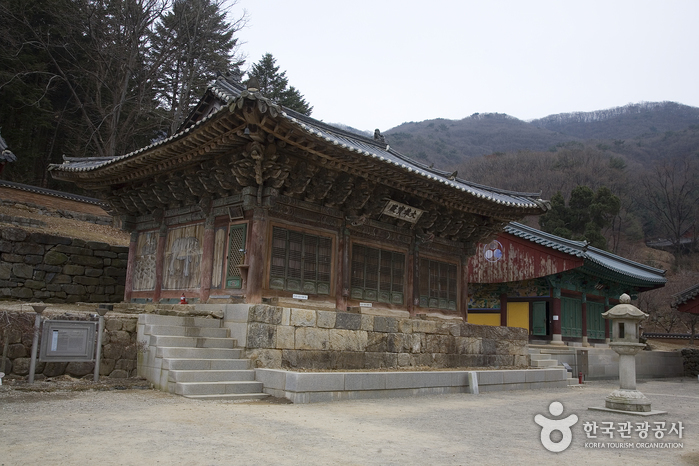
Bogwangsa Temple is a traditional temple located on the foothills of Goryeongsan Mountain in Paju. It was built by Great Monk Doseonguksa during the Silla Kindom period under the order of Queen Jinseong in AD 894. At the time, it was considered a hidden national treasure and one of the six grand temples located on the northern side of the Hangang River. In was once ruined during the Imjin War, and reconstructed in 1622 by Monk Seolmi and Monk Deogin. In 1667, Monk Jigan and Monk Seok Ryeon reconstructed Daeungbojeon Hall and Gwaneumjeon Hall.
Skylift (스카이리프트)
18.2Km 2025-11-11
102 Daegongwongwangjang-ro, Gwacheon-si, Gyeonggi-do
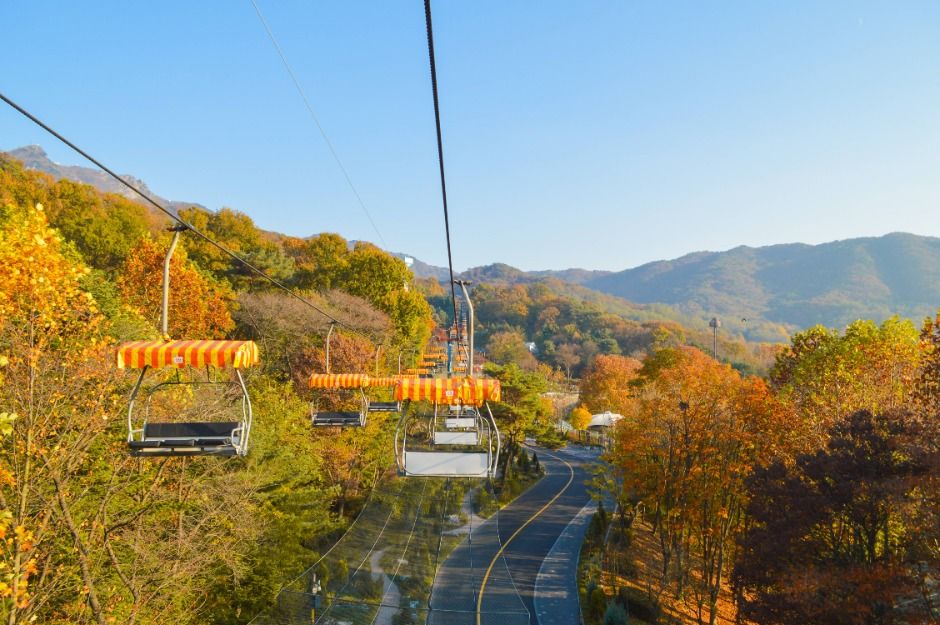
The Seoul Grand Park Skylift is an experiential transportation and tourist facility that operates within Seoul Grand Park. It consists of two lines, Line 1 and Line 2, and operates from the entrance of Seoul Grand Park to the north gate of the zoo, and from the north gate of the zoo to the top of the carnivore animals zone, respectively. It serves to connect major tourist destinations such as the zoo, themed gardens, and children's zoo, allowing visitors to move around efficiently. Visitors can also enjoy the natural scenery of Seoul Grand Park's lakes, forests, and flower paths while traveling on the lift. Available all year round, visitors can enjoy seasonal scenery such as cherry blossoms in spring, greenery in summer, autumn leaves in fall, and snowy landscapes in winter.
 English
 한국어
한국어 日本語
日本語 中文(简体)
 Deutsch
 Français
 Español
 Русский


