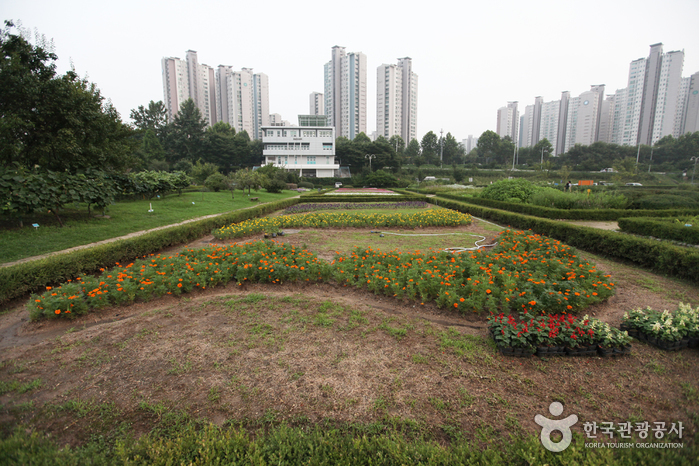
Jamsil Hangang Park (잠실한강공원)
12.4Km 2024-03-13
65, Hangaram-ro, Songpa-gu, Seoul
Jamsil Hangang Park is a leisure space along the Hangang River, conveniently located near Lotte World. It features facilities such as the Jamsil Hangang Swimming Pool and the Jamsil Natural Learning Center, where visitors can observe various aquatic plants and fish. Additionally, there are volleyball courts, children's playgrounds, and walking trails. Visitors can also enjoy the Hangang River's night view from the observation deck café installed on Jamsildaegyo Bridge. There are also designated areas like Jungkook Forest No. 3, created to commemorate the 24th birthday of BTS member Jungkook and RM Forest No. 1.

Circletour Co., Ltd. (주식회사 써클투어)
12.5Km 2025-10-23
(#1411, Hwanghwa Building), 320 Gangnam-daero, Gangnam-gu, Seoul
CIRCLETOUR was established in 2007, we aim to be a trustworthy and preferred travel agency. We operates on the principle of providing 'One & Only' services, offering safe medical tourism tailored to customer needs and trends for specially women and kids. We have experiences and expertise in customized premium medical tour.
East Nine Royal Tombs [UNESCO World Heritage] (구리 동구릉 [유네스코 세계문화유산])
12.5Km 2024-03-20
197 Donggureung-ro, Guri-si, Gyeonggi-do
The East Nine Royal Tombs, situated on the eastern outskirts of Hanyang (the Joseon dynasty capital), represent a significant collection of nine royal burial sites. This area serves as the final resting place for seven kings and ten queens from the Joseon era. The surrounding forest paths are accessible to the public during the spring and fall seasons. Additionally, the East Nine Royal Tombs Healing Culture and Arts Festival takes place here every autumn, offering a blend of cultural and artistic experiences.
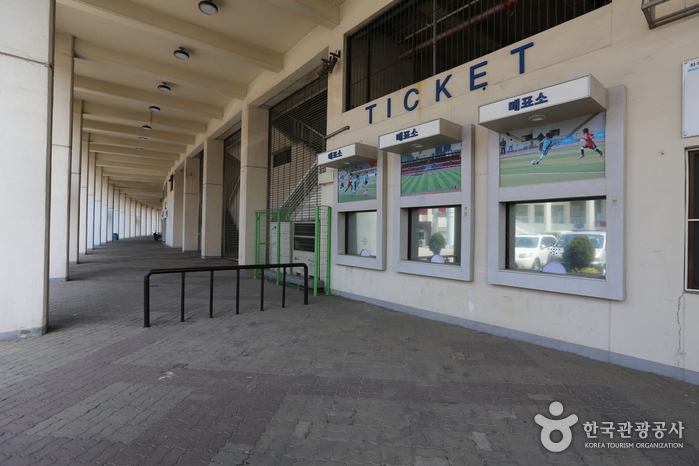
Mokdong Stadium (목동운동장(목동아이스링크,사격장)
12.5Km 2022-09-14
939, Anyangcheon-ro, Yangcheon-gu, Seoul
Mokdong Stadium was opened in 1989 with a stadium, a baseball field and an indoor ice rink and added footsal field in 2008 to improve Korea’s sports culture. The soccer field was used as the home field for K-league teams in the past. The ice rink hosts hockey matches and figure skating competitions as well as ice ballet performances. Other facilities include a main square, an indoor shooting range and a gym for residents to enjoy.
Mediwin Co., Ltd. (주식회사 메디윈)
12.6Km 2025-10-23
(#1111, Korea Business Center), 309 Gangnam-daero, Seocho-gu, Seoul
Mediwin has worked with the best hospitals in Korea to promote medical tourism and international patients.
For severe international patients, we collaborate with Asan Medical Center and Seoul St. Mary's Hospital, and we serve patients through all specialties: ophthalmology, plastic surgery, dermatology, dentistry, internal medicine, and medical checkups, etc.
We always strive to help Mongolian patients choose the right hospital for their conditions and secure the best medical care.
We founded the company to promulgate Korea's medical excellence across the world.
We offer medical and general tourism services and have extensive experience serving Mongolian visitors.
We hope you will find the best medical experience at Mediwin, Co., Ltd. Thank you.
201Company (이공일컴퍼니)
12.7Km 2025-10-23
2F, 151 Dogok-ro, Gangnam-gu, Seoul
201 Company runs a full-service travel agency called 201 Medi Tour, which supports medical tourism, including attracting foreign patients, in a more efficient package format.
Customers can select services they want such as the hospital, tours, meals, accommodations, vehicles, medical interpretation, and tour guides. 201 Company partners with approximately 200 hospitals in various disciplines, including critical patients, rehabilitation, physical check-ups, plastic surgery, dermatology, dentistry, ophthalmology, and traditional Korean medicine. Additionally, the company offers various products including wellness programs (relaxation, retreat, healing) along with medical services. The company recommends, provides, and operates customized medical tourism packages through communication with customers.
Gangnam JS Hospital (강남제이에스병원)
12.7Km 2025-10-23
122 Dogok-ro, Gangnam-gu, Seoul
Located in Dogok-dong, Gangnam-gu, Seoul, Gangnam JS Hospital is an orthopedic hospital staffed by doctors who have served the Korean national soccer team. We specialize in cartilage regeneration and degenerative arthritis treatment using cord blood stem cells.
We have published eight SCI(E) papers in our field and, with advanced medical technology and care, have attracted celebrities and royalty from the GCC countries, as well as international patients from diverse backgrounds, including Guus Hiddink, a renowned soccer coach.
We focus on treating sports injuries and spinal pain, including back and neck issues, offering the same level of care as for national athletes.
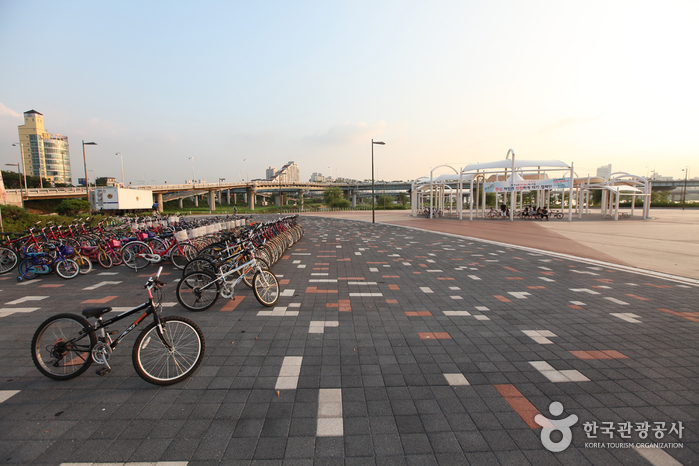
Gwangnaru Hangang Park (광나루한강공원)
12.8Km 2021-12-25
83-66, Seonsa-ro, Gangdong-gu, Seoul
Hangang Citizen's Park, composed of 12 areas including Jamsil, Ttukseom and Jamwon, is an eco-friendly park providing areas for sports and leisure. The park is equipped with various cultural and recreational facilities and also has an ecological park. Gwangnaru Hangang Park formed naturally through rich silt that flowed in from the upper Hangang River that was then filled with reeds, creating an ideal habitat for groups of migratory birds.
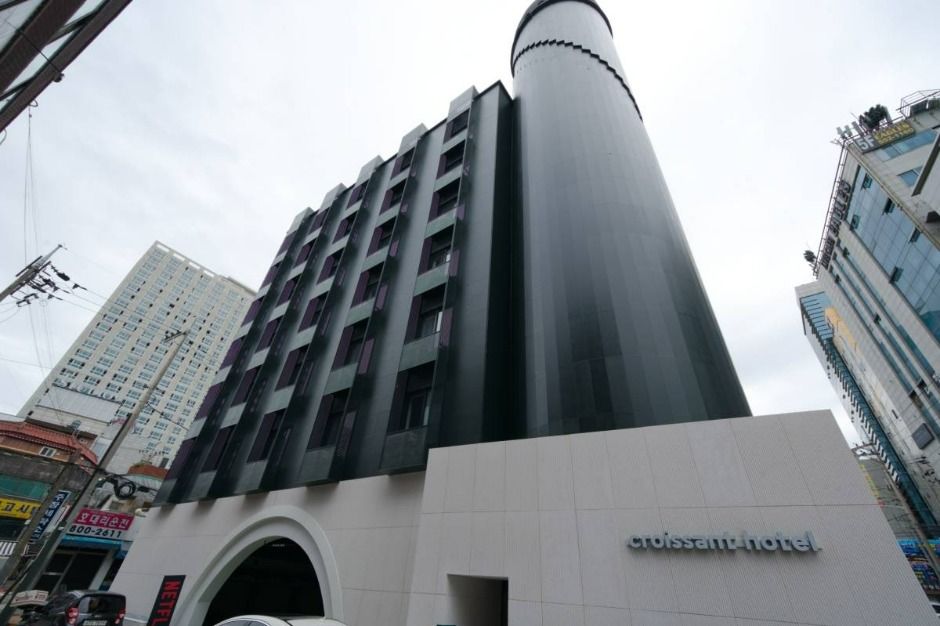
The Hyoosik Croissant Hotel Guri (더휴식 크로와상호텔 구리점)
12.8Km 2025-04-08
148 Cheyukgwan-ro, Guri-si, Gyeonggi-do
The Hyoosik Croissant Hotel Guri offers a variety of theme-based room types for both leisure and relaxation, such as a standard music room with blutooth speakers, a deluxe home-training room with yoga equipment, a deluxe couple room with high-end gaming PC, a deluxe healing room with a lounge chair, a twin bedroom, a game suite room with Playstation 4 Pro, a movie suite room with a beam projector, a sing suite room with noraebang equipment and soundproof walls, and a party suite room with a kitchenette. The hotel also has a parking lot, guest lounge, rooftop area, and coin laundry.
Jangdeok Hospital of Korean Medicine (장덕한방병원)
12.8Km 2025-10-23
B2-4th Floors, Bluefin Tower,
Jangdeok Korean Medicine Hospital provides integrative care through collaboration of Korean and Western medicine, operating specialty centers in shoulder, knee, spine, dermatology, brain health, and prostate. Its dermatology center specializes in resistant pigmentation removal and long-lasting deep wrinkle lifting.
 English
 한국어
한국어 日本語
日本語 中文(简体)
 Deutsch
 Français
 Español
 Русский


