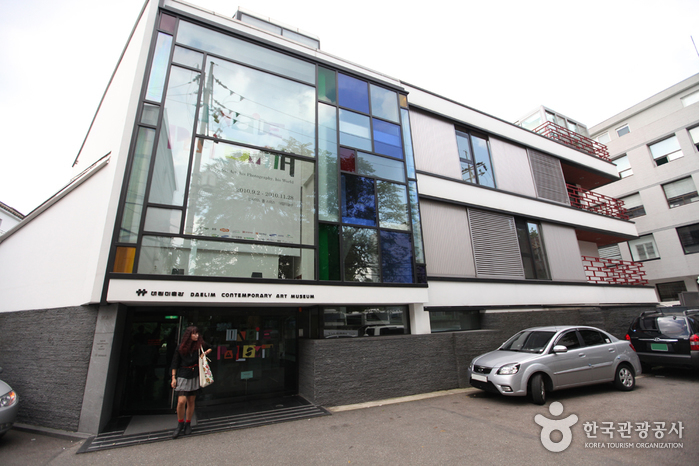
Daelim Museum (대림미술관)
1.7Km 2022-07-29
21, Jahamun-ro 4-gil, Jongno-gu, Seoul
+82-2-720-0667
The Daelim Museum, built by the Daelim Group, was first established in Daejeon in 1996 and later moved to Jongno, Seoul in 2002. The art gallery studies, analyzes, and presents modern art through the lens of photography and holds exhibitions centered around photo media.
The museum is located in the residential area of Tongui-dong, near the time-honored Gyeongbokgung Palace. The museum, which was designed by French architect, Vincent Cornu, and built by the Daelim Corporation, opened its door to the public in late May 2002.
On the first floor, there is a garden, parking lot, reception desk, storage area, and conference room. On the second and third floor are offices and exhibition hall approximately 595 m² in size, consisting of small and large rooms, a long gallery, and a special high-ceilinged exhibition space. On the fourth floor, there is a seminar room that can seat up to 120 guests and a balcony with a beautiful view. From the balcony of the seminar room, Visitors can also enjoy a wide open view of Inwangsan Mountain and Bukhansan Mountain. The stained glass panels (designed to reflect the beauty of traditional Korean wrapping cloth) and the scenic lounges on the 2nd and 3rd floors of the building add to the overall charm.
Above all else, the museum was designed with consideration of the photos, which are very sensitive to humidity, light, and temperature.
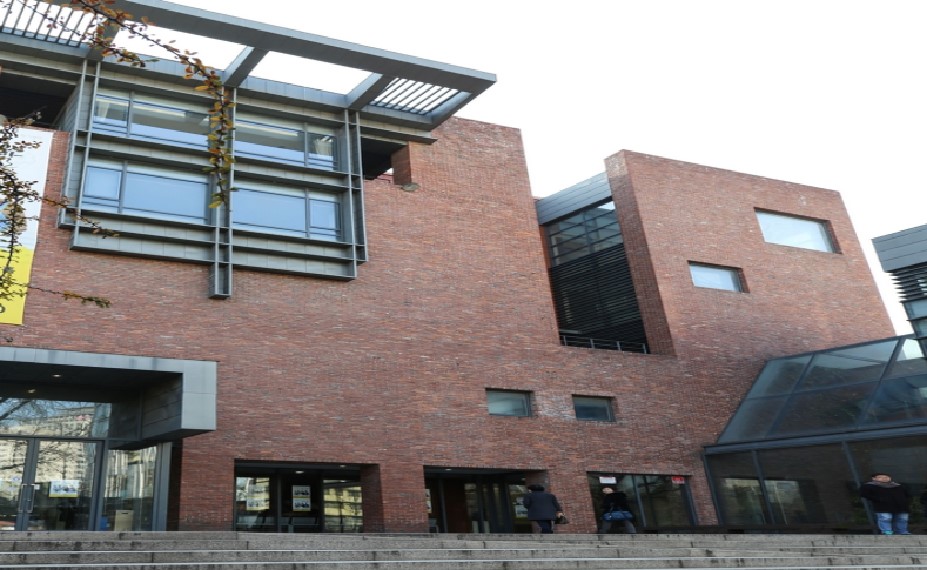
Ewha Centennial Hall (이화여고100주년기념관)
1.7Km 2024-02-20
26 Jeongdong-gil, Jung-gu, Seoul
Ewha Centennial Hall is a multimedia education center located next to Ewha Girls' High School. Spanning underground and five above-ground floors, it features a gallery, a cafe, music rooms, individual practice rooms, and audio-visual rooms. The Hwaham Hall on the first and second floors is utilized for performances such as musicals and concerts, as well as educational events.

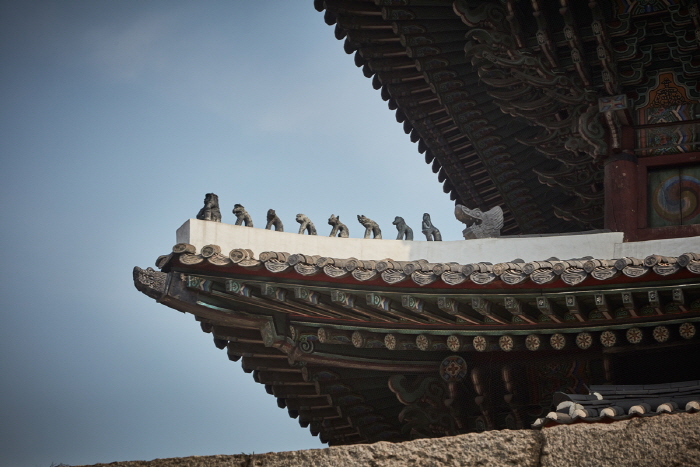
Heunginjimun Gate - Dongdaemun Gate (흥인지문)
1.7Km 2025-10-23
288, Jong-ro, Jongno-gu, Seoul
+82-2-2148-1842
Heunginjimun Gate was built to protect Hanseongbu, which historically housed essential government facilities. Heunginjimun Gate was the gate on the east side of the outer wall of Seoul Fortress among eight gates. It is referred to as Dongdaemun Gate as well. The gate was constructed during King Taejo’s 5th year in 1396, remodeled during the reign of King Danjong in 1453, and was newly built in 1869 during the sixth year of King Gojong’s reign in 1869.
The gate features a hipped roof with five front and two side compartments on a two-storied building. The thin and weak bracket system supports the eaves and is excessively decorated, reflecting the construction features of the late Joseon period. Also, outside of the fortress is the half-circle-shaped Ongseong, a small wall, to protect the gate.
One of the unique factors of Heunginjimun Gate is that it is the only gate among Seoul’s eight to have Ongseong, further exhibiting the style of construction used during the late Joseon period.
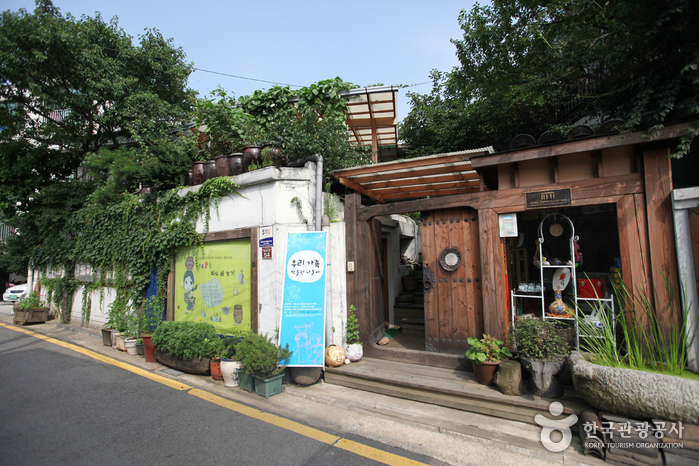
Bukchon Museum (북촌생활사박물관)
1.8Km 2022-08-30
90, Bukchon-ro 5na-gil, Jongno-gu, Seoul
+82-2-736-3957
The Bukchon Museum displays items that have been collected from Bukchon, a historical village that was once home to the nation’s nobility. The museum was founded to observe urban development that took place in the recent decades through collected and preserved veryday household items that were used by Bukchon residents. Visitors are even allowed to touch items on display to better be able to imagine life in Korea before industrialization.
Danha(단하)
1.8Km 2025-11-05
39-7 Palpan-gil, Jongno-gu, Seoul
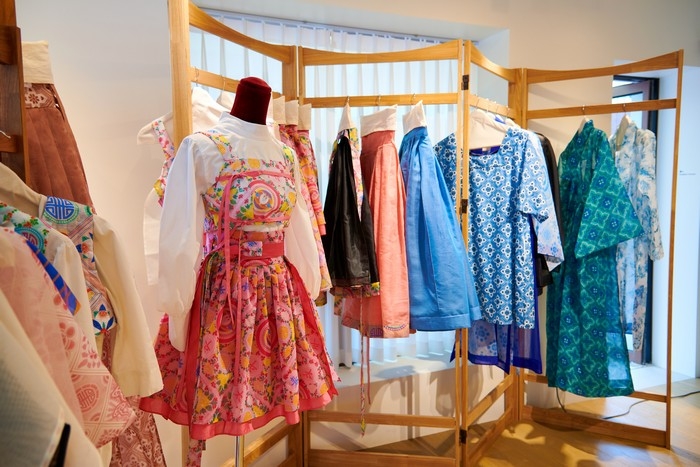
BLACKPINK's “HOW YOU LIKE THAT” music video created a sensation, reaching 100 million views within 32 hours of its release. The most noteworthy part of the music video was the hanbok they wore. Danha, which was in charge of making the costumes, improved the traditional hanbok and completely recreated it as a stage costume, garnering attention from all over the world. Danha is famous for designing hanboks using traditional patterns. The patterns engraved on the clothes in the BLACKPINK music video used the phoenix design pattern of the royal cloth. Danha's hanbok can be purchased through the online shop, and if you want to have it custom-made, you can visit Danha Maison after making a reservation.
 English
 한국어
한국어 日本語
日本語 中文(简体)
 Deutsch
 Français
 Español
 Русский


