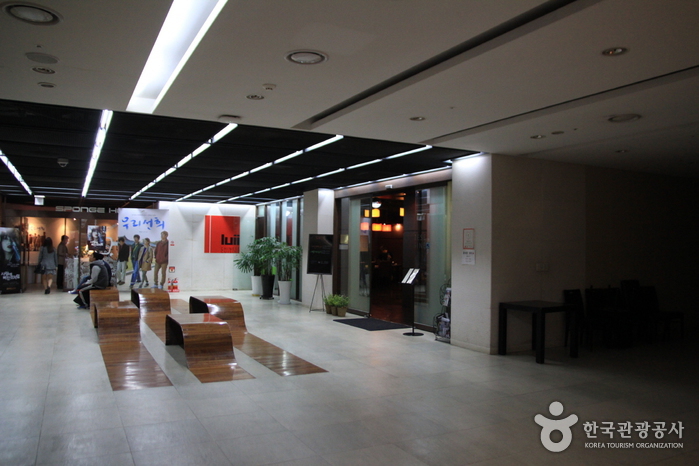
Luii (루이)
1.2Km 2024-07-17
40, Sejong-daero 21-gil, Jung-gu, Seoul
+82-2-736-8889
Luii is a Chinese restaurant operated by a veteran chef with extensive experience in Chinese cuisine. The restaurant has several rooms of different sizes to accommodate various events. It also has a VIP room for more private gatherings.
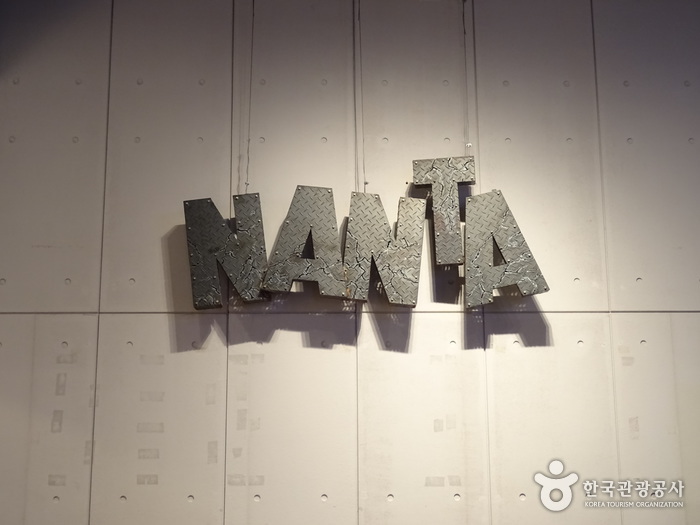
Myeongdong Nanta Theatre (명동난타극장)
1.2Km 2021-07-23
26, Myeongdong-gil, Jung-gu, Seoul
+82-2-739-8288
Nanta, Korea's representative non-verbal performance, opened their fourth exclusive theater in Myeong-dong, the center of shopping. The 386-seat theater is located within the UNESCO Building. It is the largst of the Nanta theaters, and was the first to present foreign actors within the performances. There are 3 shows every day, all year round.
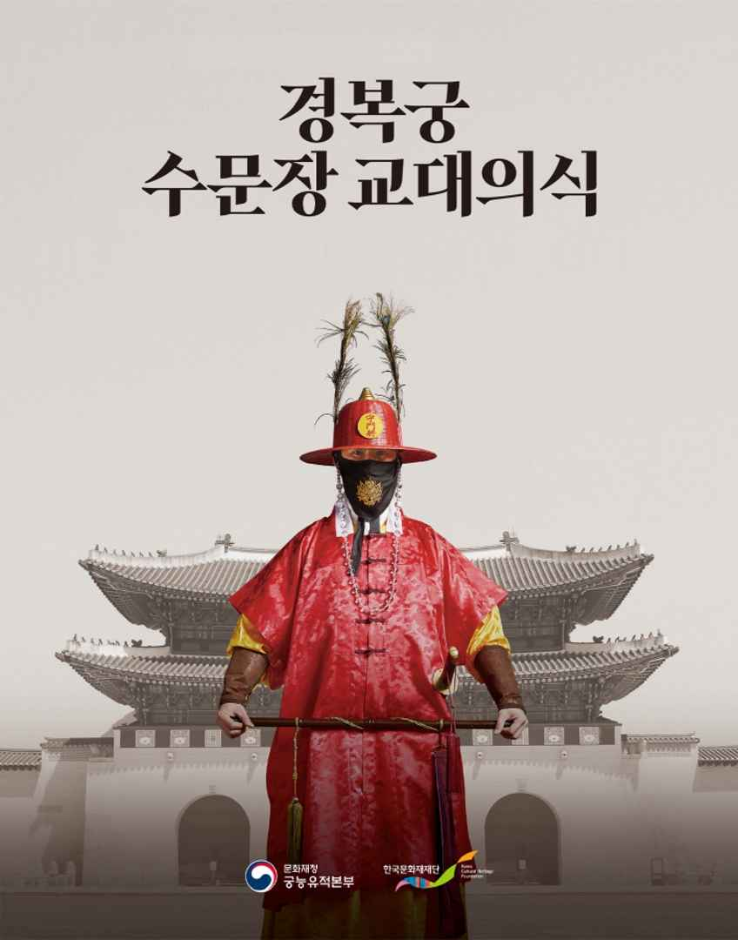
Palace Royal Guard Changing Ceremony (수문장 교대의식)
1.2Km 2025-07-11
161 Sajik-ro, Jongno-gu, Seoul
+82-2-3210-1645
In the Joseon dynasty, the royal guards of the palace were gatekeepers who were responsible for guarding the the main gates of Gyeongbokgung Palace as well as the main gates of the city such as Heunginjimun Gate and Sungnyemun Gate. The royal guards worked in shift duties and were in charge of opening and closing Gwanghwamun Gate. Before the royal guard system was enforced in 1469, the palace gates were protected by soldiers of the central army. The Palace Royal Guard Changing Ceremony held at Gyeongbokgung Palace and the Gwanghwamun area reenacts the guard-changing procedure that took place during the Joseon dynasty, along with the reproduction of costumes and weapons, based on historical records.
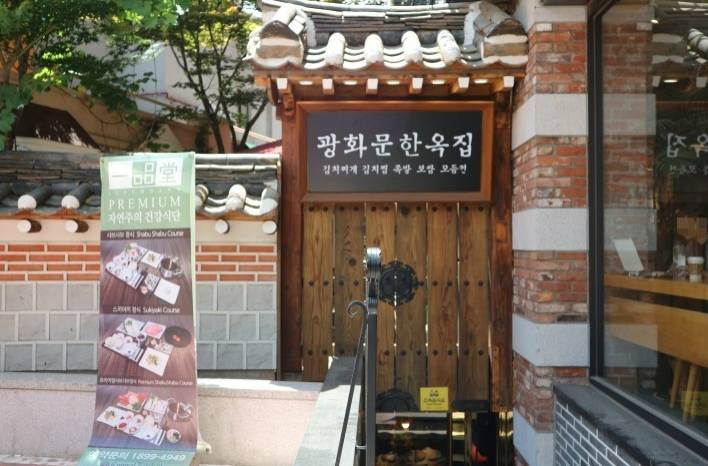
Gwanghwamun Hanokjip (광화문한옥집)
1.2Km 2024-10-15
7, Saemunanro5ga-gil, Jongro-gu, Seoul
+82-2-731-2500
A store with rooms reproducing a traditional kitchen. The best menu at this restaurant is napa wraps with pork. This is a Korean cuisine located in Gwanghwamun Gate, Seoul.
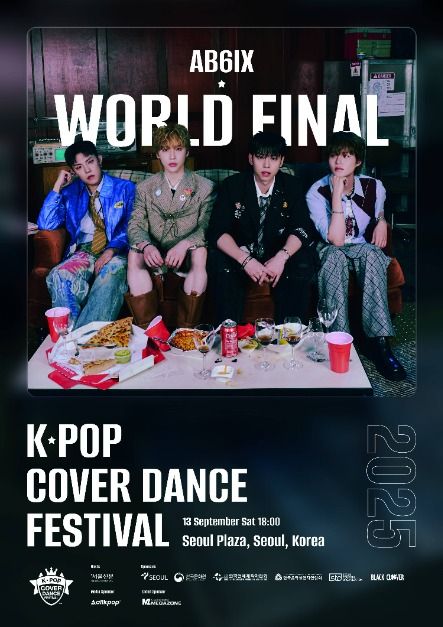
K-Pop Cover Dance Festival World Final (K-POP 커버댄스 페스티벌 월드 파이널)
1.2Km 2025-10-23
110 Sejong-daero, Jung-gu, Seoul
+82-2-2000-9324
The K-Pop Cover Dance Festival World Final brings together K-pop fans from around the world, offering them a chance to become the main stars on stage. Going beyond just dance, the festival provides a platform where K-pop fans worldwide can share their culture, build a global network, express their passion through dance, and connect the entire world through Korean culture and K-pop.
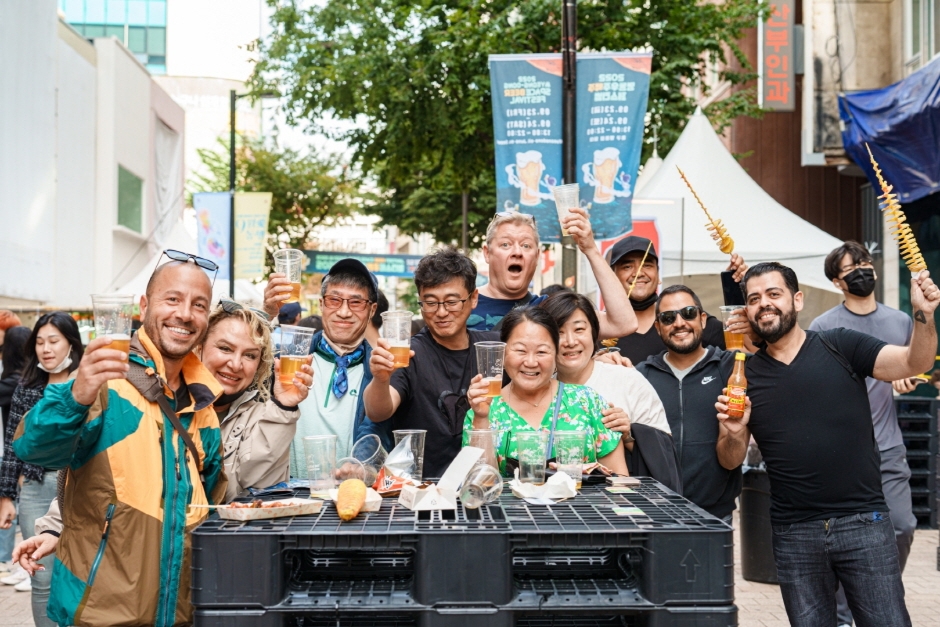
Myeongdong Beer Festival (명동맥주페스티벌)
1.2Km 2025-05-20
14, Myeongdong-gil, Jung-gu, Seoul
+82-70-8670-2182
Myeongdong Beer Festival provide a chance to find one's preference through beer. Enjoy the cool fall weather with fun people all around.

Seoul Plaza (서울광장)
1.2Km 2024-06-19
110 Sejong-daero, Jung-gu, Seoul
+82-2-2133-5640
Seoul Plaza in front of Seoul City Hall is a historic site where the March 1, 1919 (Samil) Independence Movement and the pro-democracy movement in June 1987 were held. It is also a well-known place where tens of thousands of Korean soccer fans gathered together to watch the 2002 World Cup Games. Being located within the center of the city and surrounded by many historic attractions, including Deoksugung Palace, Seoul Plaza has become a representative attraction of Seoul.
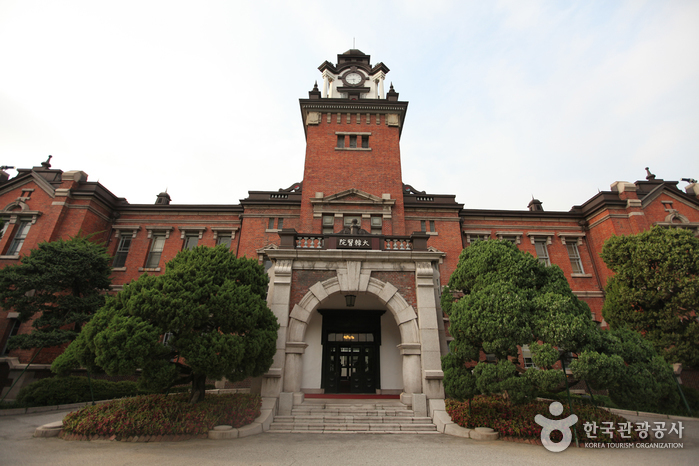
The Museum of Medicine (서울대학교병원의학박물관)
1.2Km 2024-03-18
101 Daehak-ro, Jongno-gu, Seoul
The Museum of Medicine is located in the building of the former Daehan Medical Center, the oldest modern hospital in Korea. It is a medical museum that provides a comprehensive view of the development of modern medicine in Korea, the history of medical devices, and the transformation of Seoul National University Hospital. Through permanent and special exhibitions, the museum showcases medical artifacts and documents related to the history of medicine.
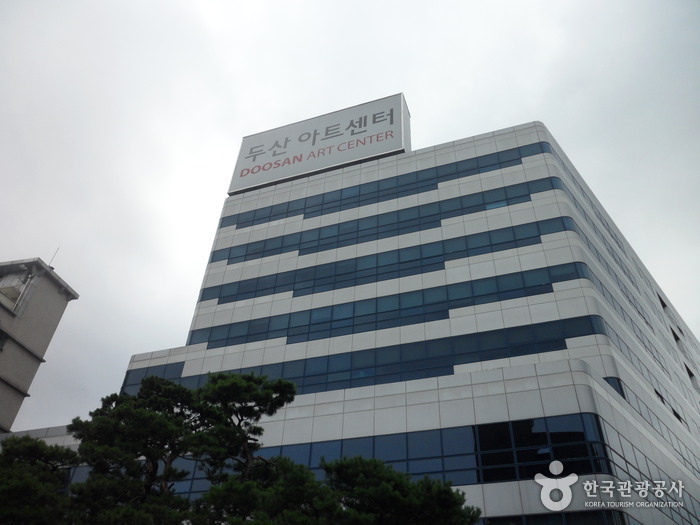
Doosan Art Center (두산아트센터)
1.2Km 2021-11-01
15, Jong-ro 33-gil, Jongno-gu, Seoul
+82-2-708-5001
Doosan Art Center, which opened on October 1, 2007, is structured around three different spaces: The Yonkang Hall, exclusively designed for musical performances, Space 111, a “space for art incubation,” and the Doosan Gallery, built for installations.
The Yongang Hall, a theater with 620-person seating capacity, has specially designed lightings and a world-class audio-visual system to provide a second-to-none sensory experience.
Space 111 can accommodate a broad range of performing arts, from theater and dance to film and music concerts. The Doosan Gallery is open to the public, and art exhibitions and performances here can be enjoyed free of charge.
All three theaters include spacious lobbies with handicapped access, designated seating for parents with infants, and meeting areas. Rest rooms are also available nearby, in order to avoid long queues and long walks during intermission.
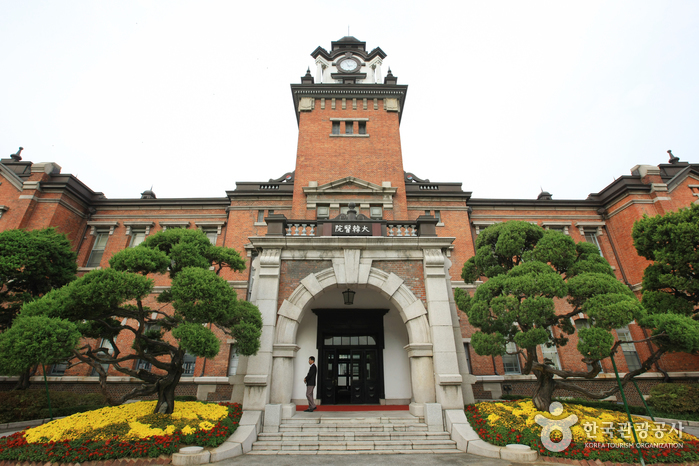
Seoul Daehan Hospital (서울 대한의원)
1.2Km 2021-12-23
101, Daehak-ro, Jongno-gu, Seoul
+82-2-2148-1842
Daehanuiwon (Daehan Medical Center) is an antique two-story brick building within the grounds of Seoul National University Hospital. It was established under the direct administration of the Uijeongbu (State Council), combining the Gwangjewon (under the Home Ministry), Gyeongseong Medical School and the Korean Red Cross Hospital (under the Royal Household).
Built in the Madubong Hill area, this location where Hamchunwon, the outer garden of Changgyeonggung Palace, once stood in 1484 (15th year of King Seongjong), was also once the site of Gyeongmogung Palace, where King Jeongjo enshrined the mortuary tablet of his birth father Crown Prince Sado Seja in 1776 (the year King Jeongjo ascended to the throne).
These places that held importance for the royal family were destroyed as the Japanese built Gyeongseong Empire University in its place. In 1907, with the announcement of the plan to establish Daehan Medical Center, construction began on the main building, seven wards and affiliated buildings. Construction was completed in November 1908.
The Daehan Medical Center opened in Gwangjewon, but upon Japanese colonization in 1910, its name was changed to the Japanese Viceroyalty Hospital. In 1926, it was included as a part of Gyeongseongjeguk University to become a university hospital. Since the liberation of Korea in 1945, it has been a hospital affiliated with Seoul National University.
 English
 한국어
한국어 日本語
日本語 中文(简体)
 Deutsch
 Français
 Español
 Русский


