
DA Plastic Surgery (디에이성형외과)
9.8Km 2025-10-23
DA Plastic Surgery Building, 125 Teheran-ro, Gangnam-gu, Seoul
DA Plastic Surgery operates plastic surgery, dermatology, hair transplant center, and anti-aging center and is located in Gangnam Station.
It consists of 42 professional medical staff including plastic surgeons, breast surgeons, otolaryngologists, and anesthesiologists. It provides interpretation services in eight languages, including English, Chinese, Japanese, Mongolian, Vietnamese, Indonesian, Russian, and Thai. We are building an all-in-one service for foreign customers ranging from airport pickup to consultation, examination, surgery, treatment, and follow-up care.
Ttukseom Hangang Park (뚝섬한강공원)
9.8Km 2024-07-09
139 Gangbyeonbuk-ro, Gwangjin-gu, Seoul
Ttukseom Hangang Park was a famous resort site even before its rebirth as part of the greater Hangang Park. The park consists of various amenities: music fountains, a riverside square, a rose garden, playground, and a nature learning center.
The park boasts an exquisite cultural complex called Jabeolle (J-Bug), offering plenty of art and rest facilities as well as a magnificent view of the Hangang River. Conveniently located near Ttukseom Resort Station, Jabeolle houses a café, tea house, and gift shop, as well as exhibitions by media artists.
Ttukseom Hangang Park is open all year round and has a variety of attractions that change with each season. During the summer season, visitors can enjoy the thrill of windsurfing, waterskiing, and motor boating. During spring and fall, the park has a number of seasonal flower exhibitions. In winter, sledding and skating await.
In addition, the park offers facilities for X-Games, artificial rock climbing, cruise ships, a Saturday Flea Market, a nursing mothers’ rooms, and women's lounges, making the park a popular place for Seoul citizens.
LG Arts Center (LG아트센터)
9.8Km 2024-03-18
(LG Arts Center Seoul), 136, Magokjungang-ro, Gangseo-gu, Seoul
LG Arts Center is a cultural complex space designed by Tadao Ando, a world-renowned architect. Its architectural excellence and design have won great acclaim. The main facilities contain performance halls, Art Lounge, and Studio. The LG SIGNATURE Hall, a multipurpose performance hall, has a capacity of 1,300. Its state-of-the-art facilities and sound design have drawn many visitors and performances to the complex.
Songkang Canoe School - Seoul branch (송강카누학교 서울분교)
9.8Km 2023-10-06
139, Gangbyeonbuk-ro, Gwangjin-gu, Seoul
Songkang Canoe School has a variety of services and equipment that enables visitors to experience the joys of kayaking worry-free. Kayak lessons, rentals, tours and equipment storage services are available. Make new friends and enjoy the beauty of the Hangang River with a visit to the Gangnam Canoe Club.
Kayaking at the Songkang Canoe School is taught with a methodical system that aims at giving more people a safe and enjoyable kayaking experience, regardless of level. The club staff love nature and have a passion for paddle sports. Using a dynamic teaching approach, staff members see teaching paddle sports as their mission in life, not just a job. With a pleasant, supportive staff that is always in pursuit of new experiences, participants are sure to create their own adventures.
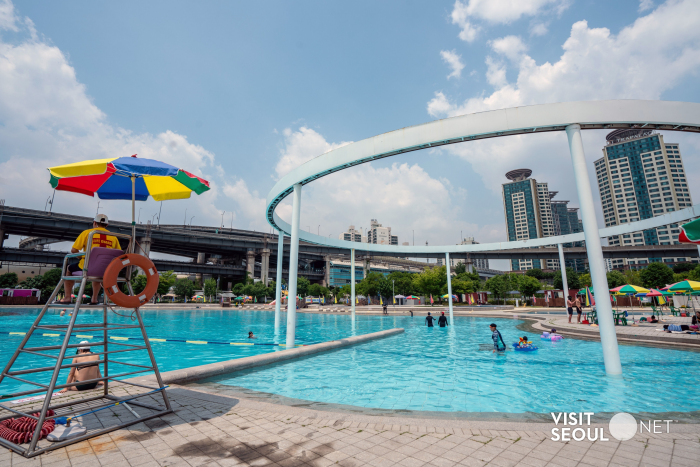
Ttukseom Hangang Park Outdoor Swimming Pool (한강시민공원 뚝섬수영장(실외))
9.8Km 2023-10-06
139, Gangbyeonbuk-ro, Gwangjin-gu, Seoul
The public outdoor swimming pool at Ttukseom Hangang Park is a fun theme park in the middle of the city.
Himedi, Inc. (하이메디)
9.8Km 2025-11-21
4th Floor, 6-9 Teheran-ro 25-gil, Gangnam-gu, Seoul
Your Health, Your Journey. World-class medical tourism in South Korea, on your terms.
We only work with best clinics in Korea.
Our curated check up packages use Korea's most advanced diagnostic to give you answer beyond a typical exam, from full body check up to hormon test. Every packages comes with Himedi's concierge support.
We also provide a complete range of wellness and aesthetic services—including advanced skin care, hair restoration, dental treatments, vision correction, stem cell therapy, plastic surgery, and body sculpting—to help you look and feel your best.
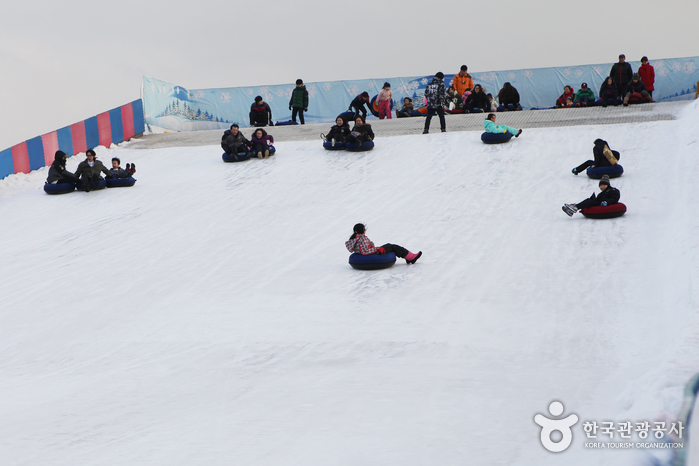
Ttukseom Hangang Park Sledding Hill (한강공원 뚝섬 눈썰매장)
9.8Km 2023-11-02
139, Gangbyeonbuk-ro, Gwangjin-gu, Seoul
Ttukseom Hangang Park Sledding Hill is comprised of large and small slopes as well as a snow hill, rides, smelt-fishing and other hands-on program venues.
Glory Seoul Eye Clinic (글로리서울안과의원)
9.9Km 2025-10-23
2F, 3 Seocho-daero 74-gil, Seocho-gu, Seoul
At Glory Seoul Eye Clinic, the medical staff members are graduates of Seoul National University and have abundant surgical experiences spanning 15 years. They have also worked on over 100 thousand presbyopia and cataract surgery cases, a first in Korea. The clinic provides safer, skilled medical services with its CATALYS® laser and fourth-generation advanced vision correction equipment.
The top-notch medical staff treats various conditions such as All-Laser LASIK, All-Laser LASEK, lens implantation, presbyopia correction, cataract surgery, and retinal diseases.
The clinic provides services tailored to the needs of medical tourists who prioritize medical technology, service quality, and price. Additionally, convenient transportation access is another merit of the clinic as it is located in the vicinity of Gangnam Station, an area that represents Seoul. Glory Seoul Eye Clinic's priority is to improve the quality of life of medical tourists through vision improvement.
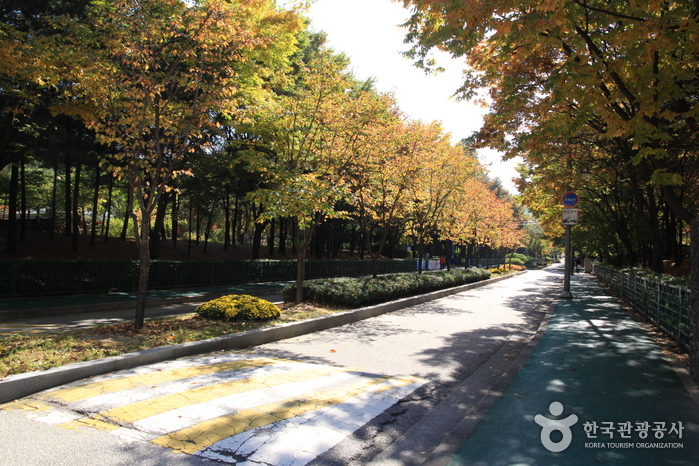
Bonghwasan Mountain - Seoul (봉화산 (서울))
9.9Km 2022-09-14
Sinnae-ro 21-gil, Jungnang-gu, Seoul
Bonghwasan Mountain (alt. 160 meters) in Jungnang-gu, Seoul offers scenic views of Buramsan, Dobongsan, and Namsan mountains. From the mountain, hikers can even see as far as the Yangju area of Gyeonggi-do Province to the north. Officially designated a “neighborhood park” in July 1977, Bonghwasan Mountain has a variety of convenience facilities, not least of which is the beacon tower of Achasan Bongsudae (remolded in 1994) perched on the mountain summit. Also near the summit is Sansingak Shrine, which is the site of the annual Bonghwasan Dodanggut (Intangible Cultural Property of Seoul), a shamanistic rite performed on the third day of the third lunar month.
Dogo Dental Clinic (도고치과의원)
9.9Km 2025-10-23
(4th Floor, Yungok Building), 533 Bongeunsa-ro, Gangnam-gu, Seoul
‘Dogo’ is an ancient Korean word used to describe the groundwork that had to be done before placing the foundation stone to build traditional Korean houses and buildings. Dogo Dental Clinic pursues only the best treatment based on fundamentals, principles, and hygiene. We share all processes with our patients and do not overtreat.
Dr. Rumi Lee from New Zealand provides the best treatment in English with diverse experience practicing in both New Zealand and Korea for several years.
We are very close to COEX and Bongeunsa Temple and in close proximity to transportation options, convenience facilities, and tourist attractions. Thus, you can enjoy many other experiences before and after receiving dental treatment.
Our clinic boasts an elegant interior and treatment space but the treatment fee is reasonable, so many patients like to visit. With Dr. Lee's delicacy and gentleness, even those who are afraid of dental treatment can feel comfortable.
 English
 한국어
한국어 日本語
日本語 中文(简体)
 Deutsch
 Français
 Español
 Русский


