
Seoul Plaza (서울광장)
731.0M 2024-06-19
110 Sejong-daero, Jung-gu, Seoul
+82-2-2133-5640
Seoul Plaza in front of Seoul City Hall is a historic site where the March 1, 1919 (Samil) Independence Movement and the pro-democracy movement in June 1987 were held. It is also a well-known place where tens of thousands of Korean soccer fans gathered together to watch the 2002 World Cup Games. Being located within the center of the city and surrounded by many historic attractions, including Deoksugung Palace, Seoul Plaza has become a representative attraction of Seoul.

Unhyeongung Royal Residence (서울 운현궁)
741.5M 2024-03-04
464, Samil-daero, Jongno-gu, Seoul
+82-2-766-9090
Located near the Gyeongbokgung Palace, Unhyeongung Palace was a residence of royalty in Joseon period. It was the place where Gojong (1582-1919, reign 1864-1907), king of Joseon (1392-1897) and emperor of the Korean Empire (1897-1910), was born in, as well as the place where Heungseon Daewongun (1821-1898), his father, had resided in. Buildings include Noandang Hall, Norakdang Hall, and Irodang Hall. The Royal Residence offers programs like traditional weddings and traditional culture experiences, while the exhibition hall showcases Joseon-era artifacts.
Jongno 3 (sam)-ga Pocha Street (종로3가 포장마차 거리)
744.9M 2025-11-06
12-1, Gwan-su-dong, Jongno-gu, Seoul
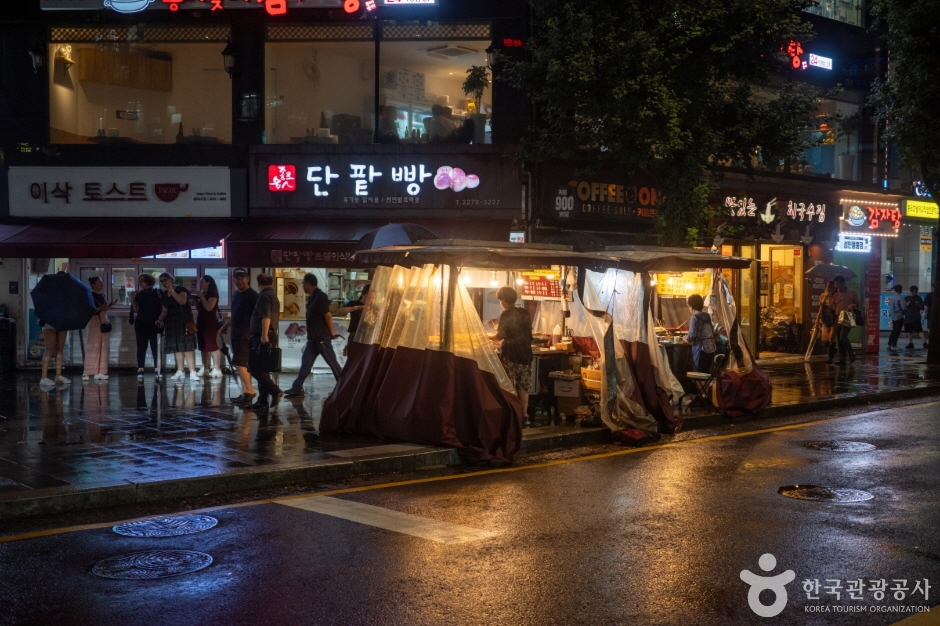
It is one of Seoul's representative Pocha Streets boasting history and tradition. When you come out of Jongno 3-ga Station, exit 6 (toward the Nakwon Music Mall), you will find a lot of food stalls with a crowded atmosphere. There are vinyl covered areas and open areas, so you can choose according to your taste. It is a heaven for snacks such as Chicken feet, Octopus, Udon Kimchi Pancakes, and Rolled Omelet.
Kumho Art Hall (금호아트홀)
745.8M 2021-05-28
76, Saemunan-ro, Jongno-gu, Seoul
+82-2-6303-1977
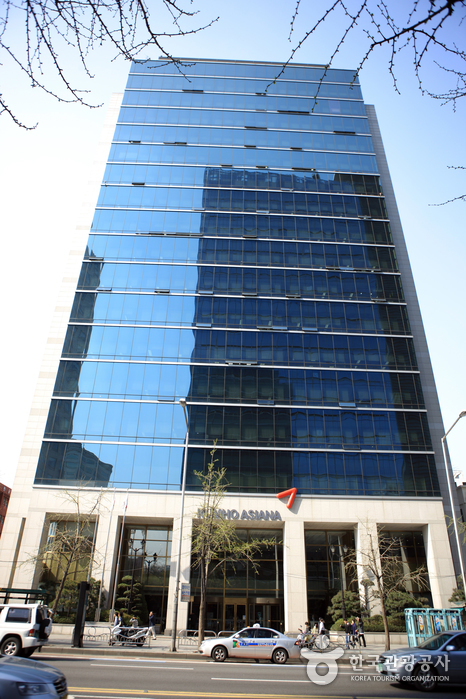
Kumho Art Hall was built in 2000 exclusively for classical music concerts, with 390 seats, the perfect structure for chamber concerts. All seats are recital hall chairs and the wide spacing between rows of chairs helps the audience to have a pleasant time. Upon entering the theater, all cell phones will turn off automatically. This helps all visitors to enjoy the concert without being interrupted by ringing cell phones. The interior is cozy and luxurious, and the stage is made of maple.
Jogui Hansu (족의한수)
758.3M 2024-10-15
93-1, Supyo-ro, Jongno-gu, Seoul
+82-2-2261-0310
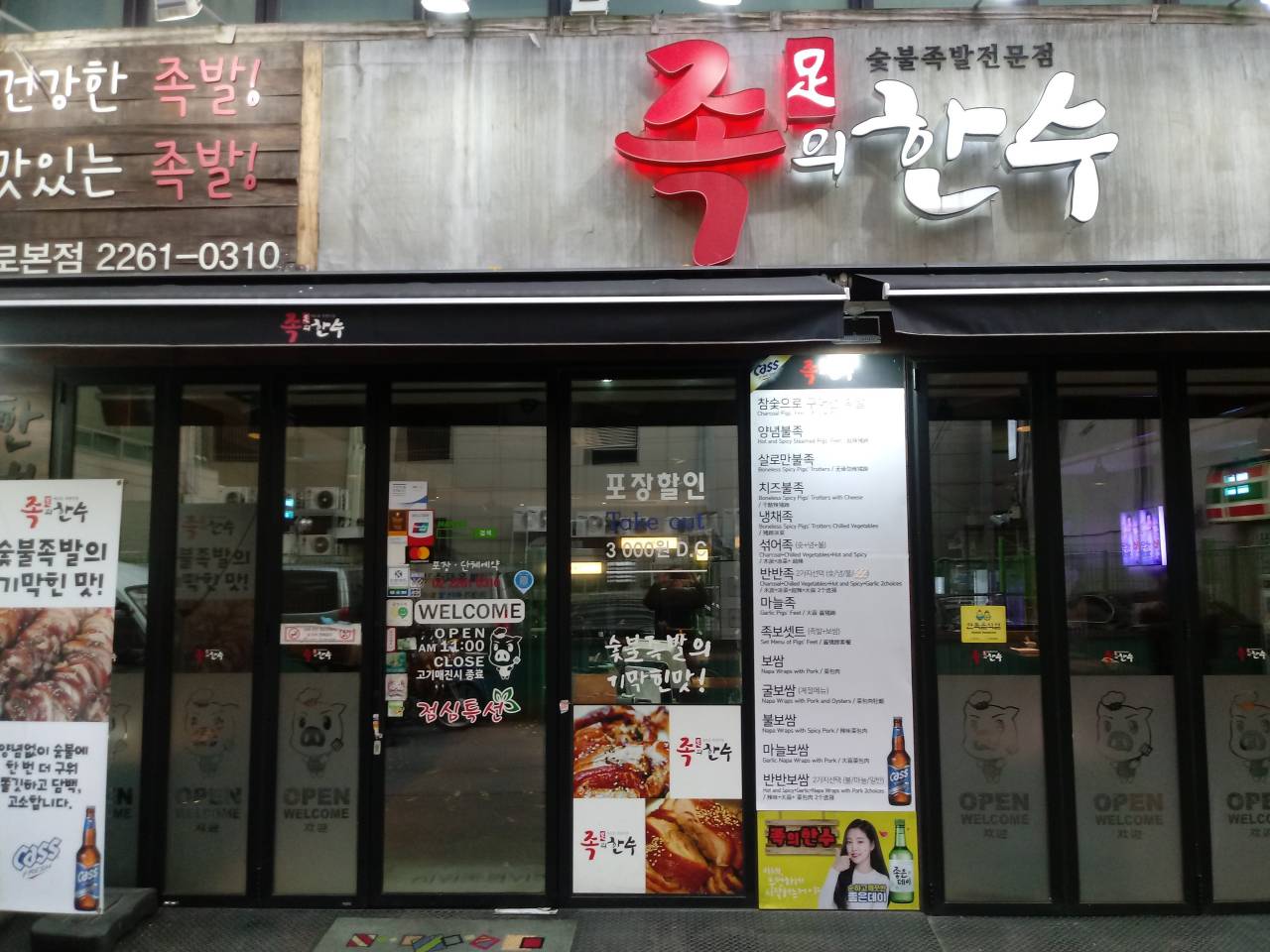
A pig's trotter(s) specialty restaurant located in Jongno, Seoul. This restaurant's signature menu is braised pigs' feet. A restaurant serving both charcoal-grilled jokbal (pig's trotter) and spicy jokbal.
Osulloc - National Museum of Modern and Contemporary Art Branch [Tax Refund Shop] (오설록 현대미술관)
763.7M 2024-04-23
30, Samcheong-ro, Jongno-gu, Seoul
-
Tteulan Teahouse (뜰안)
764.9M 2024-12-10
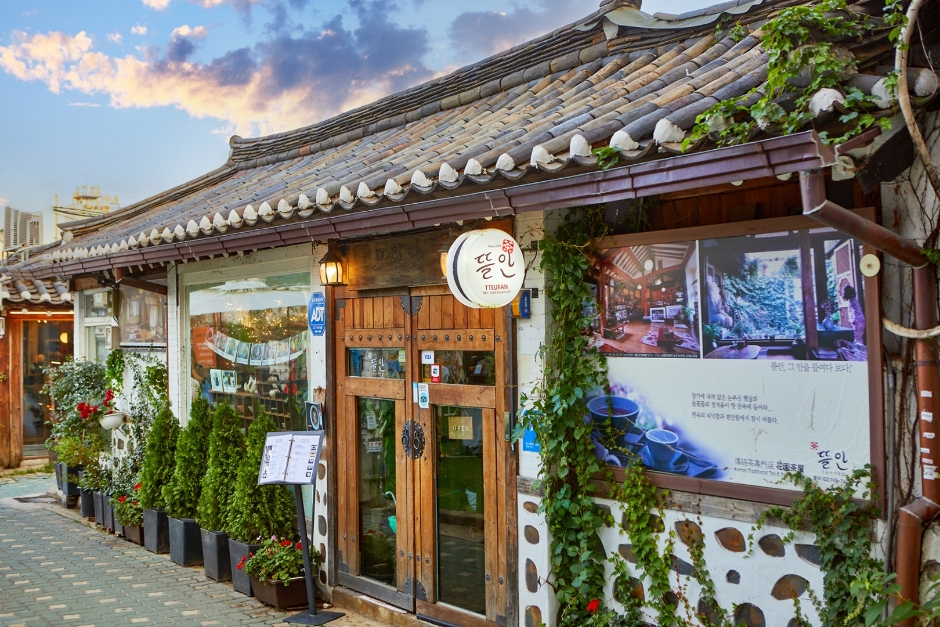
Tteulan Teahouse is a cafe that really allows one to feel the tradition and flair of Korea. Tteulan has two entrances: one facing the wide alley and the other facing the smaller one. The smaller entrance is decorated like a garden, so it feels as if one is stepping into a land of fairy-tales. The café has a floor seating tables with traditional items like gadari soban (a table with legs that curve like a dog's legs), and jogakbo (a textile woven from several pieces of scrap cloth), all of which add to the traditional Korean aesthetic. The menu features ssanghwacha (medicinal herb tea known to help the immune system), a favorite among middle-aged and elderly Koreans; omija tea (omija is a tart berry that grows in East Asia known to be good for lung and bronchial health and boosts immunity); citrus tea (usually made with yuzu which is rich in vitamin C and said to help mitigate fatigue); and pour-over coffee. Traditional desserts include mugwort rice cake (rice cake with mugwort added for herbal flavor, best enjoyed with malt syrup), pumpkin rice cake, and roasted grain powder (a nutritious beverage made with a variety of powdered grain). It can be hard to find seating in the afternoon, so visitors are advised to avoid these hours if they seek to enjoy their drink in peace.
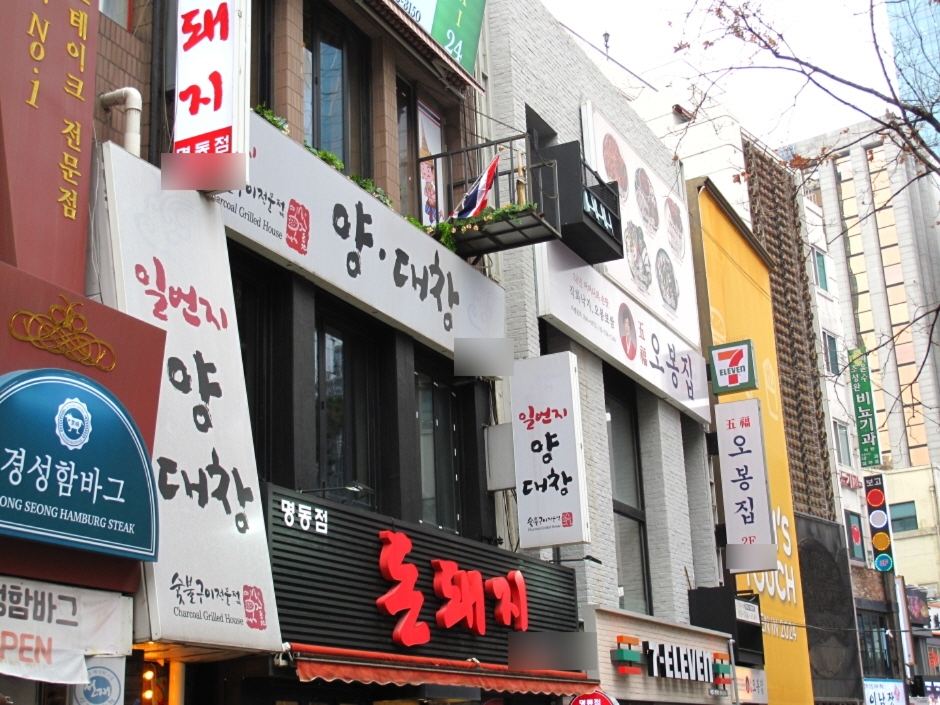
Ilbeonji Yang Daechang Myeongdong Branch (일번지양대창 명동)
767.2M 2024-03-15
2F, 33 Myeongdong 9-gil, Jung-gu, Seoul
+82-2-773-3150
Ilbeonji Yang Daechang is a specialty restaurant for grilled beef or pork small intestines located on Myeongdong Street. Its main menu features various intestines of beef or pork, including large and small intestines, grilled in the Korean barbecue style. Additionally, they offer options like grilled beef and pork galbi, as well as small intestine hot pot.
![National Museum of Modern and Contemporary Art, Seoul [MMCA Seoul] (국립현대미술관 서울관)](http://tong.visitkorea.or.kr/cms/resource/00/2991500_image2_1.jpg)
National Museum of Modern and Contemporary Art, Seoul [MMCA Seoul] (국립현대미술관 서울관)
768.6M 2023-06-23
30, Samcheong-ro, Jongno-gu, Seoul
+82-2-3701-9500
The National Museum of Modern and Contemporary Art, Seoul (MMCA Seoul) opened in 2013 as a city venue of the MMCA, which opened in 1986 in Gwacheon. The museum site was where many of Korea’s historical and political developments were achieved, both during the Joseon dynasty and after the Korean War. The Seoul venue of MMCA stands out from other museums through its use of Korea’s traditional architectural concept of "madang," a spacious courtyard where people can come and gather to socialize. The exterior of the building stands in harmony with the surrounding landscape. Inside, the museum is equipped with many facilities, including a reference center, project gallery theater, and multipurpose hall. MMCA Seoul strives to accommodate every mode of new artistic endeavor and to communicate with the public.
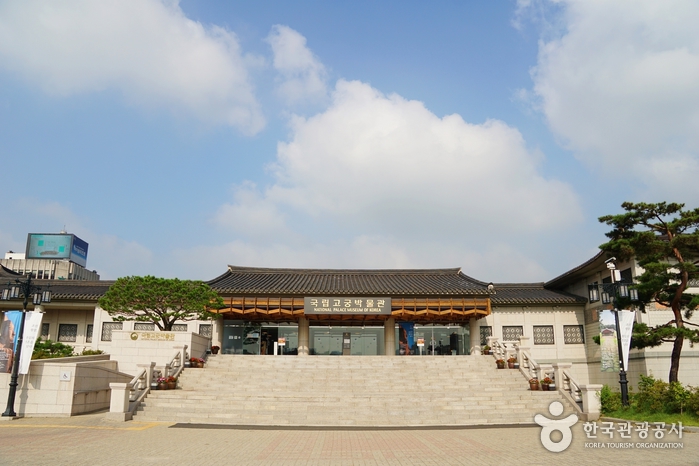
National Palace Museum of Korea (국립고궁박물관)
776.8M 2023-03-24
12, Hyoja-ro, Jongno-gu, Seoul
+82-2-3701-7500
The National Palace Museum of Korea displays over 40,000 relics from the Joseon dynasty. With various treasures on exhibit, the museum continues to provide information on the dignity of royal culture and the creativity of royal cultural assets.
 English
 한국어
한국어 日本語
日本語 中文(简体)
 Deutsch
 Français
 Español
 Русский


