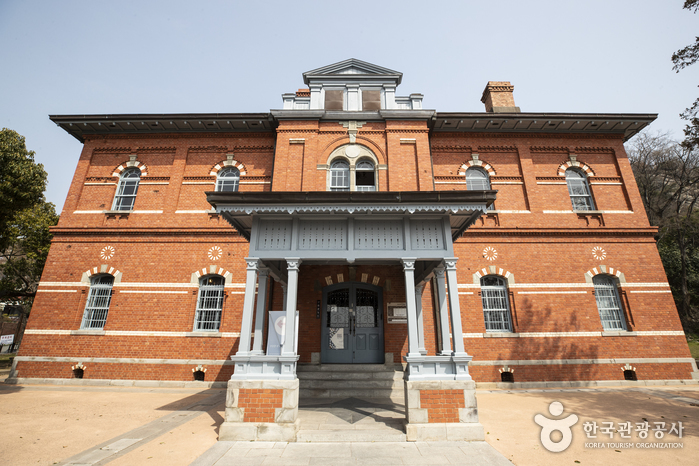
Mokpo Modern History Museum - Hall No. 1 (목포근대역사관 1관)
14.5Km 2024-09-25
경기도 과천시 과천대로 608-7 (과천동)
+82-61-242-0340
Mokpo Modern History Museum is the oldest building in Mokpo and a witness to Korea’s modern and contemporary history. It was built in 1898 and was used to house various public organizations, like city halls, consulates, and cultural centers, before being turned into the Mokpo Modern History Museum in 2014. As a building that has survived through rapid changes, it is valued for its historical and architectural significance. The museum has an exhibition on Mokpo’s history, organized into seven themes, detailing the history of the production and exploitation of various goods during the Japanese colonial period (1910-1945), along with miniature recreations of the streets of Mokpo city at that time.
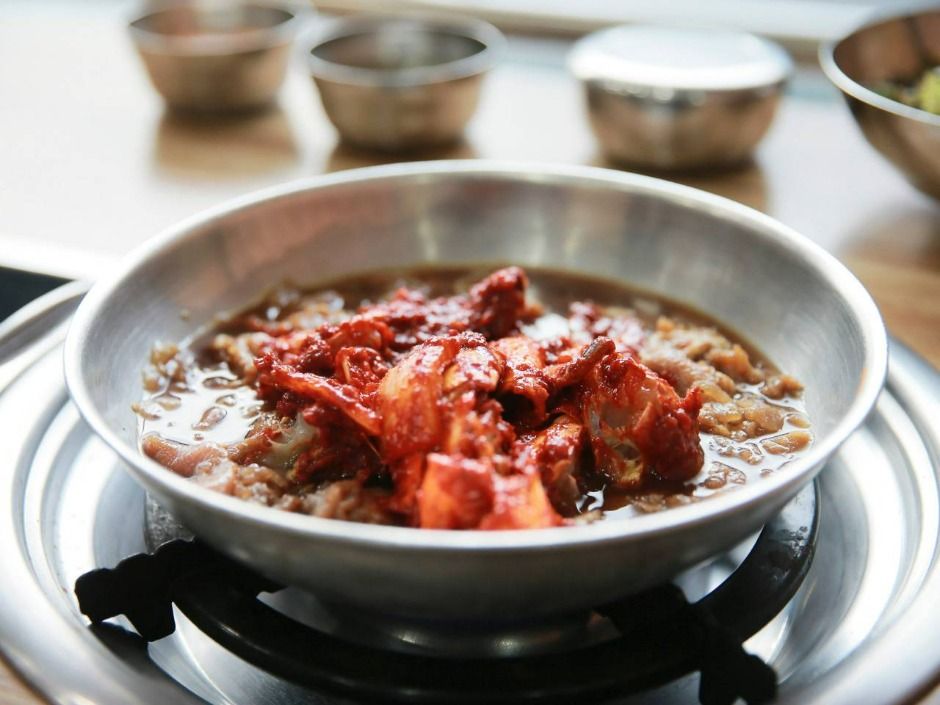
Sinchon Gisa Sikdang (신촌기사식당)
14.5Km 2025-09-15
408 Banghwa-daero, Gangseo-gu, Seoul
Sinchon Gisa Sikdang is a long-established restaurant with a long tradition, known for its generous portions and flavor, gaining word-of-mouth popularity and being featured in various television shows. In 2021, it was certified as a Long-standing Small Business by the Ministry of SMEs and Startups and the Small Enterprise and Market Service. The restaurant's representative menu is Bulkkot Baekban, which consists of dwaejibulbaek (pork bulgogi) and yangnyeom gejang (spicy marinated crab), ideal for two to three people. It's a great place to experience the authentic taste of a traditional restaurant with dishes like pork bulgogi and kimchi stew with fresh meat.
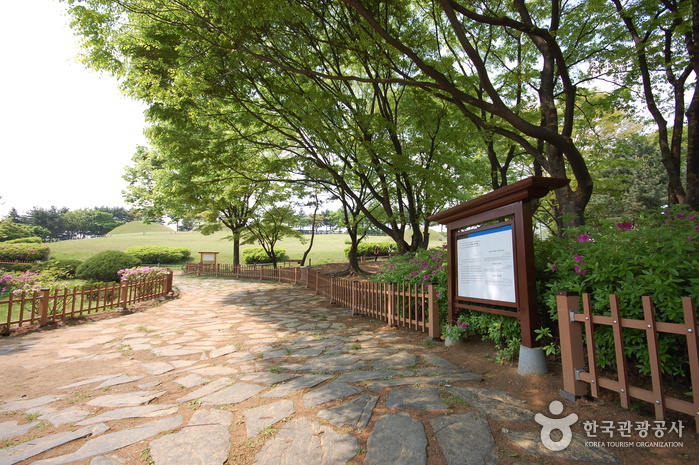
Seoul Bangidong Ancient Tombs (서울 방이동 고분군)
14.5Km 2022-12-29
219, Ogeum-ro, Songpa-gu, Seoul
+82-2-2147-2800
The ancient tombs in Bangi-dong were discovered during the land readjustment project of Jamsil-jigu District in 1975. A total of eight ancient tombs were excavated until 1976, and the site was restored into a park in 1983. The Bangi-dong area was originally a low line of hills with an altitude of 30-50 meters above sea level, but it has been made into flatland for urban development purposes. Tomb numbers 1 to 6 lie on the same hill, while tomb no. 7 and 8 are located on another hill a short distance away.
All eight tombs have circular burial mounds. The insides of the a tomb feature a square or rectangular-shaped burial chamber with earthen ground and stone walls, and a passage leading from the tomb entrance to the chamber. However, details of the burial chambers vary by tomb. Most of the tombs had been robbed before the investigation, but a few relics such as plates and pots have been excavated. At the time of excavation, the relics were presumed to have come from the Baekje dynasty (18 BC-660 AD), but it is now estimated that they date back to the Unified Silla Period (676-935 AD).
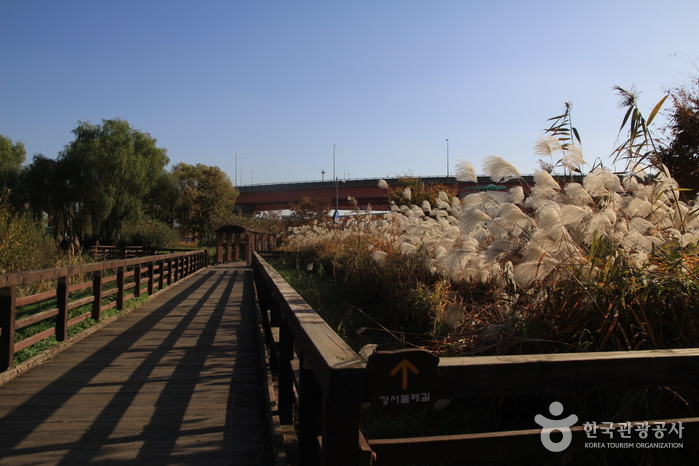
Gangseo Marsh Ecological Park (강서습지생태공원)
14.5Km 2021-06-22
279-23, Yangcheon-ro 27-gil, Gangseo-gu, Seoul
+82-2-3780-0621
The Gangseo Marsh Ecological Park is an eco-park located on the Hangang River between the southern side of Banghwadaegyo Bridge and southern side of Haengjudaegyo Bridge. Established in July 2007, the park is partly comprised of low wetlands, freshwater lakes, and various aquatic plants. Eco-trails wind around the park through reed areas, around willow trees, and past the migratory bird observation. At the park, visitors can watch and learn about a variety of migratory birds during summer and winter or join one of the park’s organized eco-education programs.
Suraksan Mountain (수락산)
14.5Km 2021-06-01
San 1-1, Sanggye-dong, Nowon-gu, Seoul
+82-2-2116-3943
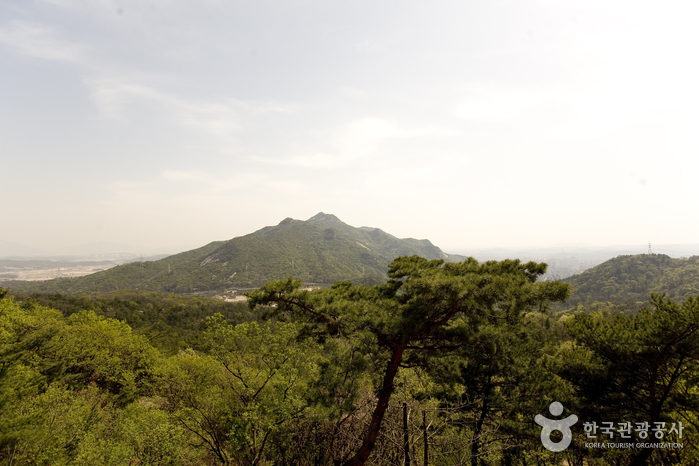
Along with the other great mountains near Seoul, Suraksan Mountain has its own unique beauty throughout the year. Its cluster of small peaks is reminiscent of Seoraksan or Wolchulsan Mountains and among its valleys and peaks, a number of treasures unfold. These include Geunnyu, Eunnyu, and Ongnyu Waterfalls, Heungguksa, Naewonsa and Seongnimsa Temples, and Gwesanjeong Pavilion.
One of the most popular hiking courses on Suraksan Mountain is the one that starts from Danggogae Station (Seoul Subway Line 4) and passes Hangnimsa Temple and Yongguram Hermitage. In the springtime, the ridge between Suraksan Mountain and Buramsan Mountain is covered with gorgeous royal azalea blossoms.
Jaunam Hermitage (자운암)
14.5Km 2023-05-08
Gwanak-ro, Gwanak-gu, Seoul
+82-2-882-3839
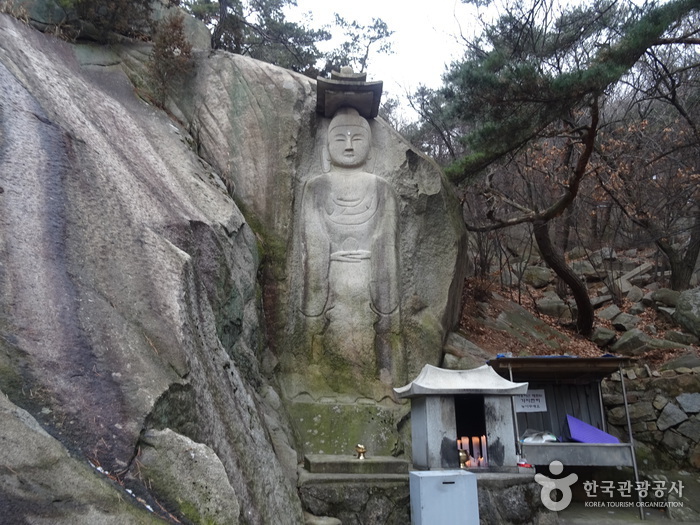
Jaunam Hermitage was originally built in 1396 by Great Monk Muhak of Joseon dynasty. It was renovated in 1734, and finally took shape of the hermitage we know today in 1976 when Monk Boryun added Daeungjeon Hall, Chilseonggak Pavilion, and Sansigak Pavilion. It is currently located in the famous Jahadong Valley on the Seoul National University campus.
![Olive Young - Sinbanghwa Station Branch [Tax Refund Shop] (올리브영 신방화역)](http://tong.visitkorea.or.kr/cms/resource/07/2880107_image2_1.jpg)
Olive Young - Sinbanghwa Station Branch [Tax Refund Shop] (올리브영 신방화역)
14.5Km 2024-04-22
#121, and #122, 294, Banghwa-daero, Gangseo-gu, Seoul
-

CheongKwanJang - Gaebong Branch [Tax Refund Shop] (정관장개봉점)
14.5Km 2024-06-27
1-101, 6, Gaebong-ro 20-gil, Guro-gu, Seoul
-
Philkyungjae (필경재)
14.6Km 2024-03-07
205, Gwangpyeong-ro, Gangnam-gu, Seoul
+82-2-445-2115
Philkyungjae is a restaurant serving traditional Korean cuisine served in the royal courts of Joseon. Its course menu includes jeonbokjuk (abalone porridge), bossam (napa wraps with pork), sogogi japchae (beef japchae), tteokgalbi (grilled galbi patties), and hanu yukhoe (Korean beef tartare). There are five courses on offer. All five courses are available during lunch, while dinnertime limits the selection to three. The restaurant is housed in a traditional house and garden dating back to the Joseon Dynasty (1392-1910), so guests can enjoy the architectural beauty of Korea with Korean flavors. Reservations can be placed through telephone.
Gwacheon Chusa Museum (추사박물관(과천))
14.6Km 2023-07-14
78, Chusa-ro, Gwacheon-si, Gyeonggi-do
+82-2-2150-3650
Gwacheon was where Chusa Gim Jeong-hui immersed himself in studies and arts to ignite his final artistic spirit in the twilight of his life. The city of Gwacheon opened Chusa Museum in order to promulgate the essence of the learning and arts that Chusa flowered. The museum features the life exhibit of Chusa, an art and science exhibit, a planned exhibit hall, an experience room, lounges, a museum shop and an education room for thoroughly researching, exhibiting and experiencing Chusa.
 English
 한국어
한국어 日本語
日本語 中文(简体)
 Deutsch
 Français
 Español
 Русский


