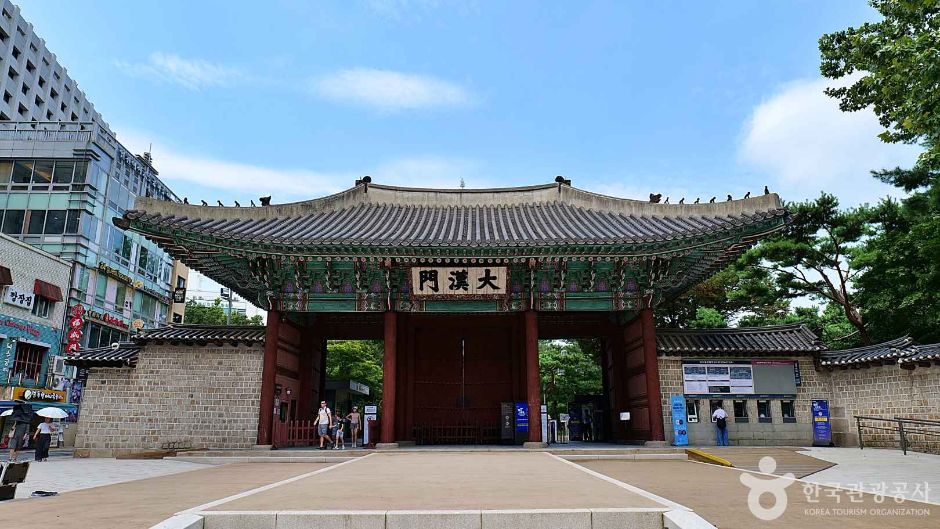
Deoksugung Palace's Daehanmun Gate (덕수궁 대한문)
1.6Km 2025-01-13
99 Sejong-daero, Jung-gu, Seoul
+82-2-771-9951
Located near City Hall station, Daehanmun Gate is the main gate of Deoksugung Palace, one of the princiapl five palaces of Joseon dynasty. The name "Daehan" means wish for eternal prosperity of the Korean Empire. In front of the gate, the Palace Royal Guard Changing Ceremony is held twice daily, along with the reproduction of costumes and style throughout the year.
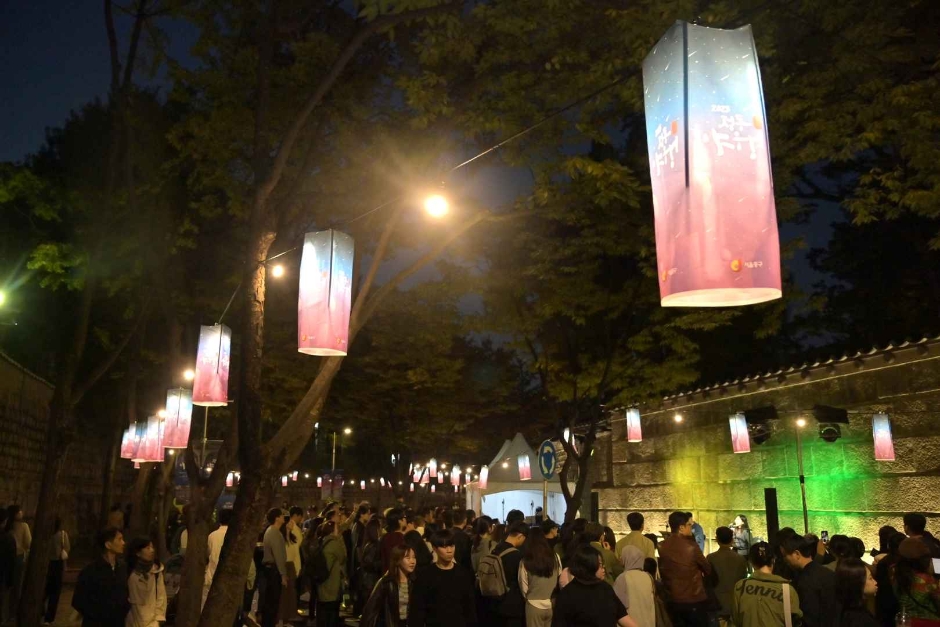
Jeongdong Culture Night (정동야행)
1.6Km 2025-05-20
99 Sejong-daero, Jung-gu, Seoul
+82-2-3396-4625
Jeongdong Culture Night is dedicated to promoting the history and culture of Jeongdong, a neighborhood in Jung-gu, Seoul. The festival programs allow participants to understand how the history is connected to today's culture and offers an opportunity to view Jeongdong's cultural facilities in a different perspective.
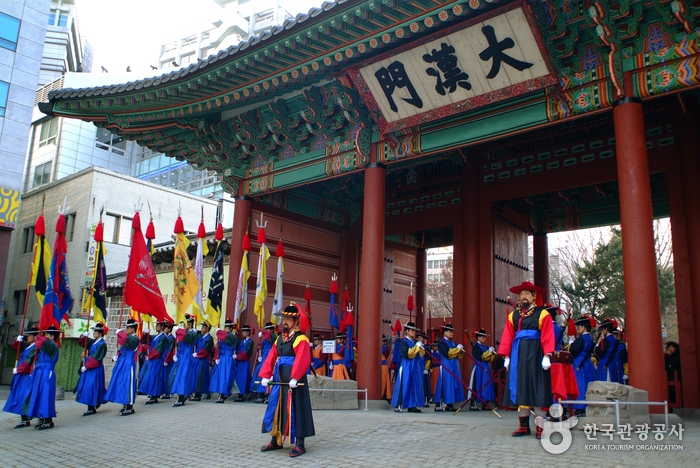
Deoksugung Palace Royal Guard Changing Ceremony (덕수궁 왕궁수문장교대의식)
1.6Km 2025-07-11
99, Sejong-daero, Jung-gu, Seoul
• 1330 Travel Hotline: +82-2-1330 (Korean, English, Japanese, Chinese) • For more info: +82-2-737-6444
Deoksugung Palace has held a guard changing ceremony since 1996 after thorough historical research by leading historians. The ceremony, which is held in front of Daehanmun Gate of Deoksugung Palace, is a tradition similar to the Changing of the Guards at Buckingham Palace and offers a rare opportunity to experience royal culture. The royal gate is opened and closed at pre-determined times, and the gatekeepers in charge of guard duty and patrols hold a shift ceremony three times a day.
The Royal Guard Changing Ceremony is a highly recommended event for tourists. It is held three times a day, with each ceremony following the same procedure and lasts for forty minutes to an hour, and the ceremony is free of charge. There are no ceremonies on Mondays as well as on severely cold or hot days.
As the ceremony begins, the changing of the guards commences replete with traditional musical instruments, and exchanges a password for verification. An eight-minute guard ceremony ensues, followed by a seven-minute change ceremony, and finally a patrol that completes the ceremony. The procedure takes a dramatic turn when 18 guards in six official positions beat a drum and bellow some orders.
The Royal Guard Changing Ceremony is a great opportunity to experience a rare traditional scene. The guards’ splendid costumes, with their brilliant primary colors, are a pleasure to view. Once the ceremony is over, visitors can take pictures with the gatekeepers.
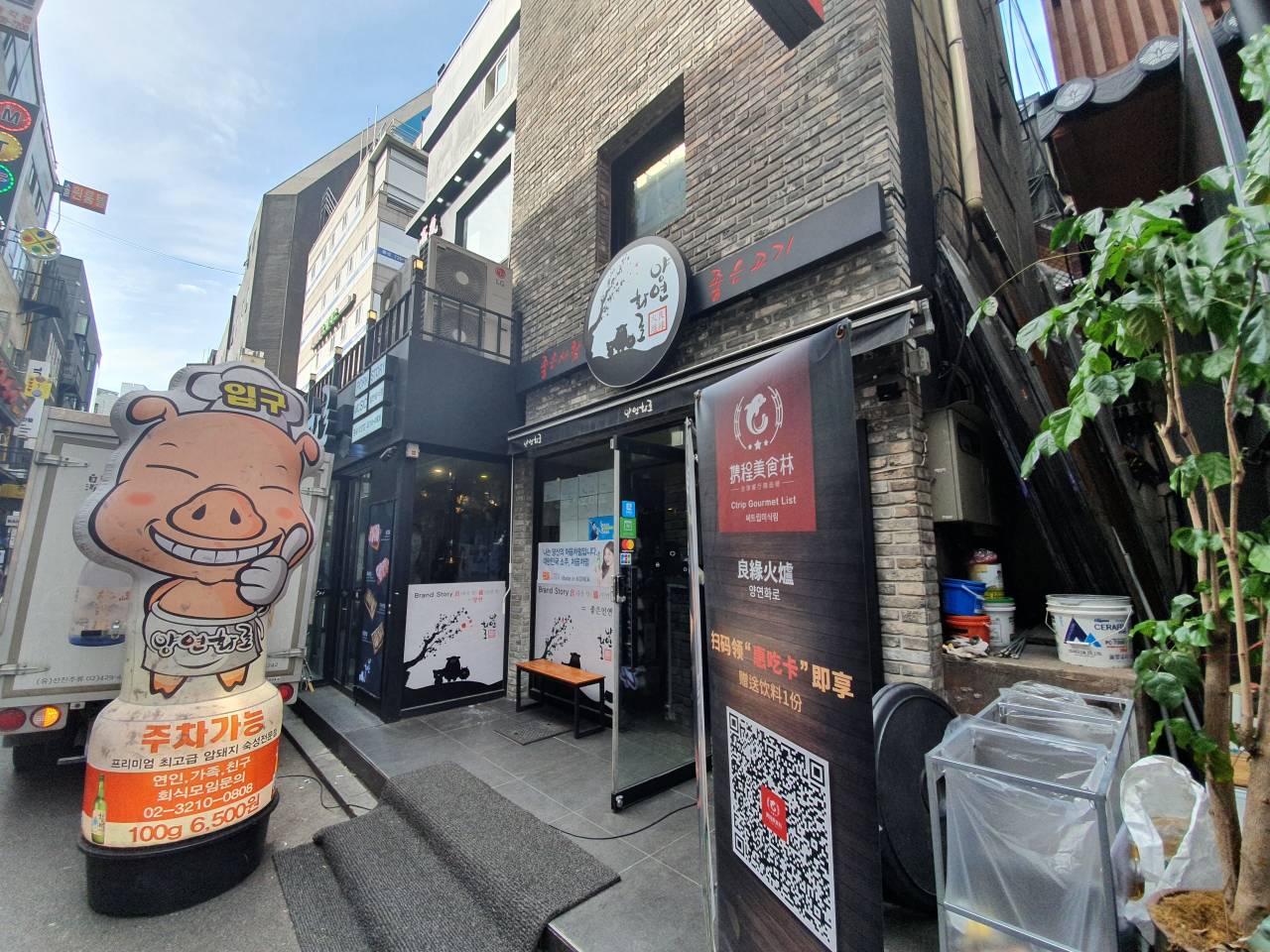
Yangyeon Hwaro (양연화로)
1.6Km 2024-03-05
18 Samil-daero 17-gil, Jongno-gu, Seoul
+82-2-3210-0808
Yangyeon Hwaro is located in Jongno and is renowned for offering the essence of Korean-style barbecue. Its signature dish is the aged pork belly, grilled over charcoal, bursting with charcoal aroma and juiciness. Additionally, the menu includes various cuts of pork such as shoulder, thin skirt, and pork neck, as well as beef options like boneless short ribs and beef tartare. The staff personally grill the meat for the customers.
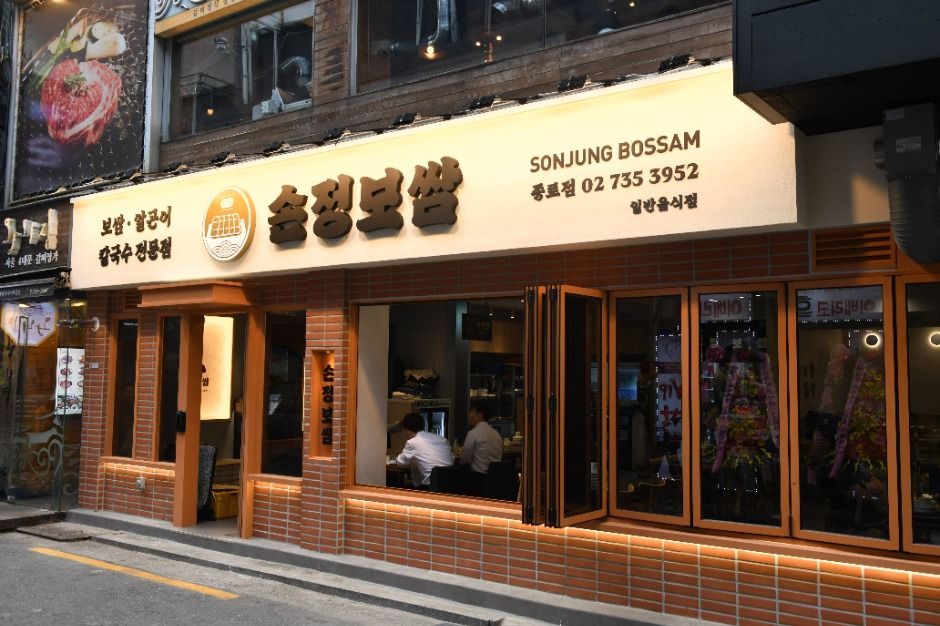
Sonjung Bossam (손정보쌈)
1.6Km 2025-07-25
24 Samil-daero 15-gil, Jongno-gu, Seoul
Sonjung Bossam offers dishes with a modern touch by reinterpreting traditional meals. Passed down for three generations, this restaurant values sincerity and careful attention in food making in order to serve every customer a heartwarming meal. Sonjung Bossam's signature dish Premium Gabri Bossam takes only the rarest pork cut, the blade-end fatback called "gabri" in Korean, and boils the meat using the restaurant's secret recipe for tender, juicy meat. The restaurant also serves their own special version of spicy stir-fried fish roe and intestines and haemultang (spicy seafood stew), boasting a generous amount of various seafood and rich broth. All meals are prepared wholeheartedly as if they are being served to a family.
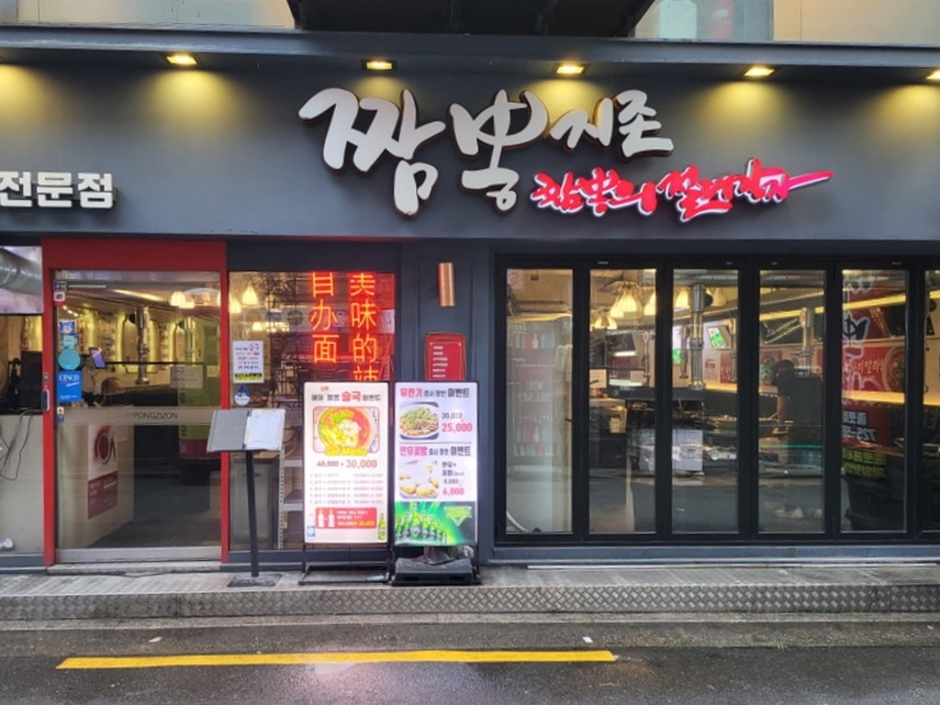
Jjamppong Zizon Jongno (짬뽕지존 종로)
1.6Km 2024-03-15
25 Samil-daero 15-gil, Jongno-gu, Seoul
+82-2-725-5161
Jjamppong Zizon is a Chinese restaurant located near Cheonggyecheon Stream. Their signature dish, zizon jjamppong (spicy seafood noodle soup), combines fresh seafood with a spicy broth enhanced with smoky flavors. They also offer zizon jjajangmyeon (black bean sauce noodles). For those craving extra heat, there are options like jiok jjamppong (extra spicy seafood noodle soup) and jiok jjajang (spicy black bean sauce noodles). Additionally, they serve chapssal tangsuyuk (deep-fried pork in sweet rice batter with sweet and sour sauce), coating pork in chewy sweet rice batter.
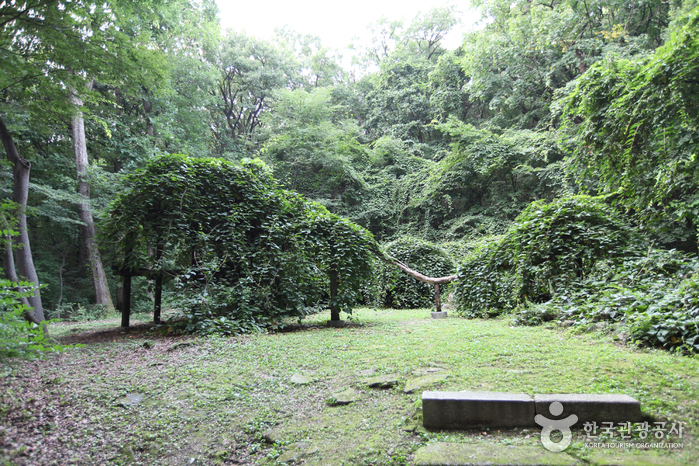
Daraenamu Tree in Changdeokgung Palace (창덕궁 다래나무)
1.6Km 2025-01-13
99, Yulgok-ro, Jongno-gu, Seoul
+82-2-3668-2300
Daraenamu Tree in Changdeokgung Palace is estimated to be 600 years old, meaning it had likely been planted before the palace was built. The tree stands 19m in x_height, and has six separate trunks sprawling in all directions. It is the biggest and the oldest in Korea. It is designated and protected as a National Natural Monument.
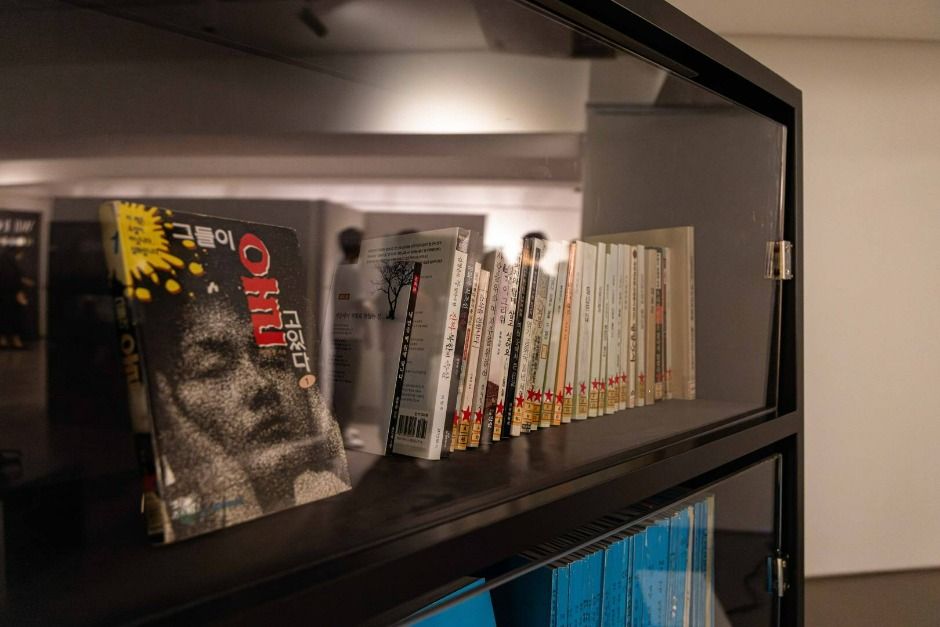
NKDB North Korean Human Rights Exhibition Hall (북한인권전시실)
1.6Km 2025-11-13
393 Samil-daero, Jongno-gu, Seoul
The NKDB North Korean Human Rights Exhibition Hall is a permanent exhibition space dedicated to North Korean human rights. Although it is a small space, it resonates deeply and serves as a "dark tourism" site that records and testifies to the ongoing reality of human rights violations in North Korea. The North Korean Human Rights Information Center (NKDB), which operates this exhibition hall, is the organization that collects and archives the most extensive records of human rights concerning North Korean residents in the world. The testimonies and records presented here represent a living history, a story unfolding in the present, unavailable elsewhere. Through donated North Korean artifacts, including these records, visitors can glimpse the present-day North Korea and encounter artwork by North Korean defectors.
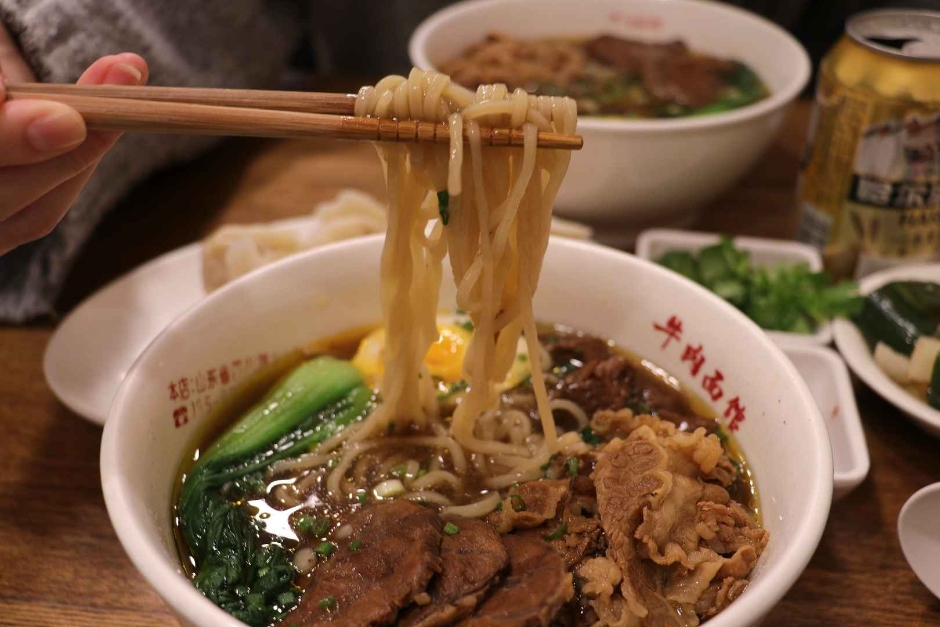
Uyungmyeongwan Cheonggyecheon Main Store (우육면관청계천점)
1.6Km 2024-04-19
75-2 Cheonggyecheon-ro, Jongno-gu, Seoul
Uyungmyeongwan is a noodle restaurant specializing in uyungmyeon (beef noodle soup) located near Cheonggyecheon Stream. Its flagship dish is the uyungmyeon, which harmonizes tender meat with rich broth. In addition, they also sell freshly made sugyo (Chinese-style boiled mandu) filled with shrimp, pork, and young cabbage daily. Loved by locals and tourists alike for its clean yet flavorful broth and chewy noodles.

Seodaemun Independence Park (서대문독립공원)
1.6Km 2022-12-15
251, Tongil-ro, Seodaemun-gu, Seoul
+82-2-3140-8305
Seodaemun Independence Park was built on the former Seoul Detention Camp. It was used to imprison thousands of Korean independence activists until the liberation from the Japanese occupation on August 15, 1945, as well as the political prisoners during the political turmoil in the 1960s. When the prison was moved to Uiwang-si, Gyeonggi-do in November 1987, the area was restored and turned into a memorial park in August 15, 1992 to honor the sacrifices of the martyrs. The park preserves seven prison buildings, an execution ground, underground women’s prison, and the March 1st Movement Monument that has been moved from Tapgol Park in Jongno.
One of the most significant monuments of the Seodaemun Independence Park is Dongnimmun Gate (Independence Gate), which has been designated a Historic Site. Nearby is Dongnipgwan (Independence Hall), originally called Mohwagwan, which was used to greet Chinese envoys during the Joseon dynasty. Today, the hall enshrines 2,327 tablets inscribed with the names of Koreans who died for the cause of national independence. Standing right next to Dongnimmun Gate are the remnants of Yeongeunmun Gate, another Historic Site. Other sights inside the park include the Patriotic Martyr Monument, Declaration of Independence Monument, and Statue of Dr. Seo Jae-pil, who was an independence activist and publisher of Korea’s first independent newspaper. The main highlight of the park is the Seodaemun Prison History Hall, a former prison building that was renovated into a history museum.
 English
 한국어
한국어 日本語
日本語 中文(简体)
 Deutsch
 Français
 Español
 Русский


