
Seorae Village (서래마을)
4.5Km 2022-12-16
Banpo-dong, Seocho-gu, Seoul
Seorae Village is located in between Banpo 4-dong and Bangbaebon-dong in Seocho-gu, Seoul. Seorae Village took its form as a French neighborhood when French residents moved to the area after Ecole Francaise de Seoul, a school for French residents in Korea, was established here in 1985. According to 2008 census, about half of the total 1,000 French citizens residing in Korea were registered to be living in Seorae Village. The area naturally took shape as a global neighborhood as many international residents settled at Seorae Village much thanks to the strong presence of French residents. In addition to its convenient location near the central district area as well as Gangnam area and Hangang River Park, Seorae Village serves as a pleasant environment space for all.
Many shops and restaurants in Seorae Village are small in size and rather charming, resembling those in Europe. A bakery that makes traditional French baguettes using ingredients directly imported from France can be found here. In recent years, Seorae Village has undergone several changes, gaining much attention as one of the most modern and fanciest regions found in Seoul.
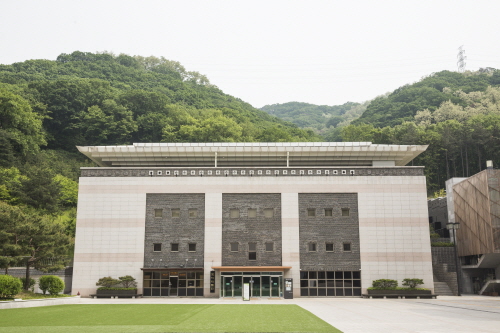
National Gugak Museum (국립국악박물관)
4.5Km 2021-08-13
2364, Nambusunhwan-ro, Seocho-gu, Seoul
The National Gugak Museum opened on February 23, 1995 as the first gugak museum in Korea, featuring approximately 6,000 pieces of gugak-related materials and relics which have both historical and cultural value. It is comprised of seven themed permanent exhibition halls that present 250 pieces of audio and video clips regarding gugak. In the 3D room, visitors can enjoy 3D animation at all times. The museum also hosts special exhibitions in unique and interesting themes.
National Gugak Center (국립국악원)
4.5Km 2025-01-17
2364 Nambusunhwan-ro, Seocho-gu, Seoul
The National Gugak Center is the governing body established to preserve and promote traditional Korean performing arts. The center can accommodate every type of traditional performing arts, such as palace music, court music, and all other genres including major productions of changgeuk (Korean musical drama). Originally opened in Busan in 1951, the center moved to its current location in Seoul in 1987. The center also opened branch locations in Namwon, Jindo, and Busan in 1992, 2004, and 2008 respectively.
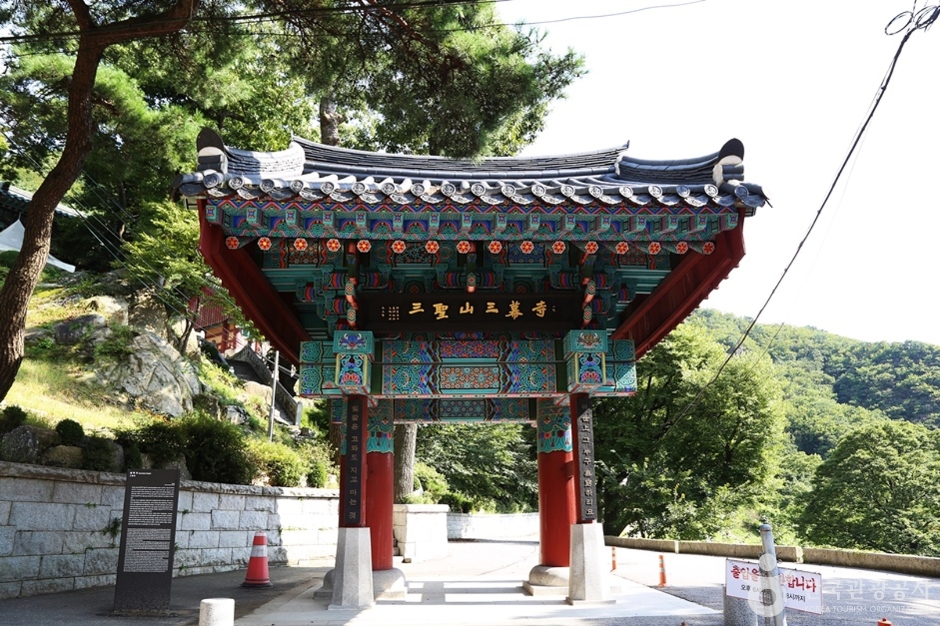
Sammaksa Temple (삼막사)
4.6Km 2024-02-07
478 Sammak-ro, Manan-gu, Anyang-si, Gyeonggi-do,
Sammaksa Temple is a Buddhist temple located in Samseongsan Mountain. Legend has it that the temple was established in 667 by Wonhyo, a Buddhist philosopher from the Silla era. Within the temple grounds are Cheonbuljeon Hall, Yukgwaneumjeon Hall, Myeongbujeon Hall, Manghaeru Pavilion, Chilbogak House, among others. The temple holds heritages like the Rock-carved Buddha Triad and the Fertility Stones. These artifacts, symbolizing the fusion of Buddhism and folk religion, highlights the ancient nature of the place.

Sky Pizza (스카이피자)
4.6Km 2025-11-05
86, Noryangjin-ro 6-gil, Dongjak-gu, Seoul
K-movie <PARASITE> - Real pizza store in the movie
It is a real pizza store that appears in the movie 'Pizza Age'. Kitaek's (played by Song Kangho) family has a side job folding pizza boxes here. It also appears as a place where family members gather to conspire to kick out President Park's butler. Although it is a pizza store located in a quiet residential area, it is famous for the movie 'PARASITE' and is visited by ‘PARASITE’ fans from all over the world. There is a picture of the president and director Bong Joonho on the inside wall.
Seoul Arts Center (예술의전당)
4.7Km 2025-01-17
2406 Nambusunhwan-ro, Seocho-gu, Seoul
The Seoul Arts Center is the representative art complex of Korea. It is comprised of the Opera House, Concert Hall, Art Gallery, Calligraphy Museum, Art Material Hall, and an outdoor stage. You can enjoy various performances and exhibitions all in one site.
The Opera House and Concert Hall consist of a total of five performance halls offering an average of 800 performances ever year, whereas the Art Gallery and Calligraphy Museum has seven exhibition halls providing various exhibitions throughout the year. The outdoor stage also provides various genres of performances all year round.
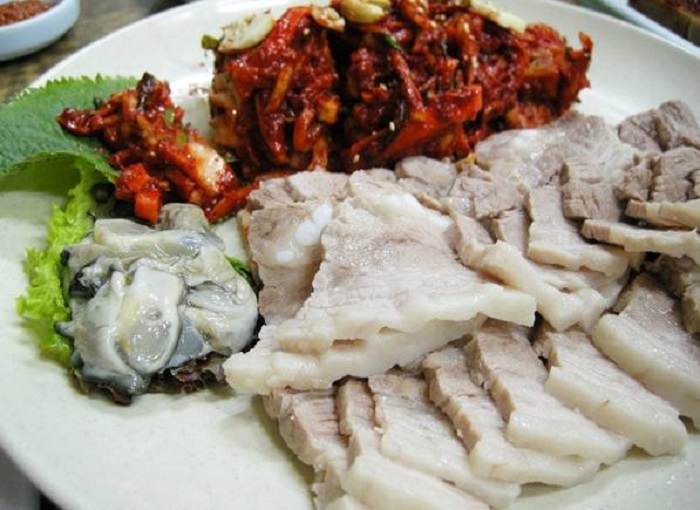
Jangchung Jokbal (장충족발)
4.7Km 2024-10-15
31, Noryangjin-ro 16-gil, Dongjak-gu, Seoul
Jokbal (pig’s feet) is a representative food loved by Koreans. The best menu at this restaurant is braised pigs' feet. This Korean dishes restaurant is located in Dongjak-gu, Seoul.
Montmartre Park (몽마르뜨공원)
4.8Km 2024-03-20
59 Banpo-daero 37-gil, Seocho-gu, Seoul
Montmartre Park, situated above Seorae Village, earns its name due to the significant number of French residents in the vicinity. This small park exudes an atmosphere of art and romance, fitting its namesake. Adorned with poems and sculptures contributed by French poets and artists, the park also features busts depicting renowned figures like Vincent Van Gogh, Paul Gauguin, and Pablo Picasso. Towards the park's conclusion, Nue Bridge connects it to the Seoripul Neighborhood Park.
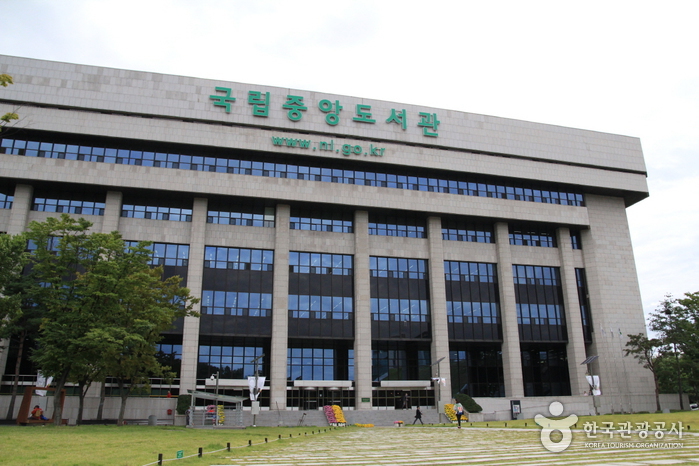
The National Library of Korea (국립중앙도서관)
4.9Km 2021-06-22
201, Banpo-daero, Seocho-gu, Seoul
The National Library of Korea collects and preserves many important documents and books, promoting a culture of appreciation for these cultural heritages. The library was founded on May 28, 1988 in the area of Seocho Park, later expanding to include an annex. The scenery of the park is beautiful and the atmosphere is very relaxing, perfectly suited to the pursuit of knowledge. For further understanding, the library also offers guided tours for those interested in library science. Many materials have also been scanned and are accessible online through the digital library.
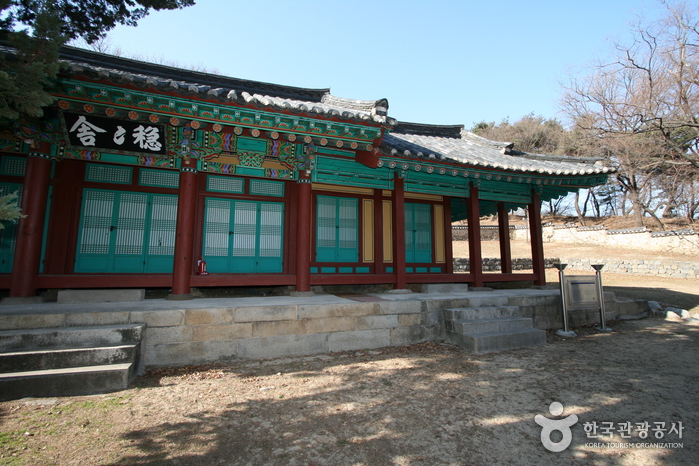
Ononsa Guesthouse (온온사)
4.9Km 2023-07-17
58 Gwanaksan-gil, Gwacheon-si, Gyeonggi-do
Though Ononsa, which was a guesthouse in Gwacheon, was constructed in the 27th year of King Injo's reign in the Joseon dynasty (1649), the name, "Ononsa," was given to this area during the reign of King Jeongjo. On February 11, 1790 during his royal procession to the tomb of his father, Crown Prince Sado, stayed at an inn in Gwacheon and, as he felt that it "has nice views and provides a comfortable stay," he bestowed upon the place plaques that he wrote himself - "Ononsa" to Seoheon and "Burimheon," which was the old nickname of Gwacheon, to Dongheon. This is how this place began to be called Ononsa.
It was designated as a Tangible Cultural Heritage of Gyeonggi-do on June 2, 1980, and it was restored on December 2, 1986 after being torn down.
 English
 한국어
한국어 日本語
日本語 中文(简体)
 Deutsch
 Français
 Español
 Русский


