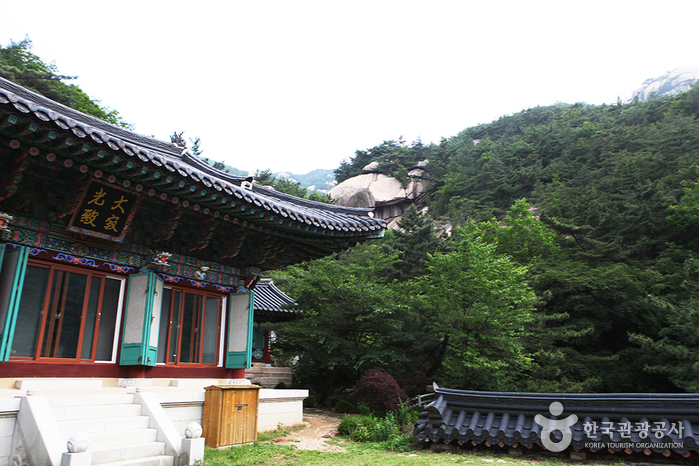
Seoul Geumseonsa Temple (금선사(서울))
10.6Km 2021-08-17
137, Bibong-gil, Jongno-gu, Seoul
+82-2-395-9911
Geumseonsa Temple is located within Bukhansan National Park, just behind Cheong Wa Da (The Blue House) and Gyeongbokgung Palace. The entrance to the temple is just off the hiking path to Bibong Peak.
After passing Banyajeon Hall, where Buddhist services are held, visitors will see a pine tree over 200 years old, and beyond that, a staircase with 108 steps leading up to Daejeokgwangjeon Hall in the temple's main area. To the right is Samseonggak House and Hongyegyo Bridge over the clear waters flowing down from the mountain.
Additional temple buildings include Mitajeon Hall and Yeonhwadang Hall, built in 2004 by Monk Beopan; and Jeokmukdang Hall, built using traditional construction techniques.
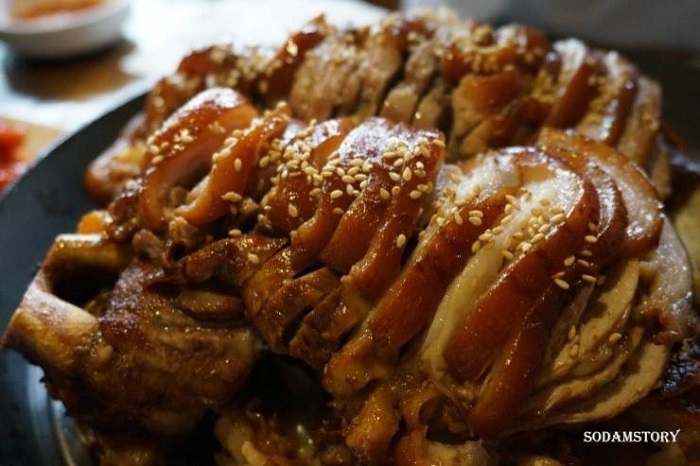
Madang Jokbal (마당족발)
10.6Km 2024-10-15
175, Neungdong-ro, Gwangjin-gu, Seoul
+82-2-468-3030
It is a restaurant with an outdoor terrace. This Korean dishes restaurant is located in Gwangjin-gu, Seoul. The most famous menu is braised pigs' feet.

Olive Young - Gwangmyeong Soha Branch [Tax Refund Shop] (올리브영 광명소하점)
10.7Km 2024-06-27
#113~#115, 464, Geumha-ro, Gwangmyeong-si, Gyeonggi-do
-
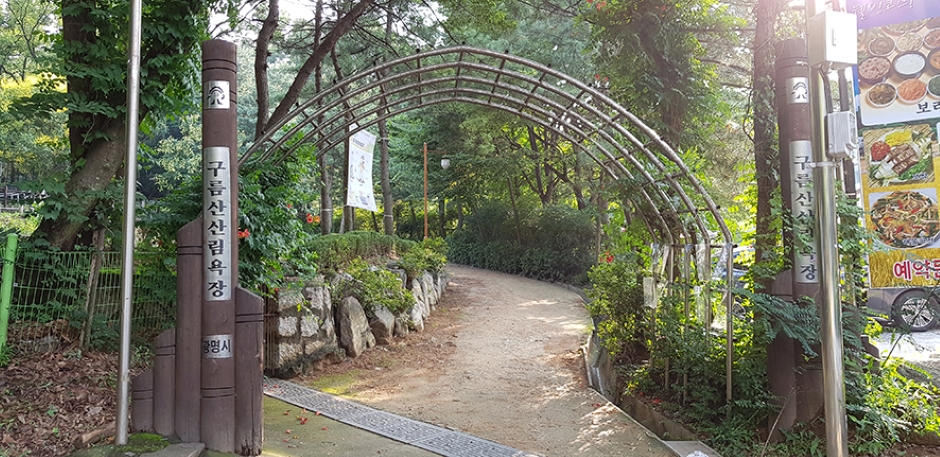
Gureumsan Forest Park (Gureumsan Urban Forest Park) (구름산 산림욕장 (구름산 도시자연공원) )
10.7Km 2024-04-08
27 Ori-ro 619beon-gil, Gwangmyeong-si, Gyeonggi-do
Gureumsan Forest Park is densely populated with trees that are 20 meters high. The forest park has a playground and wooden benches, and has the highest phytoncide concentration out of all the 13 forest parks in Gyeonggi-do. This hiking trail has been developed with 356 fir trees and an 184-meter red clay trail to provide citizens and tourists with a relaxing barefoot walking experience. Most of the forest paths in the park area are covered in wood chips, making it easier to walk.
Himart - Konkuk Univ. Branch [Tax Refund Shop] (하이마트 건국대점)
10.7Km 2024-04-22
300, Achasan-ro, Gwangjin-gu, Seoul
-
Dodeoksan Suspension Bridge (도덕산 출렁다리)
10.7Km 2025-11-06
317-80 Gwangmyeong-dong, Gwangmyeong-si, Gyeonggi-do
Dodeoksan Suspension Bridge is located in Dodeoksan Park, which serves as a resting place and a light hiking course for citizens of Gwangmyeong. Dodeoksan Park has a well-maintained wooden walkway, and the slope is not too steep, so anyone can walk safely there. It is about 400 meters from Dodeoksan Park parking lot to Dodeoksan Suspension Bridge, allowing one to reach the bridge at a leisurely pace on foot. The bridge is in a Y-shape and 82 meters long in total and has an artificial waterfall under the midpoint of the bridge, giving a thrilling yet refreshing experience.
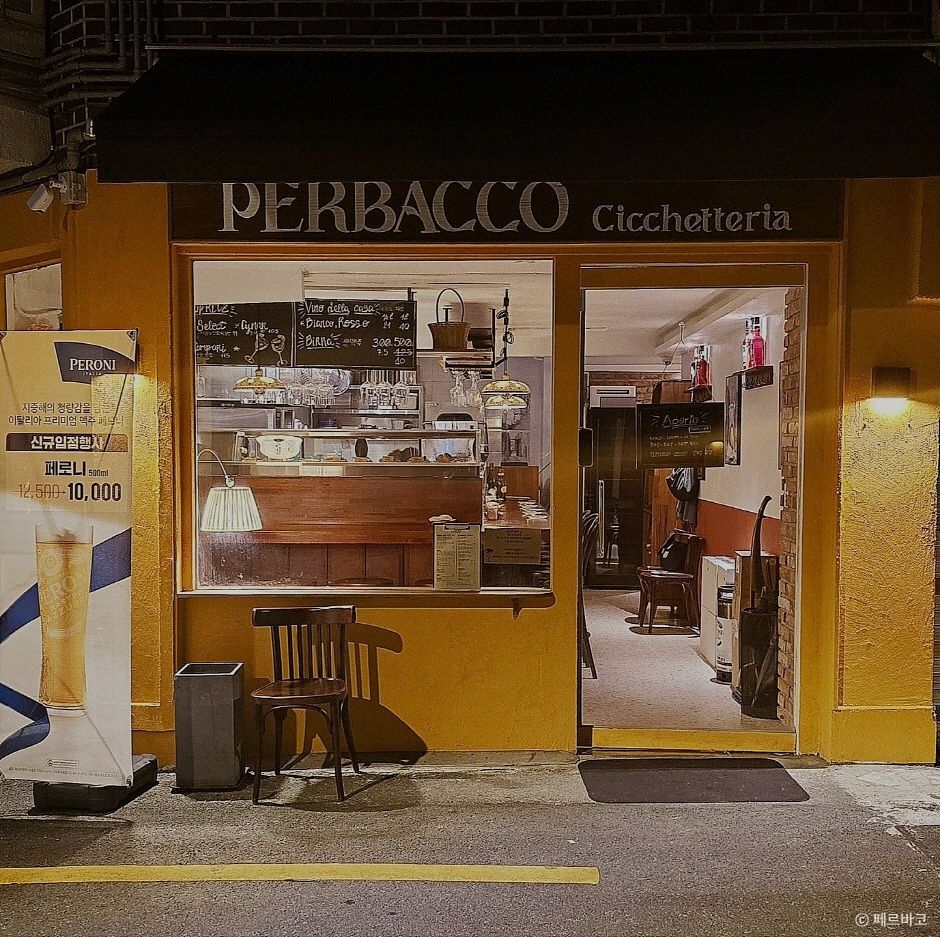
Perbacco (페르바코)
10.7Km 2024-09-11
30 Neungdong-ro 16-gil, Gwangjin-gu, Seoul
Perbacco is a Venetian style pub, better known as a chicchetteria. The pub offers lesser-known Italian snack fare from Venice, with their main dish being cicchetti, flat slices of bread piled with various ingredients, usually focusing on seafood.

Vegenomics Fair (제10회 베지노믹스페어 (비건페스타ㅣ그린페스타ㅣESG푸드페스타))
10.7Km 2025-01-21
3104 Nambusunhwan-ro, Gangnam-gu, Seoul
+82-2-2223-1851
Vegenomics, or veganomics, which focuses on vegan and vegetarian businesses, is a fast-growing economy. The Vegenomics Fair is the largest event of its kind in Asia, and offers the chance for different businesses to network as well as consumers to get to know more about them.
![E-Mart - Gwangmyeong Soha Branch [Tax Refund Shop] (이마트 광명소하)](http://tong.visitkorea.or.kr/cms/resource/38/2881838_image2_1.jpg)
E-Mart - Gwangmyeong Soha Branch [Tax Refund Shop] (이마트 광명소하)
10.8Km 2024-04-22
97, Soha-ro, Gwangmyeong-si, Gyeonggi-do
-
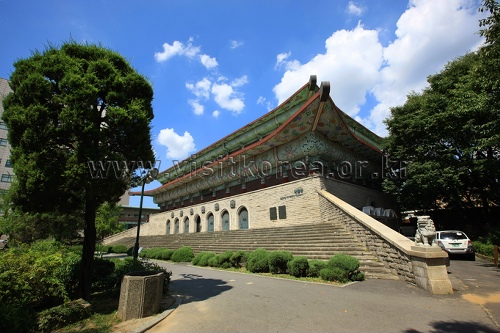
Sejong University Museum (세종대학교 박물관)
10.8Km 2022-09-16
209, Neungdong-ro, Gwangjin-gu, Seoul
+82-2-3408-3876
Sejong University Museum exhibits folk art, wooden crafts, clothing, accessories, pottery, paintings and calligraphy collected for over 40 years by the couple who founded the present day Sejong University, Dr. Ju Young-ha and Dr. Choi Ok-ja. This museum has its origins in the Soodo Gallery, which was built in Chungmuro, the campus’ original location, in 1959. Needing more space to house additional artifacts, the museum moved to its current location, which first opened on May 5, 1973 in a four-story concrete building inspired by traditonal tower design from the Baekje era. This building was later expanded on May 20, 1977.
After the university’s name was changed to Sejong University in 1979, the museum was also renamed the Sejong University Museum. The museum showcases unique artifacts to both scholars and students from home and abroad in contribution to the research of Korea’s culture, arts, and archeology.
 English
 한국어
한국어 日本語
日本語 中文(简体)
 Deutsch
 Français
 Español
 Русский


